Food, made easier to understand, one bite at a time
Fun facts about sugar, rice, protein and everyday meals. Written for people who have never opened a nutrition book, with real numbers and clear sources.
Sugar & sweeteners
See all 22 →Sugar is sugar, whatever the label says. Read labels, know your sweeteners, swap step by step.
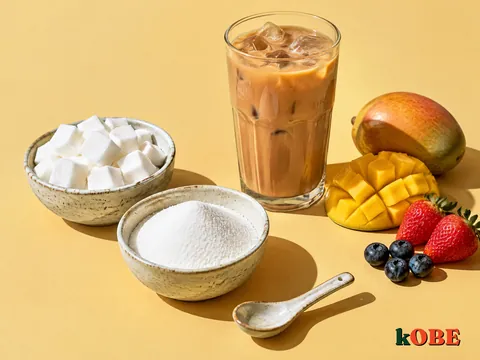
Where do you even start cutting sugar? A full guide for people who have never counted a spoonful
One Vietnamese iced coffee holds about 20g of sugar. Where to start cutting sugar, how to read a label in 30 seconds, and which swaps work in the kitchen.
Read →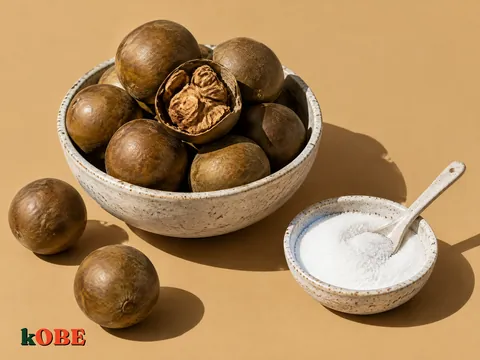
What is monk fruit sweetener? 6 fun facts about the sweet stuff that isn't sugar
One spoon of monk fruit extract is as sweet as a hundred spoons of sugar. Why it tastes sweet while your body gets almost no calories, and what's in the jar.
Read →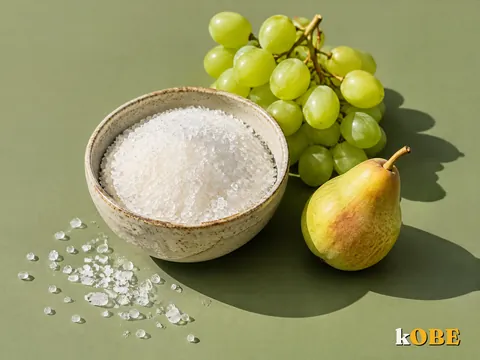
What is erythritol? The cool little crystal that always sits next to monk fruit
Erythritol occurs naturally in grapes and pears, is about 70% as sweet as sugar with almost zero calories. Why it feels cool and why it pairs with monk fruit.
Read →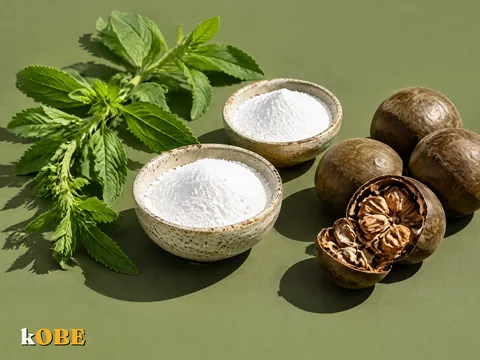
Stevia vs monk fruit: two super-sweet siblings from opposite ends of the world
One is a South American leaf, the other a fruit from southern China. Both are hundreds of times sweeter than sugar. How stevia vs monk fruit differ in cooking.
Read →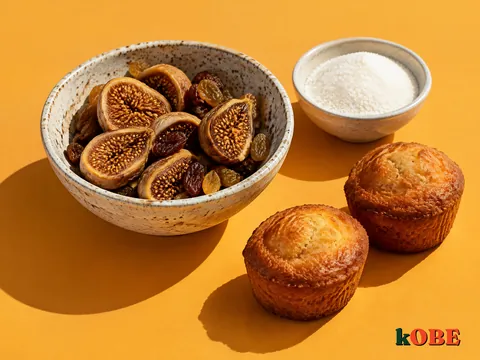
What is allulose? The rare sugar in dried figs that browns like sugar with almost no calories
Allulose is a twin of fructose that differs by one tiny detail. Why it tastes sweet and browns in the oven while your body takes almost no calories from it.
Read →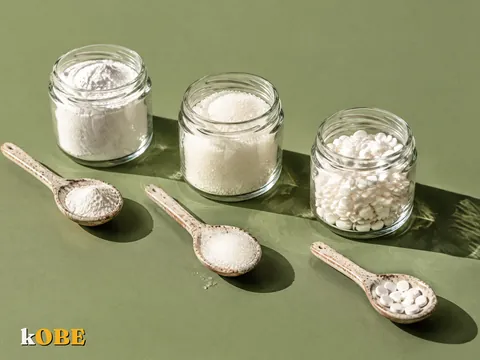
Maltitol, sucralose, aspartame: what are they? And why the kOBE kitchen picked a different set of sweeteners
Three names you see on sugar-free candy and diet soda. Where maltitol, sucralose and aspartame shine, and the three criteria behind the kOBE kitchen's choice.
Read →Rice, grains & starch
See all 21 →Starch is not the enemy. Fun facts about rice, sweet potatoes and the everyday bowl.
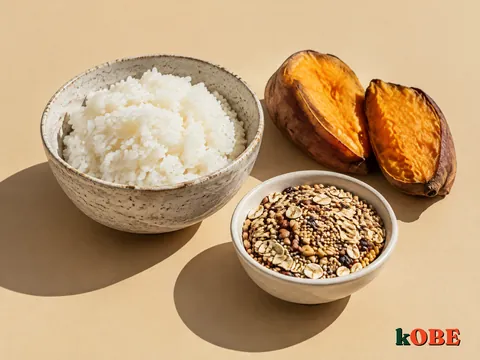
Starch is not the enemy: what a bowl of rice, a sweet potato and a handful of grains really do
What is starch, why does rice taste sweeter as you chew, how is it different from refined sugar, and how much rice fits your day? Read before you quit rice.
Read →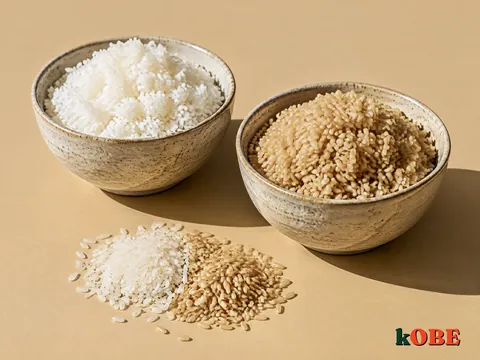
Brown rice vs white rice: almost the same calories, so what is the difference?
Brown rice vs white rice: nearly the same calories. The real difference hides in a bran layer thinner than paper: fiber, vitamins B1 and E, and rancid oils.
Read →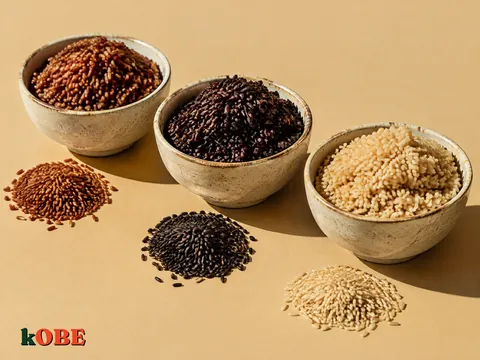
Red, black or plain brown rice: what is the color of your rice trying to tell you?
Where the red and purple-black of brown rice come from, why lime turns black rice soaking water pink, and how to choose red vs black brown rice or plain brown.
Read →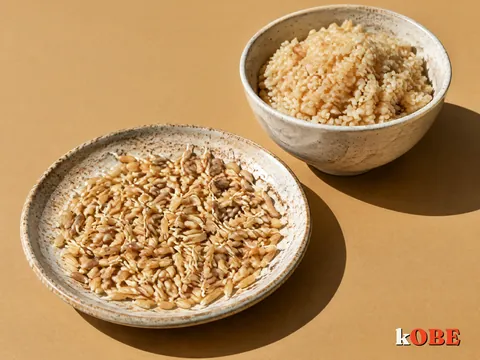
What is germinated brown rice? When a grain "wakes up" before it hits the pot
Sprout brown rice a little and it cooks softer, tastes sweeter, and GABA rises 4 to 13 times. What germinated brown rice is, what is proven, and how to make it.
Read →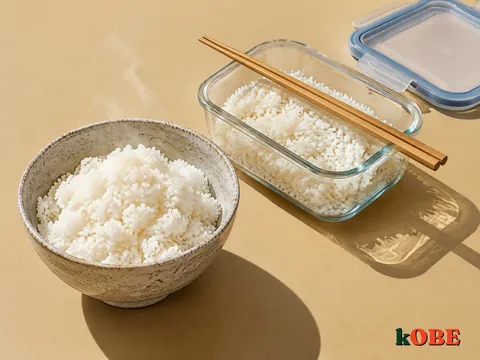
Is cold rice different from hot rice? The surprising science in your fridge
Why fridge rice turns hard, why rice on warm stays soft all day, and the truth about resistant starch in cold rice: it is real, but smaller than you think.
Read →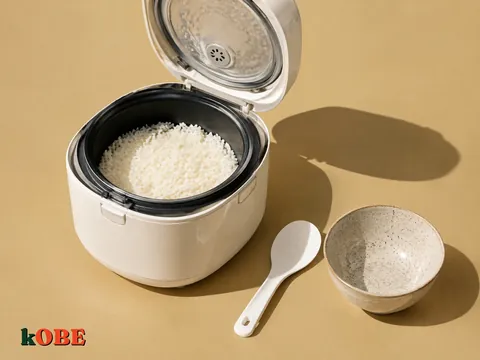
How long does cooked rice last? The invisible clock inside your rice cooker
How long does cooked rice last on the counter, on the warm setting, in the fridge and in the freezer? Clear time limits for a city as hot as Saigon.
Read →Protein
See all 17 →How much, from where, and when. Protein is simpler than you think.
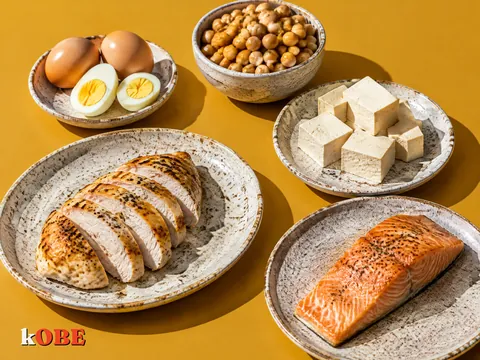
What is protein, how much do you need, and when should you eat it? A map for people who have never counted a gram
Your body takes apart and rebuilds hundreds of grams of protein every day. What protein is, how much you need, which dishes supply it and how to split it.
Read →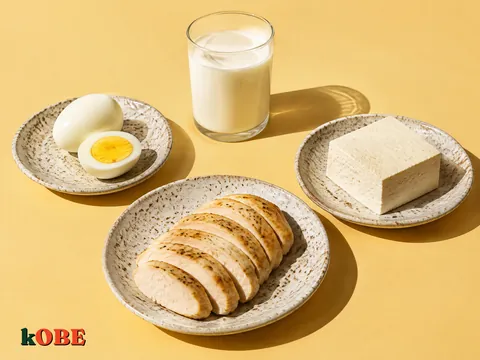
How many grams of protein do you need a day? A 10-second sum and a few surprising numbers
A 60kg adult needs about 50g of protein a day, roughly one chicken breast plus 3 eggs. How to work out your own, when you need more and how to split it.
Read →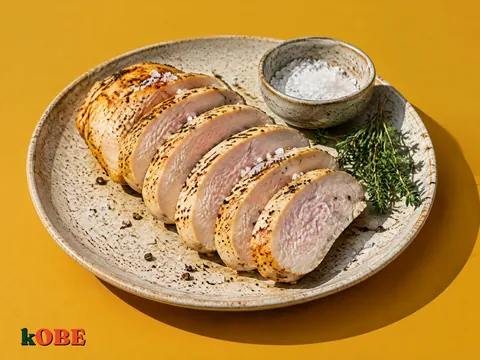
How much protein is in 100g of chicken breast? An easy question that trips up a lot of people
Raw chicken breast has 22g of protein; grilled, it becomes 31g. No protein grows in the pan, only water leaves. How to count it right, and how much you need.
Read →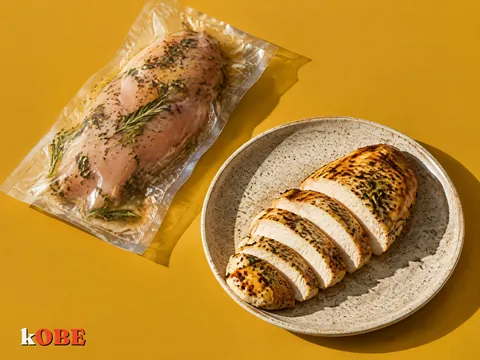
What is sous vide? The secret to juicy chicken breast is a few degrees Celsius
Sous vide means cooking meat in a vacuum bag in water held at a steady heat. Why a few degrees decide juicy or dry chicken breast, and how to try it at home.
Read →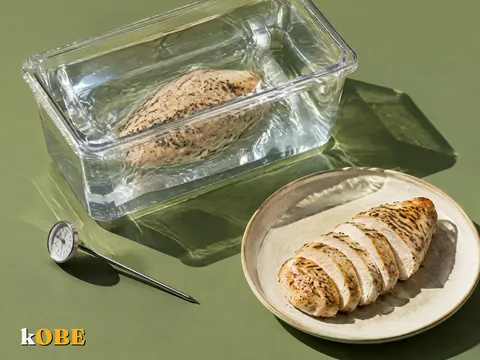
What temperature is safe for sous vide? Low heat, but time is the real key
Chicken is safe at 74°C in an instant, or at 60°C if held long enough. Why a safe sous vide temperature is about time too, plus 5 rules for cooking at home.
Read →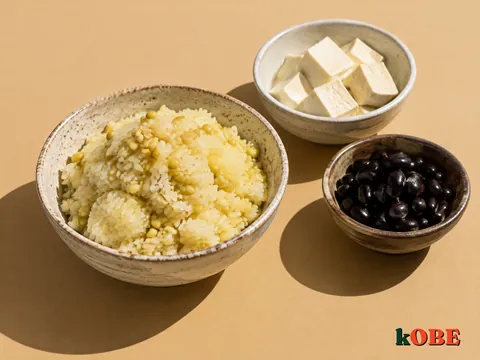
Complete protein and plant protein: the secret behind Grandma's sticky rice with mung beans
Rice is low in lysine, beans in methionine, yet together they fit. What complete protein means, how to pair plant protein, and whether it must be one meal.
Read →Fats, oils & sauces
See all 12 →Which oil to fry with, which sauce is lighter, and why fat is not scary.
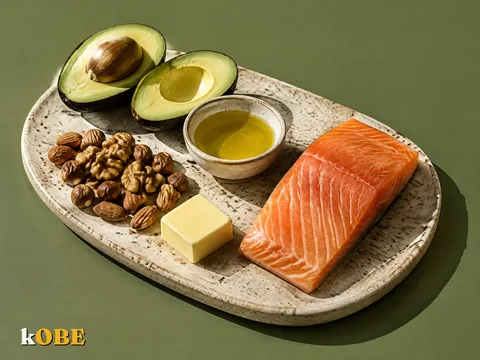
Fat is not the villain: which kind, how much, and how to cook with it
One tablespoon of oil has almost the calories of 100g of rice. Which fats your body needs, how much to eat, which oil for which job, and where fat hides best.
Read →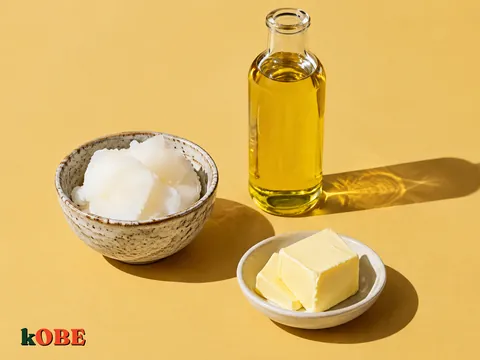
Why does lard set solid while cooking oil stays runny? Saturated, unsaturated and trans fat explained
Lard turns solid in the fridge while soybean oil stays runny. The secret is the shape of the fat chain. Saturated, unsaturated and trans fat made easy.
Read →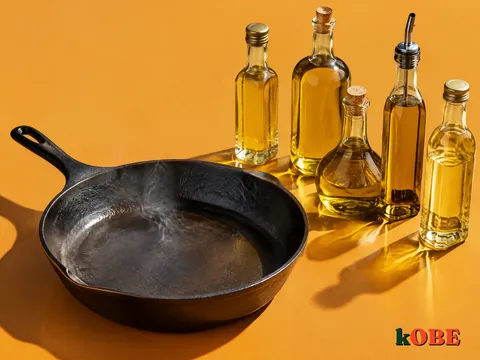
A smoking pan is a cry for help: smoke points and picking the right oil for each dish
Why a smoking pan stings your eyes, a smoke point chart for common cooking oils in Vietnam, and why picking a frying or salad oil takes more than one number.
Read →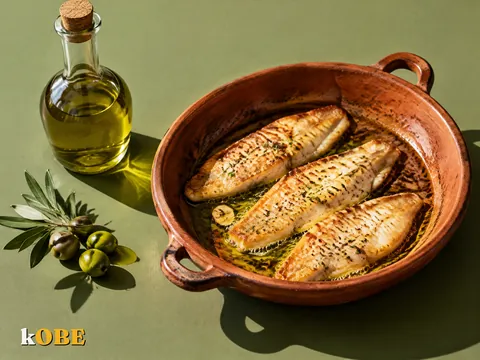
Can you fry with olive oil? The Spanish have been frying fish in it for centuries
They say olive oil is only for salads and frying ruins it. The smoke point doesn't tell the whole story. How to read extra virgin, light and pomace labels.
Read →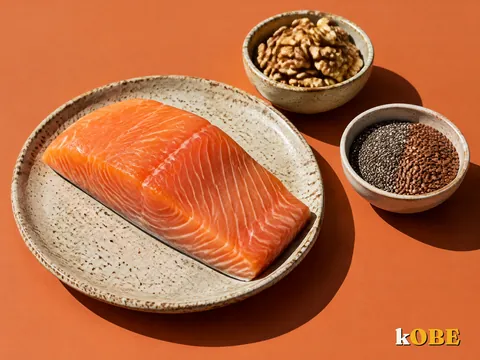
What is omega-3? Why salmon is rich in it even though it never makes any
Salmon doesn't make omega-3, it gets it from algae. What omega-3 and omega-6 are, how ALA, EPA and DHA differ, how much fish a week, and plant-based sources.
Read →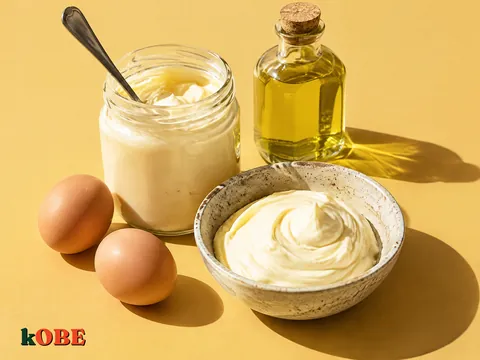
What is mayonnaise made of? Three quarters of the jar is oil, and you never notice
Regular mayo is about 75% oil, so one tablespoon is nearly 100 calories. Why oil and vinegar agree to mix, what bánh mì egg butter is, and how to read labels.
Read →Labels, calories & macros
See all 11 →Read a nutrition label in one minute.
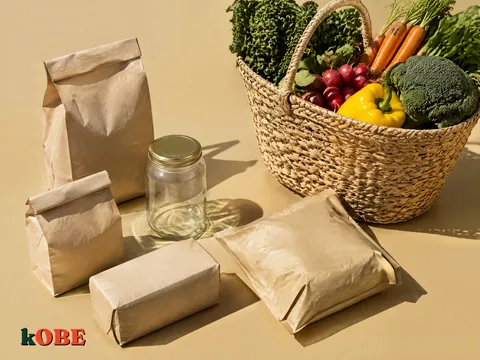
Read a nutrition label in one minute: 5 quick glances in the supermarket aisle
Flip a milk carton and meet a wall of tiny numbers. Five glances in one minute show what is inside: serving, calories, macros, sugar, sodium, ingredients.
Read →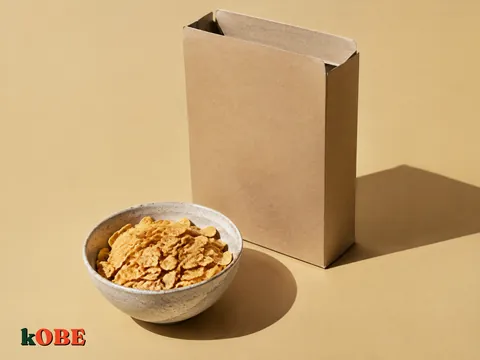
How to read a nutrition facts table: top to bottom, no line left behind
What indented lines mean, how the 100ml column differs from the carton one, why 0 may not mean none. How to read a nutrition facts table, line by line.
Read →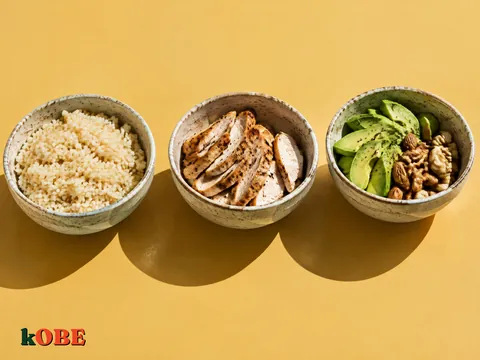
What are macros? The three "main characters" already in your bowl of phở
Macros sound like gym talk, yet Vietnamese family meals balanced them long ago. What protein, fat and carbs do, and why the right ratio is wider than you think.
Read →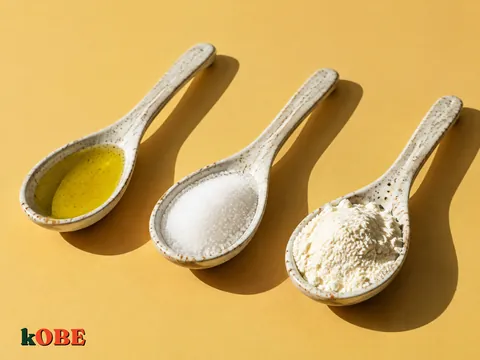
What is a calorie? Why 1g of fat "weighs" twice as much as 1g of protein or carbs
Scientists once burned food in a steel box to measure it. What is a calorie, calories per gram of protein, fat and carbs, kcal vs kJ, and adding up a label.
Read →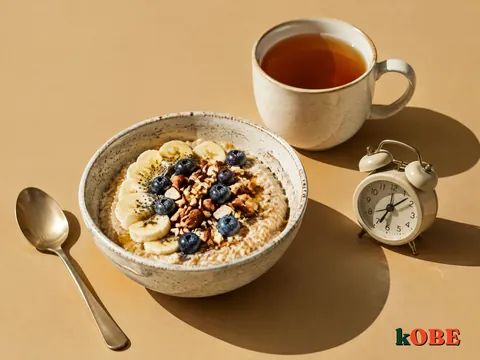
What are BMR and TDEE? Your body spends energy even while you sleep
Lying around all Sunday, you still burn over a thousand calories to breathe and think. What are BMR and TDEE, how to estimate them, and why all are estimates.
Read →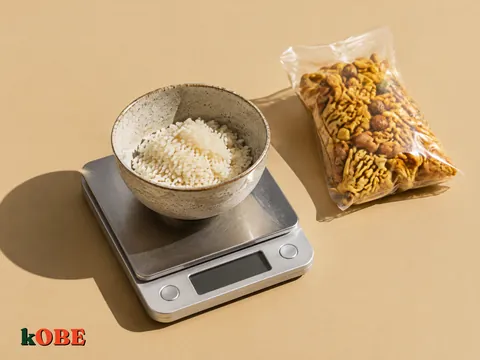
Serving size vs "per 100g": why kOBE lists numbers per 100g
A snack bag says one serving is 25g, but who eats exactly 25g? Who sets serving size on a nutrition label, why per 100g compares better, and a 5-second trick.
Read →Meal prep & food storage
See all 12 →Cook once, eat all week, and keep it safe.
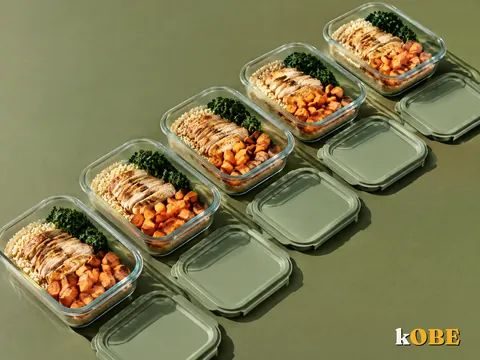
What is meal prep? Cook once, eat all week, without the boredom or the worry
Meal prep isn't 20 identical boxes. How to build meals from cooked basics, how long they keep in the fridge, when to use the freezer, and 5 keys to food safety.
Read →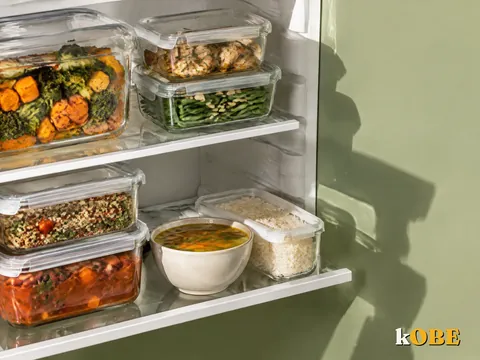
How long does cooked food last in the fridge? Your nose is not a detector
How long do braised pork, soup, chicken and boiled eggs keep in the fridge? USDA and NHS timelines, why smelling fine isn't proof, and when the clock starts.
Read →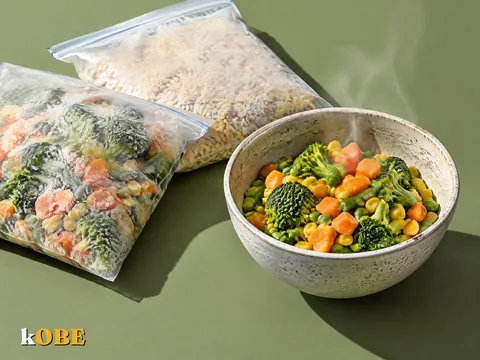
Does freezing food lose nutrients? Your freezer gets blamed far more than it deserves
Protein, fat and starch barely change in the freezer. What about vitamin C? Why frozen meat turns mushy, whether freezer burn is harmful, and what freezes well.
Read →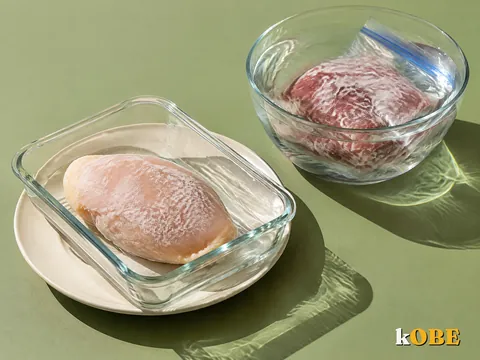
Three safe ways to thaw food, and why the kitchen sink isn't on the list
Leaving frozen meat on the counter to thaw is a common but risky habit. The 3 safe USDA thawing methods, how long each takes, and if you can refreeze after.
Read →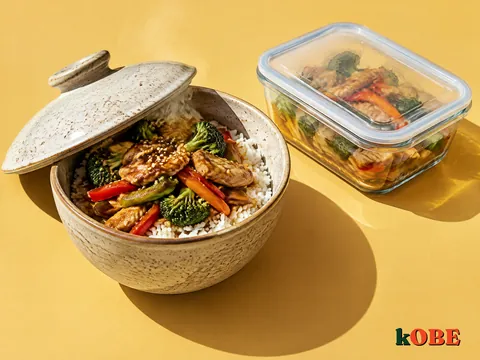
Reheating food in the microwave: why is the edge scalding but the middle still cold?
Why is microwaved food hot at the edges and cold in the middle? Four moves: cover, stir, rotate, rest. Which boxes are safe, how hot is enough, and nutrients.
Read →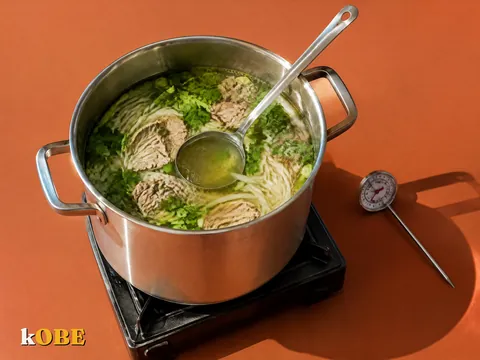
What is the temperature danger zone? Why a pot of soup left on the stove all evening is worth worrying about
Between 5 and 60°C, bacteria can double in about 20 minutes. What the temperature danger zone is, the 2-hour and 1-hour rules, and why reboiling isn't enough.
Read →Veggies, fiber & gut
See all 11 →Fiber and the tiny friends living in your gut.
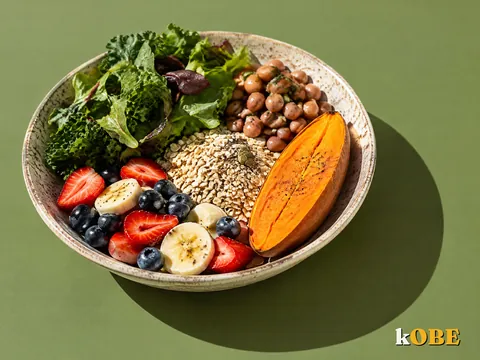
Fiber and your gut microbiome: every meal feeds 38 trillion dinner guests
About 38 trillion bacteria live in your gut, and their food is fiber. What science knows for sure, what is still being studied, and how to feed them well.
Read →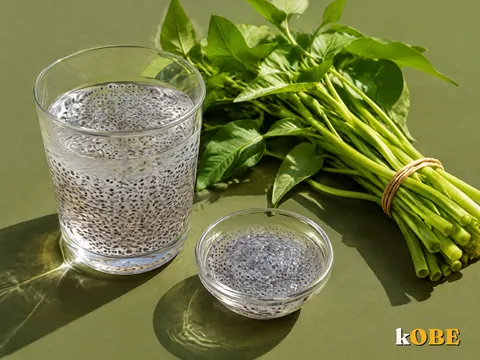
Soluble vs insoluble fiber: why basil seeds swell and morning glory stems do not
Soaked basil seeds turn into gel, morning glory stems stay crisp. Soluble vs insoluble fiber do two different jobs, and a Vietnamese meal already has both.
Read →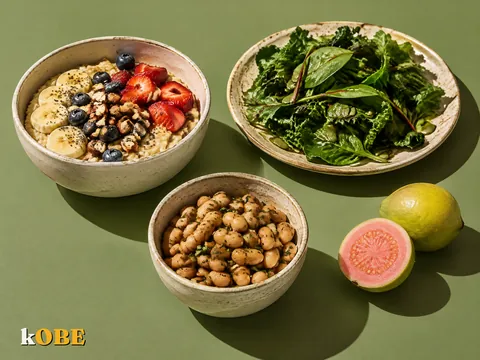
How much fiber per day? The 25g target, and why one plate of greens is not enough
WHO says adults need at least 25g of fiber per day. A plate of morning glory gives about 3g. Here is how to reach 25g from Vietnamese meals, no rabbit diet.
Read →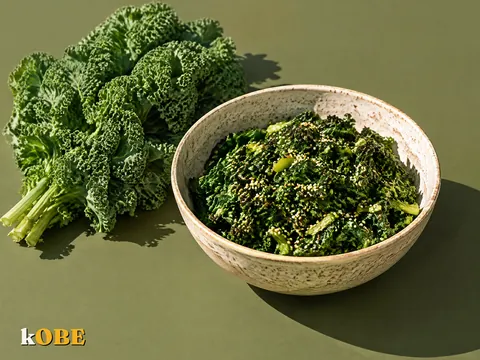
What makes kale so famous? A cabbage cousin, and the secret of massaging your greens
Kale nutrition facts: a close cousin of cabbage, with as much vitamin C as an orange and triple your daily vitamin K. Plus why Koreans massage it with oil.
Read →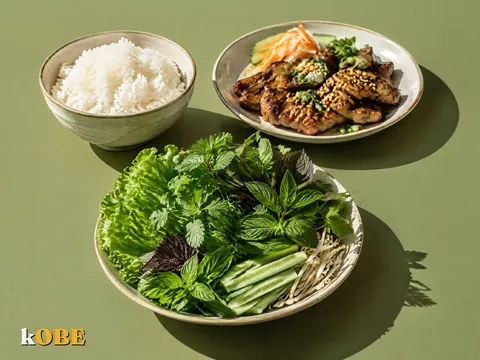
Eat vegetables before carbs: same meal, different order, does it really matter?
Same meal, but eat vegetables before carbs, meat next and rice last, and blood sugar rises more gently. What science says about food order, and how to try it.
Read →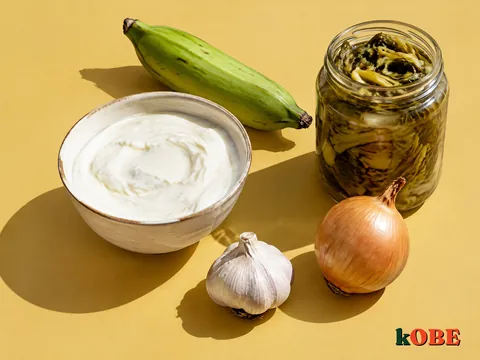
Prebiotics vs probiotics: one is the seed, the other is the fertilizer
Probiotics are live bacteria, prebiotics are their food. Prebiotics vs probiotics: one letter apart, two very different jobs. What is proven and what is hype.
Read →Plant milks & drinks
See all 8 →What to drink every day, the easy way.
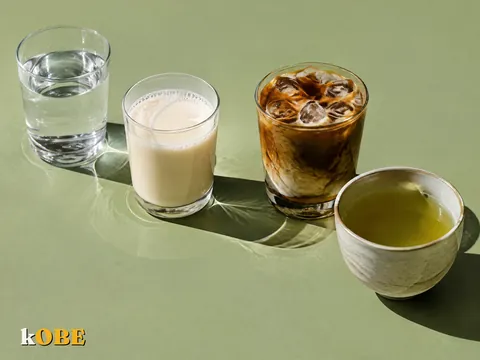
What should you drink every day? Water, plant milk, coffee and tea, mapped for Saigon life
Morning coffee, noon iced tea, afternoon milk tea. Drinks are where sugar and caffeine hide best. A simple map for picking your daily cup, favorites included.
Read →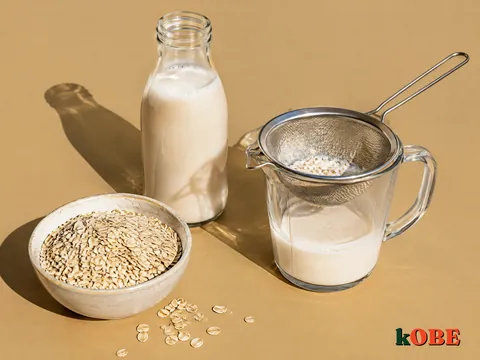
How is oat milk made? Why "no added sugar" oat milk still tastes lightly sweet
Oats have no udders, so where does oat milk come from? Four steps from grain to glass, why homemade turns slimy, and why unsweetened oat milk tastes sweet.
Read →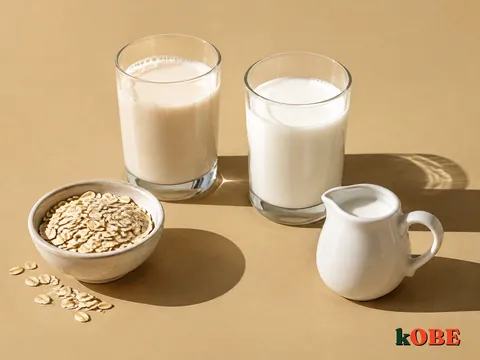
Oat milk vs cow's milk: the same 34 calories, but different where you'd never expect
Unsweetened oat milk and skim cow's milk have almost the same calories, yet protein differs fivefold. Compare nutrition, lactose and calcium to pick your glass.
Read →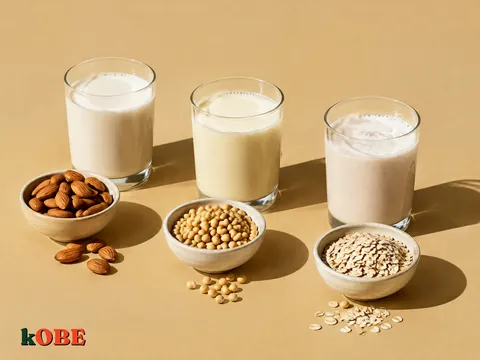
Almond, soy or oat milk: which to choose? There's no "champion", just the glass that fits you
Soy milk is high in protein, almond milk low in calories, oat milk creamy in coffee. Compare three popular plant milks and what to ask before you pick.
Read →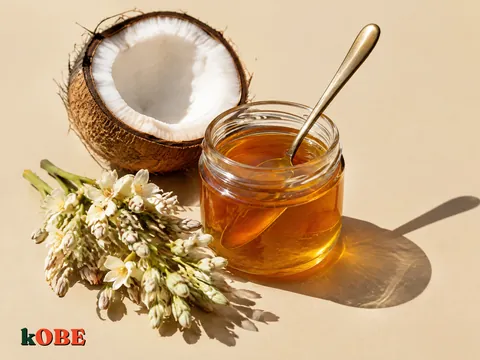
What is coconut nectar? Fragrant, golden, deeply Mekong, and still sugar
Coconut nectar is cooked from coconut blossom sap, with a caramel aroma and a Vietnamese story. But it's mostly sucrose. GI, minerals and how to use it.
Read →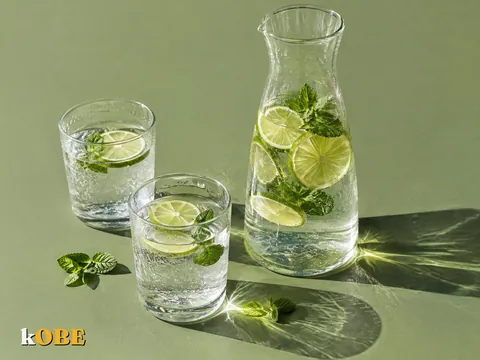
How much water should you drink a day? The "8 glasses" story and the half sentence everyone forgot
The 8 glasses of water rule lost half its sentence: most water comes from food. How much you really need, what Saigon heat changes, and if coffee counts.
Read →Vitamins & minerals
See all 14 →Get your vitamins from meals, not from a bottle.
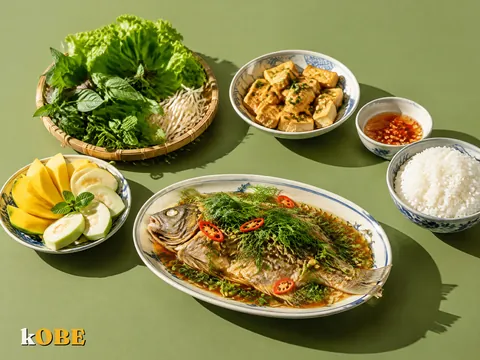
Vitamins and minerals: a tiny treasure chest already sitting on your dinner table
All 13 vitamins you need daily weigh about as much as a few mung beans. Where to find vitamins and minerals from food in Vietnamese dishes, and what to pair.
Read →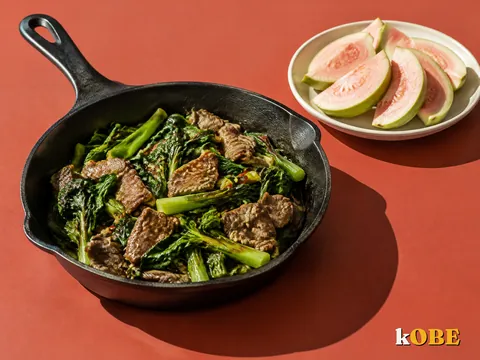
Where is the iron? Popeye, cast-iron pans and a plate of guava after dinner
Spinach is not the iron king Popeye promised. Which iron-rich foods Vietnamese dishes really offer, why guava helps absorption, and when to drink your tea.
Read →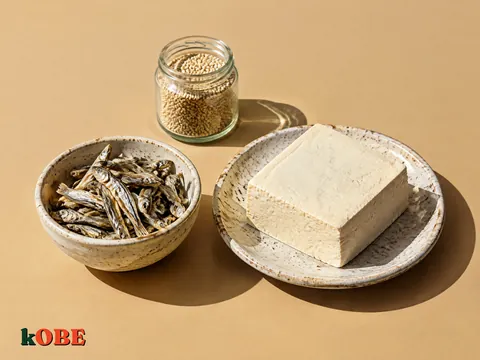
No cow's milk? Ask the dried anchovies, the tofu and the sesame jar where the calcium is
No cow's milk? Calcium-rich foods like dried anchovies, tofu, sesame and mustard greens have you covered. Why spinach holds its calcium tight, and a bone trick.
Read →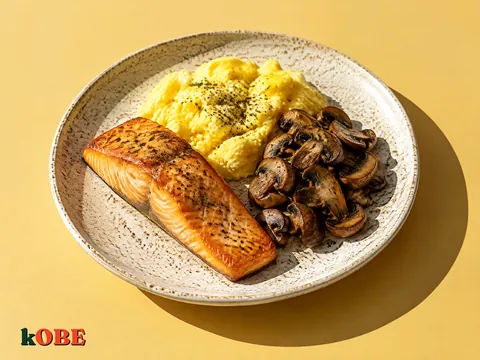
Vitamin D: the "sunshine vitamin" you can still run short on in a sunny country
Few vitamin D foods exist: oily fish, egg yolks and an odd trick with sun-dried mushrooms. Why life in sunny Ho Chi Minh City can still mean too little sun.
Read →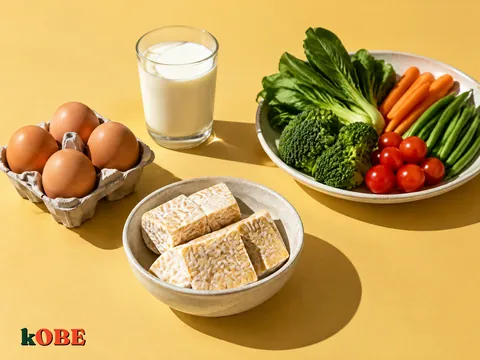
Vitamin B12 and vegetarians: the vitamin neither plants nor cows can make themselves
B12 is made by bacteria, not plants or animals. Where part-time, lacto-ovo and vegan eaters get vitamin B12 for vegetarians, and why seaweed falls short.
Read →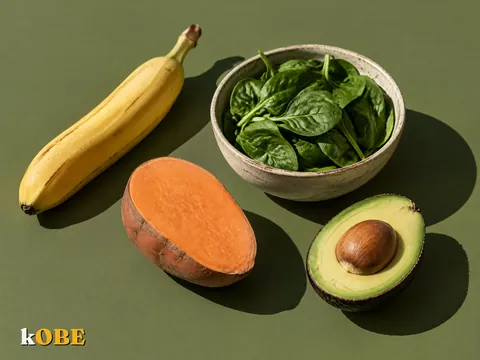
Potassium in vegetables: the banana is the most famous, but not necessarily the richest
Bananas are famous, but potassium in vegetables like sweet potato, amaranth and beans keeps up. How many bananas you would need, and why soup keeps potassium.
Read →Food myths
See all 16 →What everyone says, and what the science actually says.
Eight food myths everyone has heard, and what the science really says
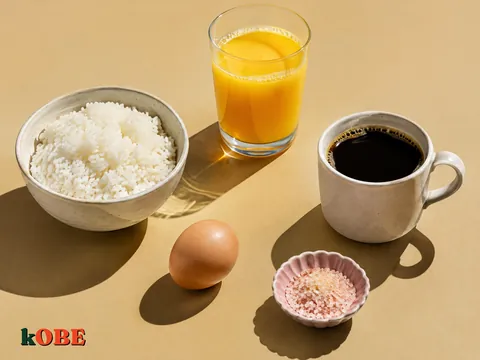
Eating after 8pm, skipping breakfast, bad carbs, juice detox: eight common food myths, why so many people believe them, and what the science really says.
Read →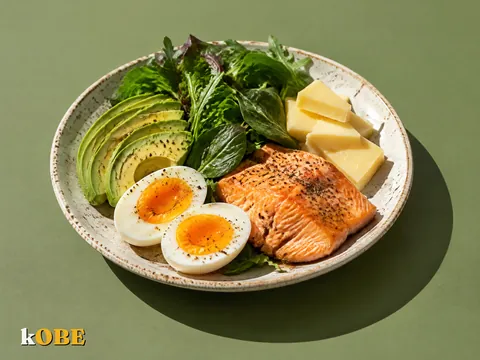
What is keto? How your body switches fuel, and who it suits
What is keto, and why is the whole office quitting rice? How your body switches fuel, what science is sure of, what is debated, and who should ask a doctor.
Read →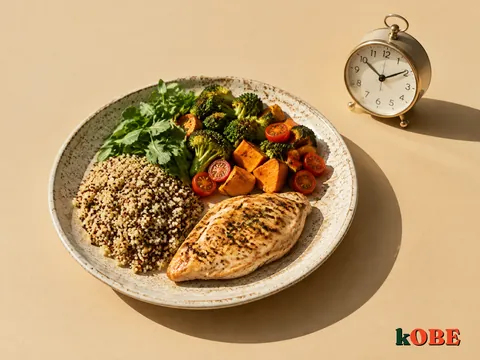
16:8 intermittent fasting: a magic clock, or just a way to schedule meals?
16:8 intermittent fasting means eating in 8 hours and resting for 16. Why many people like it, what big trials found, and who should ask a doctor before trying.
Read →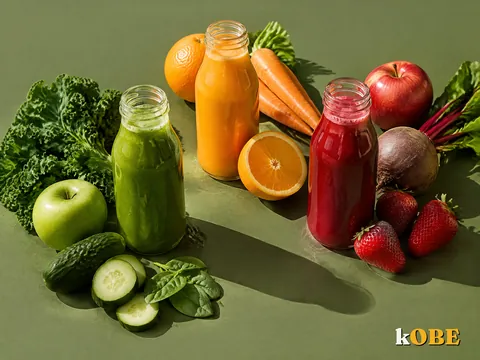
Does a juice detox really flush out toxins? You were born with a cleanup crew
Can three days of celery juice really flush out toxins? Your body has its own cleanup crew. Why a detox feels light, and how to enjoy juice with less sugar.
Read →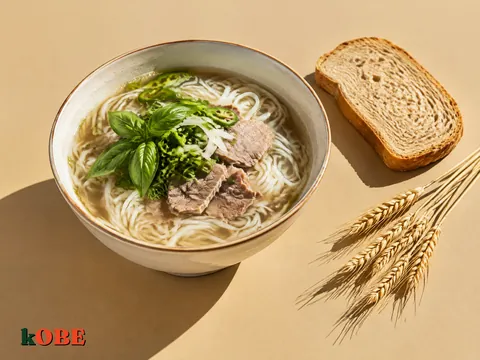
Is gluten-free healthier? Good news: your bowl of phở never had wheat in it
What gluten is, who truly needs to avoid it, and why gluten-free biscuits are not always healthier. Plus a fun fact: bún and phở are made from rice, not wheat.
Read →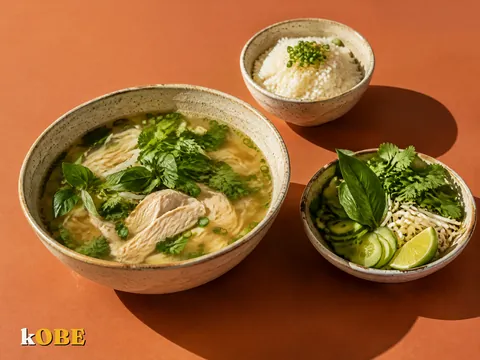
Is eating dinner after 8pm bad? Your body clock does not ring a bell at 8
Does eating dinner after 8pm store fat? Your body clock is real, but it does not ring at 8. What science knows, and how to eat dinner when your shift ends late.
Read →Eating for your lifestyle
See all 12 →Office days, training, plant-based: every rhythm has its way of eating.
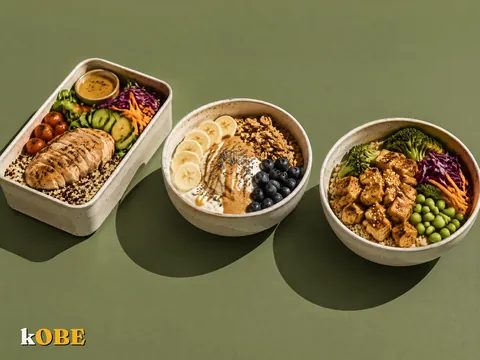
One plate, three rhythms: how office workers, athletes and vegetarians should eat differently
Eating for your lifestyle: a desk worker, a runner and a vegetarian need different tweaks to the same plate. One easy plate model and how to tune it to you.
Read →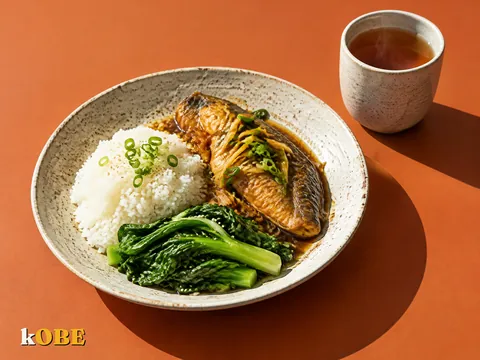
Sleepy after lunch: is it the rice, or your body clock?
Sleepy after lunch? The 2 p.m. slump hits even if you skip lunch, but a heavy plate makes it worse. How to order at an office rice shop, plus a 10-minute trick.
Read →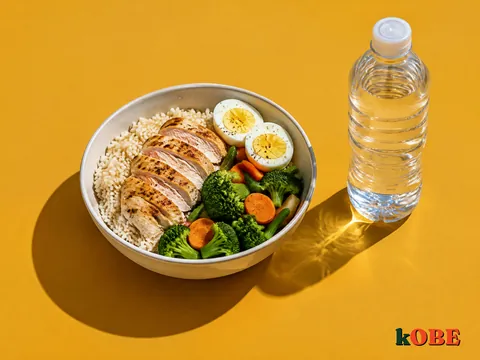
What to eat on gym days? No need for six egg whites and a pot of bland boiled chicken
What to eat on gym days: lifters need about 1.4 to 2g of protein per kilo, but not all at dinner. How to split protein, eat enough carbs and time your meals.
Read →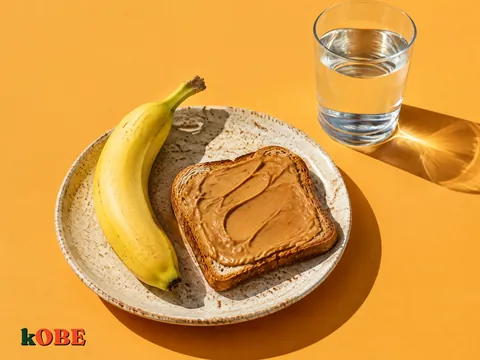
What to eat before and after running? The small fuel tank you carry every morning
What to eat before and after running, Vietnamese style. Your glycogen tank lasts about 90 minutes to 2 hours, so here's how to fuel short and long runs.
Read →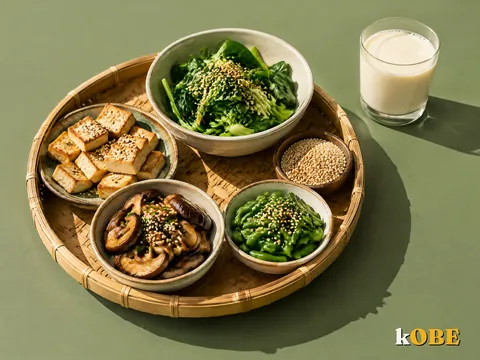
What do vegetarians miss out on? Five puzzle pieces to watch when you drop meat and fish
Vegetarian diet nutrient gaps start with B12, which neither plants nor animals make. Five nutrients to watch and how to fill them with everyday Vietnamese food.
Read →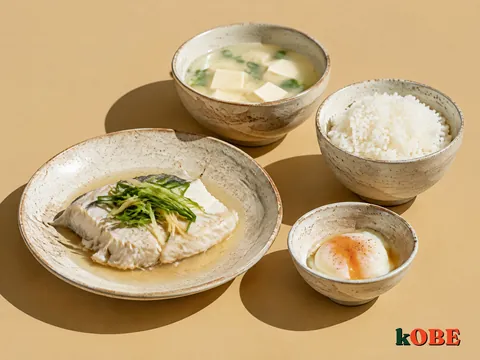
The older you get, the more protein you need: the upside-down truth in Grandma's rice bowl
Protein needs for older adults go up, to about 1 to 1.2g per kilo, even as appetite shrinks. Why aging muscles hear protein less and how to add it to meals.
Read →Library
Look up ingredients and terms while you read.