Five a.m. in the park. The paths are already packed with runners. One just finished a cà phê sữa (coffee with condensed milk). One hasn't eaten since last night. One is still chewing half a bánh mì (Vietnamese baguette) at the start line.
Who's right? The surprising answer: maybe all three. It depends on how far you plan to run.
In this article
Your body carries a small fuel tank
The starch you eat is stored in your liver and muscles as glycogen. It's your main fuel tank when you run fast or run long.
The tank isn't big. For many people, glycogen covers about 90 minutes to 2 hours of steady running. Push past that without refueling and you may "hit the wall": legs like lead, head in a fog.
Fat is fuel too, and your body stores plenty of it. But burning fat is slow, like a charcoal stove. Glycogen is a gas stove: turn the knob and the flame jumps up. If you want to run fast, you need the gas stove.
Short runs, long runs: eat differently
| The run | Before running | During the run |
|---|---|---|
| Under 60 minutes, easy | No need to eat, drink a little water | Water as needed |
| 60 to 90 minutes | A light, starchy meal 1 to 3 hours before | Water, maybe a little starch |
| Over 90 minutes | A starchy meal 2 to 4 hours before | About 30 to 60g of starch per hour |
30 to 60g of starch per hour is hard to picture. In real food: about one to two bananas per hour of running, or a few energy gel packs.
An easy run on an empty stomach in the morning is normal for many people. But if you feel dizzy, shaky or out of power, eat something light before heading out.
What to eat before running? The Vietnamese kitchen is full of options
Your pre-run meal should be high in starch, low in fat, low in fiber, with moderate protein. The reason: fat and fiber digest slowly and can leave your stomach heavy or give you a side stitch.
A few ideas by timing:
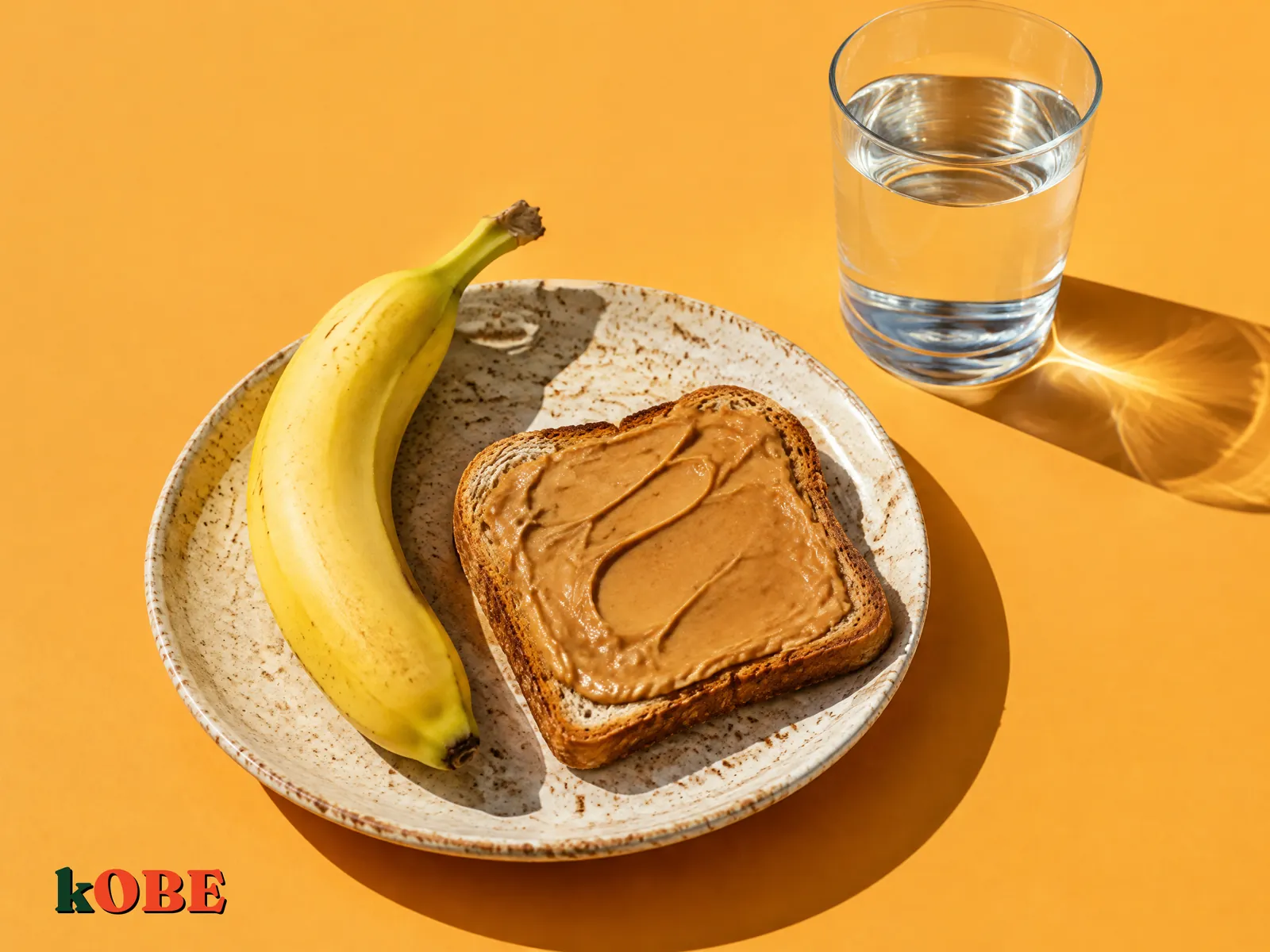
- 30 to 60 minutes before: a banana, a few slices of bread, a drinkable yogurt.
- 1 to 2 hours before: a bánh mì with egg and not much butter, a small handful of xôi (sticky rice), a boiled sweet potato.
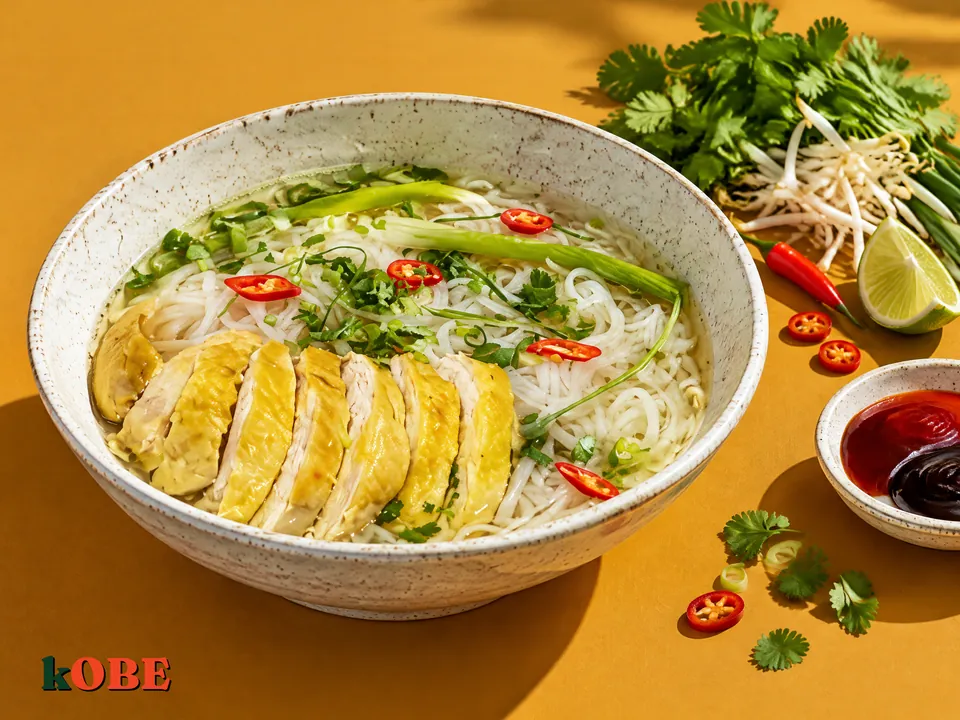
- 2 to 4 hours before: a bowl of phở, a bowl of rice with egg or lean meat, not too many raw greens.
One golden rule among runners: never try a new food on race morning. Whatever you've tested in training and found easy on the stomach, stick with exactly that.
After running: refuel and patch up your muscles
After a long run, your body needs two things. Starch to refill the glycogen tank. Protein to repair the muscle fibers that just worked hard.
Keep it simple. A bowl of phở gà (chicken phở), a plate of rice with fish and greens, or a glass of milk with a bánh mì all do the job well. After a short, easy run, your next normal meal is enough.
If two runs are close together, like running this afternoon and again tomorrow morning, eat sooner after the first one. Your tank will have more time to fill back up.
Water: don't get too thirsty, don't force it either
Saigon is hot and humid all year. You may sweat more on a run than you realize.
Three simple tips:
- Drink a glass of water about 2 to 4 hours before running, so your body has time to use it and get rid of the extra.
- On long runs, drink to thirst, in small sips.
- Weigh yourself before and after a run. However many grams you lose is roughly the water you lost. A 1kg drop is about 1 liter of water. Drink it back gradually over the next few hours.
Don't force down lots of plain water when you're not thirsty. For very long runs in the heat, water with a little mineral salt suits you better than plain water alone.
Inside the kOBE kitchen
Sweet potato fits runners pretty well: plenty of starch, easy to digest, easy to carry. kOBE's Japanese, Purple and Honey Sweet Potatoes are roasted with a little olive oil, diced, then frozen. Each 100g has 122, 114 and 139 calories respectively.
After a long run, a 200g pack of White Rice (130 calories and 28g of carbs per 100g) paired with Sous Vide Chicken Breast (31g of protein per 100g) covers both starch and protein. Reheat in the microwave on low and your recovery meal is ready. See them on our Ingredients page.
Frequently asked questions
Is it okay to run in the morning on an empty stomach?
Do I need electrolyte drinks?
Do I need to eat right after running?
Keep reading
Sources
- Thomas D.T., Erdman K.A., Burke L.M. (2016). American College of Sports Medicine Joint Position Statement: Nutrition and Athletic Performance. Medicine & Science in Sports & Exercise 48(3):543 to 568.
- Burke L.M. et al. (2011). Carbohydrates for training and competition. Journal of Sports Sciences 29(sup1):S17 to S27.
- Kerksick C.M. et al. (2017). International Society of Sports Nutrition position stand: nutrient timing. Journal of the International Society of Sports Nutrition 14:33.
- Sawka M.N. et al. (2007). American College of Sports Medicine position stand: Exercise and fluid replacement. Medicine & Science in Sports & Exercise 39(2):377 to 390.
- Further reading: Campbell B., Sports Nutrition; Understanding Nutrition 16th ed.