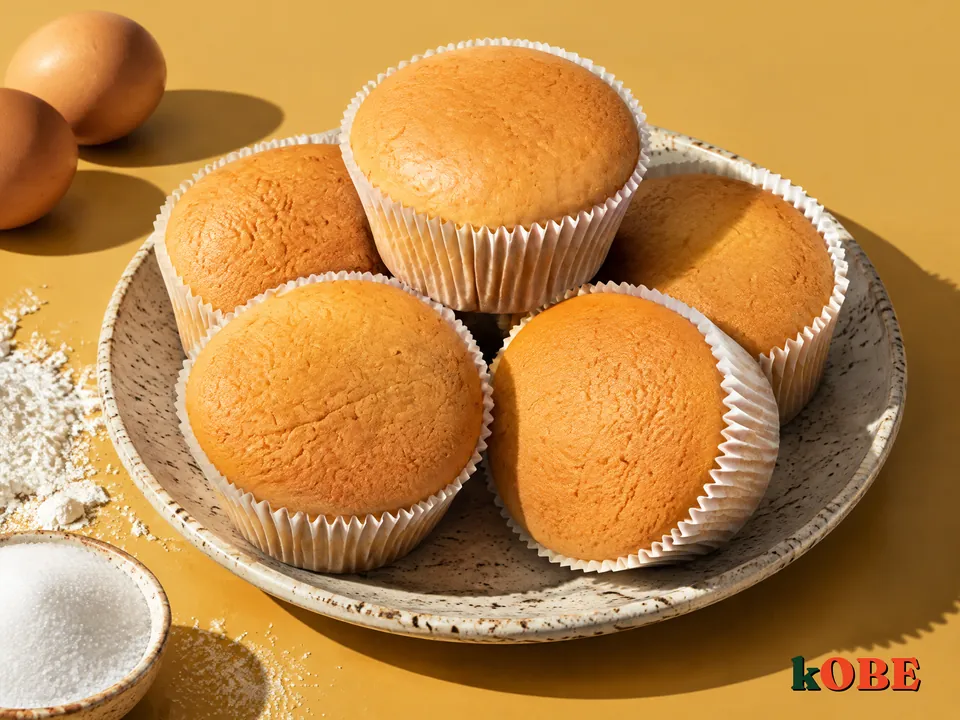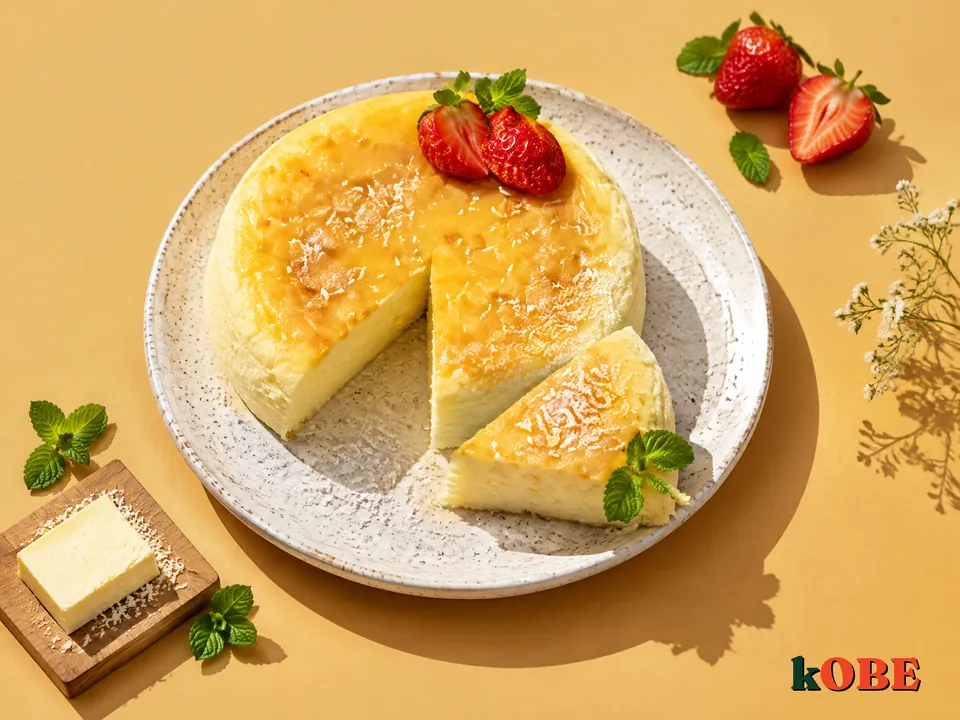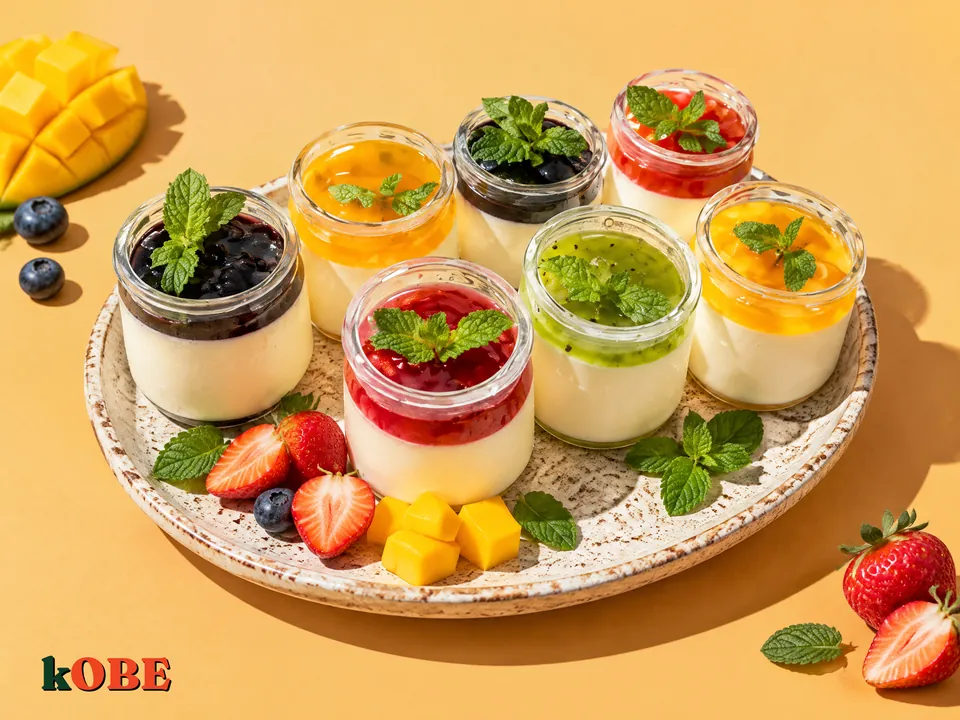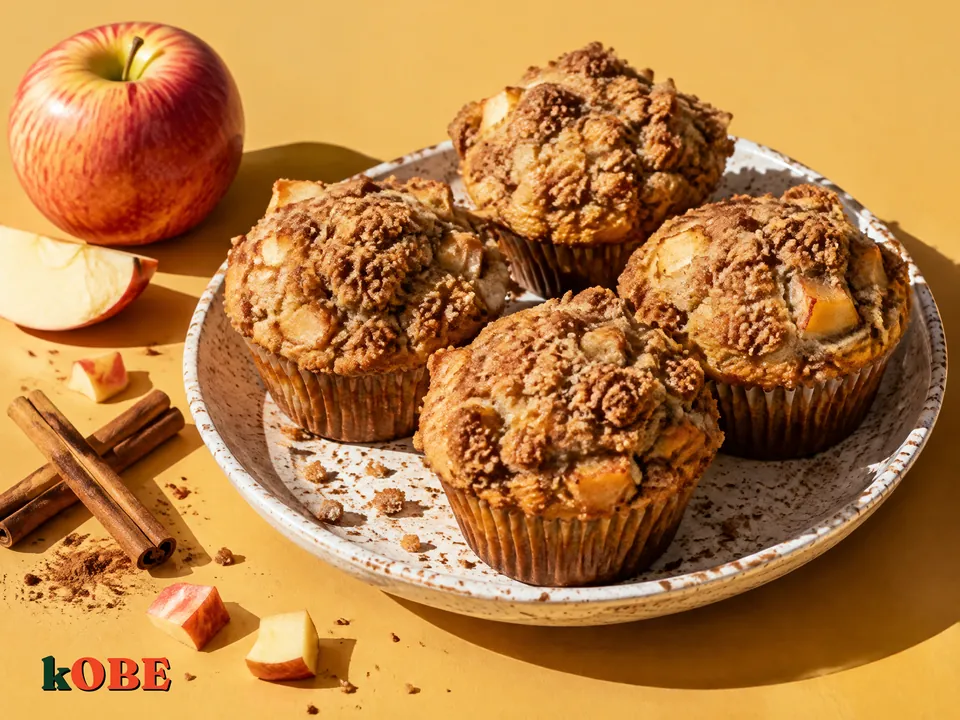
The first bite of a sugar-free cake surprises a lot of people. It's pleasantly sweet and buttery. But on the tip of the tongue there's a light cool feeling, like a very faint mint.
That cool feeling has a name. It comes from erythritol, the tongue-twister at the top of the ingredient list on so many jars of sugar substitute.
It sounds like something from a lab. But its story is closer to a bunch of grapes and a bottle of soy sauce than you'd think.
In this article
- Sounds like a chemical, but it's already in grapes
- About 70% as sweet as sugar, almost zero calories
- A guest who passes through without staying
- Why does it feel cool on your tongue?
- Why do erythritol and monk fruit make such a good pair?
- Cooking with erythritol: four things to know
- Inside the kOBE kitchen
- Frequently asked questions
Sounds like a chemical, but it's already in grapes
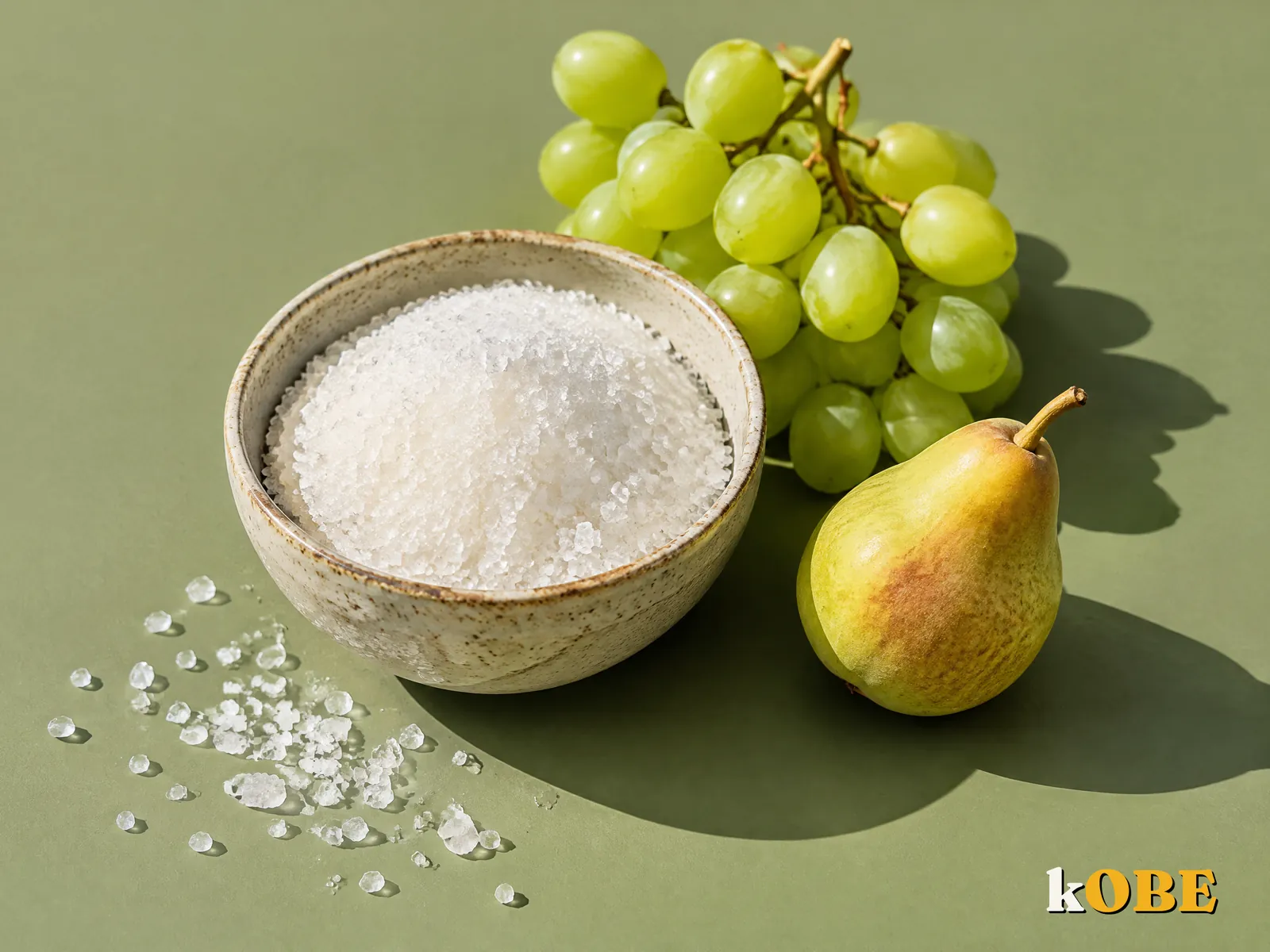
Erythritol shows up in small amounts in lots of familiar foods: grapes, pears, watermelon, mushrooms. It also appears in fermented things like soy sauce and wine.
The amount in fruit is far too small to turn into a powder. So erythritol is made by fermentation. The starting point is usually glucose from corn starch. A yeast "eats" the glucose and produces erythritol. Then it's filtered and crystallized into white grains that look like sugar.
Erythritol belongs to the sugar alcohol family. Don't worry about the word "alcohol." It's just how chemists name a certain kind of molecular structure. There's no booze in it and it won't make anyone tipsy.
About 70% as sweet as sugar, almost zero calories
Put a spoon of erythritol next to a spoon of sugar and you'll find erythritol is a bit milder. About 60 to 70% of the sweetness of cane sugar.
The calories are the real surprise:
| One teaspoon (about 4g) | Calories |
|---|---|
| White sugar | about 16 kcal |
| Erythritol | under 1 kcal |
So a whole spoon of erythritol carries about as many calories as a few grains of sugar. How can that be? The answer lies in the path it takes through your body.
A guest who passes through without staying
Cane sugar gets split in the gut, enters the blood, and is burned by your cells for energy. Blood sugar rises along with it.
Erythritol takes an unusual route:
- Most of it is absorbed into the blood in the small intestine.
- But your cells hardly use it for energy.
- About 90% is filtered out by the kidneys into urine, almost unchanged, within about a day.
Picture a guest who drops by, takes a walk around the house and leaves without eating or drinking anything. Because the body doesn't burn erythritol, it provides almost no calories. Studies also show it doesn't raise blood sugar and insulin the way cane sugar does.
Why does it feel cool on your tongue?
Here's a little physics fun fact.
When erythritol crystals dissolve in saliva, they absorb heat from their surroundings. Your tongue loses a bit of warmth, so it feels cool. It's like rubbing alcohol on your skin: the alcohol evaporates, takes heat with it, and your skin feels cold.
That's why erythritol often turns up in chewing gum and mints. There, the cool feeling is a bonus.
In a sponge cake or a braising sauce, though, cooks usually want to soften that feeling. The usual trick is to blend erythritol with other sweeteners. And that's where monk fruit comes in.
Why do erythritol and monk fruit make such a good pair?
Look at the strengths and weaknesses of each:
| Erythritol | Monk fruit extract | |
|---|---|---|
| Sweetness | about 0.7 times sugar | about 100 to 250 times sugar |
| Has "bulk" like white sugar? | Yes | No, you need just a few specks |
| Taste | Clean, a bit thin, lightly cooling | Intense, round sweetness |
| Calories | Almost zero | Almost zero |
Monk fruit extract is far too sweet. One spoon could replace a whole jar of sugar, so nobody can measure it in a kitchen. It needs a partner with bulk, so the jar looks and measures like white sugar.
Erythritol has bulk but is a little short on sweetness. Put them together and monk fruit lifts the sweetness while erythritol handles the bulk. The result is a jar that swaps for sugar 1:1 with almost no calories.
You could say erythritol is the body and monk fruit is the soul.
Cooking with erythritol: four things to know
Erythritol is easy to use, but it has a few quirks:
- It handles heat well. Baking, braising pork, cooking chè (Vietnamese sweet soup) all work, and the sweetness stays.
- It doesn't brown and can't make caramel. Cakes baked with erythritol alone come out paler than ones made with cane sugar.
- It can recrystallize as it cools. Sauces or creams kept in the fridge sometimes turn slightly gritty. Mixing in something like allulose helps with this.
- It dissolves slowly in iced drinks. For iced coffee or iced tea, dissolve the powder in a splash of hot water first, then add ice.
If you've noticed that sugar substitute jars often have one or two more ingredients, now you know why. Each one is there to cover a small weakness of erythritol.
Inside the kOBE kitchen
In the kOBE Signature Monk Fruit Blend, erythritol is the sweet base and the bulk. It's the reason the blend looks and measures just like white sugar.
But erythritol doesn't work alone. Allulose is added so bakes turn golden in the oven and the taste is close to cane sugar. Monk fruit and a small amount of stevia lift the sweetness. Inulin is a fiber and adds no sweetness. The five ingredients cover for each other, so the blend swaps for sugar 1:1 with no bitter aftertaste.
A small storage tip: an unopened jar keeps for 24 months. Once opened, use it within 90 days and close the lid tightly after each scoop.
Frequently asked questions
Is erythritol a sugar?
Does erythritol raise blood sugar?
Why do erythritol-sweetened foods feel cool on the tongue?
Will erythritol dissolve in iced coffee?
Keep reading
Sources
- Munro I.C. et al. (1998). Erythritol: an interpretive summary of biochemical, metabolic, toxicological and clinical data. Food and Chemical Toxicology 36(12):1139 to 1174.
- Bornet F.R.J. et al. (1996). Plasma and urine kinetics of erythritol after oral ingestion by healthy humans. Regulatory Toxicology and Pharmacology 24(2):S280 to S285.
- U.S. FDA, GRAS notices on erythritol.
- Livesey G. (2003). Health potential of polyols as sugar replacers, with emphasis on low glycaemic properties. Nutrition Research Reviews 16(2):163 to 191.
- Further reading: Understanding Nutrition 16th ed., chapter 4; Culinary Nutrition.