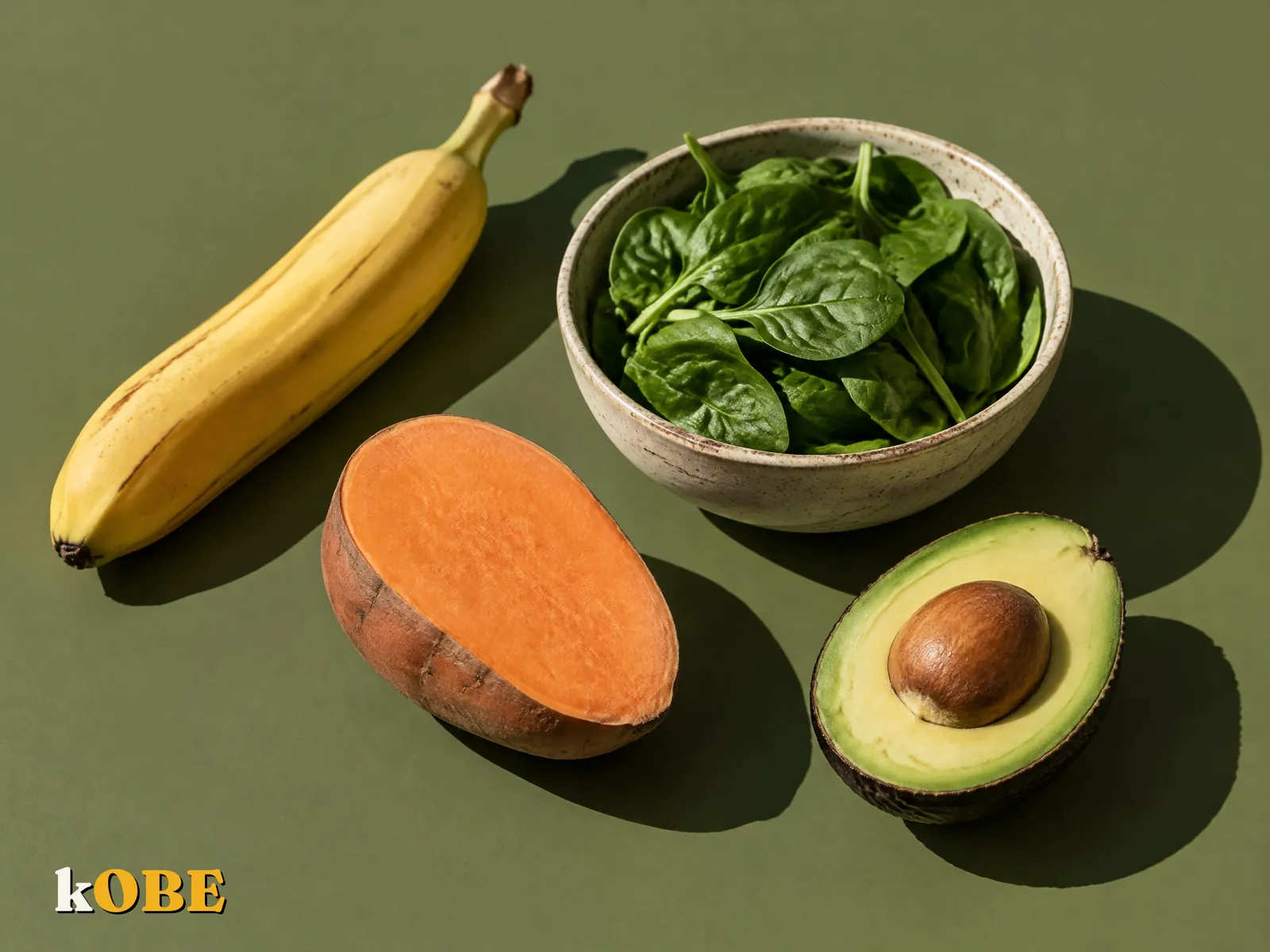
Say "potassium" and everyone thinks of bananas. Tennis players eat them between sets. Runners stuff them in their pockets. The banana is practically the poster child of potassium.
But in an actual ranking, the banana sits somewhere in the middle of the table. Walk through a Vietnamese market any day and you pass things with just as much potassium, sometimes more.
In this article
Potassium is every cell's "water keeper"
Potassium is an electrically charged mineral, part of the group scientists call electrolytes.
Picture each cell as a house. Potassium lives mostly inside, sodium mostly outside. Your body keeps pumping the two back and forth to hold the balance. That difference is what helps:
- Keep water in the right places, inside and outside cells.
- Send nerve signals, like a tiny electric current running along a nerve.
- Help muscles contract, including the heart.
Potassium and sodium are like two ends of a seesaw. Modern meals tend to be heavy on the sodium side (salt) and light on the potassium side (vegetables and roots). So health organizations encourage both at once: less salt, more vegetables.
How many bananas would you need in a day?
WHO recommends that adults eat at least about 3,500mg of potassium a day.
A medium banana has about 400mg of potassium. Do the math, and getting there on bananas alone would take about 8 to 9 bananas a day. Nobody does that, and nobody needs to.
Because potassium is everywhere in fresh food. Vegetables, roots, fruit, beans, fish, meat and milk all have it. It is only when meals are mostly processed food with few vegetables that it is easy to fall short.
A surprising ranking at the Vietnamese market
Per 100g, here are some familiar foods and their relative potassium:
| Food | Potassium compared with banana |
|---|---|
| Cooked white beans, black beans | Similar or more |
| Amaranth greens, spinach | More |
| Avocado | More |
| Baked potato, sweet potato | Similar or more |
| Banana | The benchmark |
| Fresh coconut water | Less, but one coconut gives you a big glass |
| Tomato, orange | Less |
| Watermelon | Quite a bit less |
Two fun details:
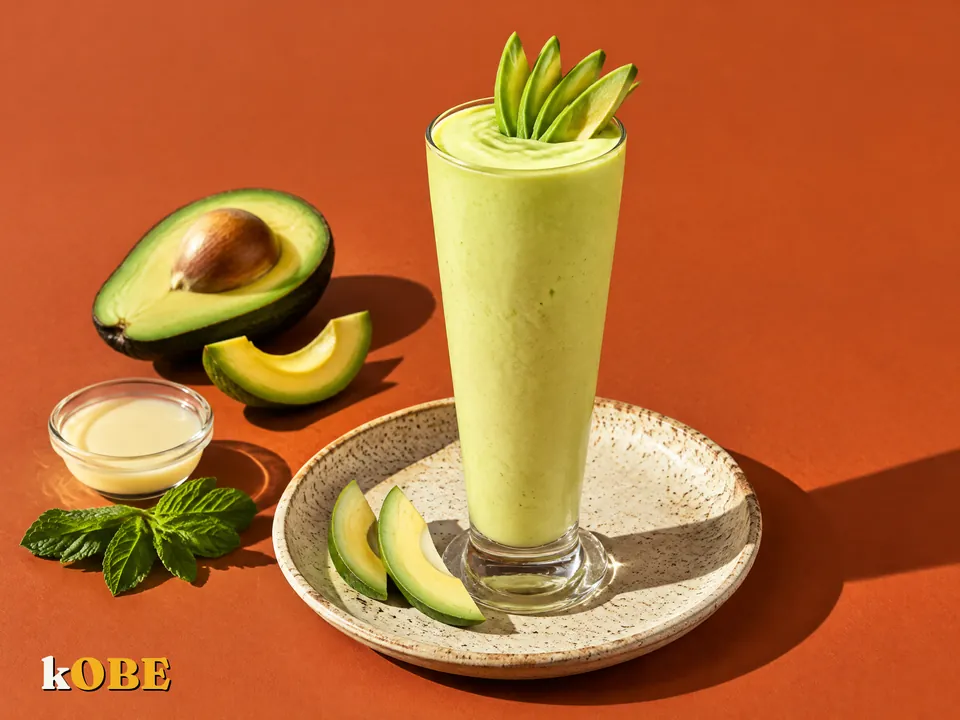
- Avocado beats banana, weight for weight. A glass of sinh tố bơ (Vietnamese avocado smoothie) is a true "potassium glass".
- Coconut water is jokingly called "nature's electrolyte drink" for a reason. A young green coconut has quite a lot of potassium, and fewer calories than soda.
The soup bowl: the forgotten potassium keeper
Potassium dissolves in water. When you boil vegetables, some of the potassium moves into the cooking water.
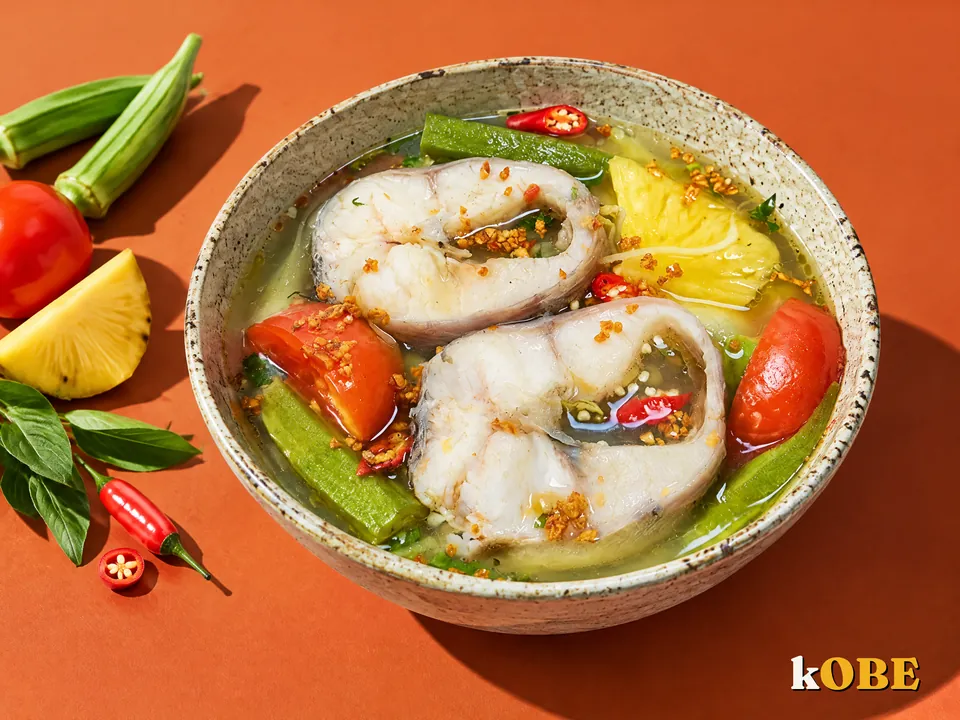
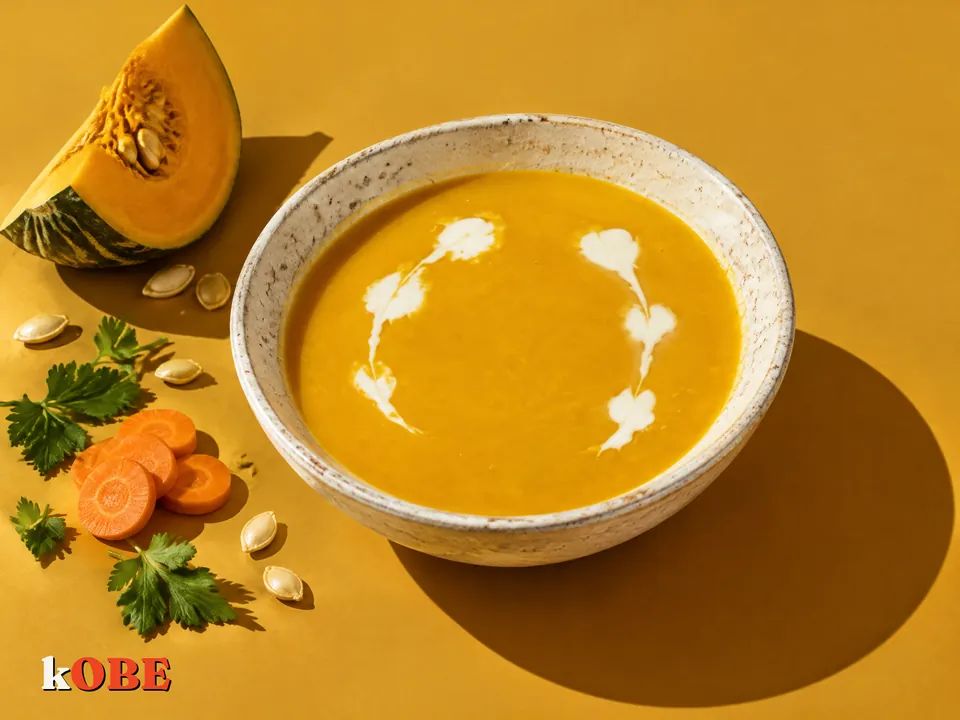
If you boil vegetables and pour the water away, that potassium goes too. But Vietnamese families have a great habit: drinking the soup broth. Amaranth soup, pumpkin soup, canh chua (sweet and sour soup), mustard green soup. The potassium that dissolved is still in the bowl, waiting for you to sip it.
A few small tips to keep potassium in your meal:
- Make soup instead of boiling and draining. Or turn the vegetable cooking water into soup.
- Steaming, roasting and quick stir-frying keep potassium better than long boiling in lots of water.
- Eat the skin when you can. Potatoes and sweet potatoes roasted in their skins keep a little extra.
- Fresh fruit for dessert instead of very sugary chè (sweet dessert soup).
An important reminder: people with kidney problems, or whose doctor has told them to limit potassium, need to follow their own specific instructions. For them, the potassium story is completely different from a healthy person's.
Fun fact: why soak potatoes before frying?
You may have seen people cut potatoes and soak them in water before frying. The main reason is to rinse off surface starch so the fries turn out crispier.
But soaking and boiling also pull some potassium out into the water. In hospitals, dietitians sometimes use this very trick for people told to limit potassium. The same kitchen step can serve completely opposite goals, depending on who is eating.
Inside the kOBE kitchen
kOBE's Japanese, Purple and Honey Sweet Potatoes are roasted with a little olive oil, then diced and frozen. Roasting instead of boiling is a cooking method that holds on to water-soluble minerals quite well.
Our Chickpeas, cooked to keep the beans firm, belong to the bean family, a group naturally rich in potassium. We do not list potassium numbers on our products, so we will not give a figure. But if you want more vegetables and roots in your week, a portion of sweet potato or chickpeas in your lunchbox is an easy place to start. See our ready-cooked ingredients.
Frequently asked questions
Can eating lots of bananas give you too much potassium?
Can coconut water replace everyday drinking water?
Do frozen vegetables still have potassium?
Keep reading
Sources
- WHO (2012). Guideline: Potassium intake for adults and children. Geneva: World Health Organization.
- USDA FoodData Central (banana, avocado, sweet potato, amaranth, beans, coconut water).
- National Institute of Nutrition (Vietnam). Vietnamese Food Composition Table [Bảng thành phần thực phẩm Việt Nam].
- Harvard T.H. Chan School of Public Health, The Nutrition Source. Potassium.
- Further reading: Understanding Nutrition 16th ed., chapter 12.