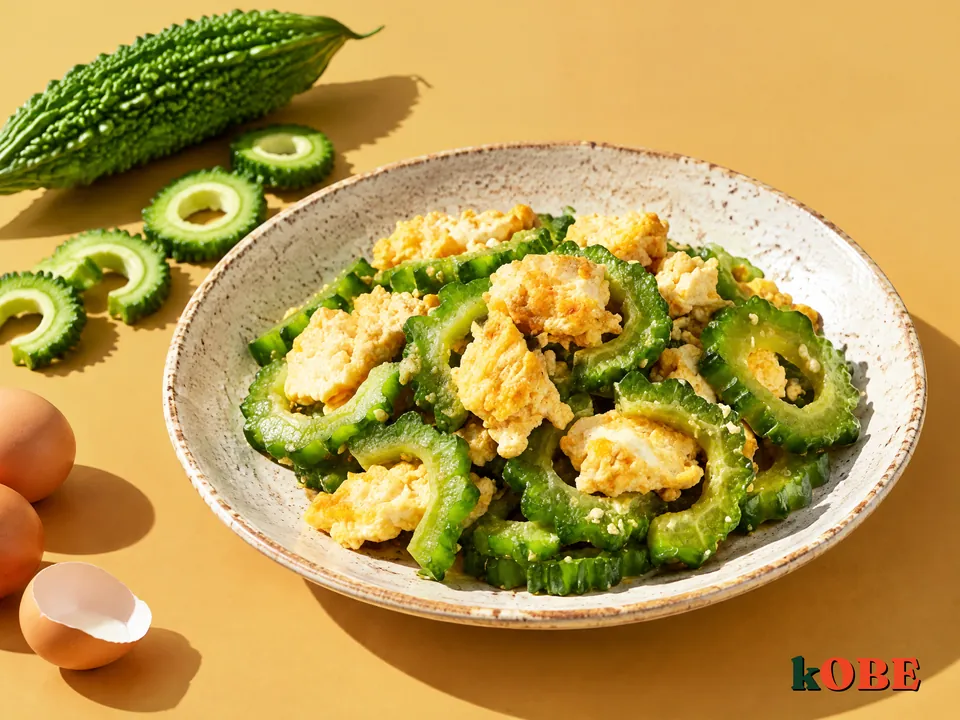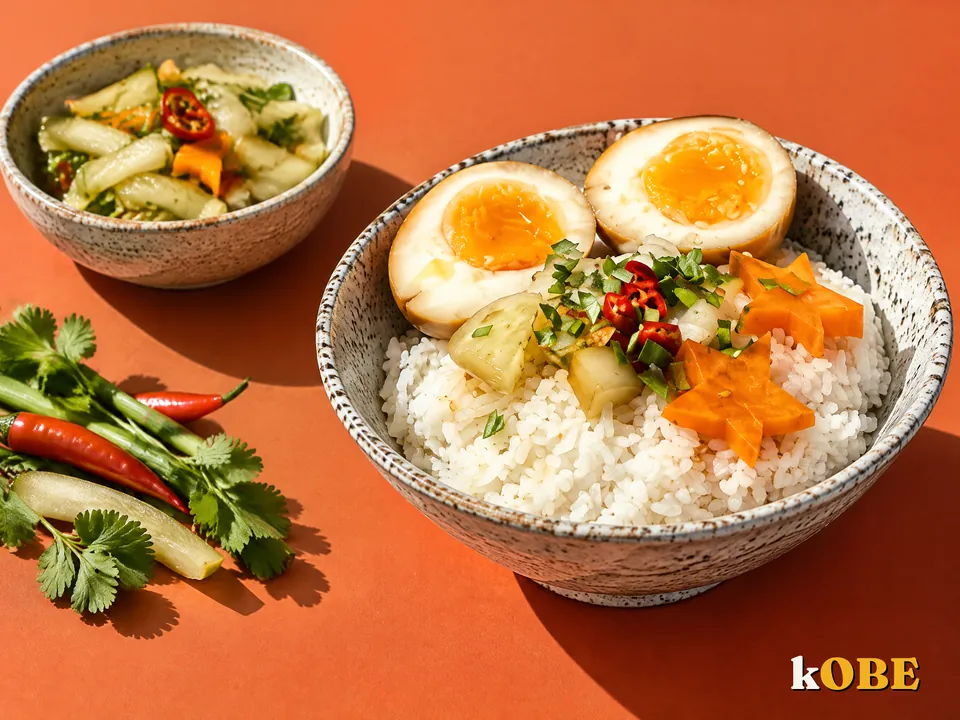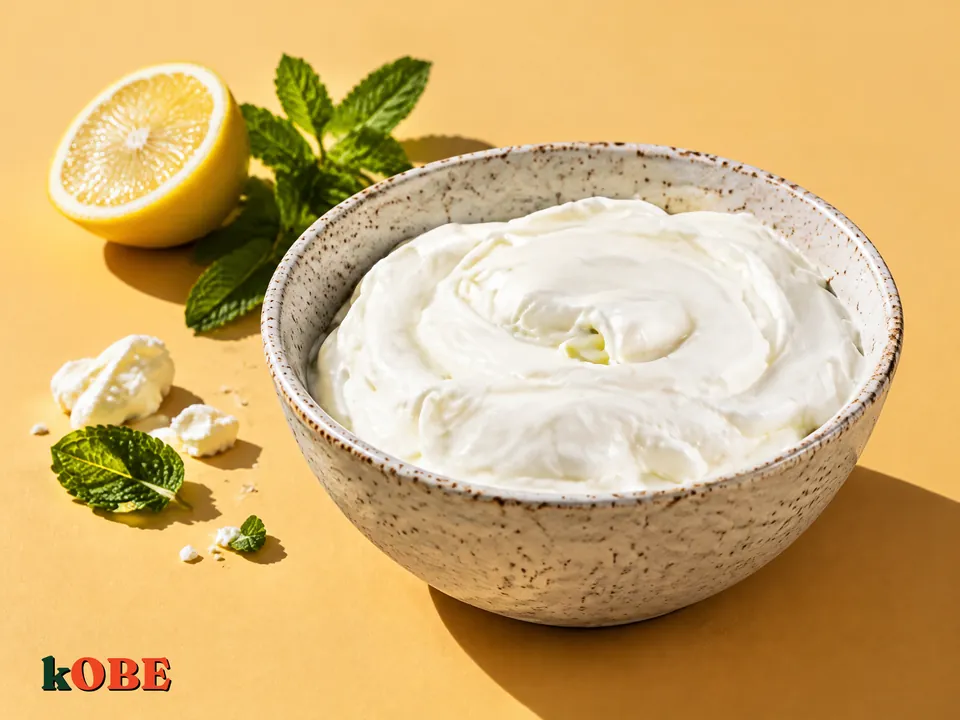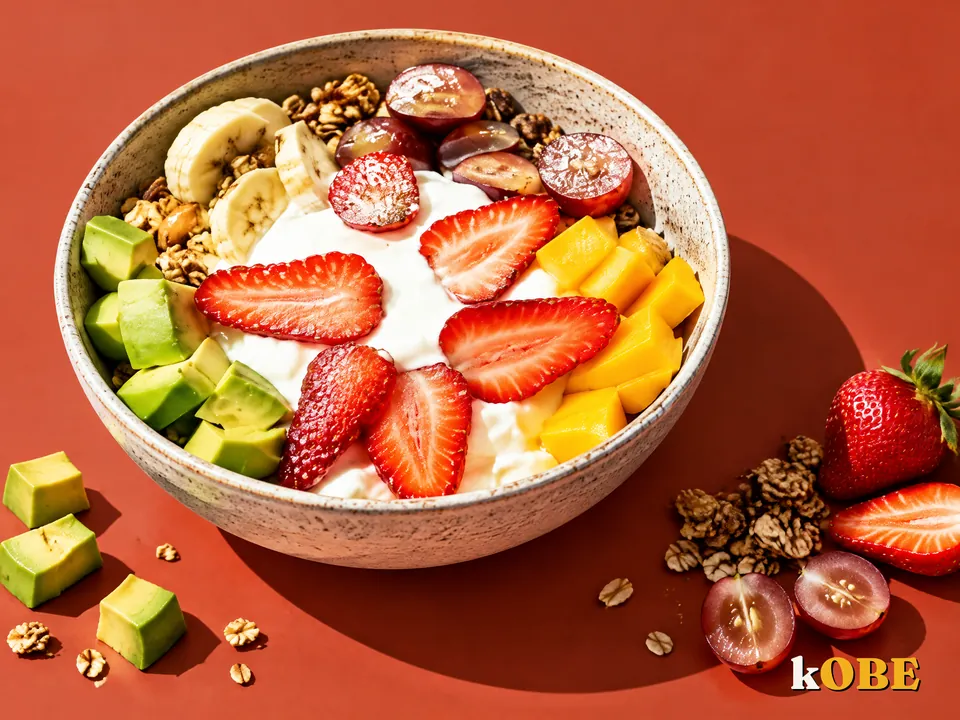
On the first and the fifteenth of the lunar month, the vegetarian rice shop at the top of the alley is suddenly packed. Many Vietnamese families eat vegetarian on set days. More and more young people are going vegetarian full time, and some go fully vegan.
If that is you, someone has probably told you: "Keep an eye on your B12." The question is, why B12 in particular, and not some other vitamin?
The answer starts with a rather surprising fact.
In this article
- No plant and no animal makes its own B12
- What B12 does, and why you can run low without noticing
- How much do you need? So little it is measured in micrograms
- Three ways of eating vegetarian, three B12 stories
- Seaweed, mushrooms, fermented soy: how far can you trust them?
- Inside the kOBE kitchen
- Frequently asked questions
No plant and no animal makes its own B12
Vitamin B12 is made by bacteria. Not by plants, and not by cows either.
Cows have B12 in their meat and milk because bacteria in their stomachs make it, and the cow absorbs it. Fish have B12 because they eat smaller creatures that stored B12 from bacteria. Clams, baby clams and cockles filter seawater all day, so they pile up a lot of B12.
Plants do not need B12 to live, so they neither make it nor store it. That is why vegetables, roots, seeds and beans have almost no B12. No amount of greens can make up for it.
In short: B12 travels up the animal food chain. Take all animal foods off the plate and the natural B12 sources go with them.
What B12 does, and why you can run low without noticing
B12 is needed for two big jobs: making blood cells, and maintaining the protective coating around nerves. It also works alongside folate in making DNA.
What makes B12 special is storage. Most extra B vitamins leave in urine. B12 is different: the liver keeps a store that can last several years.
That store has two sides:
- The upside: eating vegetarian on set days, a few days a month, barely touches your B12 store.
- The side to watch: long-term vegans can slowly use up the whole store without noticing anything different for a long time. By the time they realize, the store has been empty for a while.
That is why major nutrition organizations remind vegans to actively find a B12 source, rather than waiting until they feel tired.
How much do you need? So little it is measured in micrograms
Adults need about 2.4 micrograms of B12 a day, according to WHO and FAO. A microgram is a millionth of a gram. A whole year's worth adds up to less than a milligram.
To picture it:
| Food | Roughly how much B12 it contributes |
|---|---|
| 1 chicken egg | About a fifth of the daily need |
| 1 glass of cow's milk, 250ml | Nearly half the daily need |
| 1 pot of yogurt | About a sixth to a fifth |
| 1 serving of steamed clams or cockles | Several times the daily need |
The numbers vary by type and size, but this order stays fairly steady.
Three ways of eating vegetarian, three B12 stories
Part-time vegetarian (the first and fifteenth of the lunar month, or a few days a week): the other days include meat, fish, eggs and dairy, plus the store in your liver. Almost nothing to worry about.
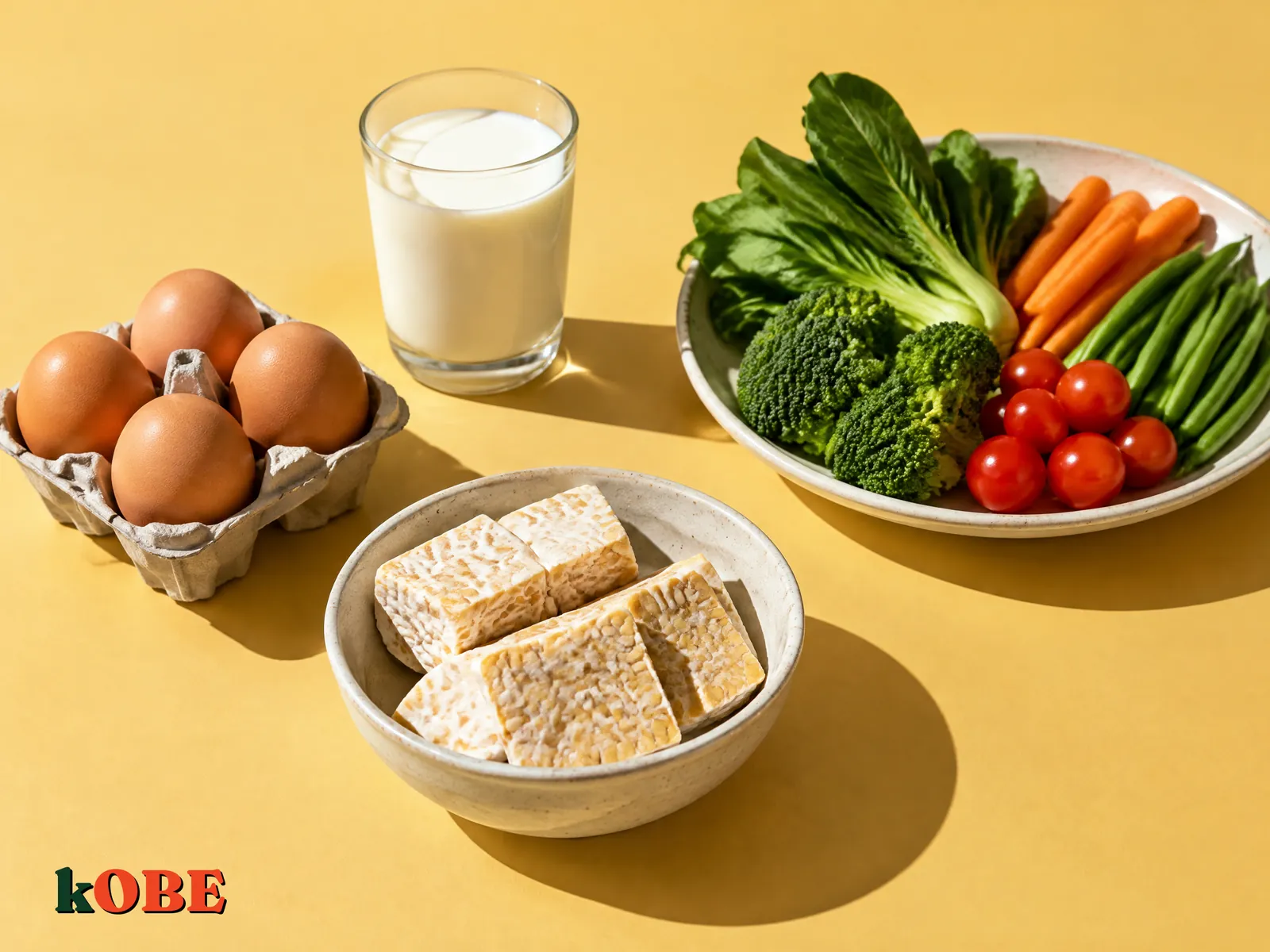
Lacto-ovo vegetarian: eggs, milk, yogurt and cheese are reliable sources of B12. An egg in the morning, a yogurt in the afternoon and a glass of milk already cover a big share. Just make sure you eat them regularly, not a whole week without any.
Vegan: no eggs, no dairy, so there is no reliable natural B12 source in the diet. Two routes nutrition organizations usually mention are foods fortified with B12 (some soy milks, plant milks, cereals, nutritional yeast) and supplements. We do not suggest doses. Vegans should talk with a health professional to choose the right source and the right way to check their levels.
Seaweed, mushrooms, fermented soy: how far can you trust them?
There are a few familiar rumors in vegetarian circles. Here is what science knows so far:
- Seaweed (nori, spirulina): contains compounds that look like B12 under some testing methods. But most of it is "fake B12" (analogs) your body cannot use. Some nori does contain real B12, but the amount varies a lot. Not enough to rely on.
- Mushrooms: a few types have small, uneven amounts of B12, depending on how they are grown.
- Fermented foods (tương, fermented soybean sauce; chao, fermented tofu; tempeh): B12 depends on which bacteria take part in the fermentation. It is not consistent from batch to batch.
In short, these are tasty foods with plenty of other nutrients. But counting on them as your "main B12 source" does not hold up yet.
Inside the kOBE kitchen
We have a few dishes that suit vegetarians: the Vegan Chickpea Sweet Roots Poke, ready-cooked Chickpeas, and kOBE Signature Lean Mayo, Vegan, made on a tofu base with no eggs and no dairy.
Being honest so you can plan properly: like every other vegan food, these are not sources of B12. They bring protein, fiber and energy. B12 you need to get from eggs and dairy (if you are lacto-ovo), or from fortified foods and supplements on the advice of a health professional (if you are vegan). See our ready-cooked ingredients.
Frequently asked questions
Do I need to worry about B12 if I eat vegetarian on the first and fifteenth?
Should older adults watch their B12 even if they are not vegetarian?
Which plant milks have B12?
Keep reading
Sources
- Watanabe F. (2007). Vitamin B12 sources and bioavailability. Experimental Biology and Medicine 232(10):1266 to 1274.
- Pawlak R. et al. (2013). How prevalent is vitamin B12 deficiency among vegetarians? Nutrition Reviews 71(2):110 to 117.
- WHO and FAO (2004). Vitamin and mineral requirements in human nutrition, 2nd ed., chapter on Vitamin B12.
- NHS (UK). The vegan diet (vitamin B12 section).
- Further reading: Understanding Nutrition 16th ed., chapter 10.