Sugar & sweeteners
Sugar is sugar, whatever the label says. Read labels, know your sweeteners, swap step by step.
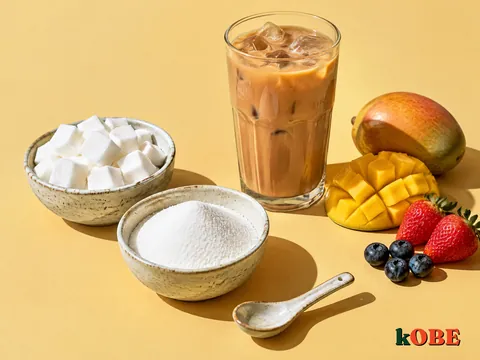
Where do you even start cutting sugar? A full guide for people who have never counted a spoonful
One Vietnamese iced coffee holds about 20g of sugar. Where to start cutting sugar, how to read a label in 30 seconds, and which swaps work in the kitchen.
Read →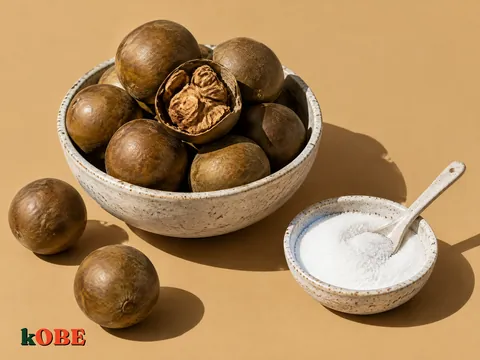
What is monk fruit sweetener? 6 fun facts about the sweet stuff that isn't sugar
One spoon of monk fruit extract is as sweet as a hundred spoons of sugar. Why it tastes sweet while your body gets almost no calories, and what's in the jar.
Read →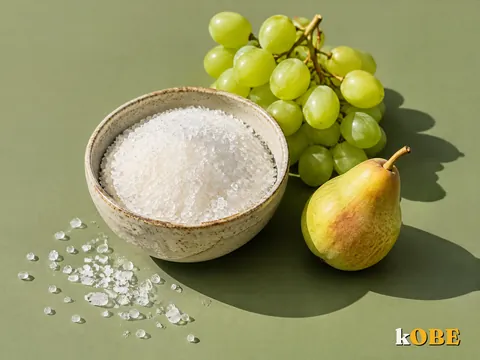
What is erythritol? The cool little crystal that always sits next to monk fruit
Erythritol occurs naturally in grapes and pears, is about 70% as sweet as sugar with almost zero calories. Why it feels cool and why it pairs with monk fruit.
Read →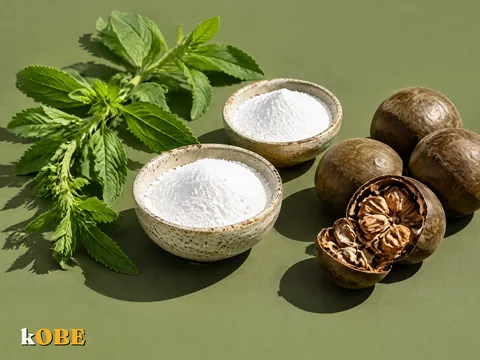
Stevia vs monk fruit: two super-sweet siblings from opposite ends of the world
One is a South American leaf, the other a fruit from southern China. Both are hundreds of times sweeter than sugar. How stevia vs monk fruit differ in cooking.
Read →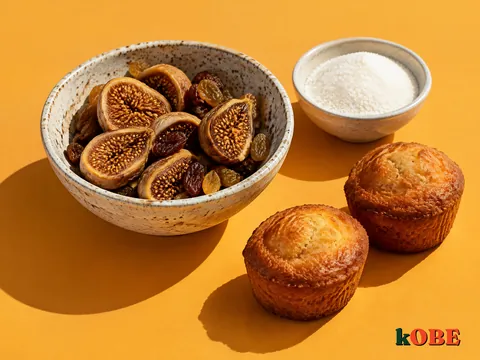
What is allulose? The rare sugar in dried figs that browns like sugar with almost no calories
Allulose is a twin of fructose that differs by one tiny detail. Why it tastes sweet and browns in the oven while your body takes almost no calories from it.
Read →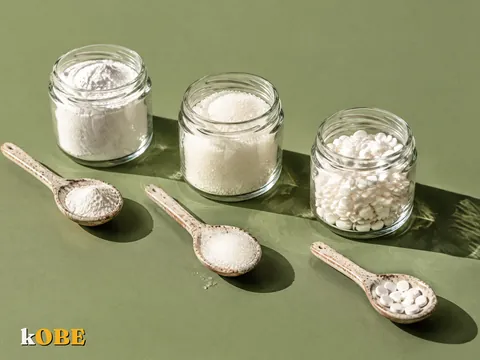
Maltitol, sucralose, aspartame: what are they? And why the kOBE kitchen picked a different set of sweeteners
Three names you see on sugar-free candy and diet soda. Where maltitol, sucralose and aspartame shine, and the three criteria behind the kOBE kitchen's choice.
Read →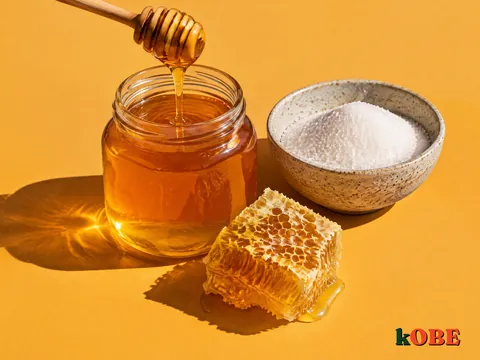
Is honey better than sugar? The real story of the golden jar in your kitchen
Spoon for spoon, honey has more calories than white sugar. What's really inside a jar of honey, how much in the way of minerals, and how to use it so it counts.
Read →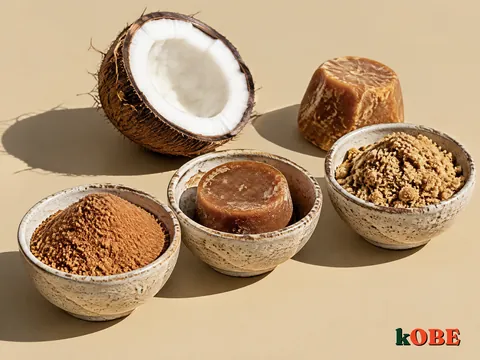
Coconut sugar, palm sugar, brown sugar: different colors, different aromas, but different from white sugar?
Brown sugar is often white sugar with a little molasses. Palm and coconut sugar smell lovely, but are still mostly sucrose. How they differ and how to use them.
Read →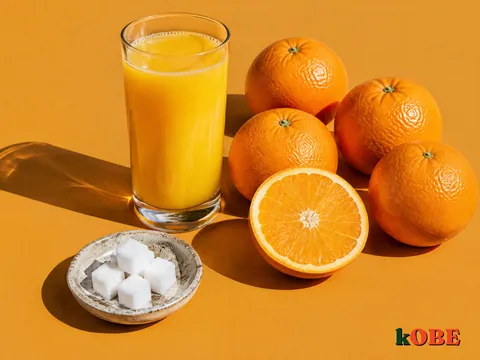
What is fructose? Why a glass of pure orange juice still holds about 5 teaspoons of sugar
A 250ml glass of orange juice takes about 3 oranges and holds about 20g of sugar. What fructose does in your body, and why eating fruit beats juicing it.
Read →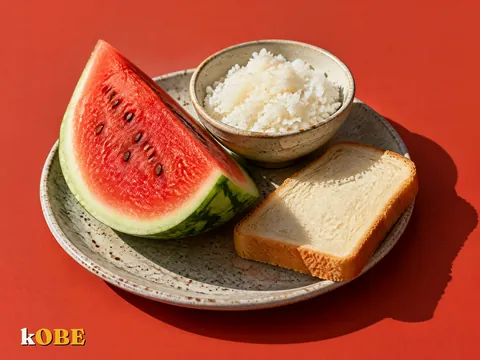
What are the glycemic index (GI) and glycemic load (GL)? Why watermelon scores high but stays gentle
Watermelon has a higher glycemic index than banana, yet a slice of watermelon is gentler. The secret is GL. Understand GI and GL in 5 minutes, with real foods.
Read →
What is a blood sugar spike after eating? The story behind your 2pm slump
Blood sugar rising after a meal is normal. But a sharp spike and fast drop may leave you hungry sooner. Four small tips that don't mean giving up rice.
Read →
How much sugar per day is enough? Less than one cup of milk tea
The WHO says keep free sugars under 50g a day, ideally 25g, about 6 teaspoons. Which sugars count, which don't, and does a normal day already hit the line?
Read →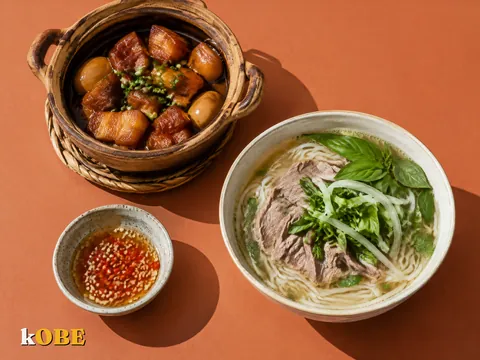
Where does sugar hide in a Vietnamese meal? Dipping sauce, the braising pot and your bowl of phở
No cakes, no soda, still eating sugar? Hidden sugar in Vietnamese food lurks in fish sauce, braised pork, phở broth and hoisin. How to spot it and cut back.
Read →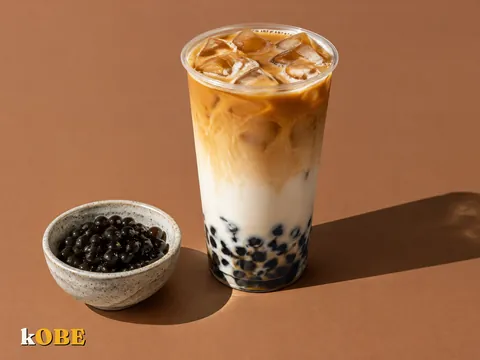
How much sugar is in a cup of milk tea? Layer by layer, from tea to tapioca pearls
A medium milk tea at 100% sugar can hold 30 to 45g of sugar, a whole day's worth. Which layer the sugar hides in, what 30% means, and how to order lighter.
Read →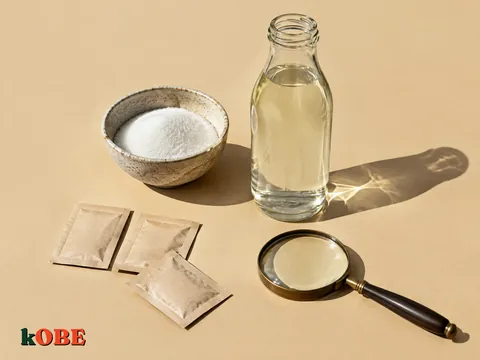
"Sugar free", "no added sugar", "low sugar": three labels that sound alike but mean very different things
Why does a "no added sugar" carton still list 5g of sugar? The difference between sugar free, no added sugar and low sugar, plus 7 other names for sugar.
Read →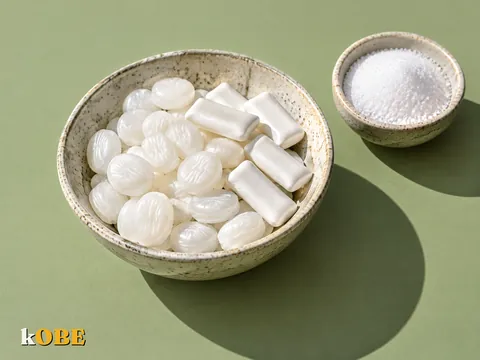
What are sugar alcohols? No booze, and not quite sugar either
What are sugar alcohols? No booze, not quite sugar. How sweet sorbitol, xylitol and maltitol are, why sugar free candy upsets tummies, and label tips.
Read →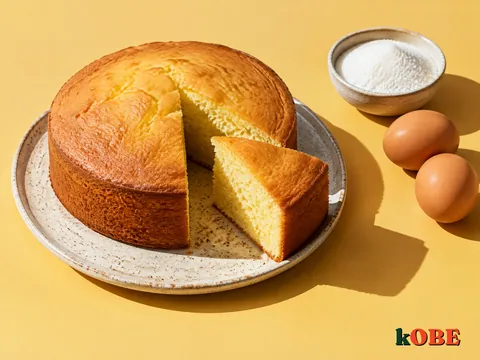
Sugar free baking: how to swap sugar so your cake still rises and stays soft
In sugar free baking, sugar's other jobs matter: moisture, tenderness, color. What ratio to swap, why bakes look paler, and 5 tips for your first batch.
Read →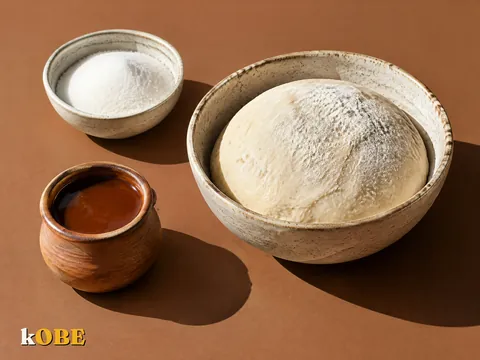
Can sugar substitutes caramelize? And can bread yeast "eat" them?
Can sweeteners caramelize like cane sugar? Will yeast eat them? What sugar substitutes can and can't do, plus tricks to color a braise and proof dough.
Read →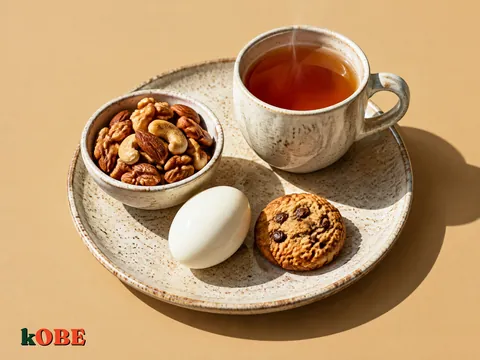
3 p.m. sugar cravings: it's not that you're weak-willed
Afternoon sugar cravings come from lunch, sleep, your body clock and habit. Learn where that 3 p.m. urge starts, then try 6 gentle fixes, no gritted teeth.
Read →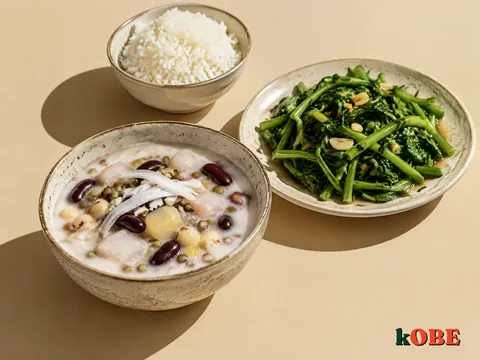
Dessert first or dessert last? Same bowl of chè, a whole different story
Same bowl of chè, empty stomach or after dinner? Why eating veg and protein before carbs matters for blood sugar, and why a "dessert stomach" exists.
Read →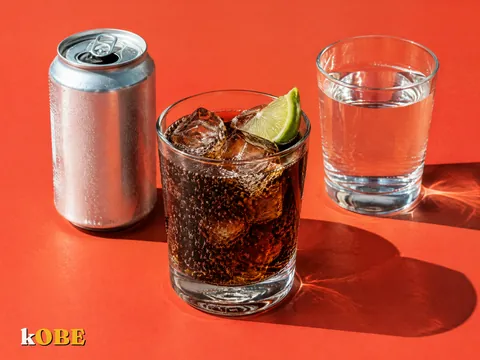
Should you drink zero-calorie soda? What's really inside that "zero" can
Are diet sodas OK to drink? What makes a zero can sweet, is it truly 0 calories, and what science is sure of versus still debating. A calm, honest look.
Read →
Cutting sugar step by step: which rung of the ladder are you on?
How to cut sugar step by step: not one big quit but 5 small rungs. Find your rung, see what comes next, and learn why taste buds adapt faster than you think.
Read →