Walk through a supermarket and you will see these two words on lots of packaging: yogurt that says probiotic, cereal powder that says prebiotic. Some boxes say both.
The two words are just one letter apart. But they are two completely different things.
The quickest way to remember: think of a garden. Probiotics are the seeds. Prebiotics are the fertilizer.
In this article
Probiotics: the "guests" that are still alive
Under a definition scientists agreed on in 2014, probiotics are live microorganisms that, when taken in adequate amounts, bring a health benefit to the person taking them.
There are three conditions in that sentence, and all three matter:
- They must be alive. Dead bacteria are no longer called probiotics.
- There must be enough of them. A few stragglers are not enough.
- There must be evidence of benefit. Not every live bacterium is a probiotic.
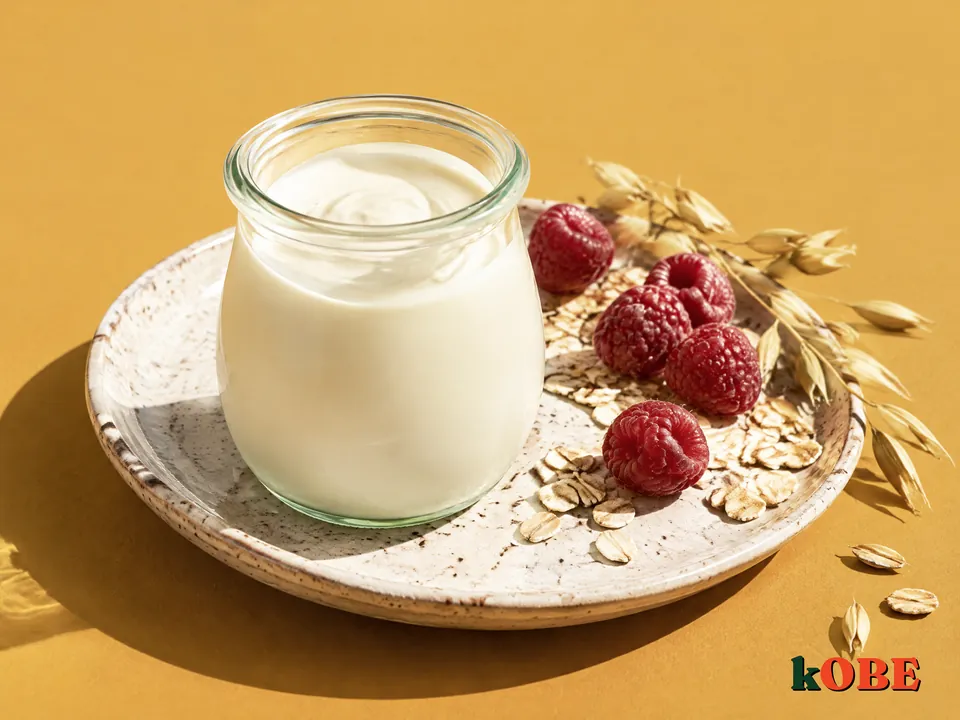
The most common probiotics belong to the Lactobacillus and Bifidobacterium groups. You find them in some yogurts, fermented milks, and supplements in capsule or sachet form.
A little-known detail: the effect of a probiotic depends on the specific strain. Two strains of the same species can do two different things. So "contains good bacteria" on a label actually says very little.
Prebiotics: a meal for the bacteria you already have
Prebiotics were defined in 2017 as a substance selectively used by the microorganisms in your body, bringing a health benefit as a result.
Put simply: prebiotics are special kinds of fiber that beneficial bacteria love to eat. You are not adding any new bacteria. You are feeding the army that already lives in your gut a better meal.
The most studied prebiotics:
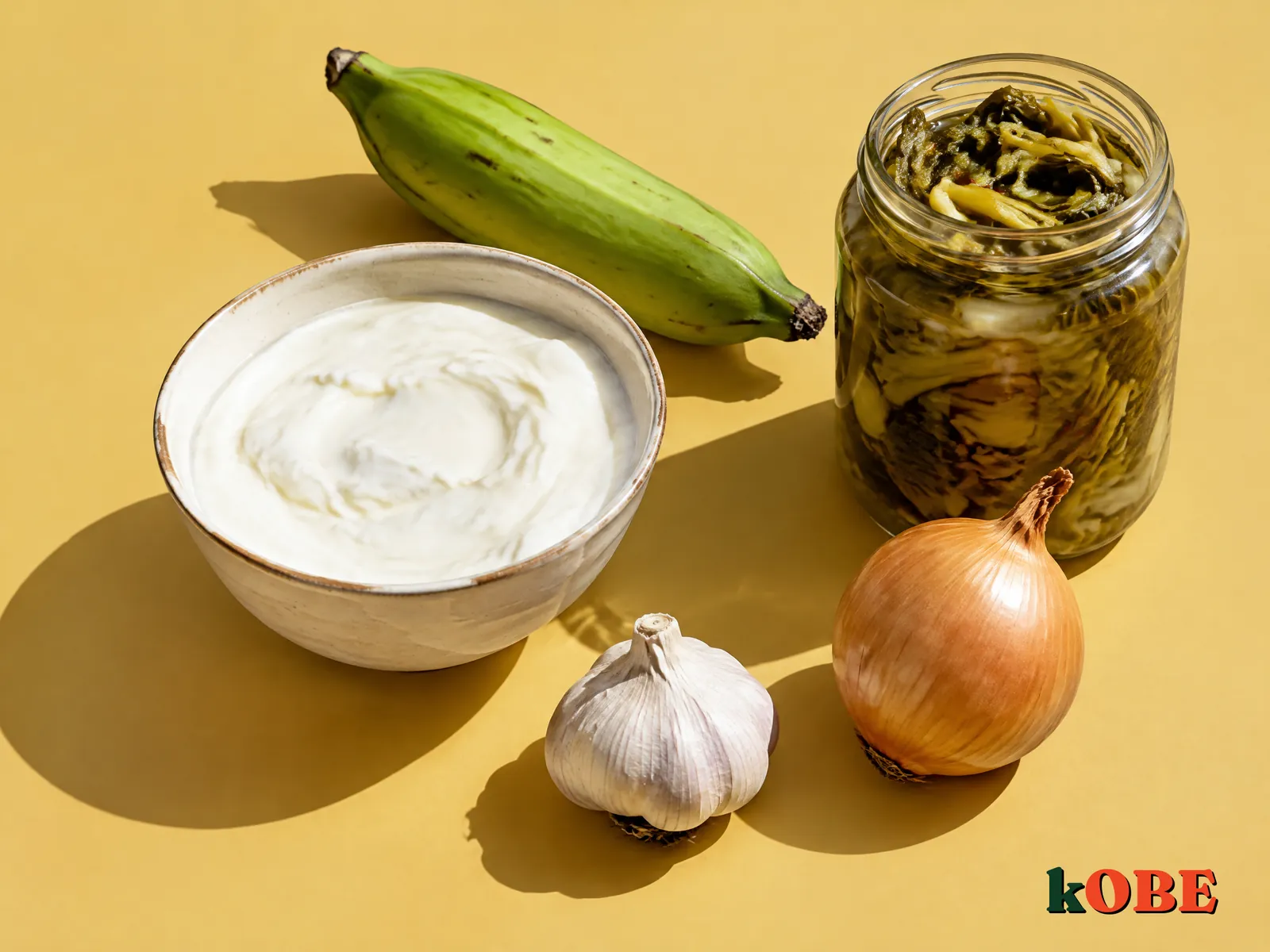
- Inulin and FOS (fructo-oligosaccharides). Found in onions, garlic, scallions, asparagus and bananas.
- GOS (galacto-oligosaccharides). Found in beans and lentils, and breast milk contains a similar family of compounds.
- Resistant starch. Found in green bananas, and in cooled rice and potatoes. See cold rice and resistant starch.
Every prebiotic is a fiber (or behaves like one). But not every fiber qualifies as a prebiotic. For the big picture, read our pillar article on fiber and the microbiome.
Quick comparison
| Probiotics | Prebiotics | |
|---|---|---|
| What they are | Live microorganisms | Food for microorganisms |
| Picture | Seeds | Fertilizer |
| Where to find them | Some yogurts, uncooked fermented foods, supplements | Onions, garlic, bananas, beans, oats |
| Sensitive to heat? | Yes, cooking kills them | Most handle heat well |
When a product combines both, it is called a synbiotic. Lately there is also the word postbiotic: bacteria that have been inactivated, or the substances they produce. This field is being studied intensely.
Are fermented foods always probiotic?
No. This is a common mix-up.
Many fermented foods have been cooked, baked or pasteurized. Bread rises thanks to yeast, but once baked, the yeast is all dead. Stir-fried dưa cải (pickled mustard greens) and cooked soybean paste are the same.
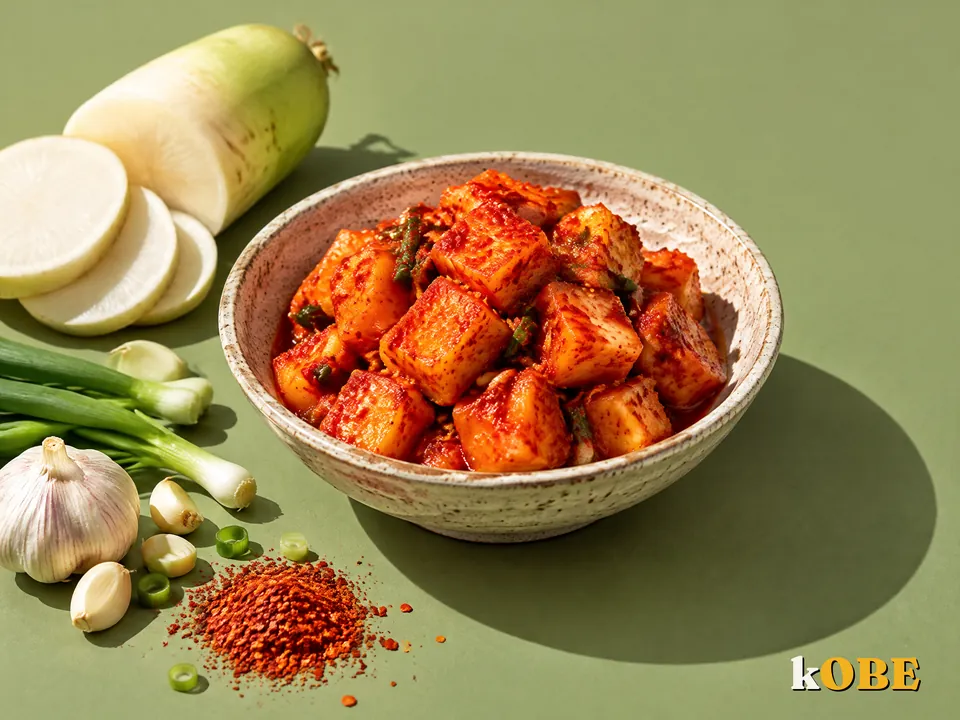
Fermented foods eaten raw, like sour dưa cải, kimchi and homemade yogurt, do contain live bacteria. But they have not been tested strain by strain like true probiotic products. We go into detail in our article on Vietnamese fermented foods.
What is proven and where marketing overreaches
Fairly well established:
- Fiber in general, and prebiotics in particular, are food for the bacteria in your large intestine.
- Some specific probiotic strains have good evidence for some specific, well-studied situations.
Still being studied:
- Whether healthy people need to take probiotics every day.
- Whether swallowed bacteria "settle in" for the long term. Many studies show most of them just pass through and leave.
So for healthy people, we think the order of priority is: feed the bacteria you already have first, with a variety of vegetables, beans and grains. As for probiotic capsules, if you have a specific need, ask a health professional and choose a strain with evidence behind it.
Inside the kOBE kitchen
The kOBE Signature Monk Fruit Blend has five ingredients: erythritol, allulose, monk fruit, stevia and inulin. Inulin is one of the classic prebiotics in this article. In the jar, inulin is a type of fiber and does not add sweetness.
Let us be clear and honest: a spoonful of sweetener in your coffee is not your "fiber source" for the day. To feed your gut bacteria, you still need onions, garlic, vegetables, beans and fruit at your meals.
But if you are used to sweet things, a jar that swaps 1:1 for cane sugar, with no bitter aftertaste, is one small step toward less refined sugar. See the kOBE Signature Monk Fruit Blend.
Frequently asked questions
Does every yogurt contain probiotics?
Is it better to take probiotics together with prebiotics?
Will eating lots of onion and garlic make me gassy?
Keep reading
Sources
- Hill C. et al. (2014). Expert consensus document: The International Scientific Association for Probiotics and Prebiotics consensus statement on the scope and appropriate use of the term probiotic. Nature Reviews Gastroenterology & Hepatology 11:506 to 514.
- Gibson G.R. et al. (2017). Expert consensus document: The ISAPP consensus statement on the definition and scope of prebiotics. Nature Reviews Gastroenterology & Hepatology 14:491 to 502.
- Salminen S. et al. (2021). The ISAPP consensus statement on the definition and scope of postbiotics. Nature Reviews Gastroenterology & Hepatology 18:649 to 667.
- FAO/WHO (2002). Guidelines for the Evaluation of Probiotics in Food.
- Further reading: Understanding Nutrition 16th ed., chapter 3.