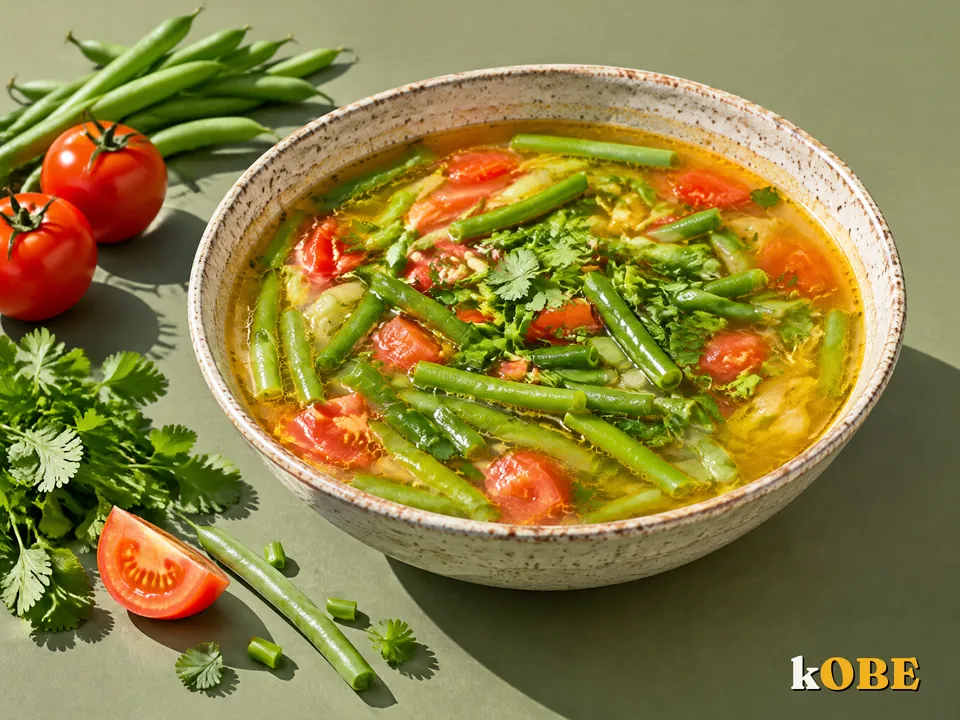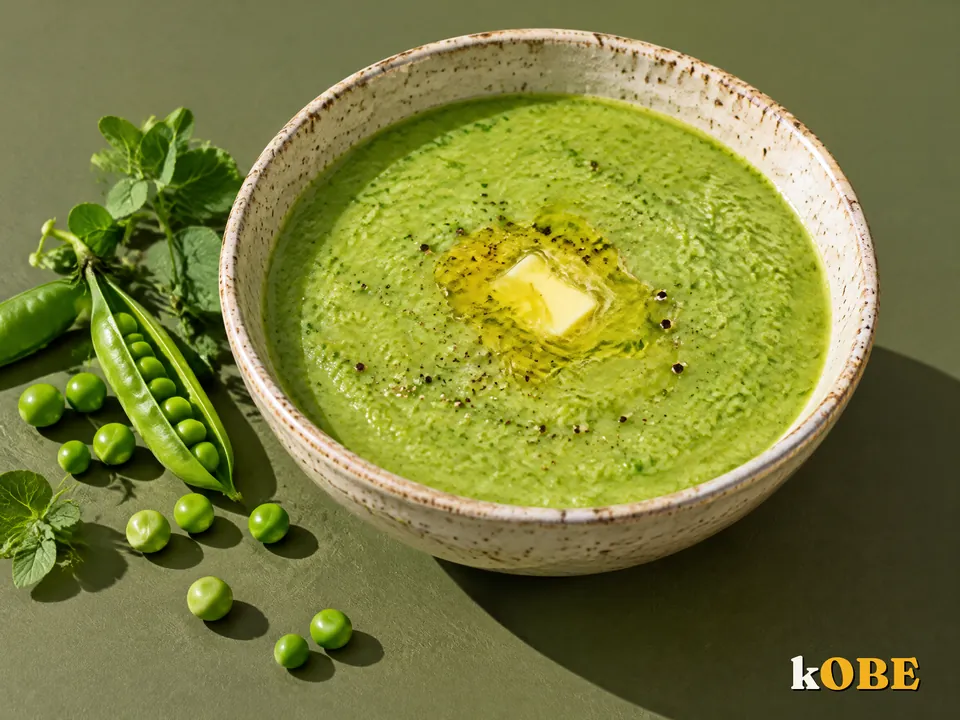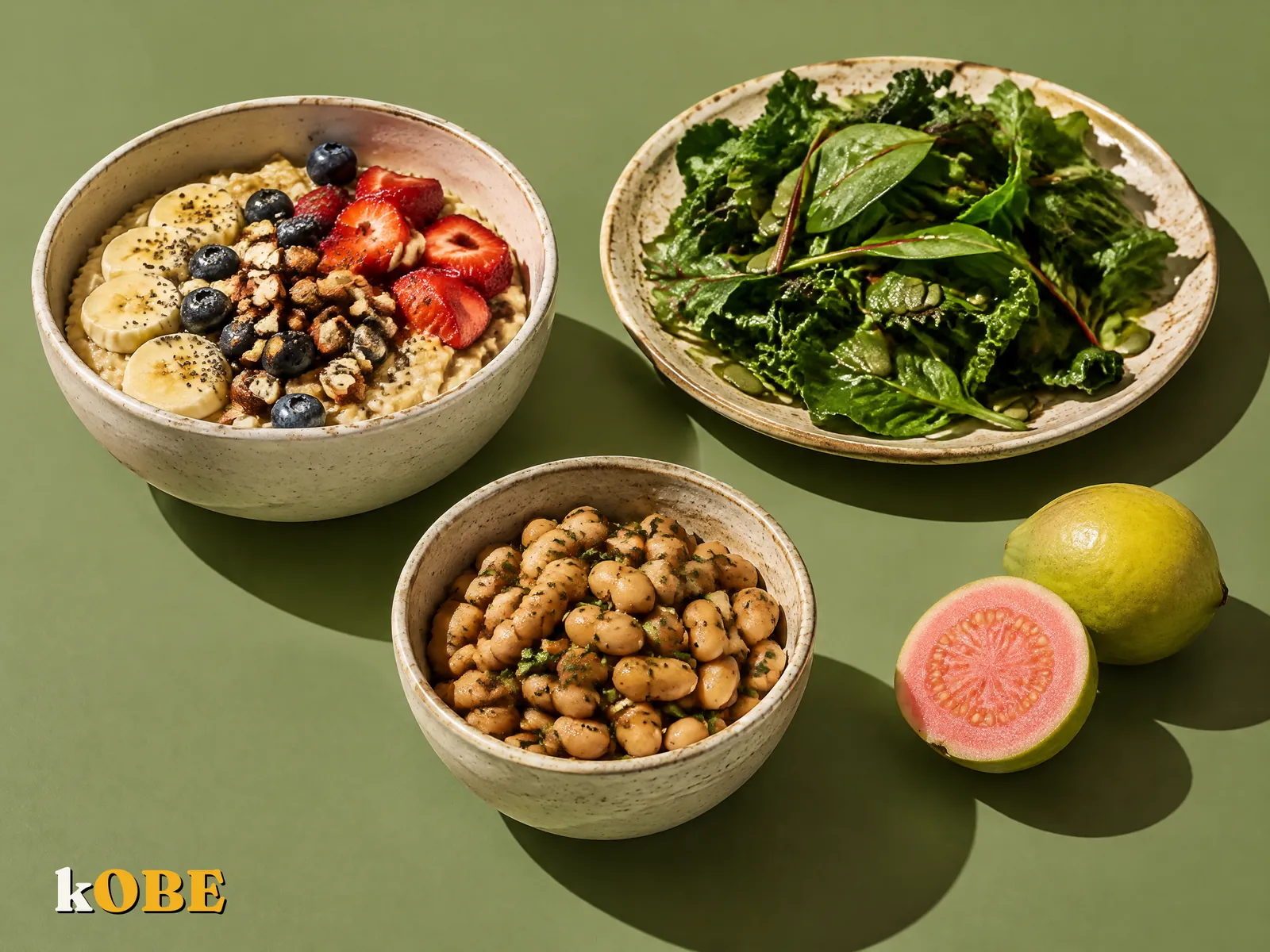
Lunch today is cơm văn phòng, the office set-rice meal. There is a heaping plate of rau muống xào tỏi (morning glory stir-fried with garlic), glossy and green. That "I have had my vegetables today" feeling is so satisfying.
Slightly sad news: that plate gives you only about 3g of fiber. Your body needs at least 25g a day.
Happy news: reaching 25g is easier than you think. You just need to know where fiber is "concentrated" and where it is "diluted".
In this article
Where does the 25g number come from?
In 2023, the World Health Organization (WHO) recommended that adults eat at least 25g of naturally occurring fiber per day, from whole grains, vegetables, fruit and legumes. Children need less, depending on age.
The European Food Safety Authority (EFSA) also chose 25g. The United States counts by energy instead: about 14g for every 1,000 kcal you eat. For men who eat a lot, that number goes past 30g.
Why 25g? Large reviews found that from around this level upward, people are more regular and show better scores on many health markers. These are mostly observational studies, so they tell us things "travel together", not a promise for each individual.
Alongside fiber, WHO also recommends at least 400g of vegetables and fruit a day. Picture about five fistfuls.
Why can a plate of greens not carry the load?
Fresh leafy greens are mostly water, often more than 90%. The fiber is there, but it is diluted.
Compare the fiber in a few familiar foods, using USDA food database figures (rounded):
| One serving | Fiber, about |
|---|---|
| 1 bowl white rice (150g) | 0.6g |
| 1 bowl brown rice (150g) | 2.5g |
| 1 plate boiled morning glory (150g) | 3g |
| 1 medium banana | 3g |
| 1 medium sweet potato, boiled with skin | 4g |
| 1 tablespoon chia seeds | 4g |
| Half a bowl cooked green peas (80g) | 4.5g |
| 1 medium guava (100g) | 5g |
| 100g cooked chickpeas | 7.5g |
A few surprises:
- The guava is a quiet star. One guava has more fiber than a whole plate of morning glory.
- Beans are the most fiber-dense of all. 100g of chickpeas is close to three plates of morning glory.
- Swapping white rice for brown rice adds about 2g per bowl without eating anything extra.
Let us try to reach 25g in one day
Here is an ordinary Vietnamese day of eating, no superfoods required:
| Meal | What you eat | Fiber, about |
|---|---|---|
| Breakfast | 1 sweet potato, 1 banana | 7g |
| Lunch | 1 bowl brown rice, 1 plate morning glory | 5.5g |
| Afternoon snack | 1 guava | 5g |
| Dinner | 1 bowl white rice, green bean soup, 3 spoonfuls chickpeas (50g) | 7.5g |
| Total | about 25g |
See? No need for salad three times a day. Just give every meal one "fiber-dense" item: beans, sweet potato, whole fruit or brown rice.
Go slow, and remember to drink water
If you currently eat about 10 to 15g a day, do not leap to 30g next week.
Fiber is food for the bacteria in your large intestine. Increase it too fast and the bacteria ferment more and make more gas. Your belly can feel bloated and uncomfortable. Add a little at a time over a few weeks so your microbiome has time to adjust.
And drink enough water. Fiber needs water to soften stools. Without enough water, it can backfire. See also how much water to drink a day.
Inside the kOBE kitchen
Our Ingredients page has a few ready-cooked, frozen "fiber-dense" items: Chickpeas, Green Peas, Edamame, Red Brown Rice, Black Brown Rice, and Japanese, Purple and Honey Sweet Potato, roasted and diced.
Their nutrition panels list calories, protein and carbs. The fiber figures in the table above are general USDA numbers for each type of food, to help you estimate.
A lazy kitchen trick: keep a box of thawed chickpeas and a box of sweet potato in the fridge. Grab a handful into your bowl at each meal, and a few extra grams of fiber add up on their own. See the items on our Ingredients page.
Frequently asked questions
Can I take fiber powder instead of eating vegetables?
How much fiber do children need?
Can you eat too much fiber?
Keep reading
Sources
- WHO (2023). Carbohydrate intake for adults and children: WHO guideline.
- EFSA NDA Panel (2010). Scientific Opinion on Dietary Reference Values for carbohydrates and dietary fibre. EFSA Journal 8(3):1462.
- Reynolds A. et al. (2019). Carbohydrate quality and human health: a series of systematic reviews and meta-analyses. The Lancet 393:434 to 445.
- USDA FoodData Central: white rice, brown rice, guava, banana, sweet potato, chickpeas, green peas, water spinach.
- Further reading: Understanding Nutrition 16th ed., chapter 4.