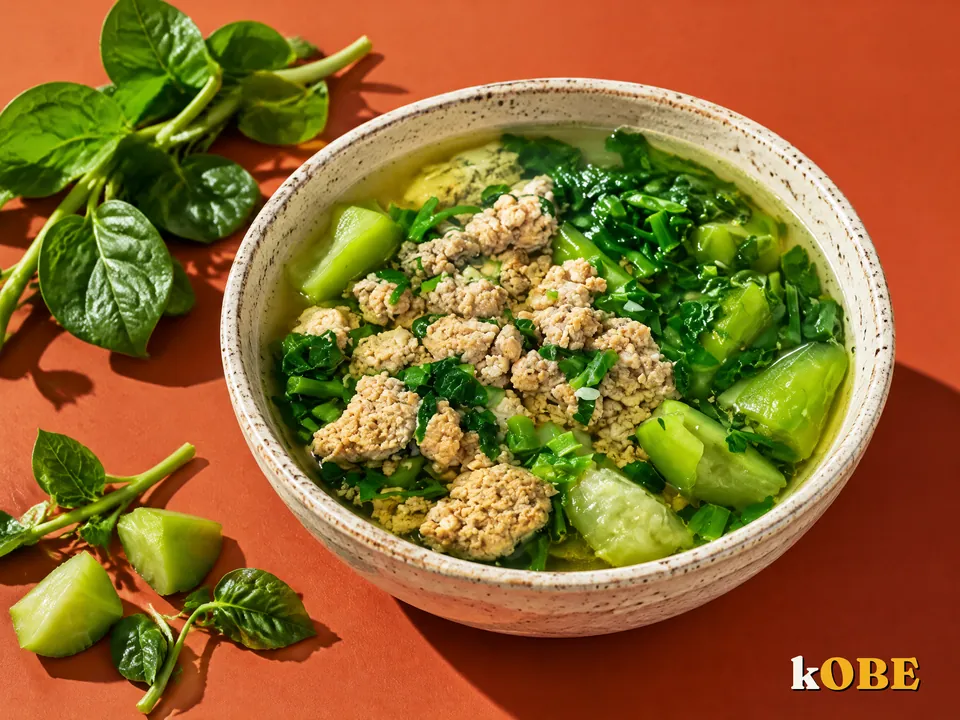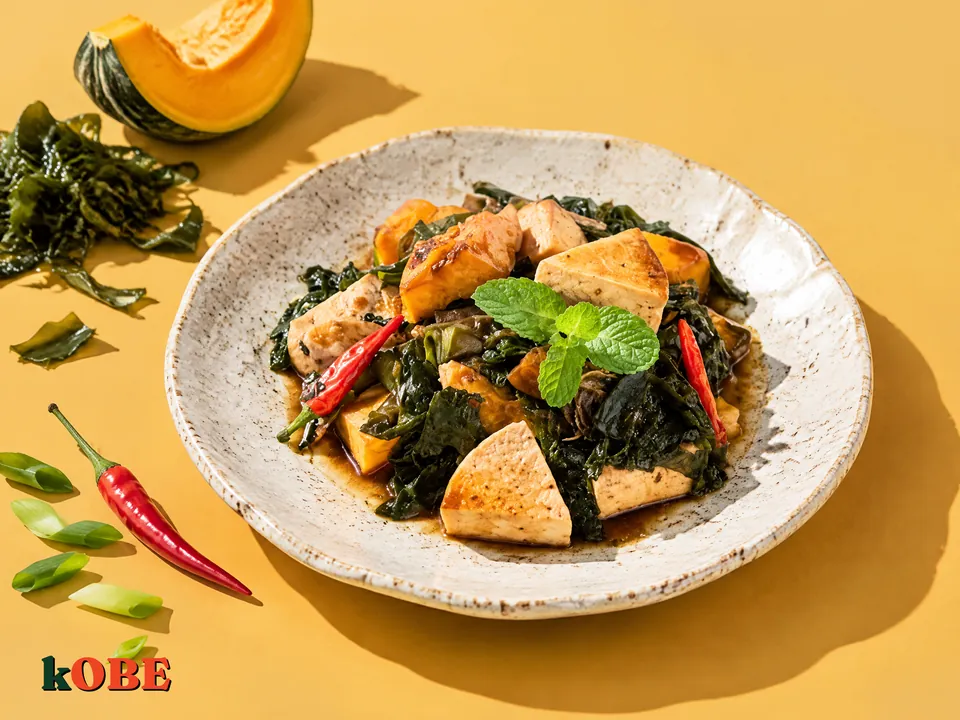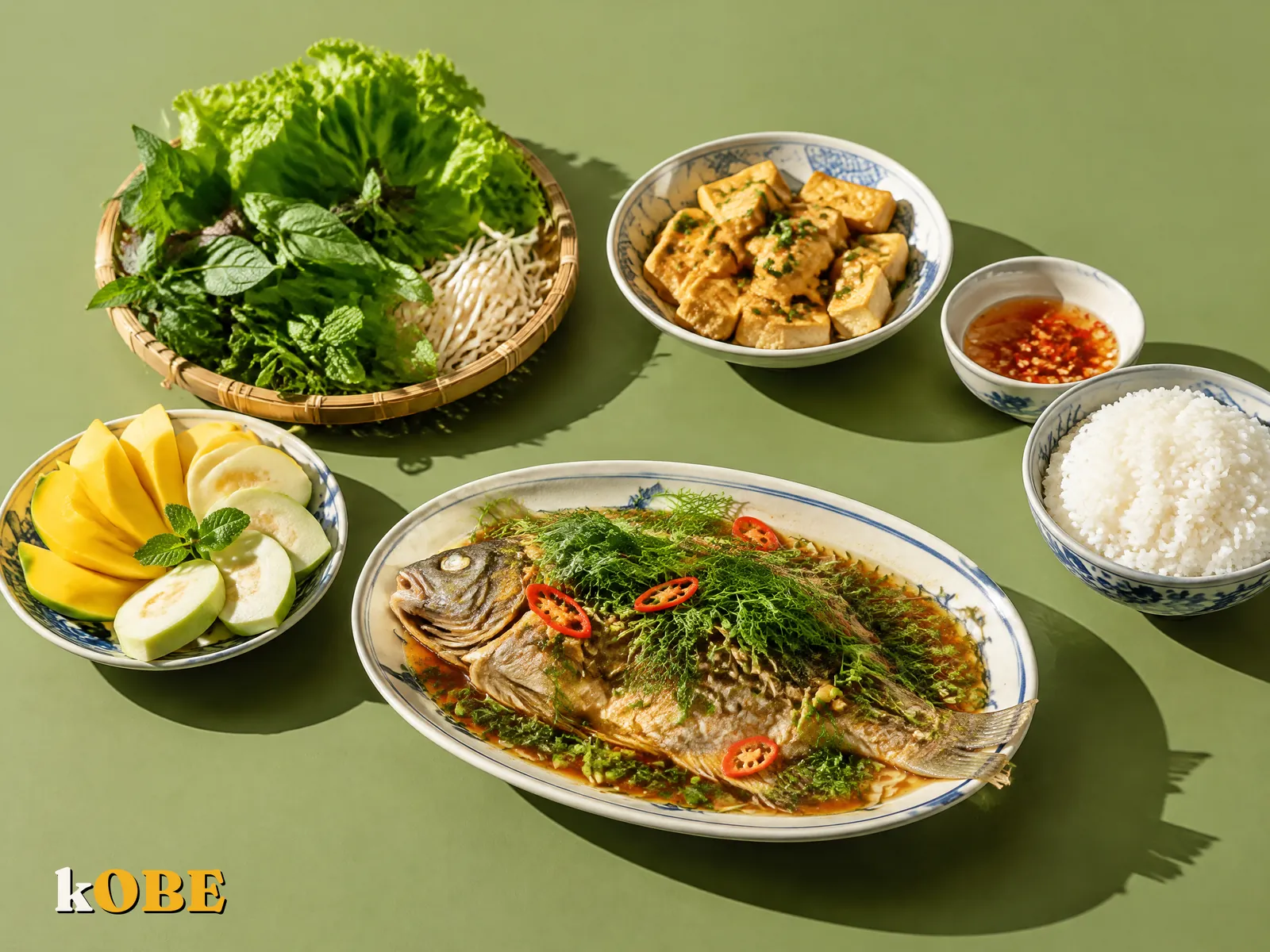
Picture a Vietnamese family dinner. A bowl of canh rau muống (water spinach soup), a plate of cá kho (fish braised in caramel and fish sauce), a basket of fresh herbs, and a little dish of nước mắm (fish sauce) with sliced chili. A few wedges of guava to finish.
Nobody sits down at that table thinking about "vitamins". Yet more than a dozen vitamins and minerals are right there, quietly getting on with their jobs.
Here is the surprising part. If you weighed all 13 vitamins an adult needs in a day, the total would be about a tenth of a gram. Roughly a few mung beans. Tiny. But most of them your body cannot make on its own. They have to come from food.
This article is a map. We will take a tour of where each nutrient lives, which dishes work well together, and when it makes sense to think beyond the plate.
In this article
- As small as a few mung beans, and you cannot make them yourself
- 13 vitamins, two teams: the water lovers and the oil lovers
- Minerals: the "big" group and the "trace" group
- The map: which nutrient shows up in which Vietnamese dish
- Eaten together, things change: four kitchen pairings
- The Vietnamese family meal already does most of the work
- Inside the kOBE kitchen
- Frequently asked questions
As small as a few mung beans, and you cannot make them yourself
Vitamins are organic compounds your body needs in very small amounts, measured in milligrams or even micrograms (millionths of a gram).
The name has a fun backstory. In 1912, the biochemist Casimir Funk stuck together vital and amine (a family of chemicals), because he thought they all belonged to the amine group. It later turned out they did not. But the name had already stuck, so it stayed.
Minerals are a different animal. They are inorganic elements like iron, calcium and zinc. They travel from soil and water into plants, from plants into animals, and then onto your plate.
One difference matters a lot in the kitchen:
- Heat does not destroy minerals. Braise it, fry it, grill it: iron is still iron. But minerals can leak out into cooking water.
- Many vitamins are more delicate. Heat, light, air and water can all wear some of them down.
There are a couple of charming exceptions. Your skin makes vitamin D when it meets sunlight. Your gut bacteria also make a little vitamin K. Almost everything else has to come from what you eat.
13 vitamins, two teams: the water lovers and the oil lovers
This split sounds like textbook stuff, but it is surprisingly handy at the stove.
| Team | Who is on it | Personality | What it means in the kitchen |
|---|---|---|---|
| Water-soluble | Vitamin C and the 8 B vitamins | The body keeps little; extra mostly leaves in urine (B12 is the exception, stored for a long time) | Dissolves into cooking water, dislikes long cooking. Drink the soup broth, cook until just done |
| Fat-soluble | Vitamins A, D, E, K | Stored in the liver and fat tissue | Needs a little fat in the meal to be absorbed. Stir-fried carrot tastes better and "works harder" than raw carrot with no oil |
A fun fact to help you remember the water team: after taking a B vitamin tablet, many people notice their urine turns bright yellow, like salted lemonade. That is extra vitamin B2 (riboflavin) the body is getting rid of. It is harmless, and it is also a reminder that more does not mean you keep more.
The oil team works the other way. Because they are stored, taking too much in pill form can build up. That is why we always say: food first.
Minerals: the "big" group and the "trace" group
Minerals also come in two groups, based on how much you need.
- Major minerals, needed in the hundreds of milligrams a day: calcium, phosphorus, magnesium, sodium, potassium, chloride, sulfur.
- Trace minerals, needed in a few milligrams or less: iron, zinc, iodine, selenium, copper and a few others.
Two numbers to make it concrete:
- An adult body holds about 1kg of calcium, and around 99% of it sits in bones and teeth.
- All the iron in your body adds up to only about 3 to 4g. Enough to make one small nail. And that little nail carries oxygen around your whole body every second.
The map: which nutrient shows up in which Vietnamese dish
This is the heart of the article. Each row has its own deep-dive article if you want more.
| Nutrient | What it does in the body | Often found in | Read more |
|---|---|---|---|
| Iron | The core of hemoglobin, carrying oxygen in the blood | Beef, liver, clams, baby clams, leafy greens, beans | Iron |
| Calcium | Builds bones and teeth, helps muscles contract | Dried shrimp, anchovies eaten bones and all, tofu, sesame, mustard greens, milk | Calcium |
| Vitamin D | Helps the gut absorb calcium | Oily fish, egg yolk, sun-dried mushrooms, and sunshine | Vitamin D |
| Vitamin B12 | Needed to make blood cells and look after nerves | Meat, fish, eggs, milk, clams | B12 |
| Potassium | Keeps fluid balance, helps muscles and the heart contract | Bananas, potatoes and sweet potatoes, avocado, leafy greens, coconut water, beans | Potassium |
| Magnesium | Takes part in hundreds of enzyme reactions | Greens, nuts and seeds, beans, brown rice, cacao | Magnesium |
| Zinc | Needed by many enzymes and for making new cells | Oysters, beef, crab, pumpkin seeds, beans | Zinc |
| Vitamin C | Makes collagen, helps absorb iron from plants | Guava, bell pepper, fresh herbs, pomelo, orange | Vitamin C |
| Beta-carotene | The body turns it into vitamin A when needed | Orange sweet potato, carrot, pumpkin, gấc (a red Vietnamese fruit), dark leafy greens | Beta-carotene |
| Folate | Needed to make DNA and new cells | Dark leafy greens, beans, asparagus | Folate |
| Sodium | Keeps the body's fluids in balance | Salt, fish sauce, seasoning powder, pickles | Salt |
Look at the table and one thing jumps out: almost every nutrient turns up in very familiar food. No exotic dishes, no imported seeds. What matters is variety.
Sodium is the odd one out: Vietnamese diets tend to have too much, not too little. So the salt article is about "less", not "more".
Eaten together, things change: four kitchen pairings
With the same amount of a nutrient, how much your body actually takes in depends on what you eat it with. Nutrition scientists call this bioavailability.
- Iron from greens and beans + vitamin C. Iron from plants is harder to absorb than iron from meat. Vitamin C helps "unlock" it. Stir-fried water spinach with a few slices of guava on the side, or a squeeze of lime over a nộm (Vietnamese herb salad), makes a lovely pair.
- Beta-carotene + a little oil. Pumpkin stir-fried with garlic, sautéed carrot, a salad with a drizzle of sesame oil. The oil team needs oil to get in.
- Leave a little gap before tea and coffee. Tannins in tea and coffee can reduce the iron you absorb from plants if you drink them right with the meal. Many people choose to have them a while after eating.
- Calcium + vitamin D. Vitamin D is like the doorman who lets calcium into the blood. That is why the two are so often mentioned together.
And one very Vietnamese trick: the soup bowl. B vitamins, vitamin C and potassium partly dissolve into water during cooking. Vietnamese families drink the broth too, so that share is not poured down the sink the way it is when you boil vegetables and drain them.
The Vietnamese family meal already does most of the work
Good news: you do not need to count milligrams. A traditional Vietnamese meal, with a soup, a savory main and some greens, is already heading in the right direction. Just keep a few habits:
- Greens at every meal, in different colors. Dark green (water spinach, mustard greens, Malabar spinach), orange and yellow (pumpkin, carrot, sweet potato), red and purple (tomato, red cabbage). Each color tends to bring a different group of nutrients.
- Rotate your protein through the week. Beef today, fish tomorrow, then eggs, tofu, clams. Each source is strong in something different.
- Keep the basket of fresh herbs. Greens that skip the heat hold on to vitamin C well.
- Fresh fruit for dessert. Guava, orange, papaya and ripe mango are all familiar choices.
- Swap white rice for whole grains now and then. The bran layer on brown rice keeps more magnesium and B vitamins.
Needs vary by age, sex, pregnancy and activity level. Vietnam's National Institute of Nutrition publishes Recommended Dietary Allowances for Vietnamese People (2016) for each group. If you are pregnant, fully vegetarian, older, or have a particular health condition, a good step is to ask a health professional. Whether to take a pill at all, we cover separately in Do you need a multivitamin.
Inside the kOBE kitchen
Each kOBE frozen rice bowl follows the shape of a family meal: rice, a main dish and a portion of Sesame Kale. The kale is massaged with sesame oil and toasted sesame, namul style, so a little fat for the oil team is already there.
Black Brown Rice contains anthocyanins, the deep purple pigment found in black rice. Our Japanese, Purple and Honey Sweet Potatoes are roasted with a little olive oil, then diced and frozen.
In our 1,480 home recipes, every dish lists calories, protein, fat and sugar per 100g. We do not list numbers for vitamins and minerals. So the simplest tip: add a basket of fresh herbs and a plate of fruit on the side. See our ready-cooked ingredients.
Frequently asked questions
Does a normal diet give you enough vitamins?
Does cooking destroy all the vitamins?
Do frozen vegetables still have vitamins?
Do you need "superfoods" to get enough nutrients?
Keep reading
Sources
- National Institute of Nutrition (Vietnam) (2016). Recommended Dietary Allowances for Vietnamese People [Nhu cầu dinh dưỡng khuyến nghị cho người Việt Nam]. Medical Publishing House.
- National Institute of Nutrition (Vietnam). Vietnamese Food Composition Table [Bảng thành phần thực phẩm Việt Nam].
- WHO and FAO (2004). Vitamin and mineral requirements in human nutrition, 2nd ed.
- Harvard T.H. Chan School of Public Health, The Nutrition Source. Vitamins and Minerals.
- Further reading: Understanding Nutrition 16th ed., chapters 10 to 13; Encyclopedia of Human Nutrition 3rd ed.