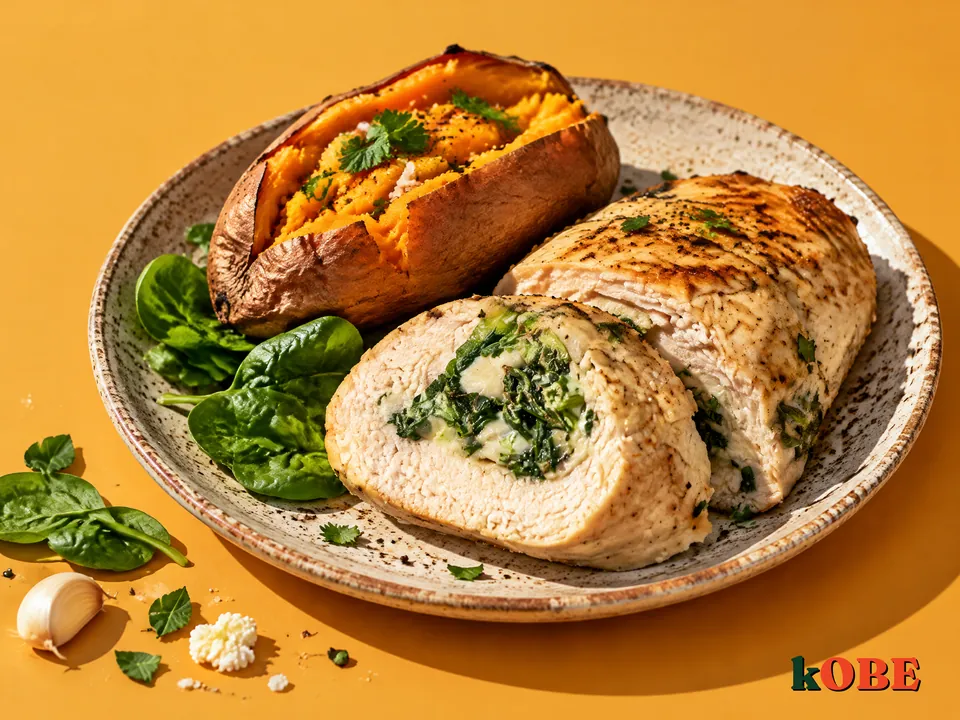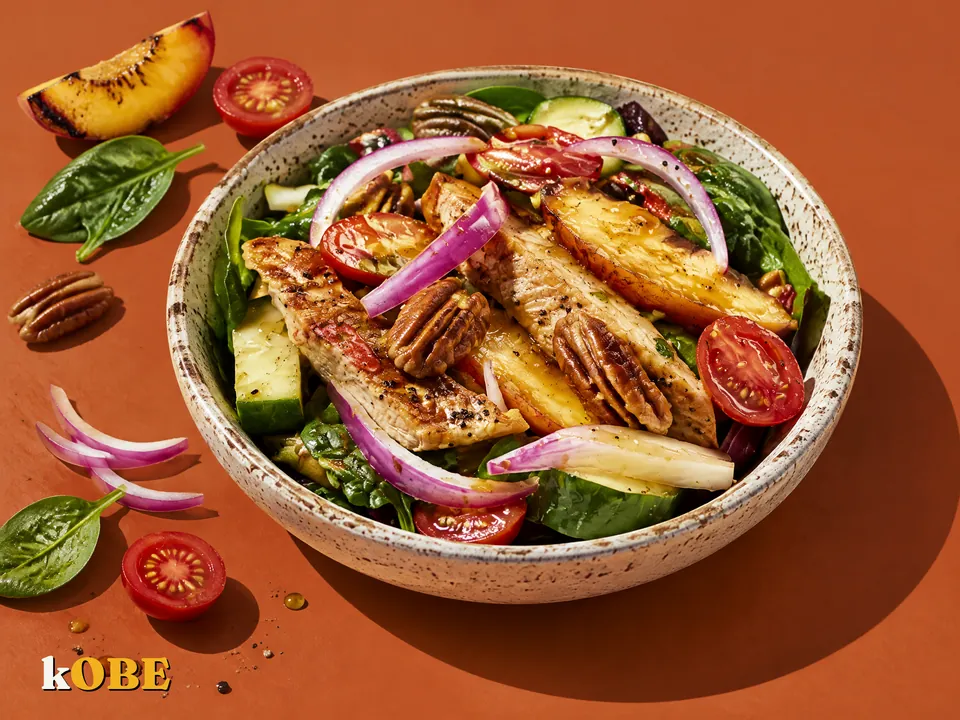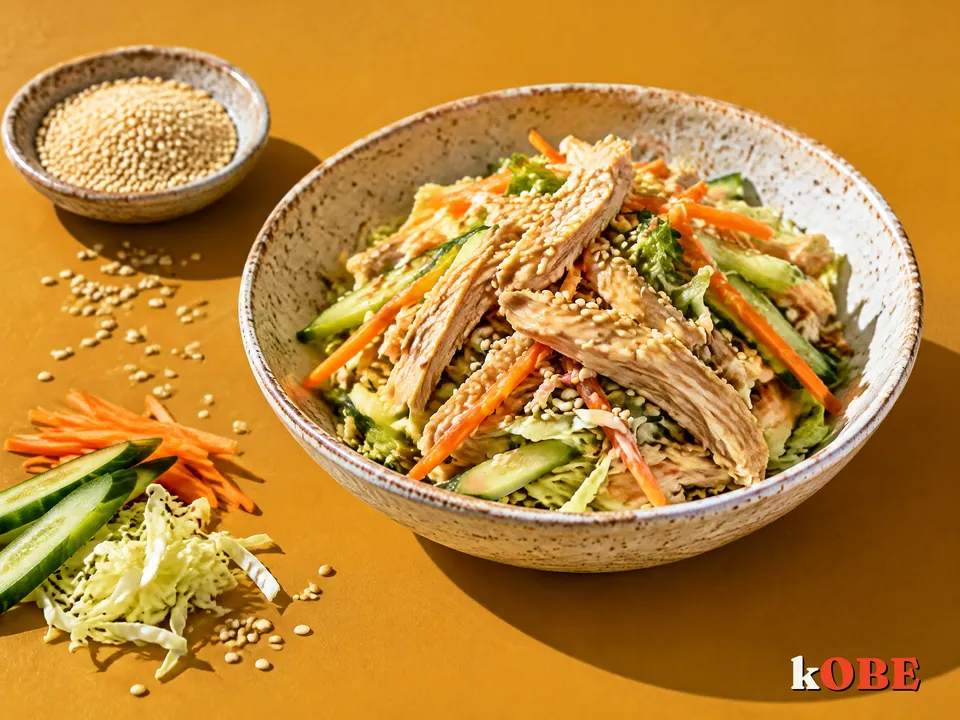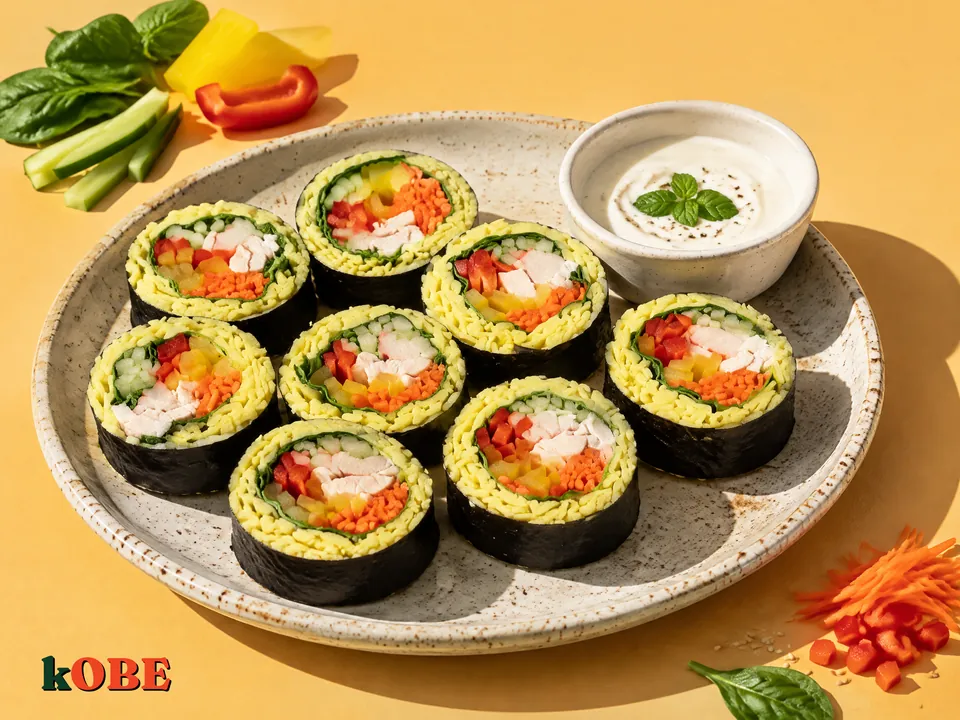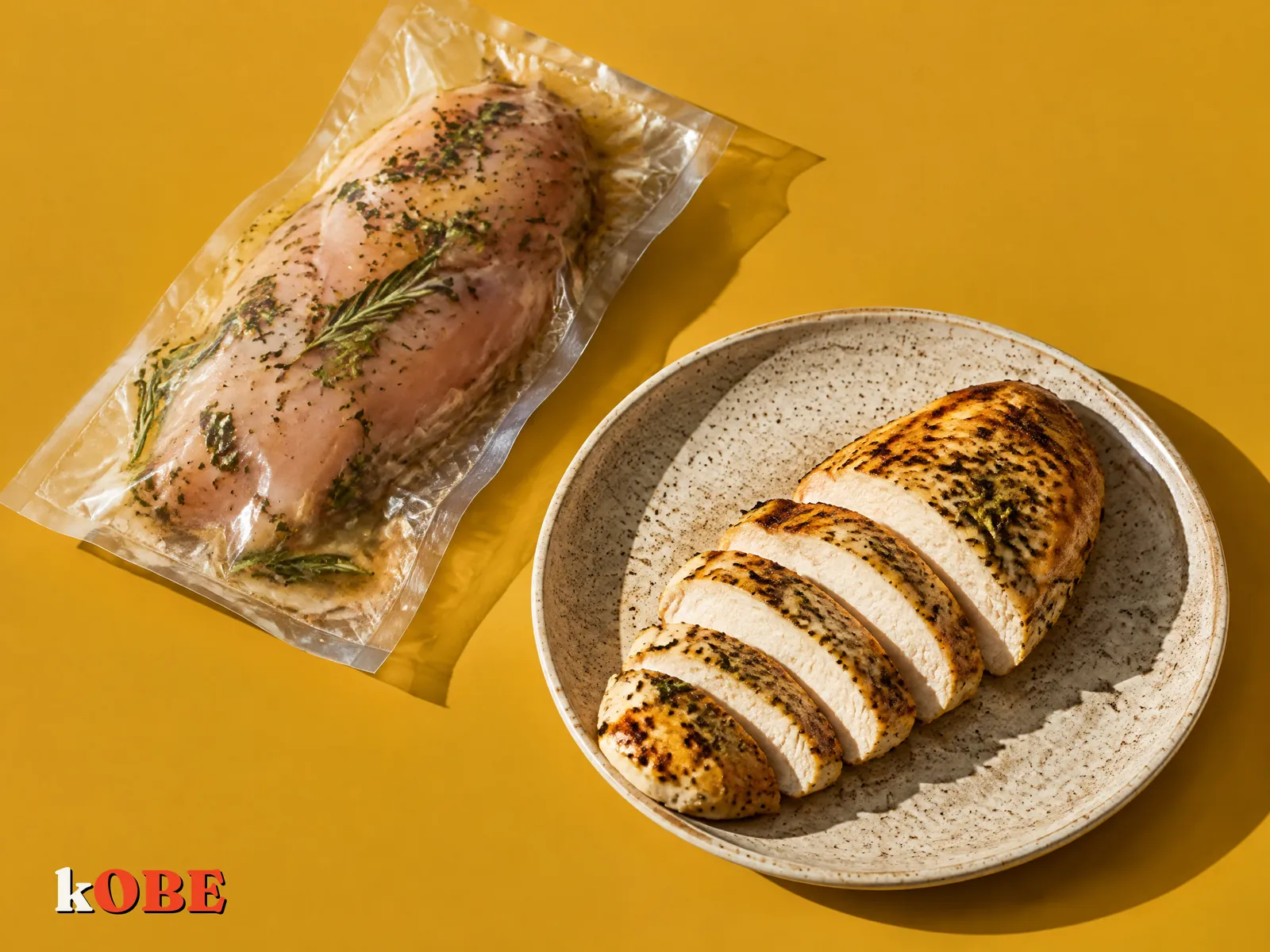
Anyone who has grilled chicken breast at home knows this feeling. The meat looks beautifully golden, but one bite and it is dry as sawdust. You need to drown it in sauce just to get it down.
Then one day you try sous vide chicken breast. Same cut of chicken, yet it is tender, juicy, still glistening when you slice it. You wonder: what on earth did they do?
The answer isn't some secret seasoning. It comes down to a few degrees Celsius.
In this article
A fancy name for a very "pot of water" method
Sous vide is French, pronounced roughly "soo veed", and means "under vacuum". The method has two steps:
- Put the meat in a bag, suck out all the air and seal it.
- Sit the bag in a pot of water held at one exact temperature, usually very low compared with normal cooking, for a long time.
That's all. No flame, no oil, no pan.
French kitchens developed the technique in the 1970s. At first it was used in high-end restaurants. Now a home sous vide cooker is about the size of a handheld fan.
Why does chicken breast dry out? It's all about protein strands
Meat is a bundle of millions of muscle fibers. Each fiber is held together by different proteins, and each protein "shrinks" at a different temperature.
Picture a muscle fiber as a sponge full of water:
- Around 50 to 60°C: some proteins start to change shape. The meat turns from translucent to opaque and firms up, but still holds its water.
- From about 65°C upward: other proteins contract harder. They squeeze the sponge and push the water out.
- Above 70°C: the meat loses water fast, and the fibers turn dry and tough.
Chicken breast has very little fat to "shield" it. So going a few degrees past the threshold is enough to dry it out. Chicken thigh has more fat and connective tissue, so it is more forgiving.
How is a hot pan different from a warm pot of water?
A grill pan gets hotter than 200°C. For the center of the chicken to cook, the outside has to sit in excessive heat for a long time. By the time the core is just done, the outer layer passed the threshold ages ago. The result: a dry outside and a center that is only just right.
Sous vide flips that around. The water is only as hot as the temperature you want, say 60°C. The heat cannot go past that number. From the outside in, the whole piece cooks evenly.
The vacuum bag helps too. With no air in the way, the water passes heat into the meat very evenly. Any juices the meat releases also stay in the bag instead of evaporating.
One more bonus: cooking an extra few dozen minutes won't "overcook" it, because the heat never goes above the set level.
Cooked at 60°C, isn't it raw?
This is the question we get asked most. Eating chicken cooked at 60°C sounds risky.
The secret is time. Bacteria don't die instantly at one magic temperature. The higher the heat, the faster they die. At lower heat, you need to hold it longer.
The USDA Food Safety and Inspection Service (USDA FSIS) has a temperature and time table for poultry. At 60°C, bacteria like Salmonella are killed if the center of the meat holds that temperature long enough, about half an hour. At 74°C, it is almost instant.
The full story is a little longer, so we wrote it up separately in What temperature is safe for sous vide.
Good to know: chicken breast cooked sous vide at 60°C looks a little pinker and juicier than boiled chicken. That is the color of meat that kept its water, not raw meat.
Want to try it at home? No fancy machine needed
A sous vide cooker makes it easiest. But you can still try with things you already have:
- Thick, heat-safe zip bags. Lower the bag slowly into a pot of water so the water pushes all the air out, then seal it. This trick is called the "water displacement" method.
- A food thermometer. This one is non-negotiable. Temperature is everything.
- A big pot of water. The more water, the steadier the heat.
The hardest part is keeping the heat steady on a home stove. If you can't keep a close eye on it, choose a slightly higher temperature for peace of mind, like 65°C.
Once cooked, the chicken looks a bit pale. Sear it in a very hot pan for 30 seconds per side for a golden, fragrant color. The inside is already cooked; you are only building a crust.
Inside the kOBE kitchen
Our Sous Vide Chicken Breast is brined only in sea salt, then cooked sous vide at 60°C for 90 minutes. After cooking it is quickly chilled and frozen, so the meat stays tender and juicy.
Every 100g of cooked meat has 31g of protein, 165 kcal, 3.6g of fat and 0g of starch. We portion it into 90 to 120g packs, or 1kg bags for people who cook for the whole week.
We also make sauced sous vide chicken from bone-in chicken leg quarters, in Monk Fruit Glazed, Lemongrass Chili, Black Pepper and Chili Salt flavors. The sauces are cooked with our monk fruit sweetener.
How to reheat and keep it juicy: thaw in the fridge overnight, or use the microwave on low. Avoid blasting it on high heat for too long because, as you now know, going past the threshold pushes the juices out.
Frequently asked questions
Does sous vide destroy nutrients?
Is it safe to cook in plastic bags for a long time?
Can you sous vide beef or fish?
Keep reading
Sources
- Baldwin D.E. (2012). Sous vide cooking: A review. International Journal of Gastronomy and Food Science 1(1):15 to 30.
- USDA FSIS (2021). Appendix A: Compliance Guidelines for Meeting Lethality Performance Standards.
- USDA FoodData Central, SR Legacy: chicken breast, roasted (FDC 171477).
- Further reading: Culinary Nutrition, section on heat and meat protein structure; Understanding Nutrition 16th ed., chapter 6.