Veggies, fiber & gut
Fiber and the tiny friends living in your gut.
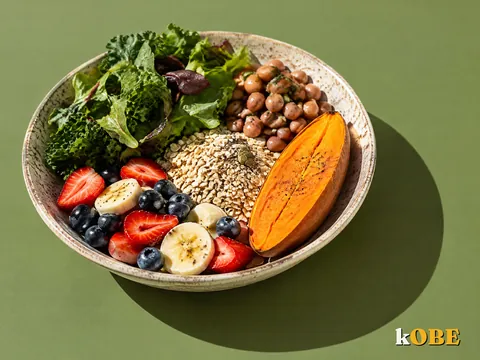
Fiber and your gut microbiome: every meal feeds 38 trillion dinner guests
About 38 trillion bacteria live in your gut, and their food is fiber. What science knows for sure, what is still being studied, and how to feed them well.
Read →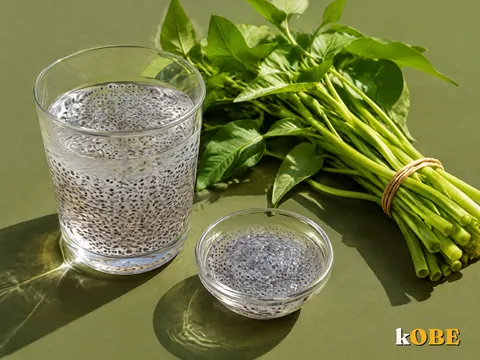
Soluble vs insoluble fiber: why basil seeds swell and morning glory stems do not
Soaked basil seeds turn into gel, morning glory stems stay crisp. Soluble vs insoluble fiber do two different jobs, and a Vietnamese meal already has both.
Read →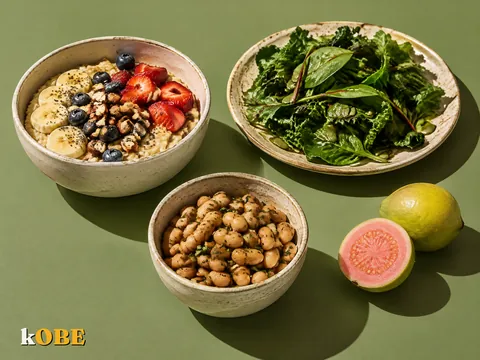
How much fiber per day? The 25g target, and why one plate of greens is not enough
WHO says adults need at least 25g of fiber per day. A plate of morning glory gives about 3g. Here is how to reach 25g from Vietnamese meals, no rabbit diet.
Read →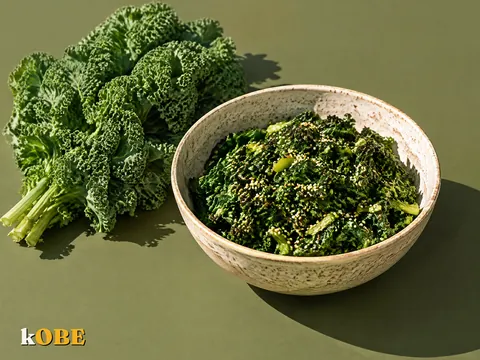
What makes kale so famous? A cabbage cousin, and the secret of massaging your greens
Kale nutrition facts: a close cousin of cabbage, with as much vitamin C as an orange and triple your daily vitamin K. Plus why Koreans massage it with oil.
Read →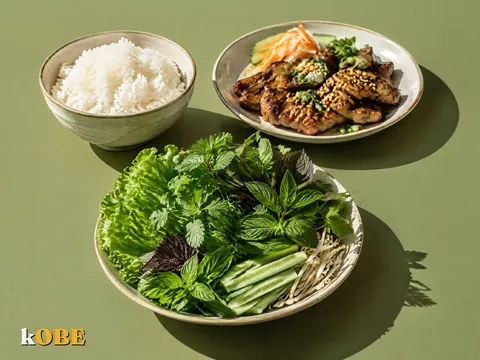
Eat vegetables before carbs: same meal, different order, does it really matter?
Same meal, but eat vegetables before carbs, meat next and rice last, and blood sugar rises more gently. What science says about food order, and how to try it.
Read →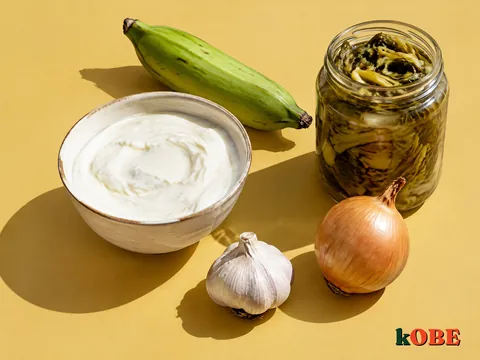
Prebiotics vs probiotics: one is the seed, the other is the fertilizer
Probiotics are live bacteria, prebiotics are their food. Prebiotics vs probiotics: one letter apart, two very different jobs. What is proven and what is hype.
Read →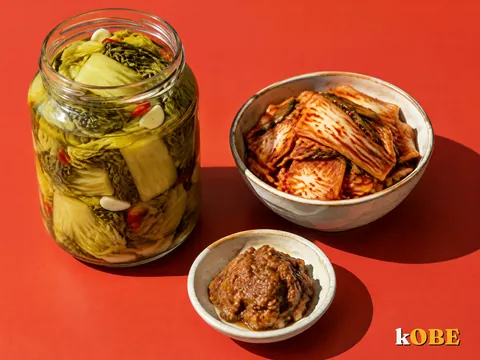
Pickled greens, kimchi, soybean paste: the Vietnamese table is a museum of fermented foods
Grandma's pickle crock is a tiny microbiology lab. Which Vietnamese fermented foods still carry live bacteria, what science says, and why to wait for yellow.
Read →
How does processed food affect your gut? Not everything "processed" is bad
Frozen peas and cheese puffs are both processed food, yet worlds apart. What ultra-processed food is, how it affects gut health and bacteria, what is unclear.
Read →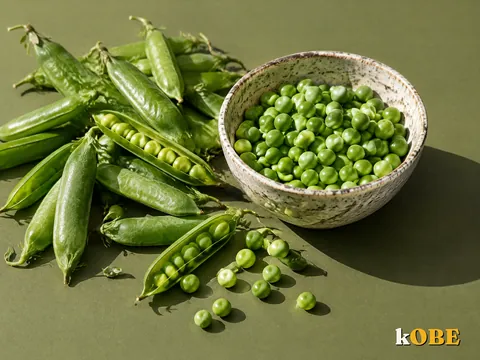
What is in green peas? The little pea that gave birth to genetics
Green peas nutrition: 100g of cooked peas has about 5g protein and 5g fiber, more than a plate of greens. Plus a monk's garden and why frozen peas taste sweet.
Read →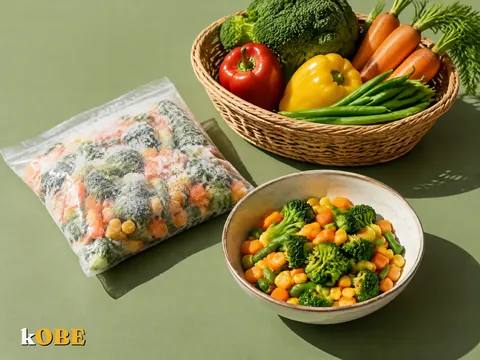
Are frozen vegetables worse than fresh? The answer surprises a lot of people
"Fresh" greens after 5 days in the fridge can lose more vitamins than a bag of frozen ones. Frozen vs fresh vegetables: what is lost, what is not, how to cook.
Read →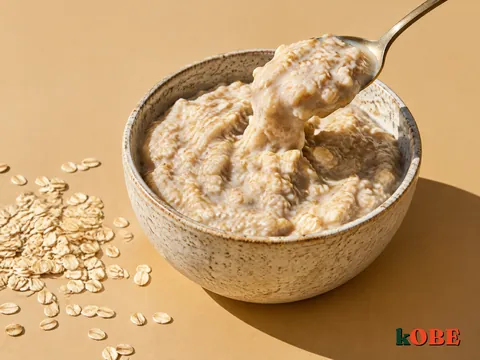
What is beta-glucan in oats? The secret behind a pot of thick, gluey oatmeal
Cooled oatmeal sets thick thanks to beta-glucan in oats, a gel-forming fiber. What it does in your gut, how many oats make 3g a day, and what is in oat milk.
Read →