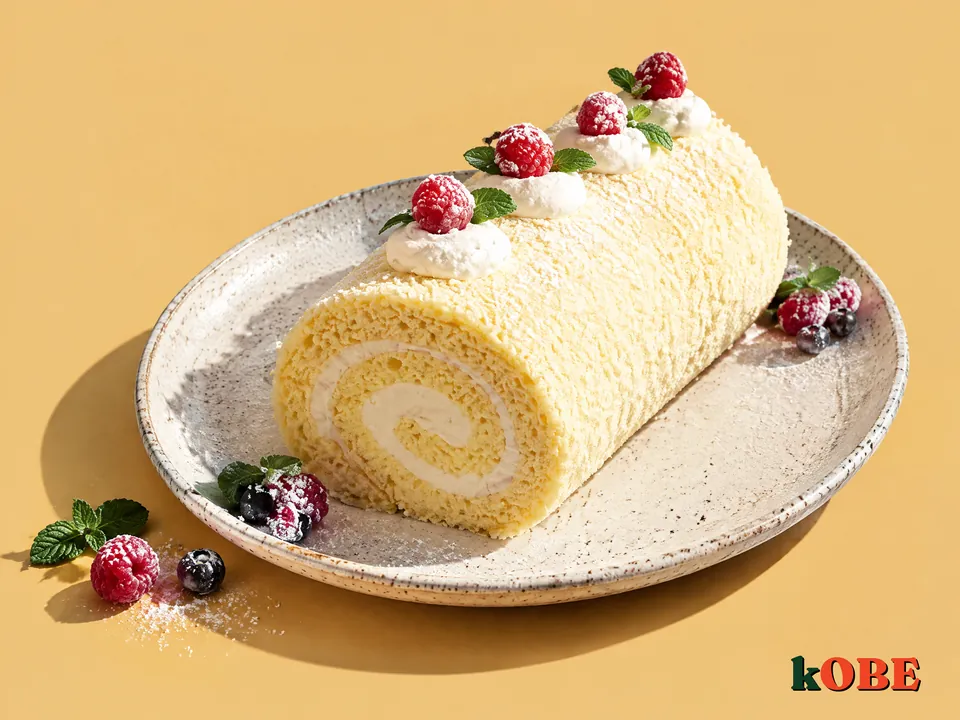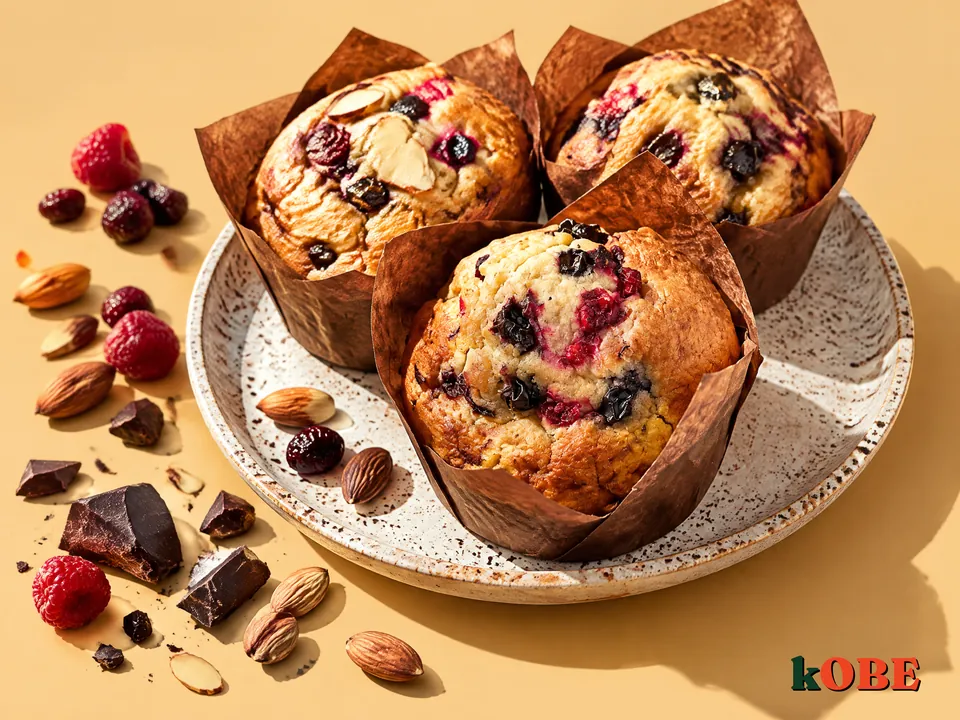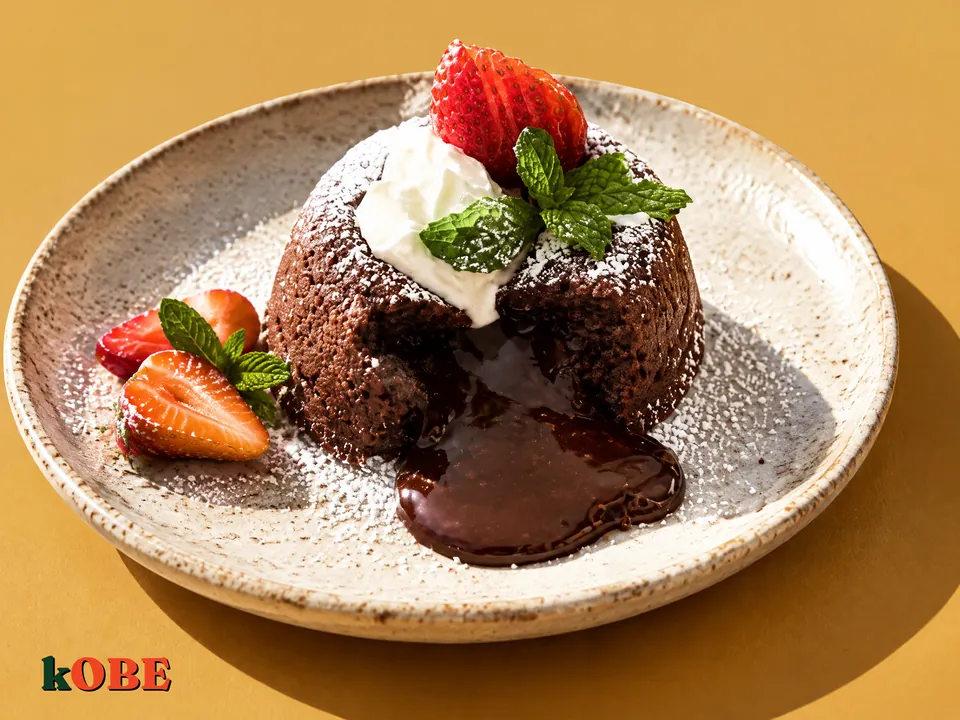
Sugar-free bakers share one common complaint. The cake is nicely sweet, soft and fragrant. But the top stays pale and refuses to turn golden like Grandma's.
The reason is that most sugar substitutes don't know how to "brown." There are only a few exceptions. One of them has a rather unusual name: allulose.
Chemically, it's a real sugar. Yet your body takes almost no calories from it. The story begins with one tiny detail inside the molecule.
In this article
Just how rare is a "rare sugar"?
Allulose belongs to the rare sugar family. These are sugars that occur in nature, but only in tiny amounts.
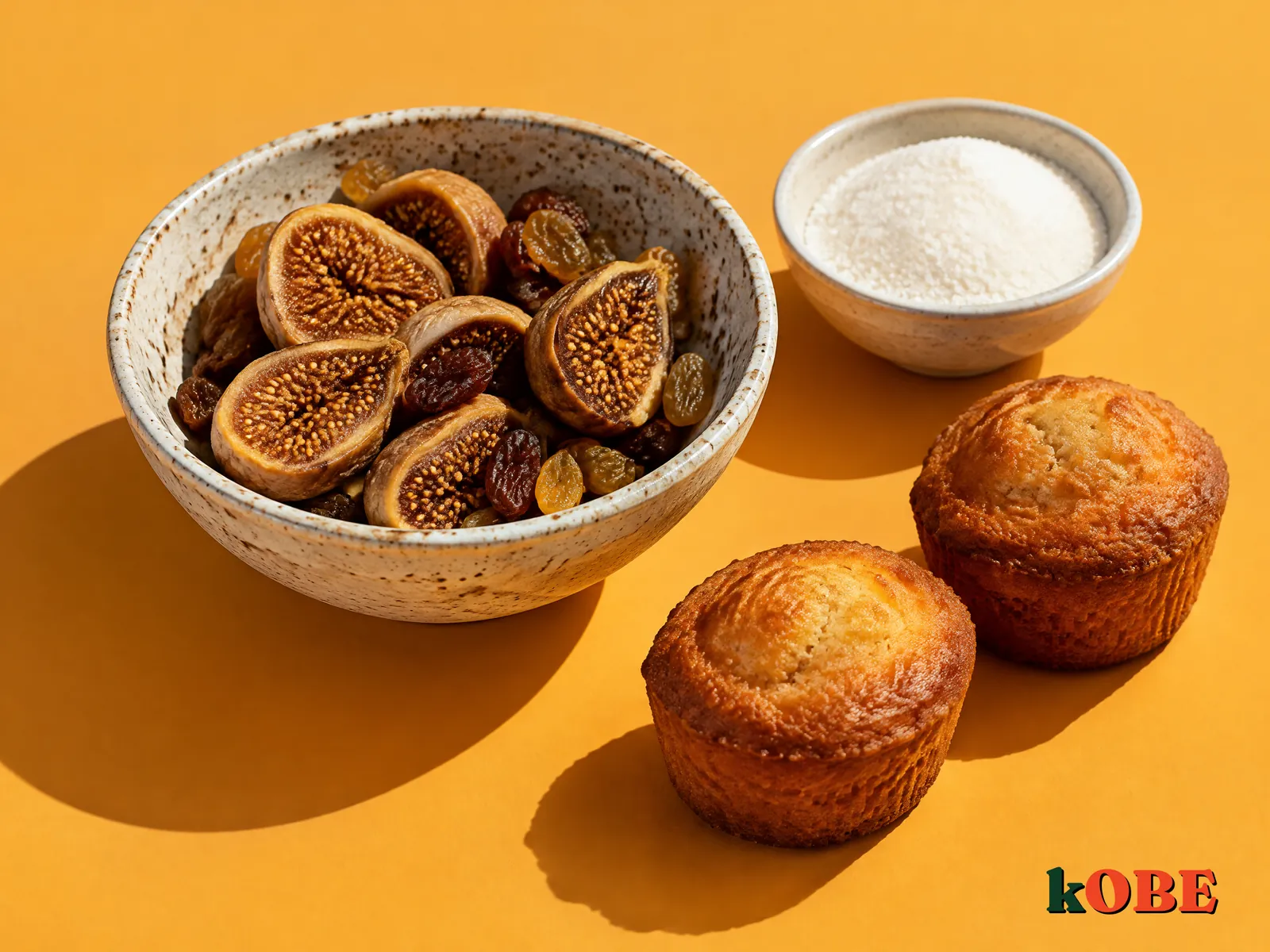
Allulose is found in dried figs, raisins, wheat, and a little in foods where sugar is cooked for a long time, like caramel color and caramel candy. But those amounts are far too small to collect into a powder.
So to get allulose for cooking, it has to be "made" from another sugar. Japan is one of the pioneers in researching how to do this.
Fructose's twin, different by just one key tooth
Allulose and fructose (fruit sugar) have exactly the same chemical formula. The only difference: at position 3 on the molecule's frame, one small branch points the opposite way.
Picture it like this. Two keys that are identical except for a single tooth. Digestive enzymes and the enzymes inside your cells are the locks. The fructose key fits perfectly and opens the door right away. The allulose key gets stuck.
Making allulose builds on this idea. An enzyme is used to "flip" that one tooth on a fructose molecule. The fructose usually comes from corn or sugar beets. It's then refined into a white powder or syrup.
About 70% as sweet, about a tenth of the calories
Allulose is about 70% as sweet as cane sugar. The taste is quite close to sugar, with little aftertaste.
As for calories:
| One teaspoon (about 4g) | Calories |
|---|---|
| White sugar | about 16 kcal |
| Allulose | under 2 kcal |
Why? Because the key gets stuck. Most allulose is absorbed into the blood in the small intestine. But your cells can hardly unlock it to burn for energy. It takes a lap around the body and then leaves through urine.
Studies show allulose barely raises blood sugar or insulin. A few studies even suggest allulose might soften the blood sugar rise of a whole meal a little. But this part is still being studied, and the number of participants is small. We don't count it as settled yet.
A fun fact on US labels: a sugar that doesn't count as sugar
Here's a detail for label lovers.
In 2019, the US Food and Drug Administration (FDA) issued specific guidance for allulose. Under it:
- Allulose does not have to be counted in the "total sugars" and "added sugars" lines on US nutrition labels.
- But it must still be counted in total carbohydrate.
- Calories are counted at about 0.4 kcal per gram, instead of 4 kcal like sugar.
So if you pick up an imported snack and see fairly high carbohydrate but almost zero sugar, there's a good chance allulose or something similar is inside.
In the kitchen: allulose does what few sugar substitutes can
This is why bakers love allulose.
- It browns. Allulose takes part in the Maillard reaction (the reaction that turns cake tops and bread crusts golden) just like real sugar. It actually browns faster than cane sugar, so bakes can darken quickly at high heat.
- It holds moisture. Sponge cakes and muffins stay soft longer.
- It doesn't recrystallize in the cold. Ice cream, sauces and puddings stay smooth in the fridge, not gritty.
- It dissolves easily. Cold drinks mix up fast.
A few things to keep in mind:
- Because it attracts moisture, cookies made with a lot of allulose have a hard time staying crisp. They tend to soften after a day or two.
- Because it browns fast, lower your oven by about 10 to 15°C compared with a sugar recipe, or keep a close eye near the end.
- Allulose is a bit less sweet than sugar, so on its own you'll need slightly more.
Because of these traits, allulose is usually blended with other sweeteners rather than used alone. It fills exactly the gaps erythritol leaves: golden color and smoothness.
Inside the kOBE kitchen
Allulose is one of the five ingredients in the kOBE Signature Monk Fruit Blend. Its role: helping bakes turn golden in the oven and giving a taste close to cane sugar.
Its teammates are erythritol (the sweet base and bulk), monk fruit, stevia (a small amount) and inulin (a fiber that adds no sweetness). The blend swaps for sugar 1:1.
We'll be honest: even with allulose, cakes baked with this blend still come out a paler gold than cakes made with cane sugar. For a glossy golden top, brush on a layer of egg yolk before baking.
Frequently asked questions
Is allulose a sugar?
Does allulose raise blood sugar?
Can I use allulose to braise pork?
Why does a label show high carbohydrate but almost zero sugar?
Keep reading
Sources
- U.S. FDA (2019, finalized 2020). Guidance for Industry: The Declaration of Allulose and Calories from Allulose on Nutrition and Supplement Facts Labels.
- Iida T. et al. (2010). Failure of D-psicose absorbed in the small intestine to metabolize into energy and its low large intestinal fermentability in humans. Metabolism 59(2):206 to 214.
- U.S. FDA, GRAS notices on allulose (D-psicose).
- Further reading: Understanding Nutrition 16th ed., chapter 4; Culinary Nutrition.