In Ho Chi Minh City, sunshine is never in short supply. By eight in the morning it is already glaring, and at noon people head out in jackets, face masks, gloves and sunglasses.
Take a closer look at that "sun armor" and you will spot a funny paradox. Vitamin D is called the "sunshine vitamin". Yet people living in the middle of all that sun can still fall short.
In this article
Vitamin D is closer to a hormone than a vitamin
Vitamin D has a rather odd résumé.
Most vitamins have to come from food. Vitamin D, your skin can make itself. When the UVB rays in sunlight hit your skin, a compound already sitting under the skin is converted into vitamin D.
After that it still has to pass through the liver, then the kidneys, before it becomes the active form. That active form behaves like a hormone, sending signals to many organs. That is why many scientists call vitamin D a prohormone.
Its most famous job: helping the gut absorb calcium and phosphorus. Without vitamin D, most of the calcium from your meals passes through without being kept. That is why the two so often travel together, as we explained in the calcium article.
The sunny-country paradox: lots of sun does not mean enough
There are many reasons why sunshine outside does not turn into vitamin D inside:
- Working indoors all day. An air-conditioned office, and home after dark.
- Covering up on the street. Jackets, gloves and masks block most UVB.
- Sunscreen. It does a fine job protecting your skin, and it also cuts the vitamin D your skin makes.
- Window glass. Sitting behind a sunny window makes almost no vitamin D, because glass blocks most UVB.
- Age. Older skin makes vitamin D less efficiently than younger skin.
We are not telling you to skip sunscreen or how long to sit in the sun. That is a balance between protecting your skin and vitamin D, and it differs for everyone. If you are unsure, a health professional can advise you based on your skin and circumstances.
What we can do is point to the other part: food.
Very few foods have vitamin D, so here is the short list
Unlike vitamin C, which is everywhere, vitamin D is found in only a handful of foods.
| Source | Vitamin D level | Notes |
|---|---|---|
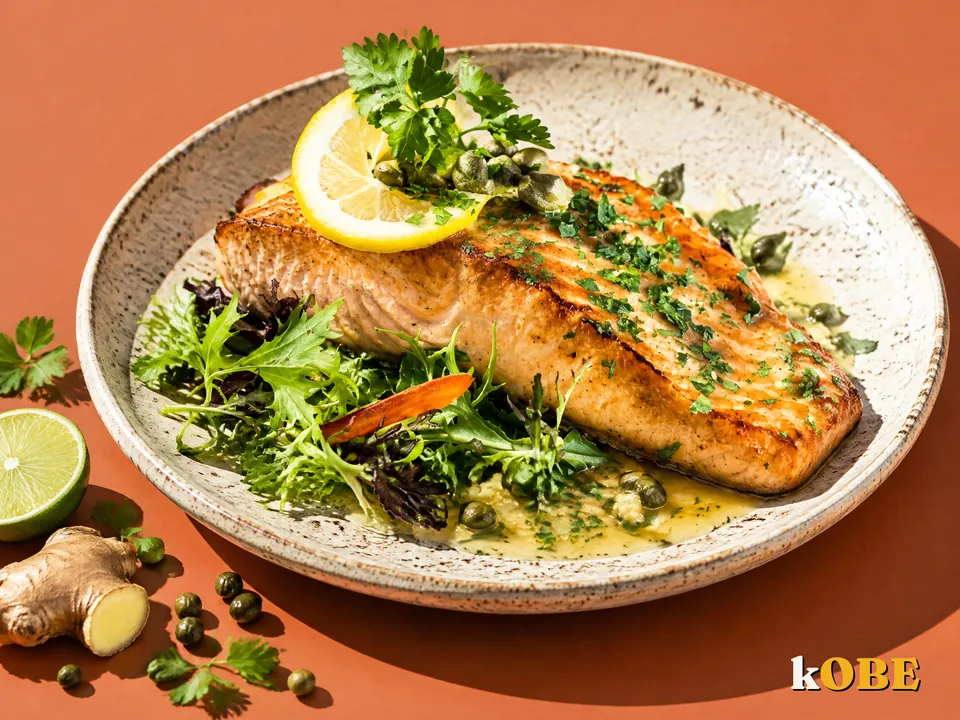
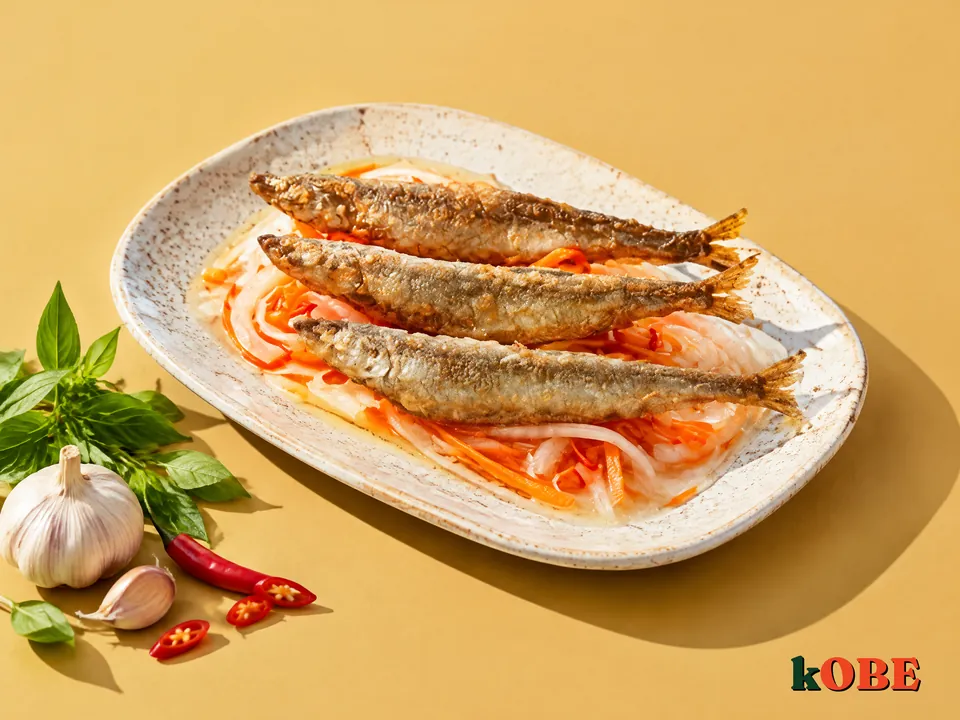
| Oily fish: salmon, mackerel, sardines, herring | Highest among everyday foods | Wild salmon usually has more than farmed |
| Egg yolk | Moderate | The vitamin D is in the yolk, not the white |
| Liver | Some, in small amounts | Eat occasionally |
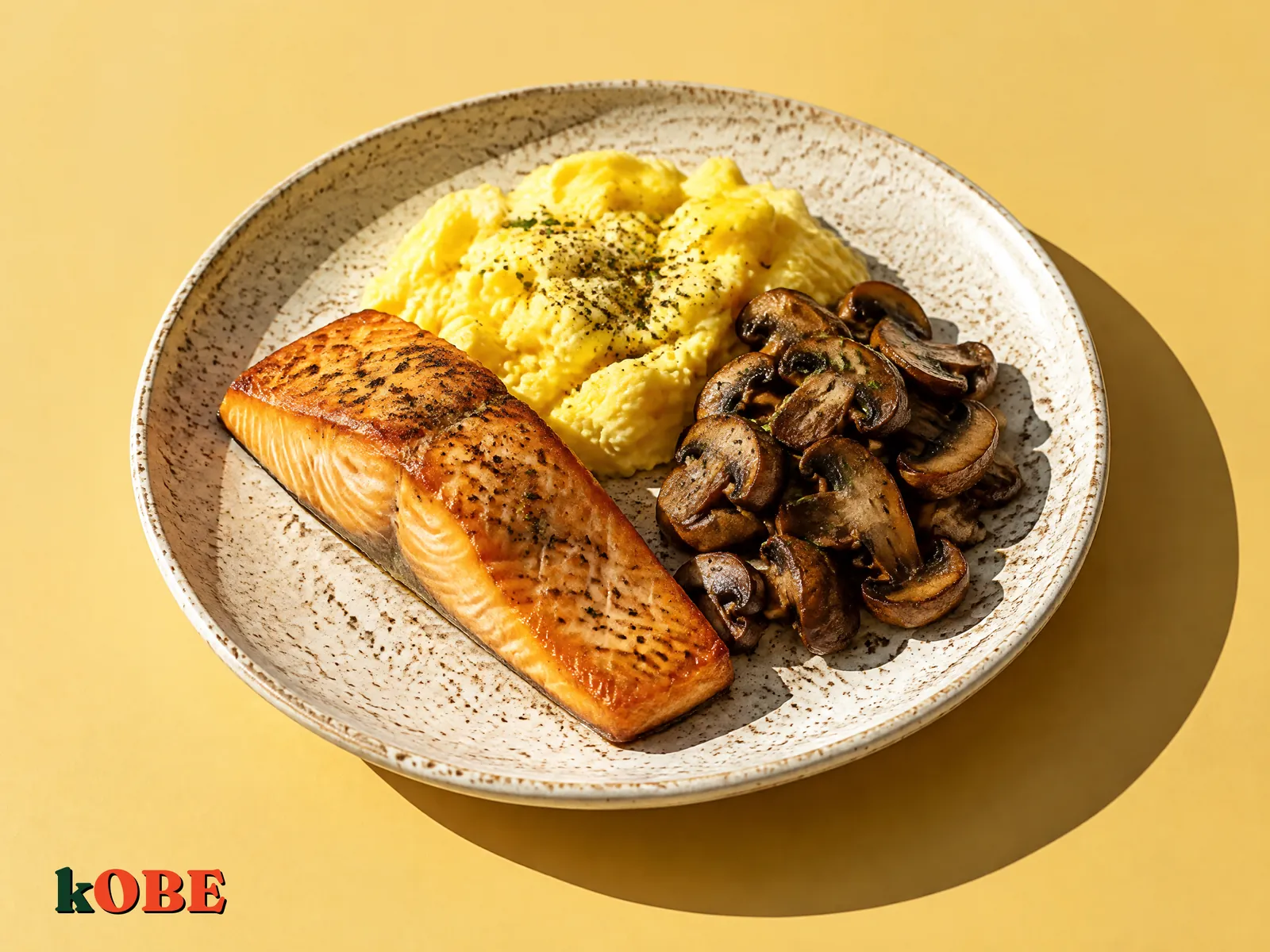
| Mushrooms sun-dried or exposed to UV light | Depends on exposure | A really fun trick, see below |
| Fortified milk, plant milk and cereals | Depends on the product | Check the label |
International recommendations for adults usually fall between 5 and 15 micrograms a day, depending on the organization and age. A palm-sized piece of salmon can contribute a meaningful share. But hardly anyone eats salmon every day. So for most people, sunshine is still the main source and food plays a supporting role.
An odd trick: take your mushrooms sunbathing
This is our favorite fun fact in the article.
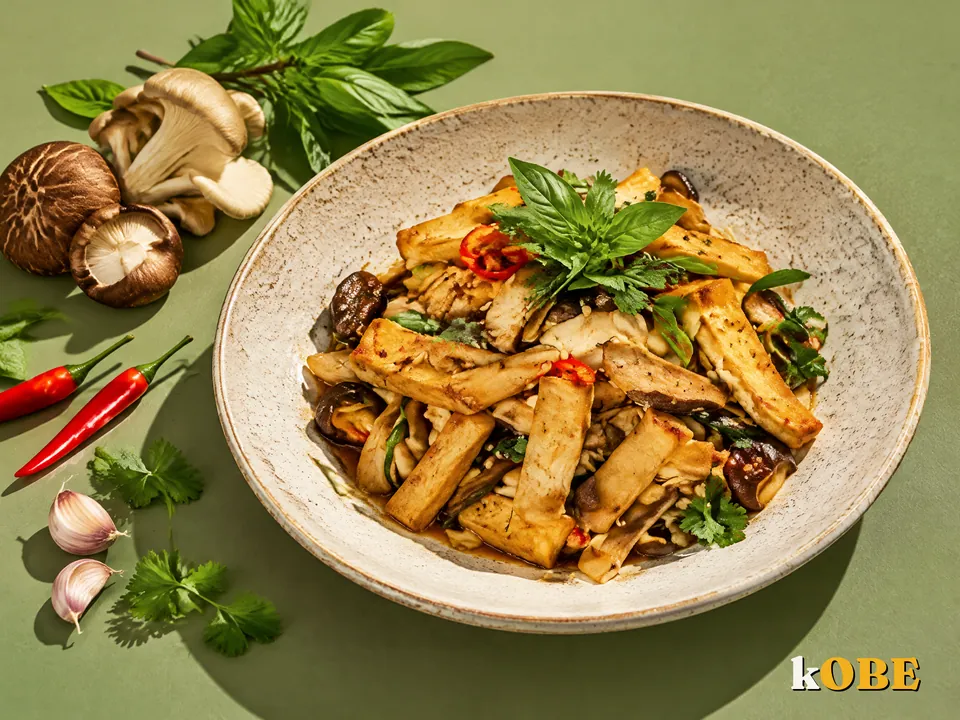
Mushrooms contain a compound called ergosterol, a bit like the compound under human skin. When it meets UV light, ergosterol turns into vitamin D2. Put playfully, mushrooms know how to "sunbathe" too.
Mushrooms grown in dark rooms usually have very little vitamin D. But if you lay them out in the sun, gills (the underside of the cap) facing the sky, their vitamin D can rise considerably. Studies have measured this with button mushrooms and shiitake.
A small kitchen trick:
- Slice the mushrooms or leave them whole, and spread them in a single layer on a tray.
- Turn the gills upward and leave them in the midday sun for a while before cooking.
- Cook as usual: stir-fry, braise, or add to soup.
Traditionally sun-dried shiitake (nấm đông cô) also contains vitamin D. Mushrooms dried by machine indoors never get that "sunbath".
To be fair: vitamin D2 from mushrooms is thought to last less well in the body than vitamin D3 from fish and eggs. It is still useful, but it is not magic.
Vitamin D is on the oil team
Vitamin D dissolves in fat. That means:
- It is absorbed better when the meal has a little fat. Handily, salmon, mackerel and egg yolks already come with their own fat.
- It is stored in the body. So taking high-dose pills for a long time can build up too much. This is why we do not suggest doses. If you have a need, ask a health professional.
- Ordinary cooking keeps most of the vitamin D. Long deep-frying can wear some of it down.
Inside the kOBE kitchen
kOBE's ready-cooked ingredients focus on lean protein, starches and vegetables, so they are not a meaningful source of vitamin D. We are saying it plainly so you do not expect the wrong thing.
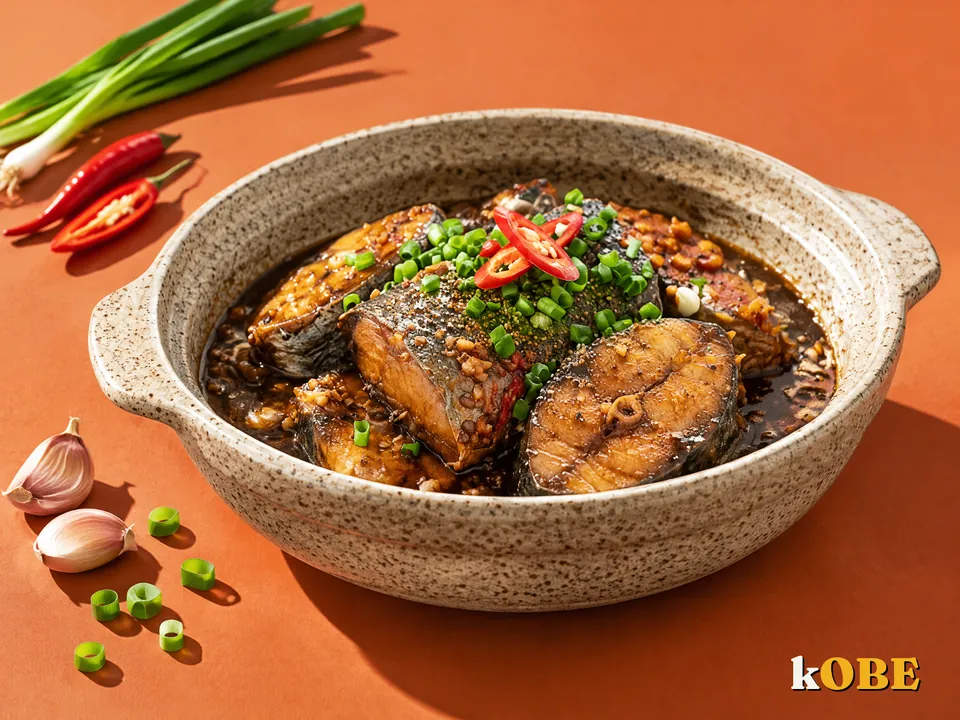
To add vitamin D to your week, look at oily fish and eggs. Among our 1,480 home recipes you can pick out salmon, mackerel, sardine and steamed egg dishes. Every dish lists calories, protein, fat and sugar per 100g, so it is easy to fit into the meal plan you are following. An oily fish main with Red Brown Rice and a portion of greens makes a well-rounded meal.
Frequently asked questions
Does sunlight through a window make vitamin D?
Does darker skin make less vitamin D?
Is it fine to eat the whole egg, yolk included?
Should I take vitamin D pills on my own?
Keep reading
Sources
- Holick M.F. (2007). Vitamin D deficiency. New England Journal of Medicine 357(3):266 to 281.
- Cardwell G., Bornman J.F., James A.P., Black L.J. (2018). A review of mushrooms as a potential source of dietary vitamin D. Nutrients 10(10):1498.
- WHO and FAO (2004). Vitamin and mineral requirements in human nutrition, 2nd ed., chapter on Vitamin D.
- USDA FoodData Central (salmon, mackerel, eggs).
- Further reading: Understanding Nutrition 16th ed., chapter 11.