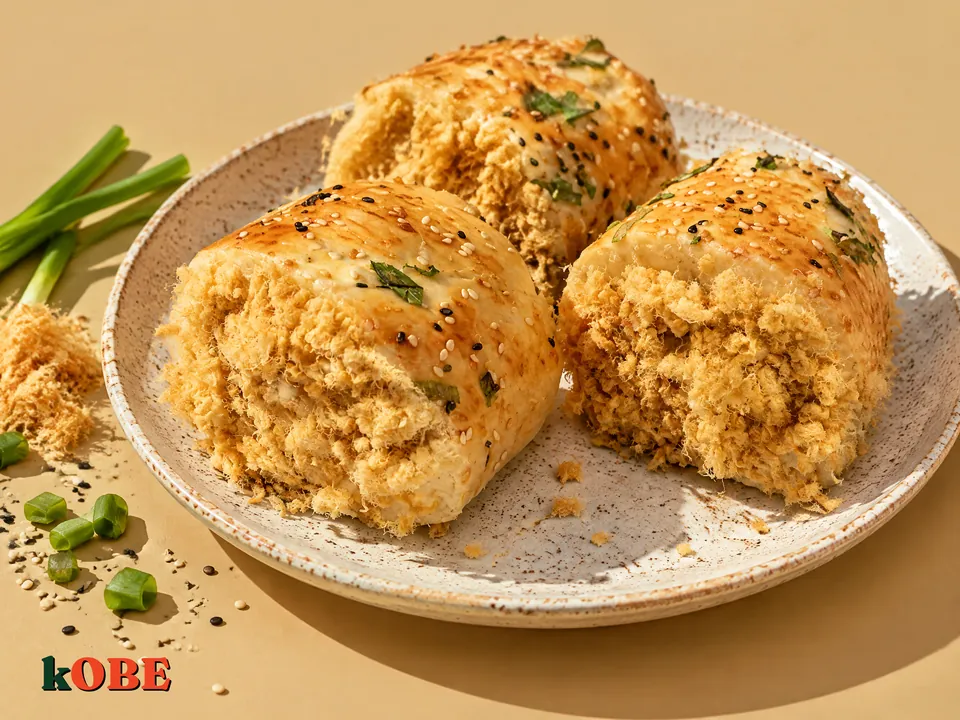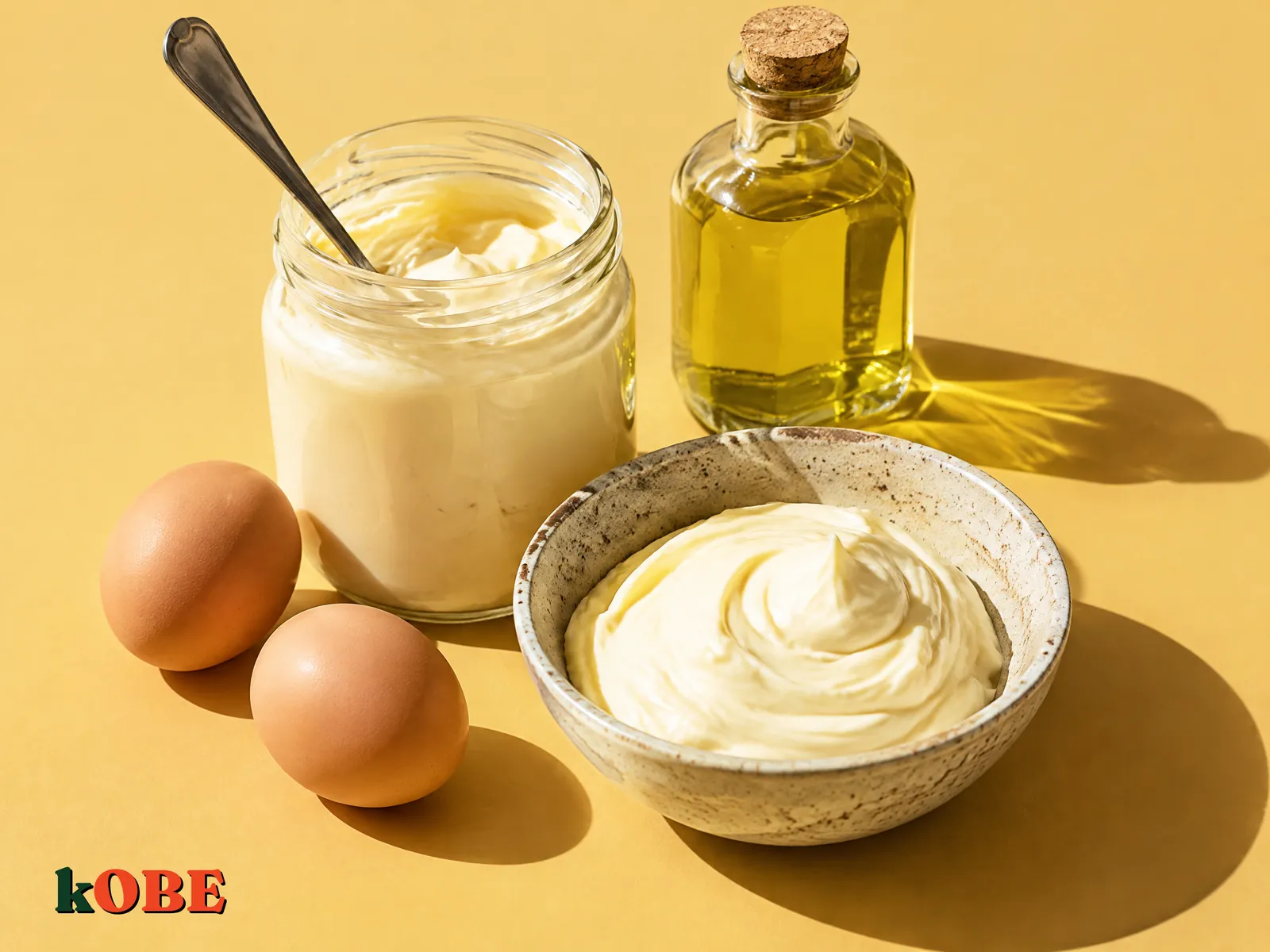
Every Saigon bánh mì starts with the same move: the vendor swipes a layer of pale yellow "butter" inside the bread.
Here's what many people don't know: at a lot of bánh mì carts, that "butter" is actually bơ trứng (egg butter), a close cousin of mayonnaise. It's whipped from egg yolk and cooking oil, with not a trace of dairy butter.
Mayonnaise is the same. It looks white, smooth and cool, like cream. But inside, about three quarters is oil. How does a jar that's mostly oil turn thick and spoonable instead of greasy and runny? The answer is a little magic trick of science.
In this article
Three ingredients, one small miracle
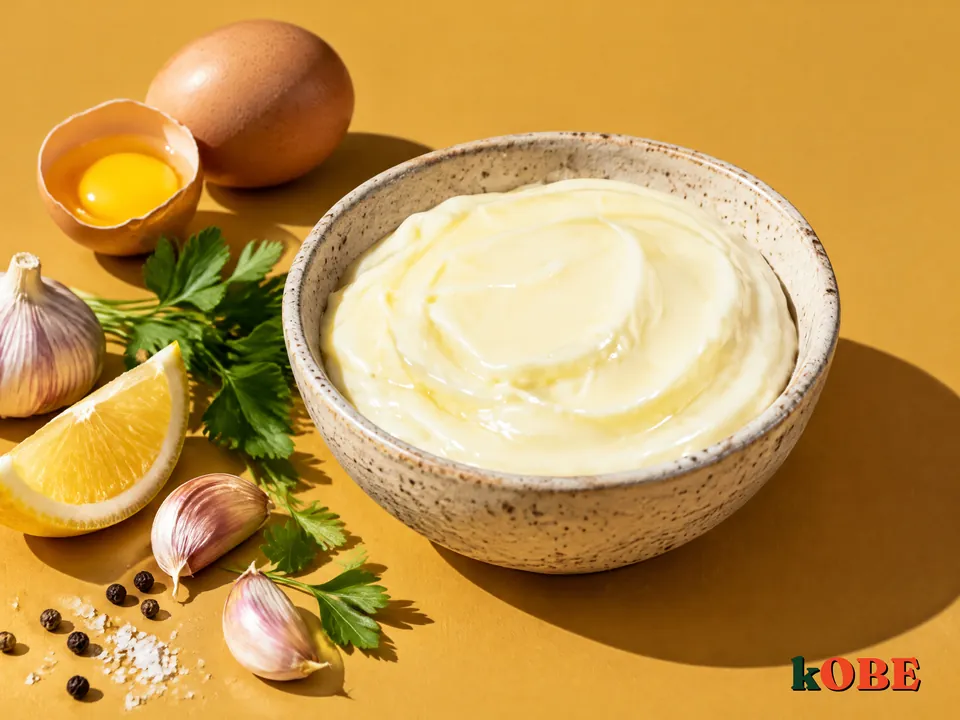
Traditional mayonnaise needs just:
- Cooking oil: the biggest part, usually a mild vegetable oil.
- Egg yolk: the character that keeps oil and water from separating.
- Vinegar or lemon juice: for tang, and to help keep the sauce stable.
Add a pinch of salt, sometimes a little mustard, and you're done.
As for where it came from, one story often told links the name "mayonnaise" to the port city of Mahón, on a Spanish island, in the 18th century. The story comes in many versions, but almost everyone agrees on this three-ingredient formula.
Why do oil and water agree to live together?
Normally, oil and water never mix. Pour oil into a glass of water and it floats as a separate layer.
Mayonnaise is an emulsion: the oil is whisked into billions of tiny droplets, suspended in a little water (from the yolk and vinegar).
To keep the droplets from merging back together, you need an "interpreter". That's an emulsifier. Egg yolk comes with a few of these built in, the most famous being lecithin, plus some proteins.
Each emulsifier molecule has two ends: one that loves water and one that loves oil. They line up around every oil droplet like a coat. The outside of that coat is water-friendly, so the droplet gets "accepted" in the watery surroundings.
All that oil, so why doesn't it taste greasy?
This is the most fun part.
In mayo, oil makes up about 75 to 80% of the weight. In the US, the law even says a product needs at least 65% oil to be called "mayonnaise".
Billions of oil droplets are crammed into a little water, so tightly that they press against each other, like passengers on a rush-hour bus. None of them can move. The result: the whole sauce stands still and turns thick, even though it's made almost entirely of liquids.
That "not greasy" feeling comes from your tongue touching the watery layer outside the droplets first. The tang of the vinegar also makes it taste lighter. But the calories are all still there.
How many calories in a spoon of mayo?
According to the USDA database, regular mayo has about 680 calories and 75g of fat per 100g. In kitchen units:
| Amount of mayo | Calories, roughly | Fat, roughly |
|---|---|---|
| 1 teaspoon (5g) | 35 | 4g |
| 1 tablespoon (14g) | 95 | 10g |
| 2 tablespoons, like a generously spread bánh mì | 190 | 21g |
Picture it: one tablespoon of mayo has more calories than a boiled egg, with almost no protein.
A few places mayo likes to hide in Vietnamese meals:
- Bánh mì with grilled meat or eggs.
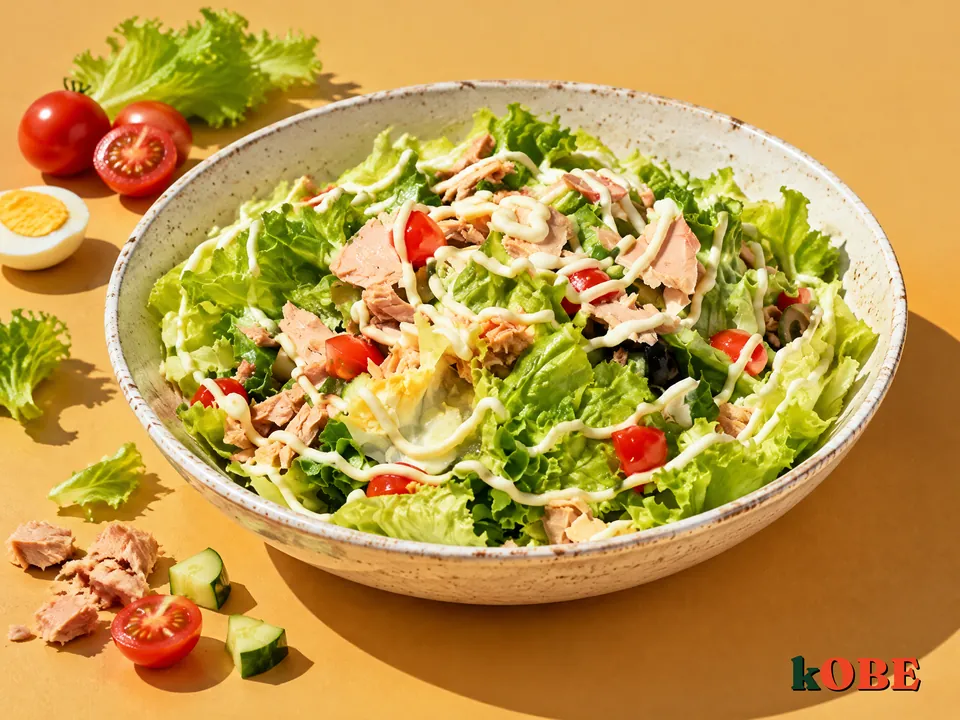
- Salad Nga (Olivier salad), potato salad, Western-style tossed salads.
- Sushi rolls, kimbap, chả giò (fried spring rolls) with dipping sauce.
- Grilled dishes brushed with sauce, bắp xào (buttery stir-fried corn), stir-fried snails.
No need to give up mayo. Just know how much one spoon carries, so you can measure wisely.
Homemade mayo: remember the raw egg
Homemade mayo is delicious and easy. But it uses raw egg yolk, so there's one risk to know about: Salmonella bacteria.
Vinegar and lemon make things more acidic, but not enough to guarantee all bacteria are killed. A few notes:
- Use pasteurized eggs if you can find them. Commercial bottled mayo usually uses this kind.
- Eggs should be fresh, with clean, uncracked shells.
- Refrigerate it as soon as it's made, and use it within a few days.
- Older adults, pregnant women and young children should avoid mayo made from unpasteurized raw eggs.
Reading a mayo label in 10 seconds
- The first ingredient is usually oil. Ingredients are listed by weight, largest first.
- Check the sugar line. Some mayos taste noticeably sweet, especially those made for bánh mì and sushi.
- "Light" or "reduced fat": check the nutrition panel for how much less, and what was added to make up for it. How low-fat mayo works explains.
- The name: a jar labeled "mayonnaise-style sauce" or "salad dressing" may use a different recipe from traditional mayo.
Inside the kOBE kitchen
We make kOBE Signature Lean Mayo, a creamy egg-based sauce, thick and clingy like regular mayo. Regular mayo can be about 75% oil. Lean Mayo is much lighter.
The 80% version has 118 calories, 3.1g of protein, 8.6g of carbs and 8.7g of fat per 100g. For a tablespoon of about 14g, that's roughly 17 calories. The 90% version is lighter still, with no preservatives.
For plant-based eaters, there's kOBE Signature Lean Mayo, Vegan, made from soybean tofu: 49 calories and 2g of fat per 100g.
Lean Mayo is also the base sauce in kOBE's frozen poke bowls. Want to mix more sauces for your meals? Visit the Sauce Library.
Frequently asked questions
Is the egg butter in bánh mì the same as mayonnaise?
Does mayo have a lot of cholesterol?
Can opened mayo stay out of the fridge?
Keep reading
Sources
- USDA FoodData Central, SR Legacy: Salad dressing, mayonnaise, regular (energy, fat).
- U.S. Code of Federal Regulations, 21 CFR 169.140. Mayonnaise (at least 65% vegetable oil by weight).
- Depree J.A., Savage G.P. (2001). Physical and flavour stability of mayonnaise. Trends in Food Science & Technology 12(5):157 to 163.
- NHS (UK). Foods to avoid in pregnancy (raw eggs and raw egg products).
- Further reading: Food Lipids (section on emulsions); McClements D.J., Food Emulsions: Principles, Practices, and Techniques.