Plenty of Vietnamese adults drink a glass of cow's milk and feel their stomach start to gurgle. Others simply do not like it. Then comes the worry: without milk, where does the calcium come from?
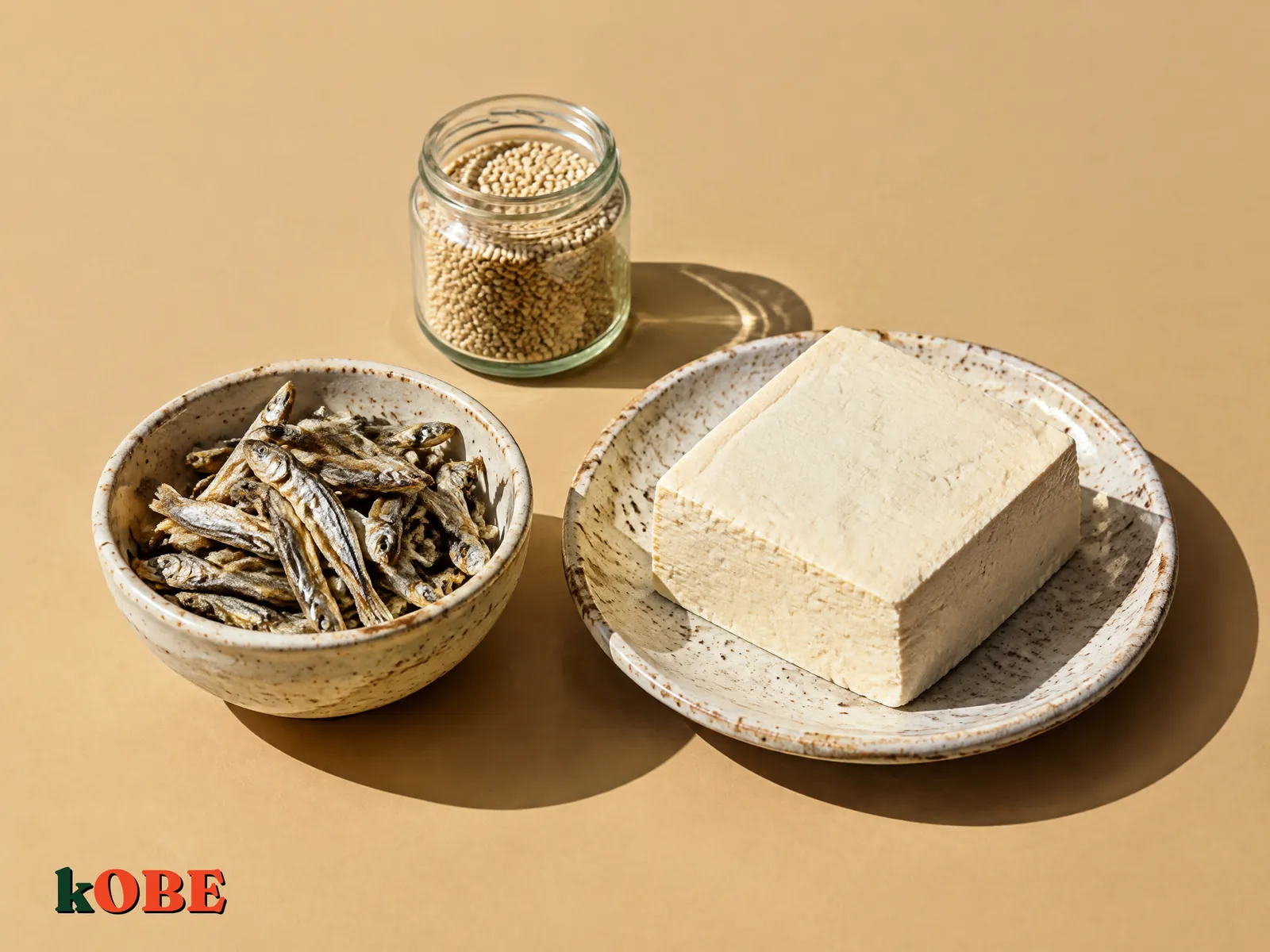
The good news is that our grandparents answered this long ago. The answer sits in a plate of caramelized dried anchovies, in a block of tofu, in the jar of muối mè (toasted sesame salt) on the table.
In this article
A kilo of calcium is sitting inside you
An adult body holds about 1kg of calcium. Around 99% of it is in bones and teeth.
The remaining 1% is small but busy. It helps muscles contract, helps nerve signals travel, and helps blood clot when you cut your finger.
A fun fact few people know: bone is not a lump of stone sitting still. It is taken apart and rebuilt constantly, your whole life. Calcium from food is the brick for that building site.
How much do you need, in glasses of milk?
WHO and FAO recommend around 1,000mg of calcium a day for adults. Older adults need more. Vietnam's National Institute of Nutrition also has its own recommendations by age for Vietnamese people (2016).
To picture it: a 250ml glass of cow's milk has about 300mg of calcium. So to get there on milk alone, you would need more than three glasses a day. Hardly anyone does that. So whether you drink milk or not, other foods carry most of the load.
Very Vietnamese "calcium banks"
The Vietnamese secret is to eat the bones and the shells.
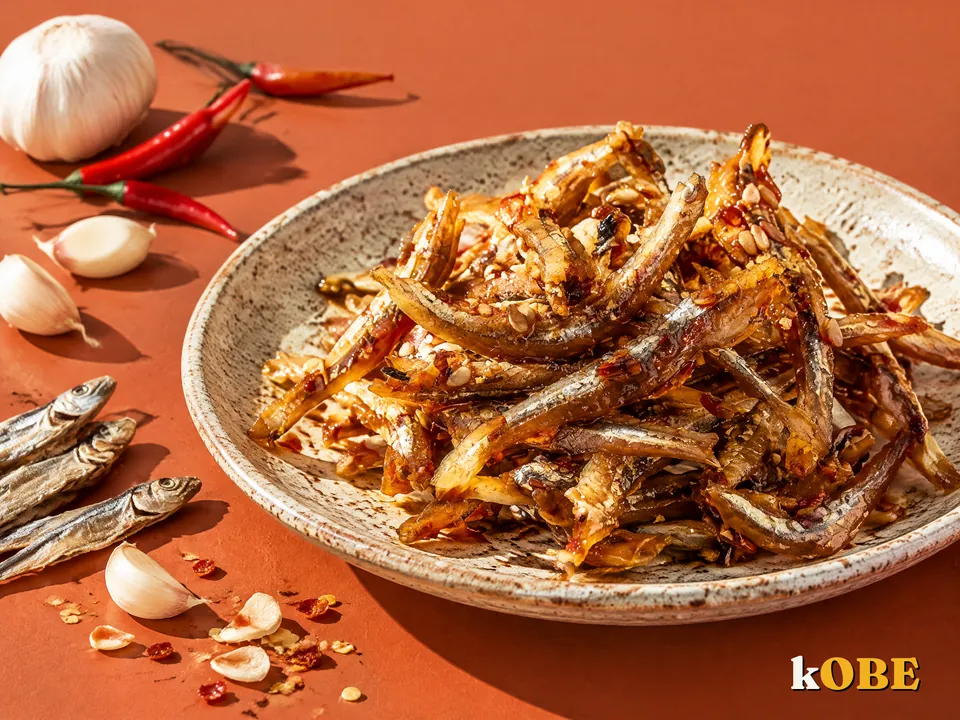
- Dried anchovies, caramelized anchovies, cá linh (small Mekong river fish). Small fish eaten whole, bones and all. The bones are the calcium.
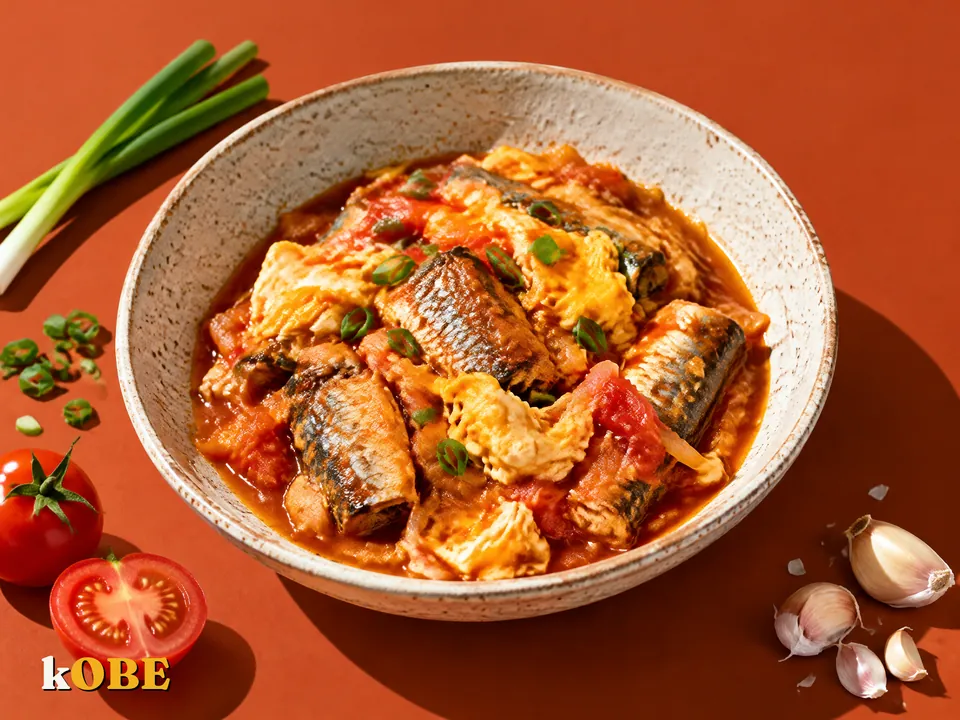
- Canned sardines. The bones soften during canning, so you can eat them too.
- Dried shrimp and tép rang (tiny pan-roasted shrimp). Vietnamese food composition tables put dried shrimp in the very calcium-rich group, because we eat the shells.
- Canh cua đồng (rice-paddy crab soup). The crabs are pounded whole, shell included, and strained for the broth. Many Vietnamese references list paddy crab as calcium-rich.
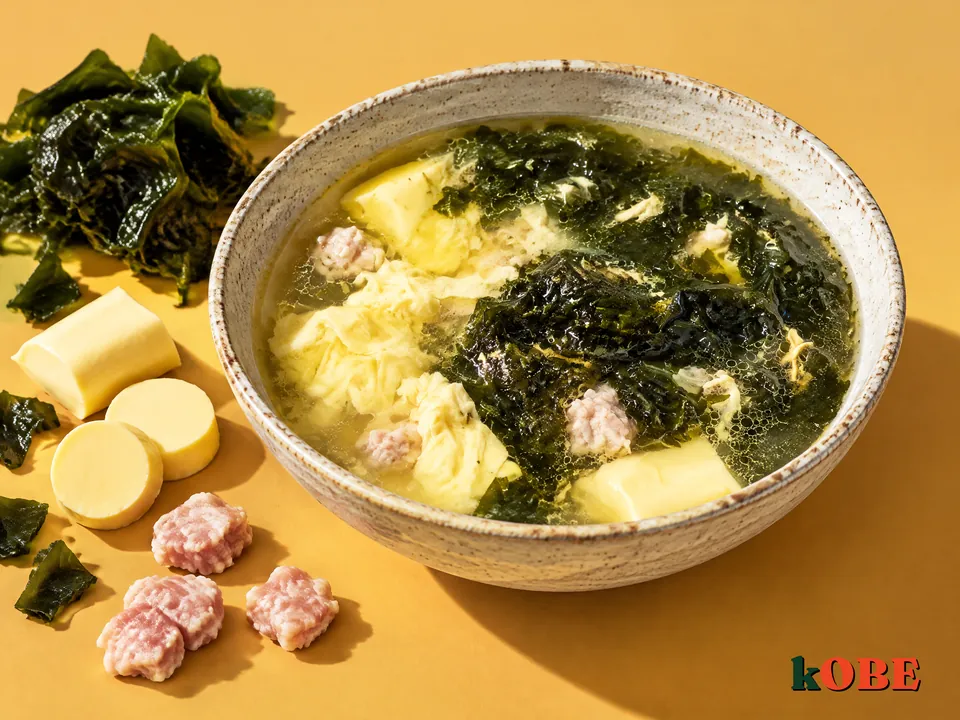
- Tofu. Tofu set with gypsum (calcium sulfate) carries quite a lot of calcium from the setting agent itself.
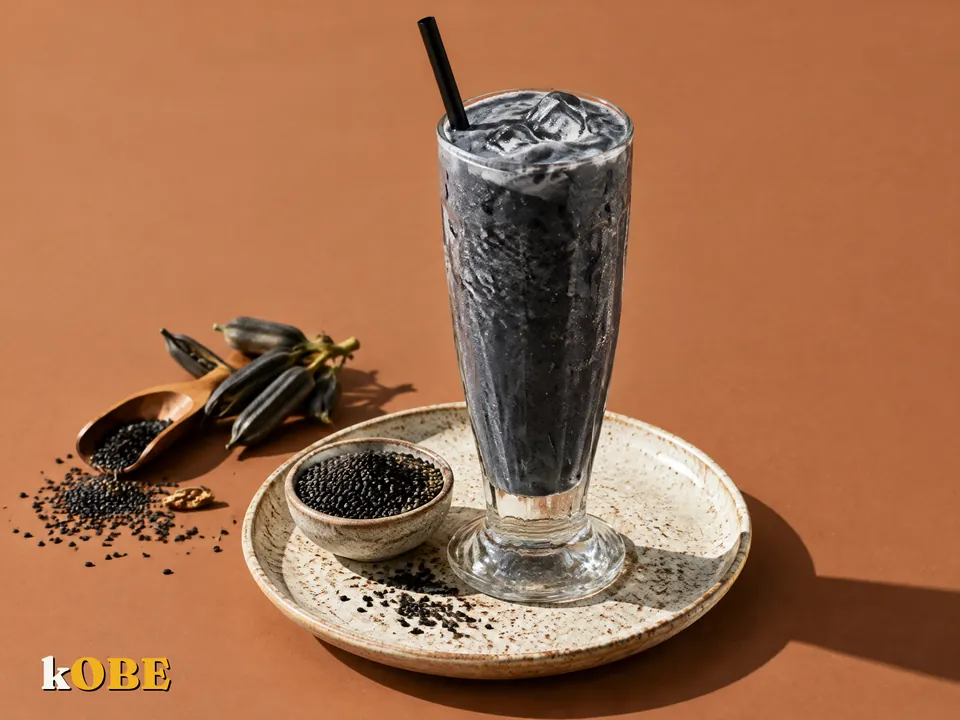
- Sesame. A spoonful of sesame salt sprinkled over rice adds a little.
- Cabbage-family greens: mustard greens, bok choy, choy sum, broccoli, kale.
One honest note: for dried shrimp and paddy crab, the numbers in the tables are very high, but there is no solid data yet on how much your body actually absorbs. And dried shrimp and dried fish are often quite salty. Think of them as a bonus, not your main daily source.
Why is spinach high in calcium but hard to "get out"?
This is the most surprising part.
On paper, spinach has a fair amount of calcium. But it also has plenty of oxalate. Oxalate clamps on to calcium and forms tiny particles your gut cannot use. The result: your body absorbs only a very small share.
Cabbage-family greens are the opposite. Mustard greens, broccoli and kale are low in oxalate. They have less calcium on paper, but it is absorbed well, sometimes even better than the calcium in milk.
| Source | Calcium on paper | Absorption |
|---|---|---|
| Cow's milk | Fairly high | Fairly good, often used as the benchmark |
| Spinach | Fairly high | Very low, held back by oxalate |
| Mustard greens, broccoli, kale | Medium | Good |
| Gypsum-set tofu | Fairly high | Fairly good |
| Small fish eaten with bones | High | Fairly good |
The lesson: the calcium number in a table is not the whole story. The sources your body can actually use are the ones worth counting.
A travel buddy: vitamin D, plus a few reminders
For calcium to get into the blood, it needs someone to open the door: vitamin D. Without enough vitamin D, your gut absorbs calcium much less well. We wrote about vitamin D separately in this article.
A few small tips to help calcium do its job:
- Spread it across meals. Your gut absorbs calcium better a little at a time than all at once.
- Go easy on salt. Salty food makes your body lose extra calcium in urine.
- Drinking plant milk? Read the label. Plant milks generally are not naturally as high in calcium as cow's milk. Some are fortified, some are not. The label will tell you.
- Yogurt and cheese are often gentler than fresh milk for people who feel bloated after milk, because bacteria have already handled part of the lactose.
Inside the kOBE kitchen
Sesame Kale is a small calcium duo: kale is a low-oxalate member of the cabbage family, and it is massaged with sesame oil and sprinkled with toasted sesame. Edamame is also a familiar bean to add to a meal.
We do not list calcium numbers on our products, so we will not promise any figure. If you drink kOBE Oat Milk instead of cow's milk, think of it as a light drink, and get your calcium from other foods through the day, like tofu, small fish and cabbage-family greens. See our ready-cooked ingredients.
Frequently asked questions
Is bone broth high in calcium?
Can soy milk replace cow's milk for calcium?
Can I eat dried shrimp every day for calcium?
Keep reading
Sources
- WHO and FAO (2004). Vitamin and mineral requirements in human nutrition, 2nd ed., chapter on Calcium.
- Weaver C.M., Proulx W.R., Heaney R. (1999). Choices for achieving adequate dietary calcium with a vegetarian diet. American Journal of Clinical Nutrition 70(3 Suppl):543S to 548S.
- National Institute of Nutrition (Vietnam). Vietnamese Food Composition Table [Bảng thành phần thực phẩm Việt Nam] (dried shrimp, paddy crab, tofu, anchovies).
- National Institute of Nutrition (Vietnam) (2016). Recommended Dietary Allowances for Vietnamese People [Nhu cầu dinh dưỡng khuyến nghị cho người Việt Nam].
- Further reading: Understanding Nutrition 16th ed., chapter 12.