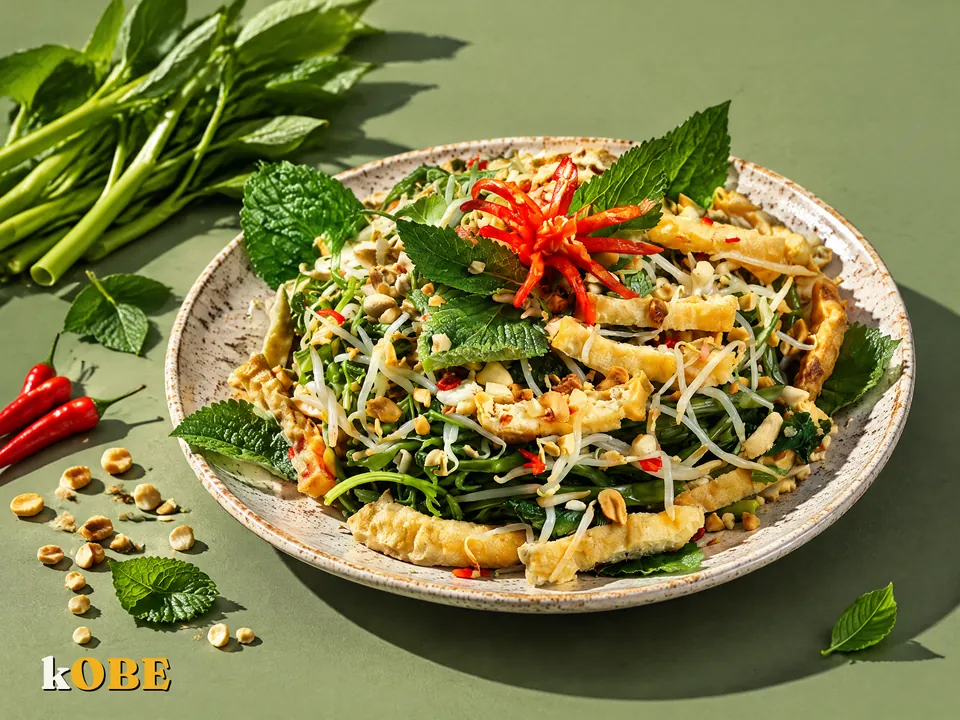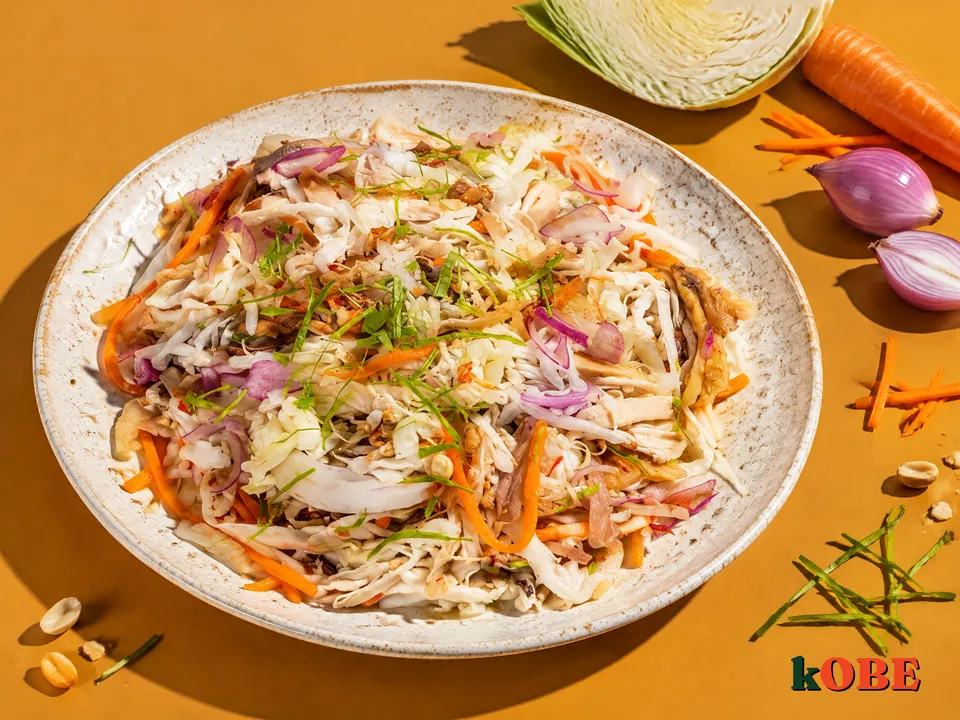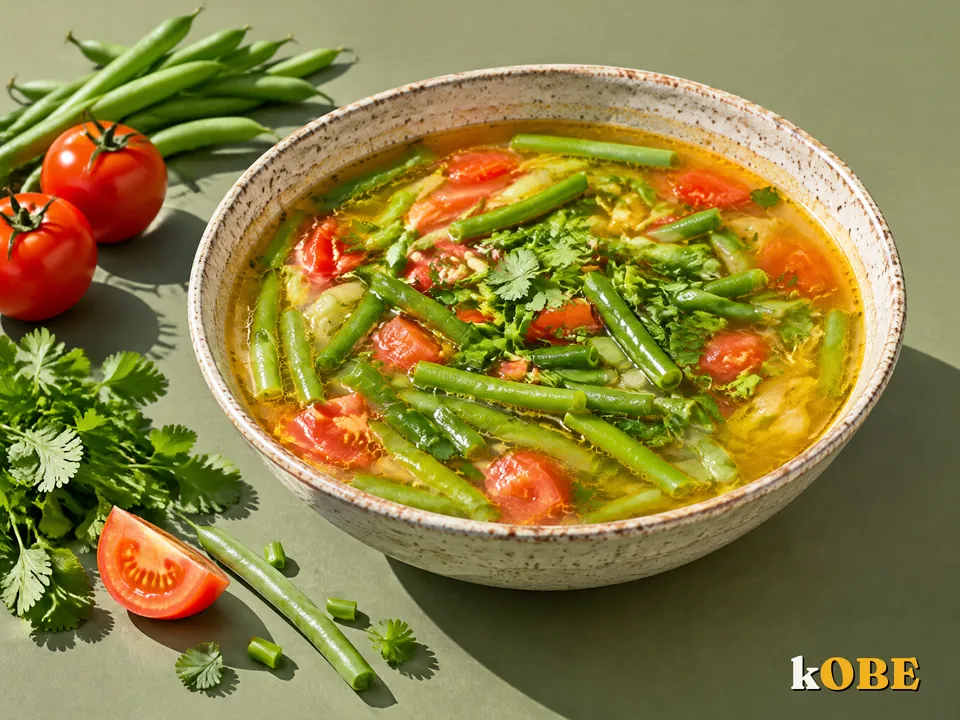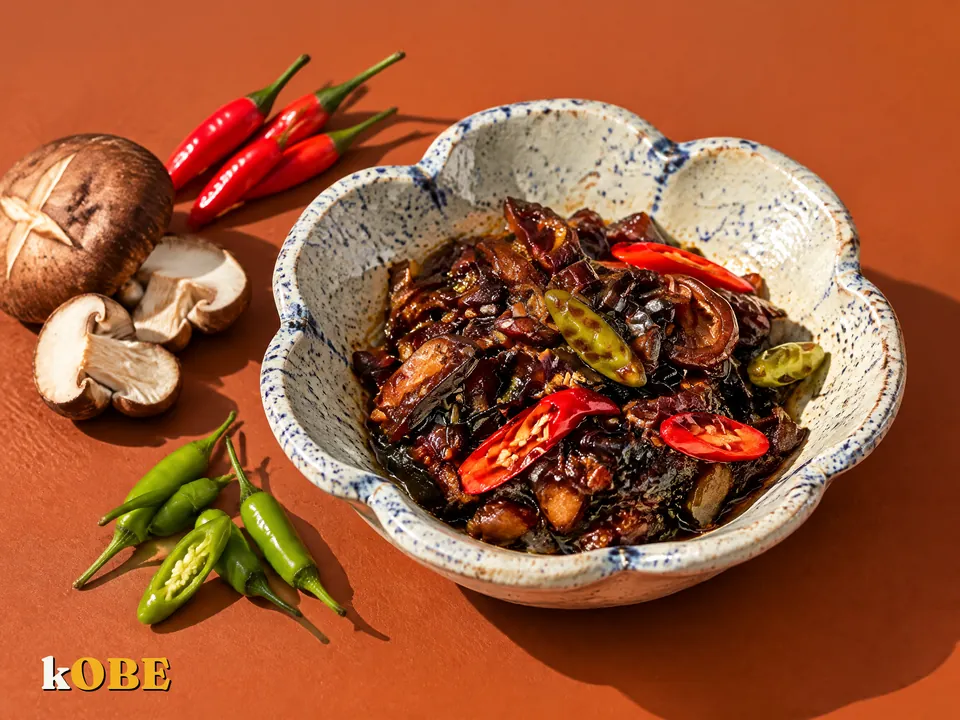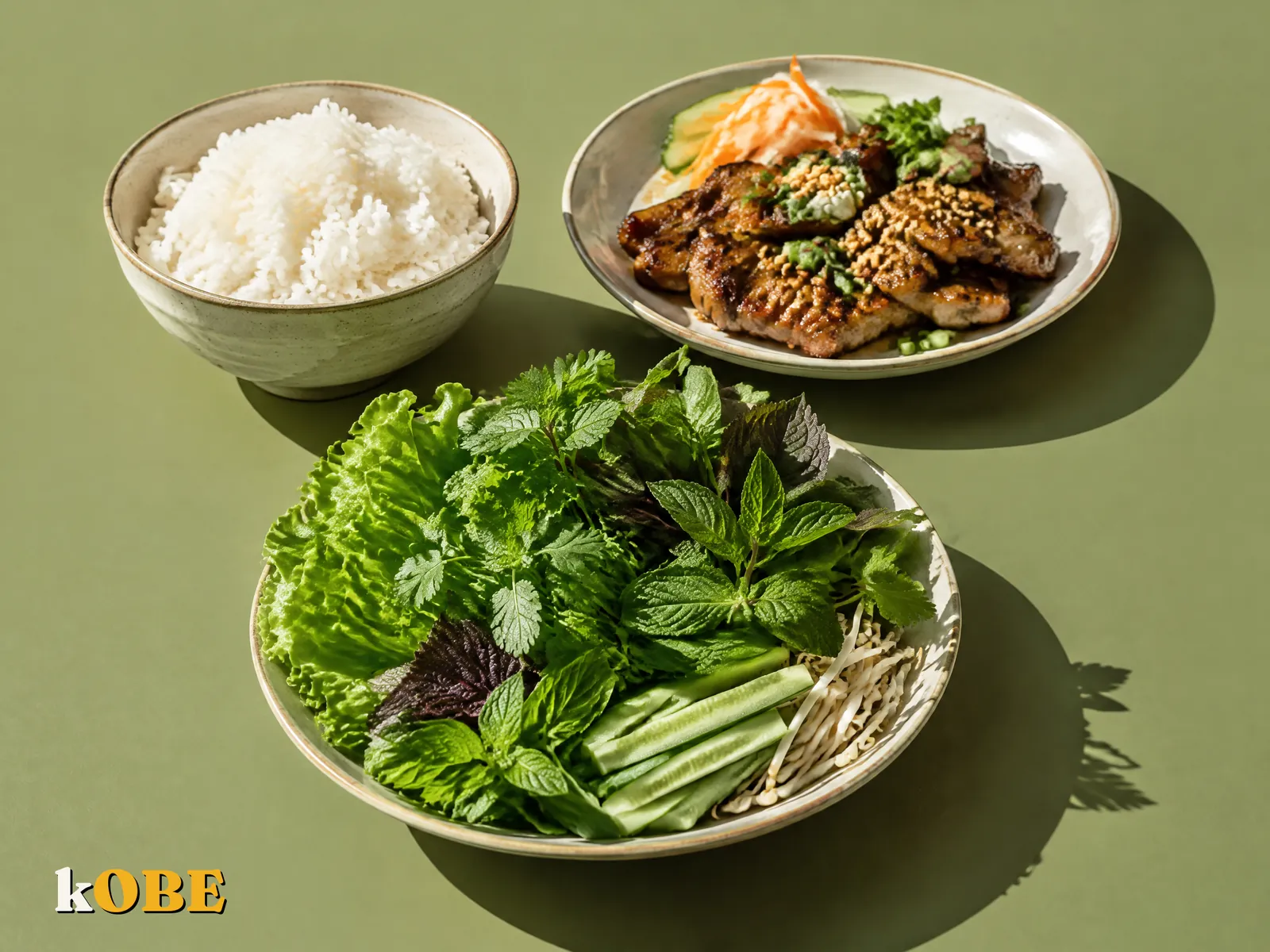
Your family meal tonight has cá kho (caramelized braised fish), a plate of boiled greens, a bowl of canh chua (sweet and sour soup) and a pot of white rice. In what order do you eat?
Most of us scoop rice first, then pick at whatever. But one small trick has caught the attention of many scientists: keep the same dishes, just change the order, and your blood sugar after the meal can rise noticeably more gently.
No dishes removed, nothing extra to buy. It sounds too good to be true, so we will tell you both what is solid and what is not.
In this article
Blood sugar after a meal: a wave
When you eat rice, the starch is cut into glucose and seeps into your blood. Blood sugar rises like a wave, peaks about 30 to 60 minutes after eating, then comes back down.
This rise and fall after eating is completely normal. A healthy body handles it very well. But the higher and steeper the wave, the harder your body has to rush. Many people also feel sleepy, or hungry again soon after the wave recedes.
The "vegetables first" trick aims to make this wave lower and gentler.
The order experiment: what happened?
In 2015, a research team in New York ran a small experiment with 11 adults. They ate the same meal each time: bread, orange juice, chicken breast, salad and broccoli. Only the order changed.
- Round one: bread and orange juice first, then chicken and vegetables 15 minutes later.
- Round two: chicken and vegetables first, then bread and orange juice 15 minutes later.
The result: in round two, blood sugar at 30 and 60 minutes was about one third lower. Insulin was lower too.
Several teams in Japan also tested "vegetables first, rice last" and saw a similar trend. It is a fairly common eating habit in Japan, with the playful name bejifāsuto, a Japanese twist on "vegetable first".
Why does the order matter?
There are three main mechanisms, all fairly well understood:
- Fiber builds a "net". When vegetables go in first, fiber is already waiting in the stomach and intestine. When rice arrives, glucose has to work its way through this layer, so it enters the blood more slowly. See also soluble and insoluble fiber.
- Protein and fat make the stomach "close the door more slowly". With meat or fish in the stomach, food moves on to the small intestine at a slower pace. The rice that comes later has to wait in line.
- Your gut sends an early signal. Protein and fat prompt the gut to release a group of hormones called incretins (such as GLP-1). These help the body get ready to handle sugar sooner, and also help create the feeling of fullness.
Put simply: vegetables and protein go ahead like a road crew. By the time the rice arrives, the sugar has already been "slowed down".
What is clear and what is not
We have to be fair here:
| Fairly clear | Not yet clear |
|---|---|
| Changing the order makes post-meal blood sugar gentler in many short experiments | The long-term effect over many years |
| The mechanisms through fiber, protein and stomach emptying | Whether it works the same for everyone |
| It costs no extra money or calories | How many minutes apart is ideal |
Most studies are still small, just a few dozen people, measured in a single session. Many experiments were also done in people who already had blood sugar issues. So see this as a small, easy trick, not magic.
And this trick does not replace the bigger things: a sensible bowl of rice, meals with enough vegetables and protein, and fewer sugary drinks.
How to use it at a Vietnamese table
A Vietnamese meal is actually a perfect fit for this trick, because there are always vegetables and soup. Just change the rhythm a little:
- Open with soup and vegetables. A few spoonfuls of soup, a few bites of boiled greens or gỏi (Vietnamese salad).
- Then the protein. A few pieces of fish, meat or tofu.
- Rice comes last, or eat the rice together with the remaining vegetables and protein.
- No need to strictly wait 15 minutes. Just putting vegetables and protein first for the opening few minutes is already a change.
- Out for phở or bún? Eat the fresh herbs and meat first, the noodles after. Or order an extra plate of greens.
A side bonus: eating vegetables first slows your chewing, and you often feel just full enough on your own.
Inside the kOBE kitchen
kOBE's frozen rice bowls always have three parts: rice (white, red brown or black brown), a main dish and Sesame Kale. The sauces are cooked with monk fruit sweetener.
When you eat one, you can try exactly the trick in this article: eat the kale and a few pieces of meat first, the rice after. Same box, just a different order.
If you cook at home, the Sesame Kale on our Ingredients page (78 kcal, 4g protein per 100g) makes a handy "opening act"; just thaw it. See it on our Ingredients page.
Frequently asked questions
Is eating fruit before a meal the same as eating vegetables first?
Does drinking the soup broth first count as "vegetables first"?
Does eating vegetables first make the meal lower in calories?
Keep reading
Sources
- Shukla A.P. et al. (2015). Food order has a significant impact on postprandial glucose and insulin levels. Diabetes Care 38(7):e98 to e99.
- Kuwata H. et al. (2016). Meal sequence and glucose excursion, gastric emptying and incretin secretion in type 2 diabetes: a randomised, controlled crossover, exploratory trial. Diabetologia 59:453 to 461.
- Harvard T.H. Chan School of Public Health, The Nutrition Source: Carbohydrates and Blood Sugar.
- Further reading: Understanding Nutrition 16th ed., chapters 3 and 4.