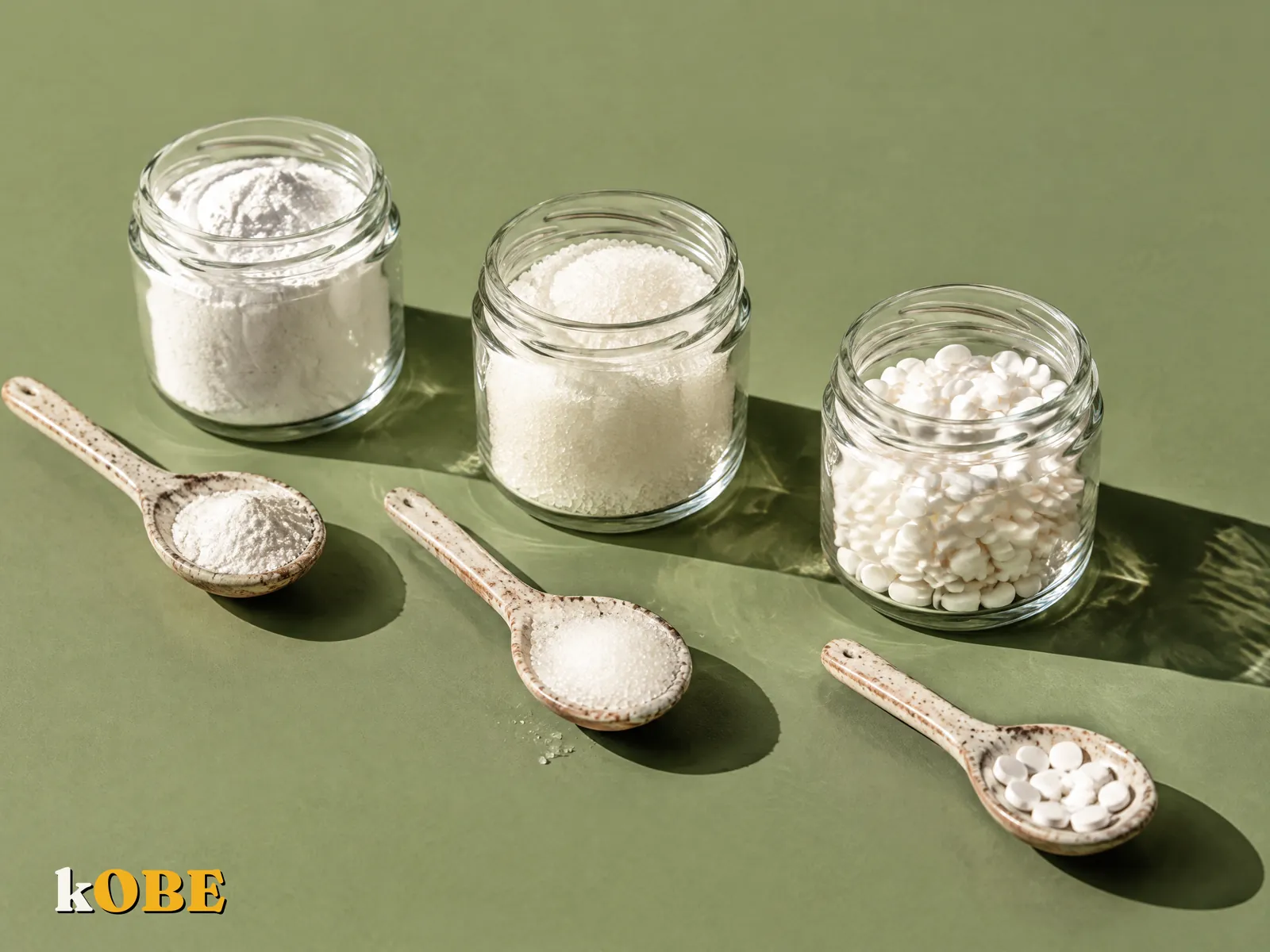
You're standing in a supermarket aisle holding a chocolate bar that says "sugar free." Flip it over and the ingredient list has an unfamiliar name: maltitol.
Over in the drinks aisle, a "zero" soda lists aspartame. The packet of coffee sweetener next to it lists sucralose.
These three names are everywhere. They help millions of products cut sugar. So why did the kOBE kitchen choose a different group? The answer isn't "which one is bad." It's about what a kitchen needs.
In this article
- Meet the three names on "sugar free" labels
- Each one has its own strength
- Criterion 1: measures 1:1 like sugar, with a round sweetness
- Criterion 2: can survive a Vietnamese kitchen
- Criterion 3: little effect on blood sugar
- So should you avoid those three when eating out?
- Inside the kOBE kitchen
- Frequently asked questions
Meet the three names on "sugar free" labels
Maltitol is a sugar alcohol. It's made from malt sugar, meaning maltose from starch. Maltitol is about 90% as sweet as cane sugar. Its taste and texture are very close to sugar, which is why it shows up in "sugar free" chocolate, hard candy and cookies.
Sucralose is made from the cane sugar molecule itself. Three small branches on the molecule are swapped for three chlorine atoms. The result is a sweetener about 600 times sweeter than sugar. The body barely absorbs it, so it has almost no calories.
Aspartame is built from two amino acids, the little building blocks of protein. It's about 200 times sweeter than sugar. Gram for gram, aspartame has the same calories as protein. But because so little is used, the calories come out close to zero. It's the familiar sweetener in calorie-free sodas.
All three have been assessed by food safety bodies such as JECFA (part of FAO and WHO), Europe's EFSA and the US FDA. Each has its own "acceptable daily intake" (ADI).
Each one has its own strength
No sweetener is good at everything. A quick comparison:
| Sweetener | Sweetness vs sugar | Calories | In cooking | Often found in |
|---|---|---|---|---|
| Maltitol | about 0.9 times | about half of sugar | Handles heat well | Sugar-free chocolate, candy, cookies |
| Sucralose | about 600 times | Almost zero | Fairly heat stable | Drinks, coffee sweetener packets, baked goods |
| Aspartame | about 200 times | Almost zero at usual amounts | Gradually loses sweetness with long cooking | Calorie-free sodas, chewing gum |
Looking at the table, you can see each one was made for a certain kind of product. Maltitol is great at making chocolate taste like chocolate. Sucralose and aspartame are great at making sweet drinks with almost no calories.
The kOBE kitchen does something else: it cooks thousands of Vietnamese dishes and bakes, every day. So we set three criteria.
Criterion 1: measures 1:1 like sugar, with a round sweetness
The kOBE recipe library holds 1,480 dishes. We want anyone to be able to cook them without doing math.
So the sweetener has to swap for sugar 1:1. If the recipe says 2 spoons of sugar, you use 2 spoons.
Sucralose and aspartame are hundreds of times sweeter. To measure 1:1, they need to be mixed with a filler. The common fillers are maltodextrin or dextrose, which are starch and sugar. That puts some starch or sugar back into the jar, which is what we want to avoid.
The group we chose has its own bulk: erythritol and allulose look and measure almost like white sugar. Monk fruit and stevia add just a tiny amount to lift the sweetness.
Of course, anyone could pair sucralose with erythritol. On this point, it comes down to a kitchen's taste. We love the round sweetness of monk fruit, the dried fruit many Vietnamese grew up with in Mom's pot of cooling herbal tea.
Criterion 2: can survive a Vietnamese kitchen
Vietnamese cooking isn't gentle. Braising fish for two hours. Glazing shrimp until sticky. Steaming bánh bò (rice sponge cake), baking crème caramel.
Aspartame is a wonderful sweetener for a cold can of soda. But with long cooking at high heat, it gradually breaks down and loses some sweetness. This is well-known chemistry. Many usage guides also advise against using it for long-cooked dishes.
The ingredients we chose all handle heat well. Allulose adds one more bonus: it browns in the oven, like real sugar.
Criterion 3: little effect on blood sugar
This is the criterion that took maltitol off the list.
Maltitol tastes very much like sugar. But the body breaks part of it down into glucose and absorbs it. So it still raises blood sugar, though more slowly and less than cane sugar. Reference tables put the glycemic index of maltitol at about 35, versus about 65 for cane sugar.
With the group we chose:
- Erythritol and allulose barely raise blood sugar.
- Monk fruit and stevia extracts don't either.
What about sucralose and aspartame? At everyday amounts, they also barely raise blood sugar. They weren't ruled out by criterion 3, but by criteria 1 and 2 above.
So should you avoid those three when eating out?
We don't think so. This is one kitchen's choice, based on what it needs to cook. It's not a ranking of good and bad sweeteners.
What's more useful is understanding what you're eating:
- "Sugar free" doesn't mean "calorie free." A maltitol chocolate bar still has cocoa butter, milk, and calories from the maltitol itself.
- Check for fillers too. A sweetener packet with maltodextrin or dextrose listed first still contains some sugar.
- Look at the whole habit. One "zero" soda a day is different from six. Sweetness, wherever it comes from, deserves moderation.
Inside the kOBE kitchen
Those three criteria led to the kOBE Signature Monk Fruit Blend, a team of five ingredients:
- Erythritol: the sweet base and bulk.
- Allulose: browns in the oven, tastes close to cane sugar.
- Monk fruit: adds rich sweetness.
- Stevia: a small amount, rounds out the flavor.
- Inulin: a type of fiber that adds no sweetness.
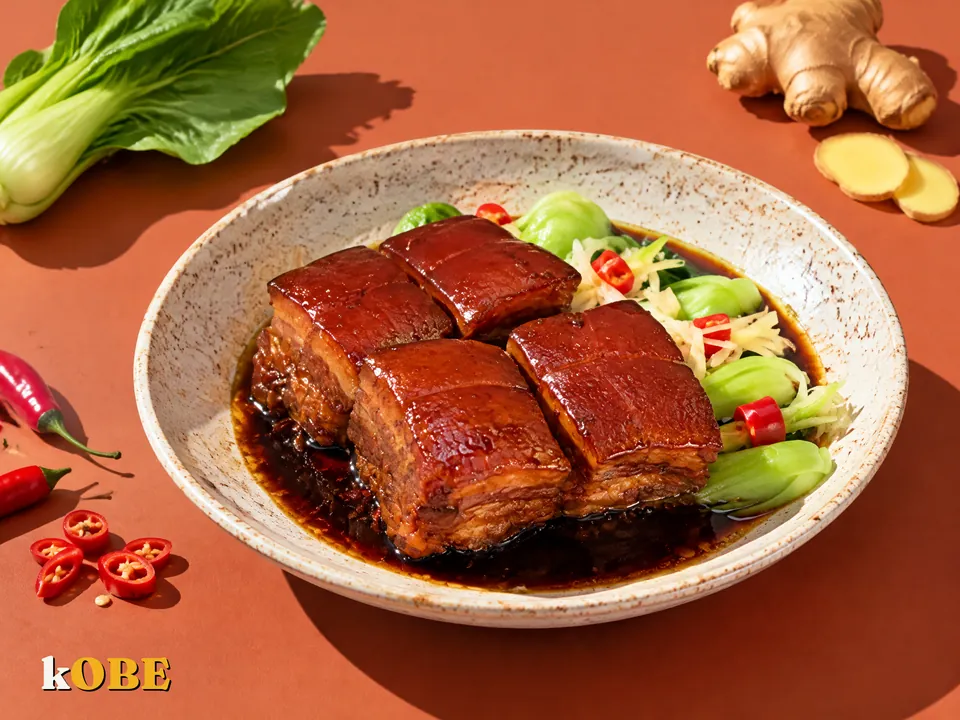
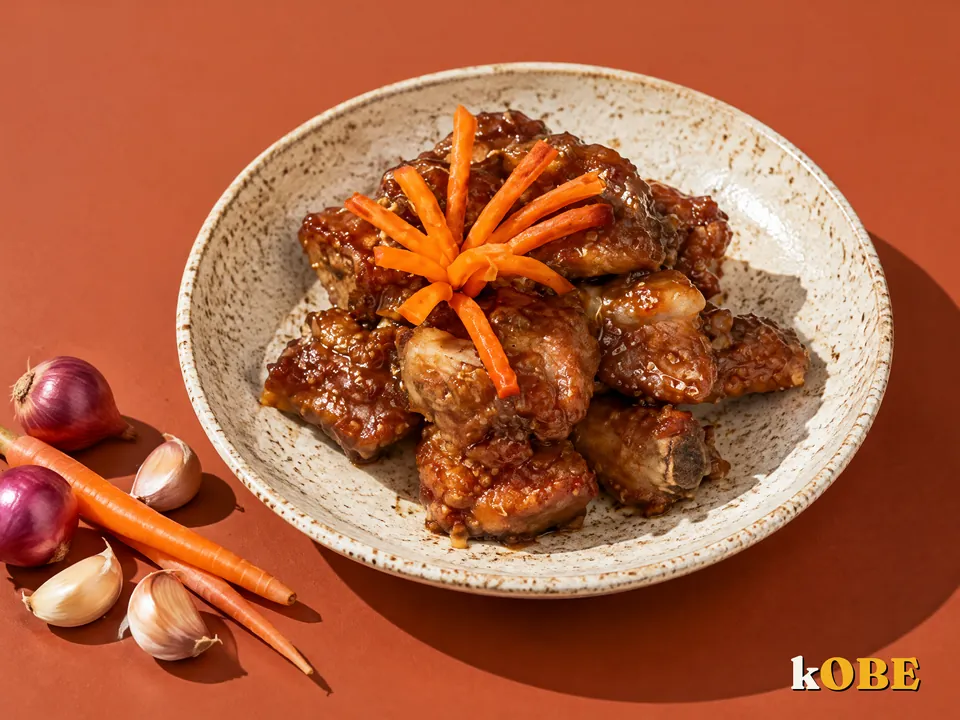
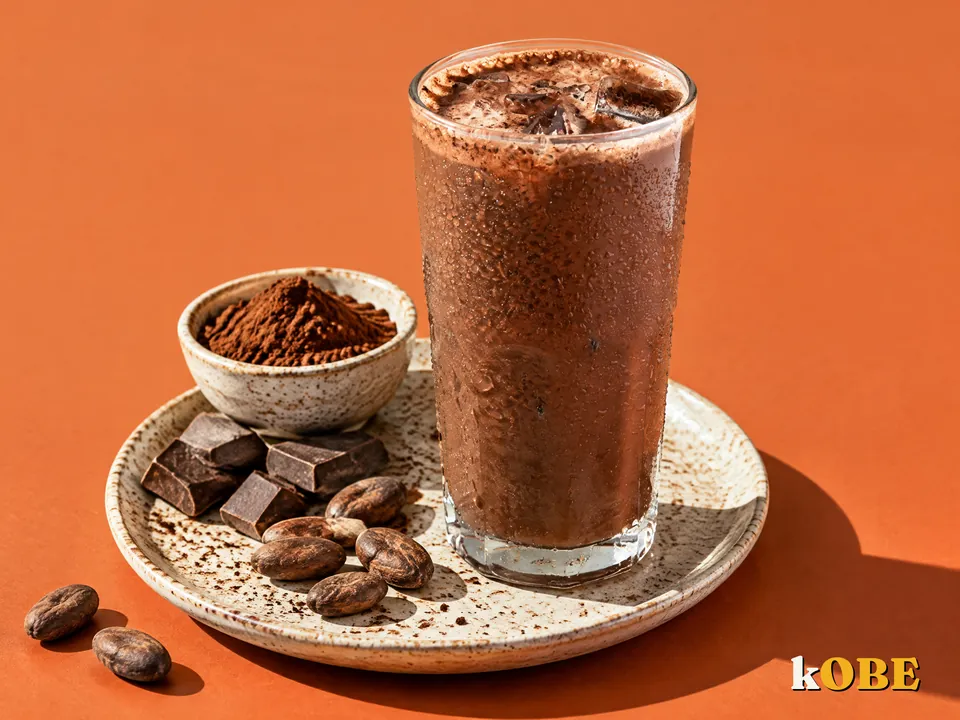
The blend swaps for sugar 1:1 with no bitter aftertaste. It's what we use to sweeten our dishes, from a pot of thịt kho (caramelized braised pork) to a glass of iced cocoa.
Frequently asked questions
Is sucralose a sugar?
Can I cook with aspartame?
Does maltitol have calories?
Can I eat "sugar free" candy and chocolate freely?
Keep reading
Sources
- Livesey G. (2003). Health potential of polyols as sugar replacers, with emphasis on low glycaemic properties. Nutrition Research Reviews 16(2):163 to 191.
- Grembecka M. (2015). Sugar alcohols: their role in the modern world of sweeteners: a review. European Food Research and Technology 241:1 to 14.
- EFSA Panel on Food Additives and Nutrient Sources added to Food (2013). Scientific Opinion on the re-evaluation of aspartame (E 951) as a food additive. EFSA Journal 11(12):3496.
- U.S. FDA. Aspartame and Other Sweeteners in Food; JECFA (FAO/WHO), evaluations of sucralose and aspartame.
- Further reading: Understanding Nutrition 16th ed., chapter 4; Culinary Nutrition.