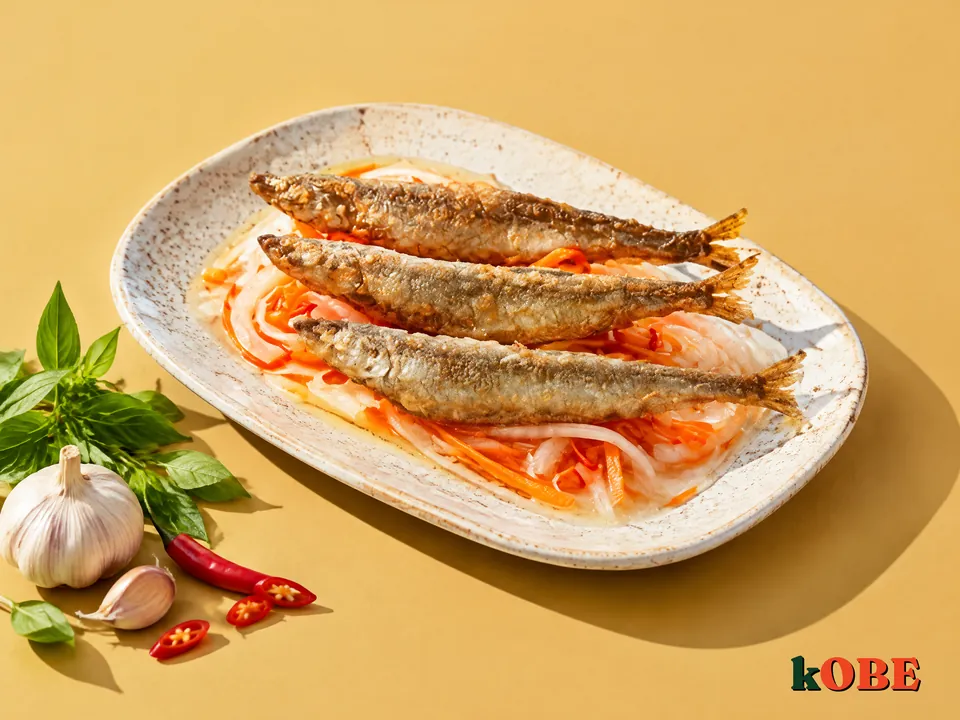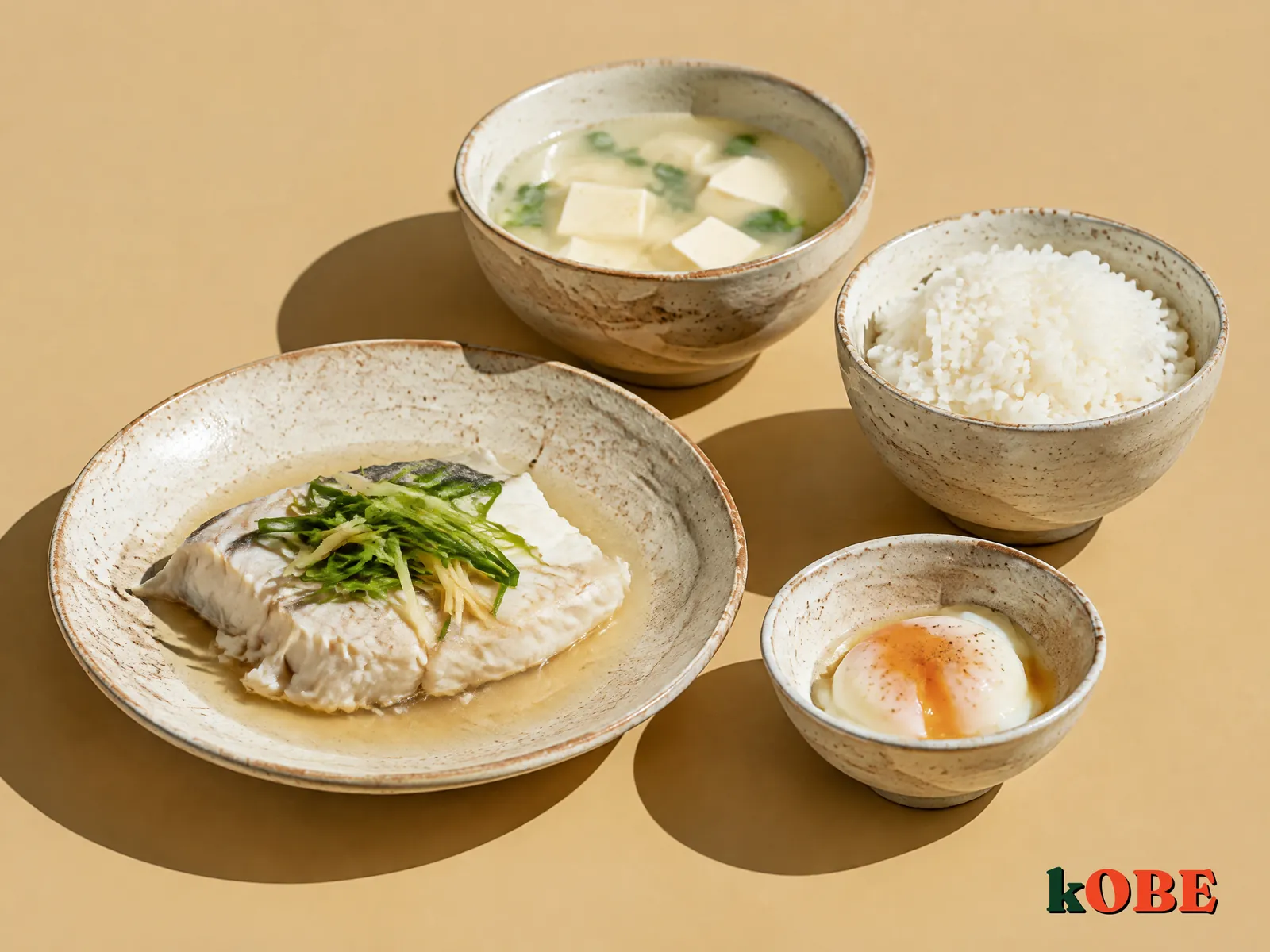
Every Vietnamese family dinner has this scene. Grandma passes the best piece of fish to her grandkids. Then she pours soup over her rice and eats it with a few pickles. "I'm old now, I don't need much."
It sounds perfectly reasonable. As we age, we move less, so eating less is natural. But one nutrient goes against that trend: protein. The older you get, the more protein your body needs, not less.
In this article
Muscles slowly "retire" too, if nobody feeds them
From around age 30 to 40, muscle mass begins to thin year by year. Only a little each year, but add up a few decades and it's very clear.
You don't see it on the scale. You see it in daily life: the market basket feels heavier, getting up from a low plastic stool takes a hand on the knee, climbing stairs needs a rest halfway.
Muscle isn't just about strength. It lets grandparents walk on their own, cook for themselves, pick up their grandkids. Keeping muscle means keeping independence.
Older muscles "hear" protein less clearly
In young people, a meal with about 20g of protein is enough to switch on the muscle-building signal. In older adults, that signal is weaker. Scientists call this anabolic resistance.
Put simply: Grandma's muscles are a little hard of hearing. To get through, the meal has to speak louder. That means a bit more protein per meal, about 25 to 30g.
The PROT-AGE expert group in Europe gives a figure for people over 65: about 1 to 1.2g of protein per kilo of body weight per day. That's higher than the roughly 0.8g for adults in general.
| Body weight | Protein per day (1 to 1.2g per kilo) |
|---|---|
| 45kg | about 45 to 55g |
| 50kg | about 50 to 60g |
| 60kg | about 60 to 72g |
Picture it for someone who weighs 50kg: 2 eggs, 1 glass of milk, 1 palm-sized piece of fish and 1 block of tofu gets them close.
Why do grandparents often eat too little protein?
It's not that they don't know. The reasons are very human:
- Weaker teeth, so chewing tough meat is tiring.
- Full quickly, eat little, and rice with soup goes down easier than meat and fish.
- The habit of giving the best bits to children and grandchildren.
- Eating alone, so cooking gets skipped and a bowl of plain rice porridge is dinner.
Once you see the reasons, the fix is clear too: make protein softer, easier to eat, and already there in every meal.
Five ways to get protein onto your grandparents' table
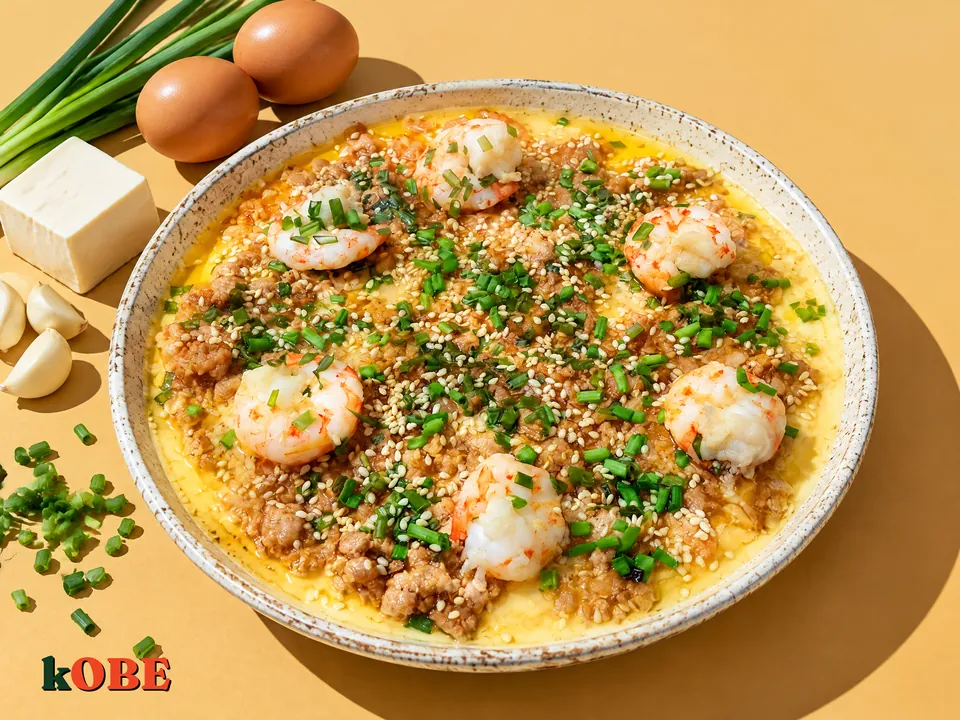
- Pick soft dishes: steamed egg, chả trứng (steamed egg and pork loaf), silken tofu, steamed fish, minced pork, shredded chicken.
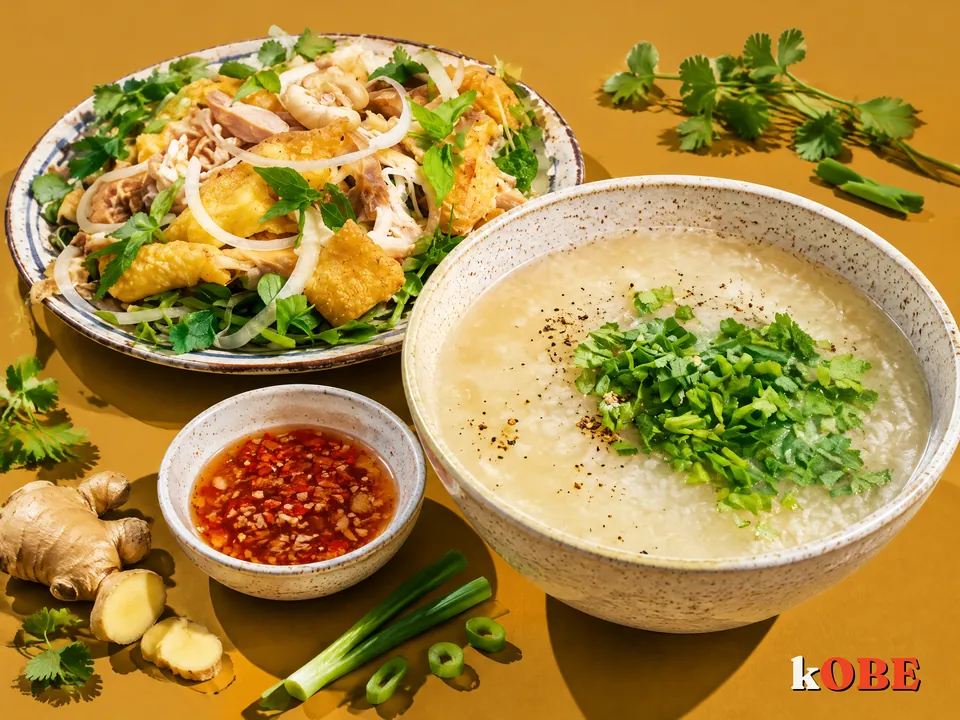
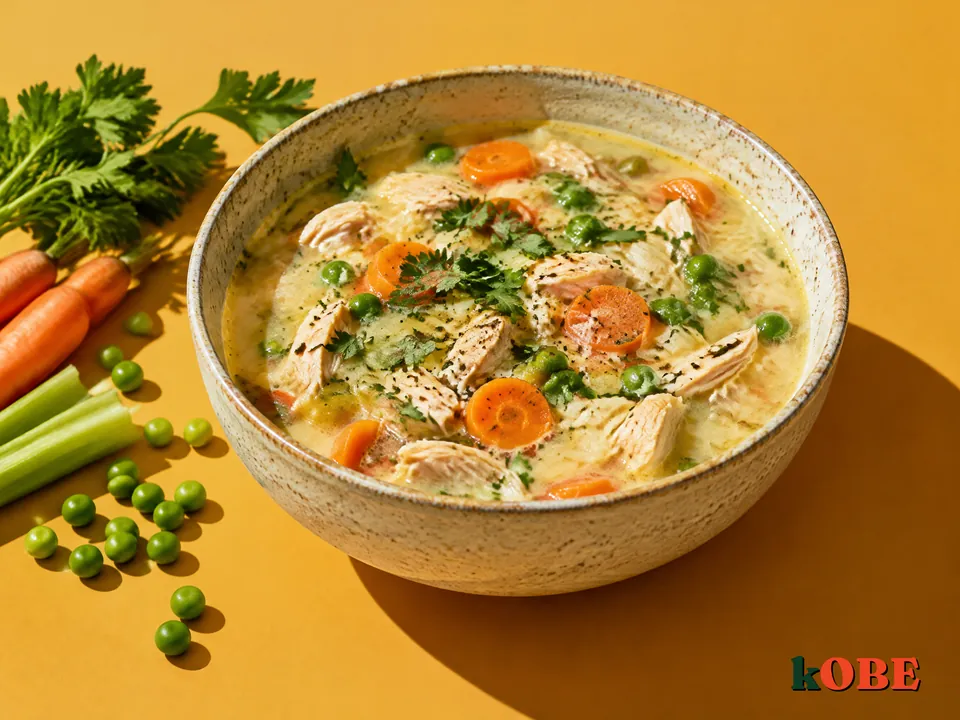
- Add protein to familiar dishes: plain porridge becomes shredded chicken porridge or fish porridge. Toss tofu or minced shrimp into vegetable soup.
- Spread protein across three meals, don't pile it all into dinner. Breakfast is usually the most protein-poor meal.
- Snacks with protein: a glass of milk, a pot of yogurt, a glass of soy milk in the afternoon.
- Sit down and eat together. Grandparents usually eat with more appetite when someone shares the meal and the conversation.
Protein needs movement to go with it
Eating enough protein is only half the story. The other half is giving the muscles a job to do.
A daily walk, practicing standing up and sitting down from a chair, lifting two small water bottles, morning dưỡng sinh (gentle traditional exercise). The World Health Organization (WHO) advises older adults to do muscle-strengthening activities on at least two days a week. Experts agree: protein and movement together work better than either one alone.
Do your grandparents have a specific health condition, or follow a diet set by a medical professional? Ask them first before raising protein.
Inside the kOBE kitchen
kOBE's Sous Vide Chicken Breast is cooked at 60°C for 90 minutes and then chilled quickly, so the meat stays tender and juicy. For people with weaker teeth, you can shred it or mince it into porridge.
Each 100g of cooked meat has 31g of protein. That means just half of a 100g pack adds about 15g of protein to a bowl of porridge, close to the protein in 2 to 3 eggs.
Edamame (11.9g of protein per 100g) and Green Peas (5.4g of protein) are also soft and easy to eat with rice or cook into soup. See them on our Ingredients page.
Frequently asked questions
My grandparents eat very little. Should they drink extra milk?
Will more protein upset their digestion?
Can plant protein replace animal protein for older adults?
Keep reading
Sources
- Bauer J. et al. (2013). Evidence-based recommendations for optimal dietary protein intake in older people: a position paper from the PROT-AGE Study Group. Journal of the American Medical Directors Association 14(8):542 to 559.
- Deutz N.E.P. et al. (2014). Protein intake and exercise for optimal muscle function with aging: Recommendations from the ESPEN Expert Group. Clinical Nutrition 33(6):929 to 936.
- WHO (2020). WHO guidelines on physical activity and sedentary behaviour.
- National Institute of Nutrition (Vietnam) (2016). Recommended Dietary Allowances for Vietnamese People.
- Further reading: Understanding Nutrition 16th ed., chapter 6; Campbell B., Sports Nutrition, chapter 5.