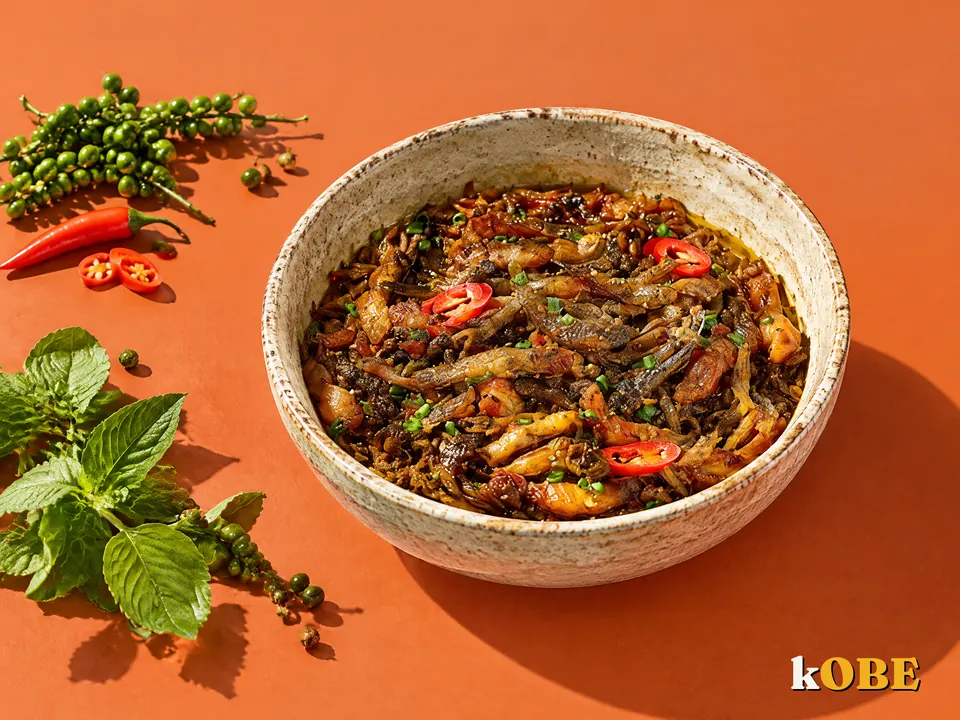
Sunday afternoon, you're determined to make a pot of sugar free cá kho (Vietnamese caramel braised fish). You heat the pan, add your sugar substitute, and wait for it to turn that amber-brown color, just like mom always did.
Five minutes. Ten minutes. The sweetener melts and bubbles gently, but refuses to brown. Or it browns a little and then just sits there.
You didn't do anything wrong. It's that sugar substitutes and cane sugar simply "behave" differently on the stove. Once you understand this, you'll know which dishes you can swap, and which need a different trick.
In this article
Nước màu is sugar burnt on purpose
Nước màu, or caramel, is what you get when cane sugar is heated to about 160 to 180°C.
At that temperature, sugar molecules break apart and rejoin into hundreds of new compounds. Some make the brown color. Some make that distinctive, slightly bitter aroma. That's the soul of a pot of braised pork or braised fish.
Most sugar substitutes don't take this path. Monk fruit and stevia extracts are used in tiny amounts, so there's nothing much to "burn". The bulking ingredients in a jar of sweetener melt, but they don't turn into caramel the way cane sugar does.
The honest conclusion: sugar substitutes can't make nước màu caramel the way cane sugar does.
Allulose: the exception that browns
There's one special member of the sweetener family: allulose.
Allulose is a rare sugar, found naturally in tiny amounts in a few fruits such as figs and raisins. It joins in the browning reactions when heated, and even browns faster than cane sugar.
Thanks to that, blends containing allulose help baked goods and sauces take on golden and amber tones. But that color and aroma are close to, not identical to cane sugar caramel. The bitter-sweet fragrance of real nước màu is still the specialty of burnt sugar.
Color your braise without nước màu
Good news: a braise has plenty of other ways to get its color. Cooks across every region have used them for ages.
- Sear the meat or fish until the edges catch before braising. Protein meeting heat creates brown color and aroma, the Maillard reaction.
- Fry shallots and garlic until deep golden. Shallot and garlic oil brings color and a very "Vietnamese" aroma.
- Use dark soy sauce or thick black soy. Just a small spoonful gives a glossy brown.
- Annatto oil (dầu điều). A warm orange-red, great with braised fish and caramelized shrimp.
- Braise long and low. As the liquid reduces, the color deepens on its own.
Then season with your sugar substitute as usual. The color comes from the steps above, the sweetness from the sweetener.
What does bread yeast live on?
Over to the oven. Yeast is a microscopic fungus. It eats sugar, then breathes out CO2 gas. That gas makes the dough puff up.
Yeast loves simple sugars best: glucose, fructose, and cane sugar once the yeast has split it in two.
And sugar substitutes? Yeast can hardly "eat" monk fruit, stevia or the bulking ingredients in a jar of sweetener. To yeast, they're like plastic food in a restaurant window: it can see them, but it can't eat them.
So does sugar free bread still rise?
Fun fact: Vietnamese bánh mì rises beautifully with no sugar at all
The answer is yes. And you've been eating the proof for years.
Wheat flour comes with its own enzymes. Once mixed with water, those enzymes start cutting part of the starch into small sugars (maltose). That's what the yeast feeds on.
That's why many baguette recipes, including traditional Vietnamese bánh mì, contain just flour, water, salt and yeast, and still rise tall with a crackly crust.
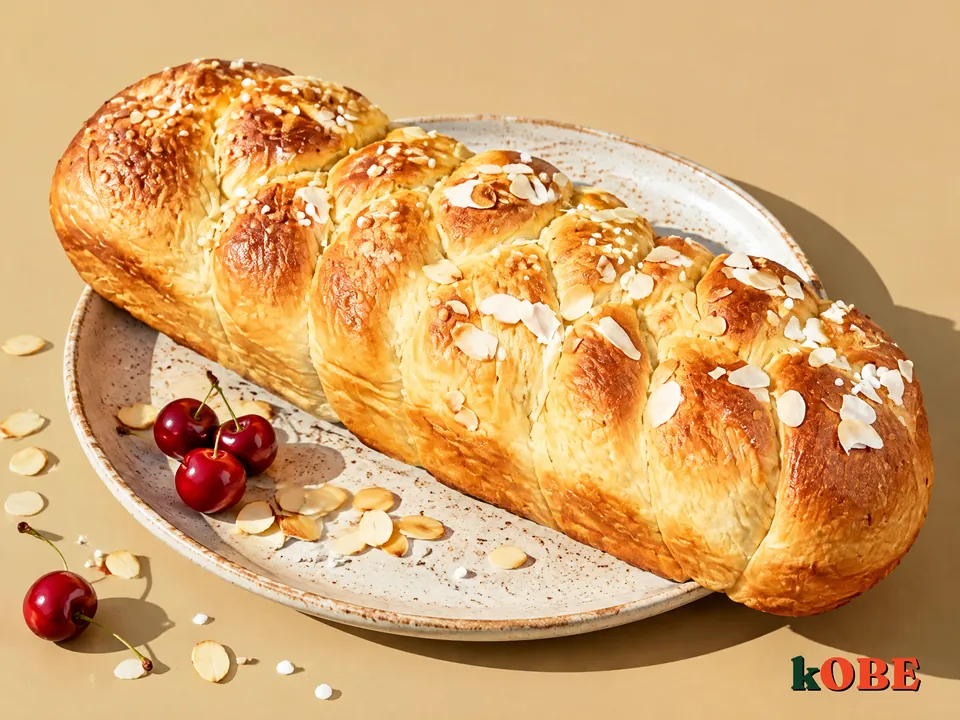
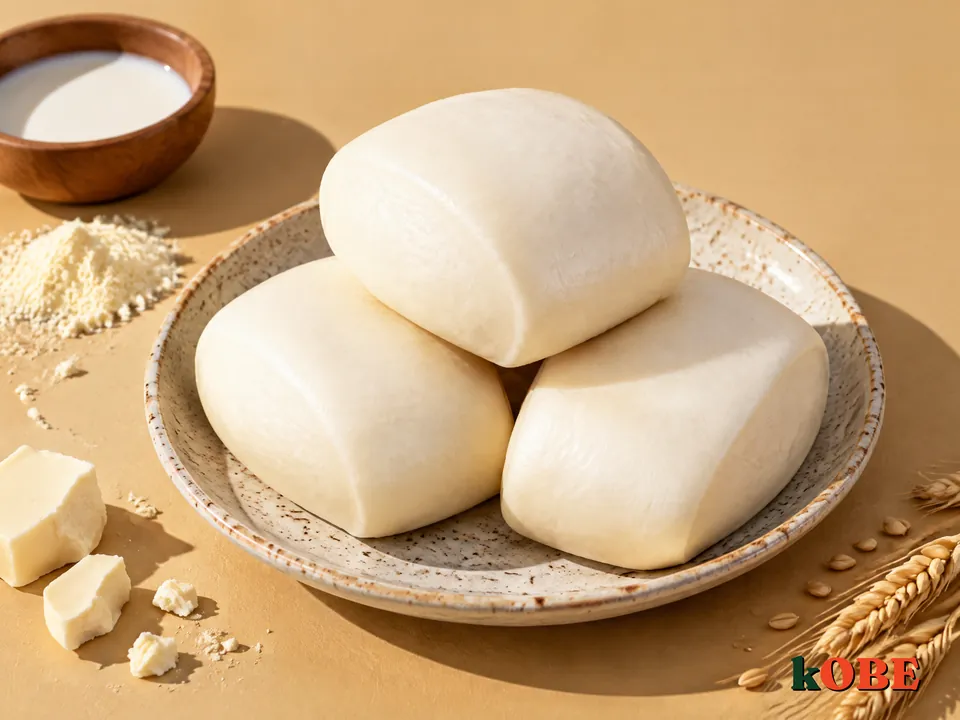
For sweet breads, bánh bao (steamed buns) and brioche, sugar does extra jobs: sweetness, a soft crumb, a nicely browned crust. Swap in a sugar substitute and:
- The dough still rises thanks to sugars from the starch, though it may need a little longer to proof.
- The crust may be paler. Brush with egg yolk or milk before baking.
- The sweetness stays the same, because the yeast doesn't "eat up" the sweetener while the dough proofs.
Inside the kOBE kitchen
kOBE Signature Monk Fruit Blend has allulose in its five-ingredient team. Allulose helps bakes brown and gives a taste close to cane sugar. Even so, bakes made with this blend still turn a paler gold than those made with cane sugar. Our go-to trick is to brush on a little egg yolk.
As for making nước màu caramel, we'll be honest: this blend can't replace cane sugar there. The braised dishes in kOBE's collection of 1,480 home recipes are all sweetened with the monk fruit blend. For a nicely colored braise, just use the coloring tricks above.
Frequently asked questions
What about the caramel layer on a sugar free flan?
Can I make hard candy with a sugar substitute?
Does ice cream made with a sugar substitute freeze harder?
Keep reading
Sources
- McGee H. (2004). On Food and Cooking: The Science and Lore of the Kitchen. Scribner. Chapters on sugar, caramel and bread.
- U.S. FDA (2020). The Declaration of Allulose and Calories from Allulose on Nutrition and Supplement Facts Labels: Guidance for Industry.
- Marcus J.B. (2013). Culinary Nutrition: The Science and Practice of Healthy Cooking. Academic Press.
- Further reading: Culinary Nutrition; Understanding Nutrition 16th ed., chapter 4.