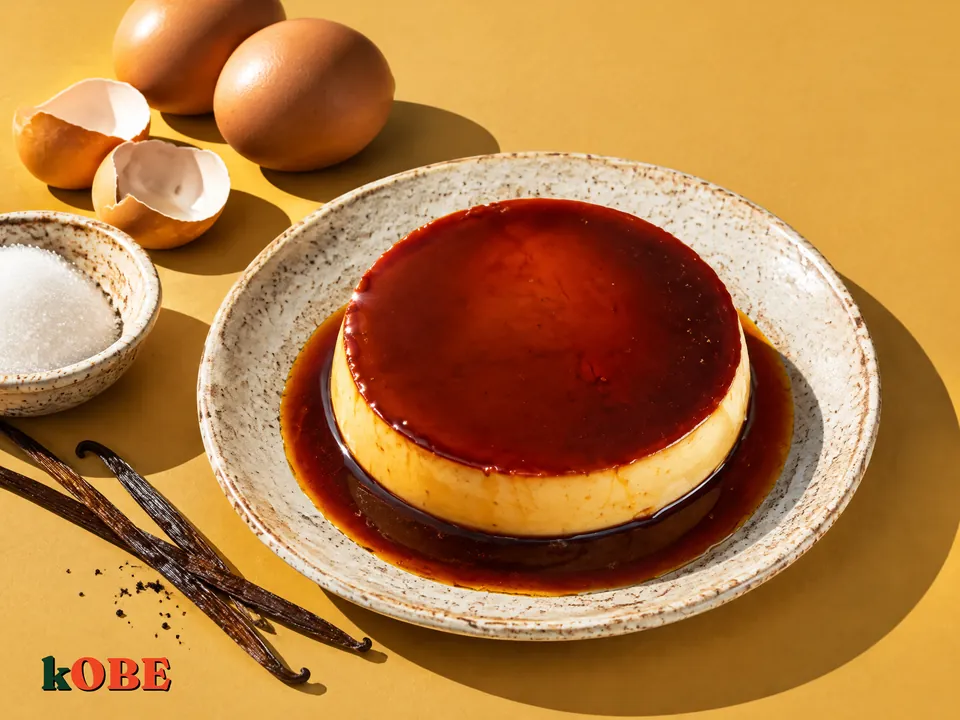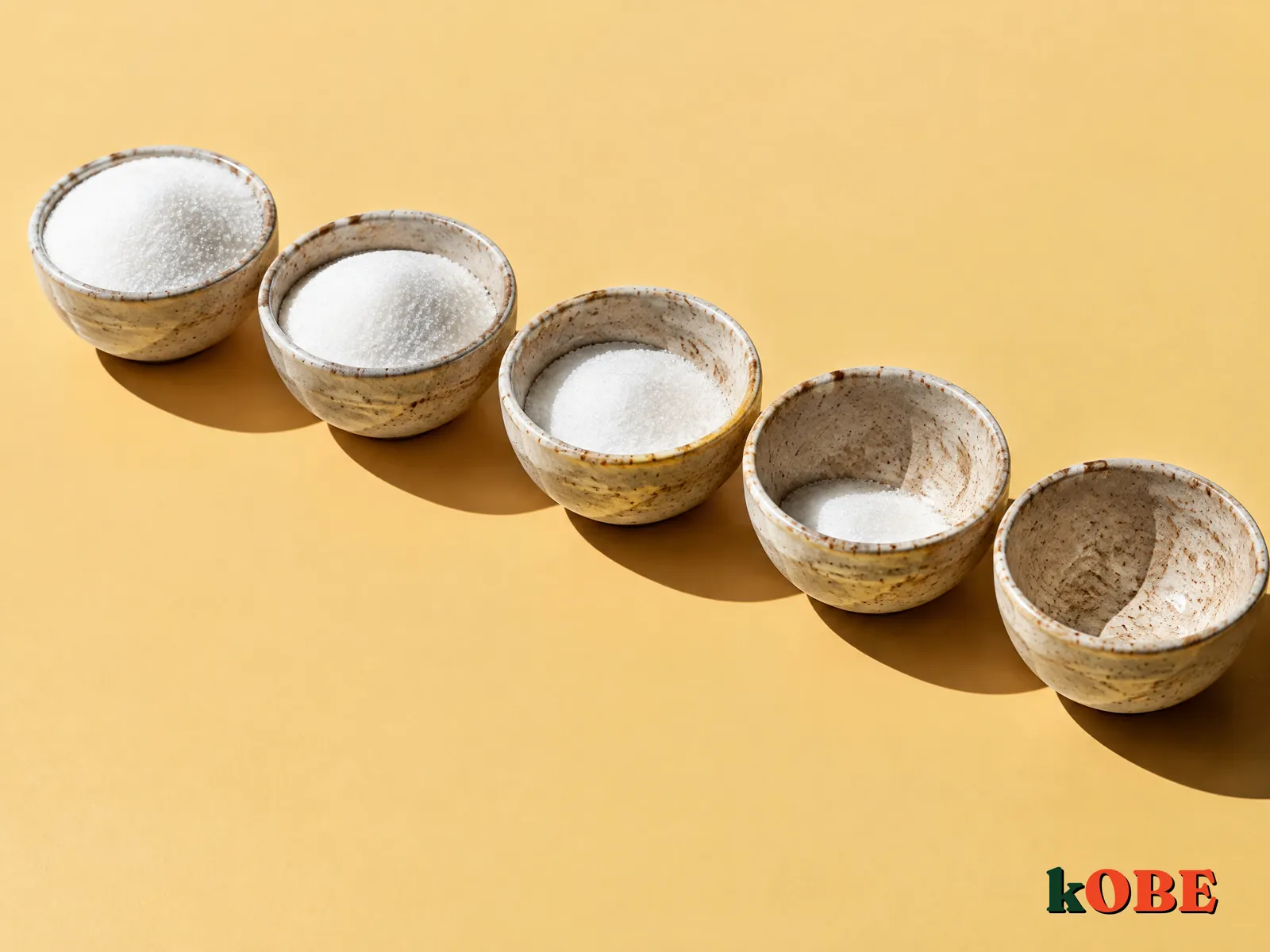
"Starting tomorrow, I'm quitting sugar for good." How many times have you heard that? Maybe you've said it yourself.
Then the next morning, there's still a cà phê sữa (coffee with condensed milk). In the afternoon, still a milk tea. And that "I failed again" feeling comes creeping back.
The problem isn't you. The problem is the words "for good". Cutting sugar is more like climbing stairs than leaping across a canyon. A little at each step, and every step is worth celebrating.
In this article
Why does "quit completely tomorrow" rarely work?
Sweetness is tied to so much of daily life. The morning coffee, milk tea with colleagues, mom's chè, a slice of birthday cake.
Quitting everything at once means giving up all those moments too. Willpower might hold for a few days. But when you're tired, sad, or friends invite you out, willpower usually loses.
Small steps are different. Each one is light enough to do right away, and lasts long enough to become a habit before you move on.
Good news: your taste buds can adapt
This is our favorite part.
In 2016, a team of scientists in the US had participants cut back on sugar for 3 months. At regular intervals, they had participants taste puddings and drinks at different sweetness levels.
The result: after a period of eating less sugar, the same pudding tasted sweeter to participants than it did at the start. Their tongues had become more sensitive to sweetness.
The study is still small, and it doesn't answer every question. But it matches what so many people experience: after a few weeks of less sweetness, going back to a 100% sugar milk tea feels harsh and hard to finish.
In other words, you don't have to grit your teeth forever. Just get through the early stretch, and your tongue will come over to your side.
The five rungs of cutting sugar
Read through and see where you're standing:
| Rung | What you're doing | Sign you're ready for the next rung |
|---|---|---|
| 1. Notice | Count how many sweet drinks you have each week | You know exactly where your sugar comes from |
| 2. Drinks | Lower the sugar level when ordering: 100%, 70%, 50%, 30% | A 30% cup starts to taste just right |
| 3. Read labels | Check the sugar line and ingredients before buying | You spot hidden sugar in sauces, yogurt, biscuits |
| 4. Home kitchen | Make dipping sauce less sweet, use a sugar substitute in familiar dishes | The family barely notices a difference |
| 5. Get used to it | Enjoy the natural taste of tea, coffee, fruit | Very sweet things start to taste harsh |
There's no "right" or "wrong" rung. Some people stay at rung 3 for a whole year, and that's still a big change from where they started.
Start with your glass, not the cake
If you pick just one thing, we suggest: start with drinks.
The reason is simple. For many people, drinks are the biggest source of sugar in the day. A single milk tea or cà phê sữa can come close to the World Health Organization's (WHO) recommended sugar for the whole day.
And drinks are also the easiest to change:
- Cà phê sữa: use half the condensed milk and top up with unsweetened fresh milk.
- Milk tea: drop one percentage step at a time, holding each step for 1 to 2 weeks.
- Soda: gradually switch to iced tea, water, or homemade lime soda with just a little sweetness.
What if you "slip down a rung"?
There will definitely be a day when you drink a 100% sugar milk tea. A birthday party, a sad day, a trip away.
That's not failure. It's just one day. Habits are built over many weeks, and one evening doesn't undo them.
A few tips to keep your rhythm:
- Don't make up for it by skipping meals the next day. Just go back to your normal routine.
- Note what made you slip. Tired? Hungry? Friends asked you out? Next time you'll be prepared.
- Remember why you started. To feel more alert in the afternoon, to eat with more intention, or so the whole family gets used to lighter flavors.
Inside the kOBE kitchen
We made a whole page to walk this journey with you: The cutting sugar journey.
At the "home kitchen" rung, kOBE Signature Monk Fruit Blend swaps for sugar 1:1. However much sugar an old recipe calls for, you use the same amount, no recalculating. The family still eats familiar dishes, just with a different source of sweetness.
kOBE's collection of 1,480 home recipes lists calories, protein, fat and sugar per 100g for every dish. You can use those numbers at the "read labels" rung, right in your own kitchen.
And once you've reached the top rung, we still suggest one thing: make things a little less sweet again, even with a sugar substitute. Because the real goal is a tongue that feels satisfied with gentle sweetness.
Frequently asked questions
How long should I stay on each rung?
Do I have to quit sugar completely to call it a success?
Will cutting sugar make me tired in the first few days?
Keep reading
Sources
- Wise P.M., Nattress L., Flammer L.J., Beauchamp G.K. (2016). Reduced dietary intake of simple sugars alters perceived sweet taste intensity but not perceived pleasantness. American Journal of Clinical Nutrition 103(1):50 to 60.
- WHO (2015). Guideline: Sugars intake for adults and children.
- Lally P. et al. (2010). How are habits formed: Modelling habit formation in the real world. European Journal of Social Psychology 40(6):998 to 1009.
- Harvard T.H. Chan School of Public Health, The Nutrition Source: Added Sugar.
- Further reading: Understanding Nutrition 16th ed., chapter 4; Diet Cults.