Some people say it proudly: "I don't eat sweets, I don't drink soda. I must eat hardly any sugar."
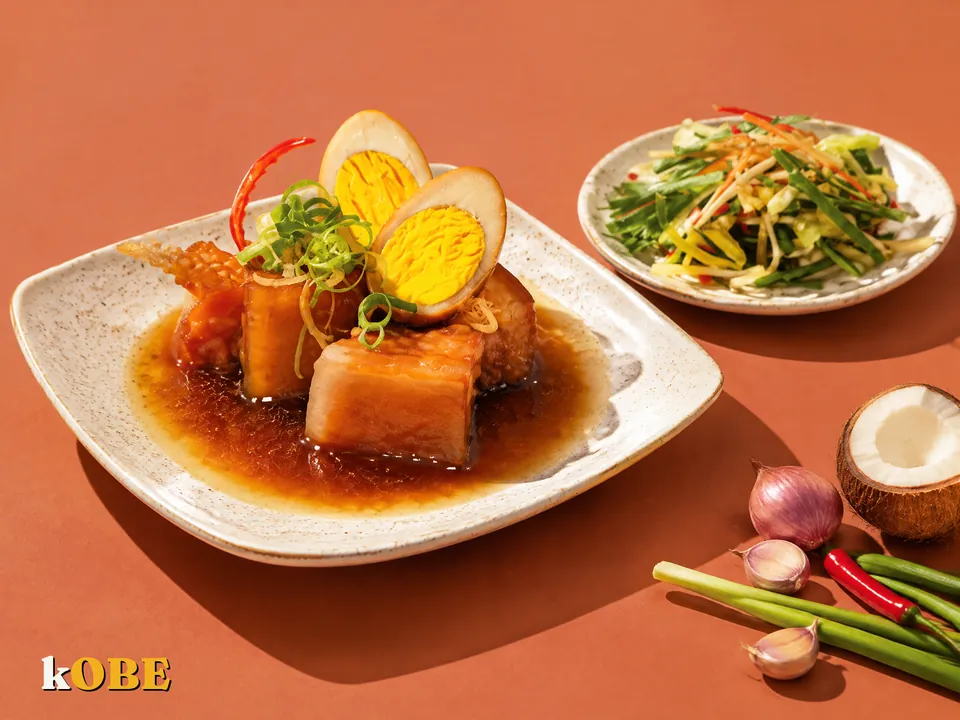
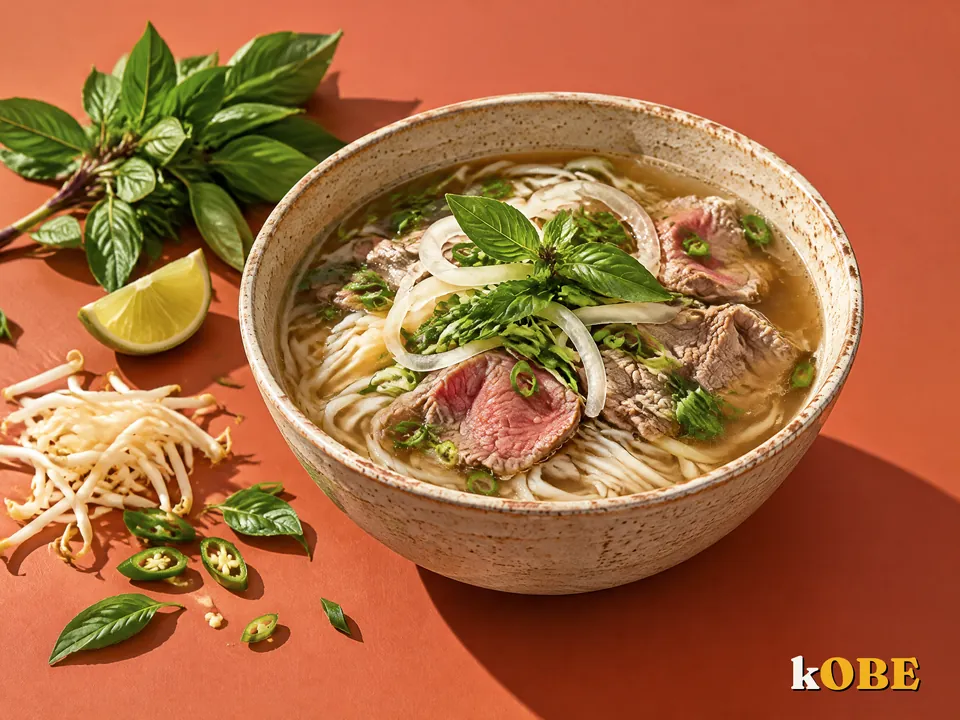
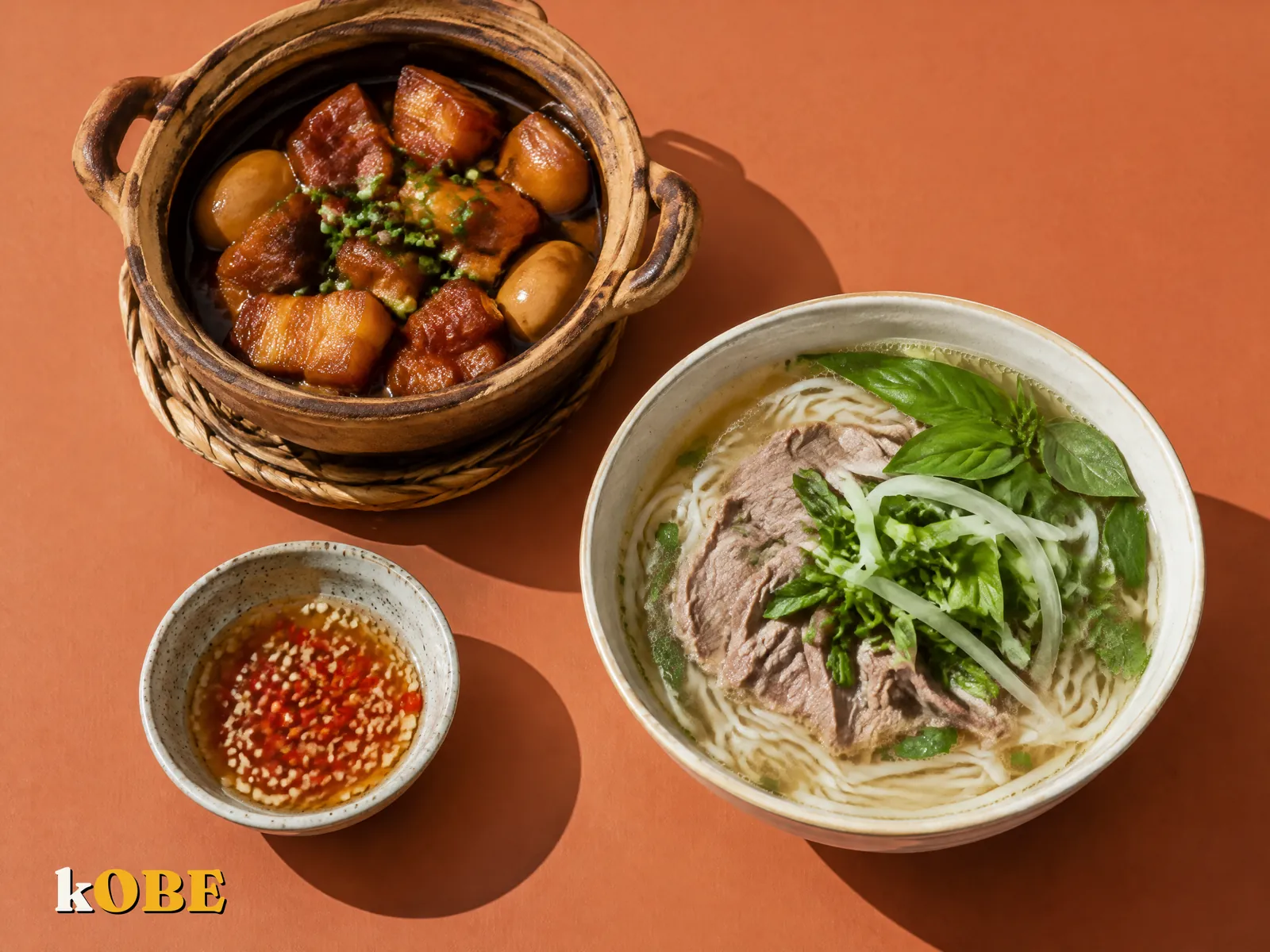
Then lunch is cơm tấm sườn nướng (broken rice with grilled pork chop) and a little bowl of sweet and sour fish sauce. Dinner is mom's thịt kho trứng, pork and eggs braised in a glossy caramel sauce. At the weekend, a bowl of phở with a squeeze of hoisin.
None of these dishes is called "sweet". But every one of them has sugar. This is the story of hidden sugar in Vietnamese food, and also the story of why Vietnamese food tastes so good.
In this article
Vietnamese savory food loves a touch of sweet
Vietnamese cooking is all about balance. Salty from fish sauce, sour from lime, heat from chili, and sweet to pull them all together.
A little sugar rounds off saltiness and softens its edges. It also helps grilled meat brown and gives a braise its glossy shine. So sugar turns up in plenty of dishes we'd never call dessert.
How sweet people season also varies by region. Many Southern cooks season on the sweeter side, while many Northern kitchens keep flavors lighter. Neither is right or wrong, it's just what your tongue grew up with.
A small bowl of dipping sauce, not a small amount of sugar
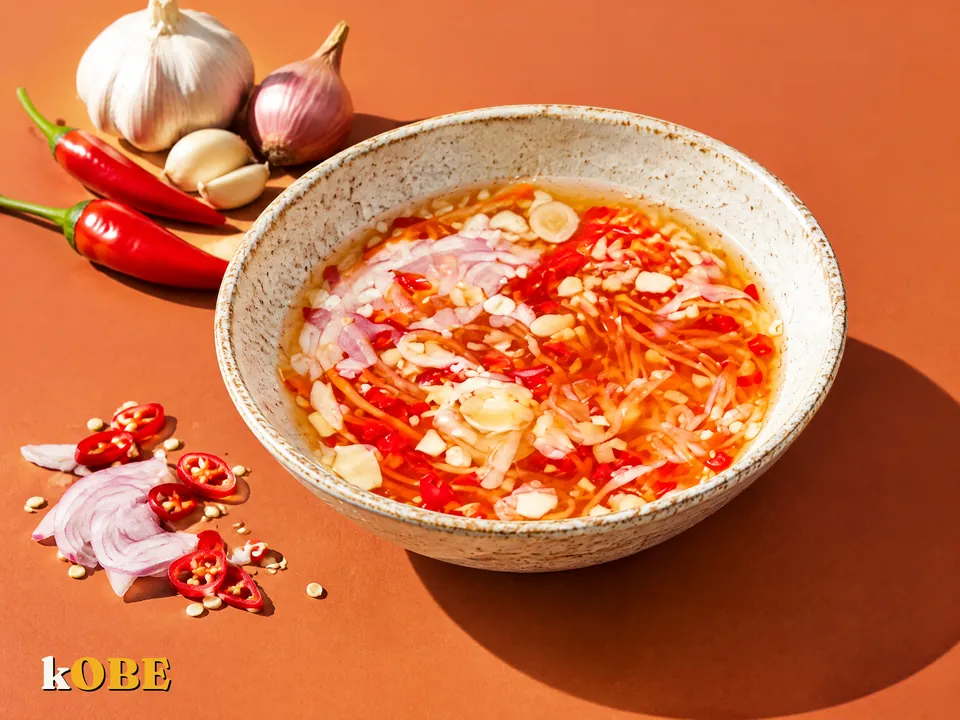
Nước mắm chua ngọt, the everyday sweet and sour dipping sauce, is the "ambassador" of hidden sugar.
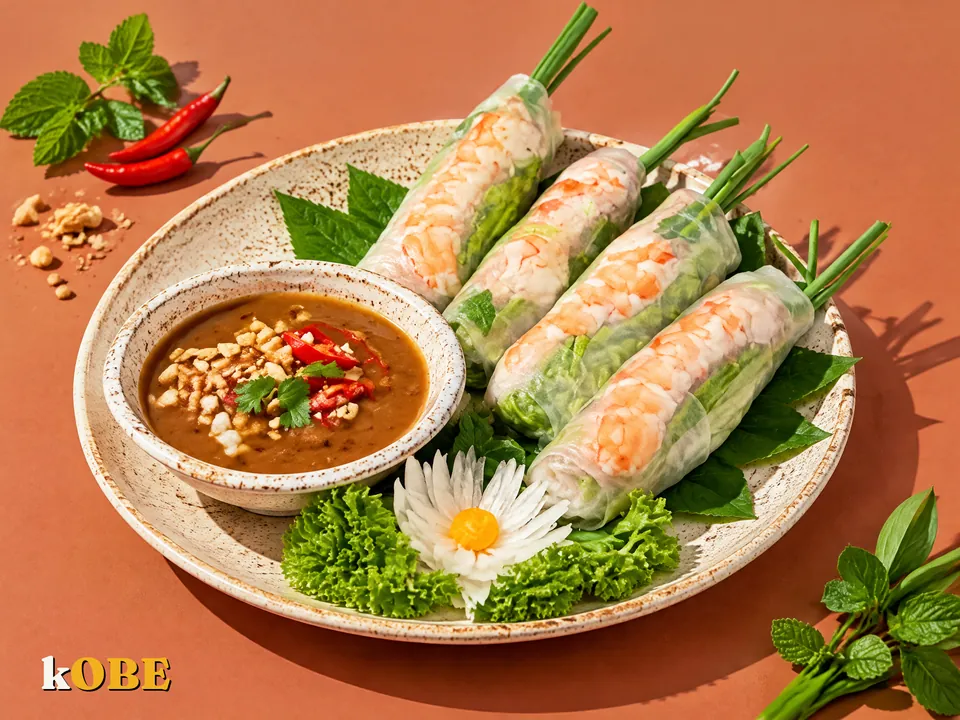
Many families mix it with nearly as much sugar as fish sauce, then add lime, garlic, chili and water. One bowl for dipping gỏi cuốn (fresh spring rolls) or bánh xèo (crispy rice crêpes) can hold about 1 to 2 tablespoons of sugar. A tablespoon of granulated sugar weighs about 12 to 15g.
The good news: you don't drink the whole bowl. But if you often spoon fish sauce over your rice, or dip generously, the sugar that goes in adds up.
A few other familiar sauces:
| Sauce | Sugar inside, approx. |
|---|---|
| Hoisin (tương đen) | in every 4 spoonfuls, more than 1 is sugar |
| Bottled chili sauce | in every 5 spoonfuls, about 1 is sugar |
| Tamarind dipping sauce | depends on the recipe, often quite a lot |
| Soy sauce | usually very little, except "sweet" types |
These figures are based on the US Department of Agriculture (USDA) food database. Brands differ, so check the nutrition panel on the bottle.
The braising pot: the secret is nước màu
Braised pork and braised fish have a beautiful amber-brown color. That color usually comes from nước màu, sugar cooked down until it turns into caramel.
On top of the caramel, many cooks add more sugar when seasoning, then pour in fresh coconut water. Coconut water has a gentle natural sweetness, far less than canned soda.
As the pot simmers for a long time, the liquid reduces, and the sugar concentrates in the sauce. The pork and eggs soak up that thick, glossy sauce. With hot rice it's impossible to fault, but a spoonful of braising sauce over your rice carries a fair bit of sugar too.
Your bowl of phở or hủ tiếu has sugar as well
Many pots of broth get a little rock sugar for a "sweeter broth", especially when the bones haven't simmered long enough. Vietnamese call this a clean, gentle sweetness.
Then it's your turn. A swirl of hoisin, a swirl of chili sauce, a squeeze of lime. In a few seconds you've added a bit more sugar to the bowl.
A few other places sugar likes to hide:
- Marinades for grilled meat: grilled pork chops and skewers are often marinated with sugar or honey for color.
- Đồ chua (quick pickles): carrot and daikon pickled in sugared vinegar, tucked into bánh mì or served with cơm tấm.
- Restaurant-style stir fries: glossy oyster sauce and sweet and sour sauces usually contain sugar.
- Ready-made sauce packets: braising mixes and marinade packets. Read the label and you'll see it.
Less sweet, and dinner still tastes full-flavored
You don't need to give up familiar dishes. Just a few small changes:
- Make your dipping sauce one notch less sweet. Cut back a little each time and your tongue will adjust.
- Dip instead of pour. Keep the sauce in its own bowl rather than drizzling it over the whole plate.
- Simmer bones longer and use less rock sugar. Sweetness from bones, charred onion and charred ginger already runs deep.
- Taste before adding sauces. Many bowls of phở are already well seasoned.
- Color your braise another way. Sear the meat until the edges catch, add fried shallots and garlic, use fresh coconut water.
You'll be surprised that a slightly less sweet meal still tastes great. You might even taste the meat and fish more clearly.
Inside the kOBE kitchen
Our savory dishes at kOBE are seasoned with a touch of sweet too, because that's the Vietnamese taste. The difference is that the sweetness comes from kOBE Signature Monk Fruit Blend, not cane sugar.
The sauces in our frozen rice bowls and our Sous Vide chicken thighs (Monk Fruit Glazed, Lemongrass Chili, Black Pepper, Chili Salt) are all cooked with the monk fruit blend. The same goes for our 1,480 home recipes: from cá kho tộ (clay pot braised fish) and thịt kho nước dừa (pork braised in coconut water) to the fish sauce for bánh xèo.
There is one thing the monk fruit blend can't do, and that's make nước màu caramel. So for a nicely colored braise, use the searing trick, fried shallots and garlic, and a low simmer as described above.
Frequently asked questions
Does pure fish sauce contain sugar?
Does coconut water in braised pork add much sugar?
How can I cut back when eating out?
Keep reading
Sources
- USDA FoodData Central: hoisin sauce, hot chili sauce (sriracha), coconut water.
- National Institute of Nutrition (Vietnam). Vietnamese Food Composition Table.
- WHO (2015). Guideline: Sugars intake for adults and children.
- Further reading: Culinary Nutrition: The Science and Practice of Healthy Cooking (2013), sections on seasoning and replacing sugar in cooking.