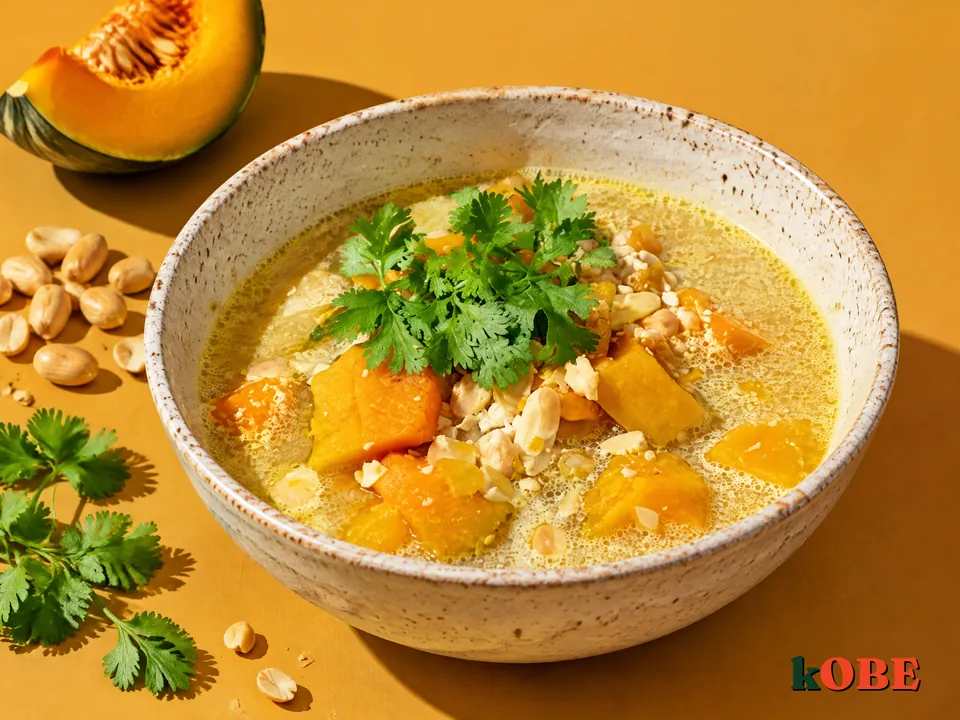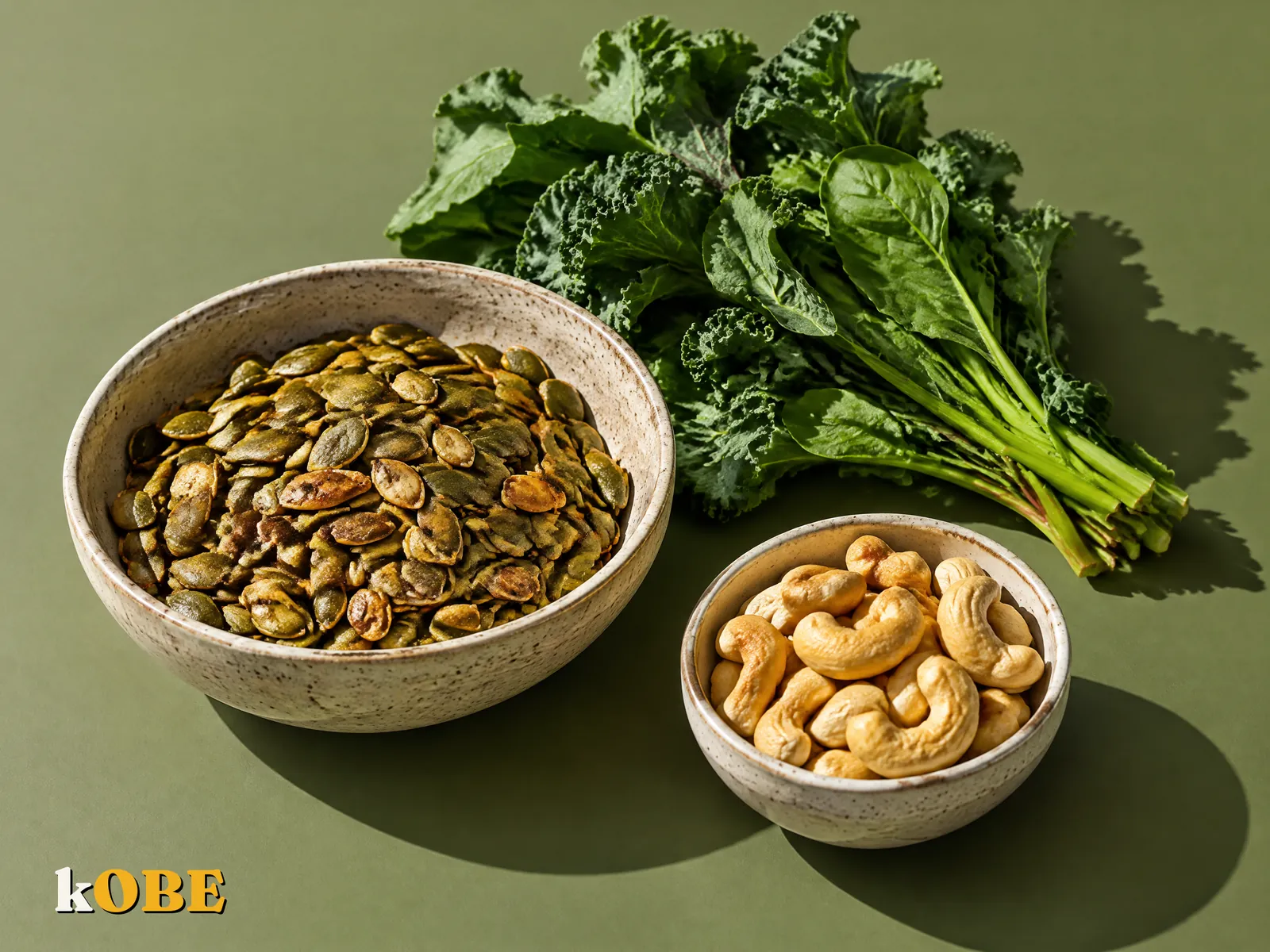
At Tết (Lunar New Year), every living room table has a bowl of pumpkin seeds and watermelon seeds. The whole family sits cracking them open, the shells piling up into little hills.
Few people guess that this bowl of seeds is one of the richest sources of magnesium in the Vietnamese kitchen. And magnesium has an even more surprising home: right in the green of a leaf.
In this article
A leaf is green because there is magnesium in the middle
The green in vegetables comes from chlorophyll, the pigment that helps plants catch sunlight to make sugar.
Zoom in on a chlorophyll molecule and it looks a bit like a flower. At the very center of that flower sits one magnesium atom. Without magnesium, a plant cannot make chlorophyll.
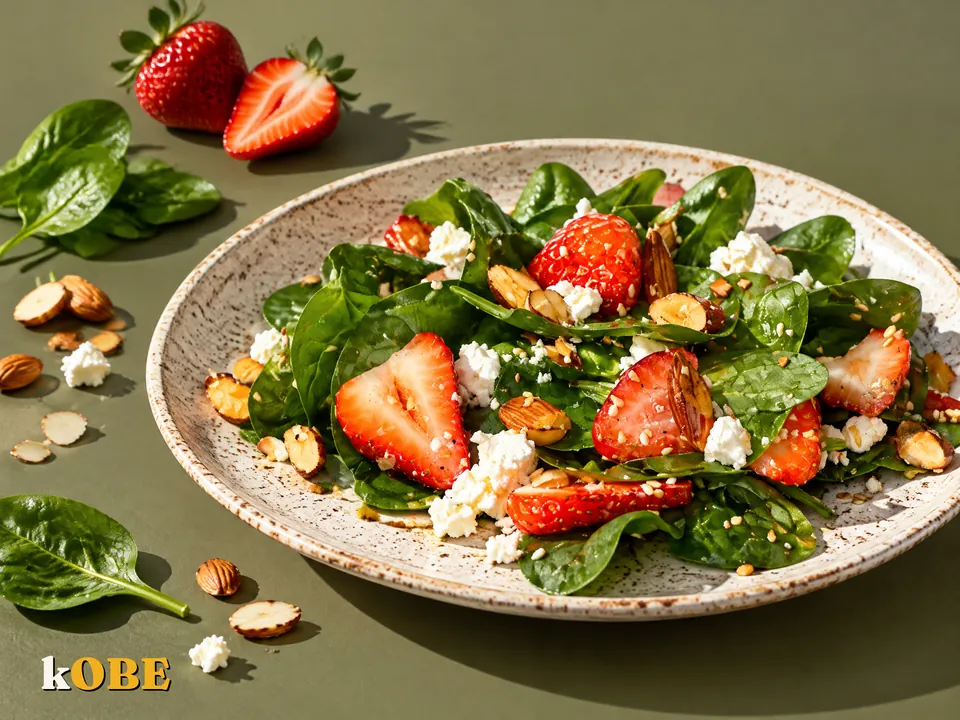
So here is an easy way to remember it: the darker green the leaf, the more magnesium it usually has. Water spinach, amaranth, spinach, mustard greens and kale all belong here.
A small fun fact for cooks: greens boiled too long, or hit with something sour, turn a dull olive color, drifting toward yellow-brown. That is the moment the magnesium atom gets pushed out of the chlorophyll. The magnesium is still in the pot; the greens just lose their pretty color.
What does magnesium do in your body?
An adult body holds about 25g of magnesium. More than half is in the bones, and the rest is in muscles and other tissues.
Magnesium could be called the body's "helper". It takes part in more than 300 enzyme reactions, including:
- Making energy from food. ATP, the cell's energy molecule, needs magnesium alongside it to work.
- Helping muscles contract and relax, working together with calcium.
- Building bone, together with calcium and phosphorus.
- Making new protein and DNA.
Adults need a few hundred milligrams a day, with men usually needing a little more than women. Vietnam's National Institute of Nutrition has specific recommendations by age (2016).
Familiar sources of magnesium
Magnesium gathers in the "living" parts of a plant: green leaves, seeds, sprouts and bran.
| Group | Examples at a Vietnamese market | Notes |
|---|---|---|
| Seeds and nuts | Pumpkin seeds, watermelon seeds, sesame, cashews, peanuts, almonds | Very concentrated, a small handful is enough |
| Dark leafy greens | Amaranth, water spinach, spinach, mustard greens, kale | Steady daily contribution |
| Beans | Black beans, mung beans, soybeans, tofu, chickpeas | Magnesium plus protein |
| Whole grains | Brown rice, oats, quinoa, wholemeal bread | Magnesium sits in the bran and germ |
| Cacao, dark chocolate | Pure cacao powder | The darker, the more |
| Fruit | Banana, avocado | Less than seeds, but easy to eat |
A small handful of roasted pumpkin seeds is one of the neatest ways to "top up" magnesium. Just remember to pick a low-salt kind.
What does white rice lose in milling?
This is the interesting bit for Vietnamese eaters, because we eat rice every day.
A grain of brown rice has three parts: the outer bran layer, the small germ at one end, and the starchy core. Magnesium, B vitamins and fiber gather in the bran and germ.
When rice is milled into white rice, the bran and germ are stripped away. The result: a bowl of white rice keeps only a small share of the magnesium in a bowl of brown rice. Cooked brown rice usually has about three times the magnesium of white rice, weight for weight.
That does not mean you have to give up white rice. It is just that if you swap to brown rice now and then, or mix half brown and half white, every bowl carries a bit more magnesium with no extra effort.
Fun fact: hard water has magnesium too
Water in some areas is called "hard water" because it has a lot of dissolved calcium and magnesium. That is what leaves white scale inside your kettle.
Some bottled mineral waters also list their magnesium content on the label. Water can contribute a small share, depending on the source. But food is still the main source.
A reminder: high-dose magnesium pills can upset digestion in some people. Magnesium from food does not do that. If you have particular needs, ask a health professional before taking more.
Inside the kOBE kitchen
kOBE's Red Brown Rice and Black Brown Rice are brown rice, rice that keeps its bran layer, cooked and then frozen. Quinoa and Glutinous Coix Seed are also whole-grain options to rotate with white rice.
Sesame Kale is a portion of dark leafy greens, massaged with sesame oil and toasted sesame. We do not list magnesium numbers on our products, so we will not give a specific figure. But a box with brown rice, kale and a bean dish already gathers three of the magnesium source groups in the table above. See our ready-cooked ingredients.
Frequently asked questions
Is chocolate a good source of magnesium?
Is eating bananas enough for magnesium?
Does cooking vegetables remove magnesium?
Keep reading
Sources
- de Baaij J.H.F., Hoenderop J.G.J., Bindels R.J.M. (2015). Magnesium in man: implications for health and disease. Physiological Reviews 95(1):1 to 46.
- WHO and FAO (2004). Vitamin and mineral requirements in human nutrition, 2nd ed., chapter on Magnesium.
- USDA FoodData Central (cooked brown rice, cooked white rice, pumpkin seeds, spinach).
- National Institute of Nutrition (Vietnam) (2016). Recommended Dietary Allowances for Vietnamese People [Nhu cầu dinh dưỡng khuyến nghị cho người Việt Nam].
- Further reading: Understanding Nutrition 16th ed., chapter 12; Science of Rice.