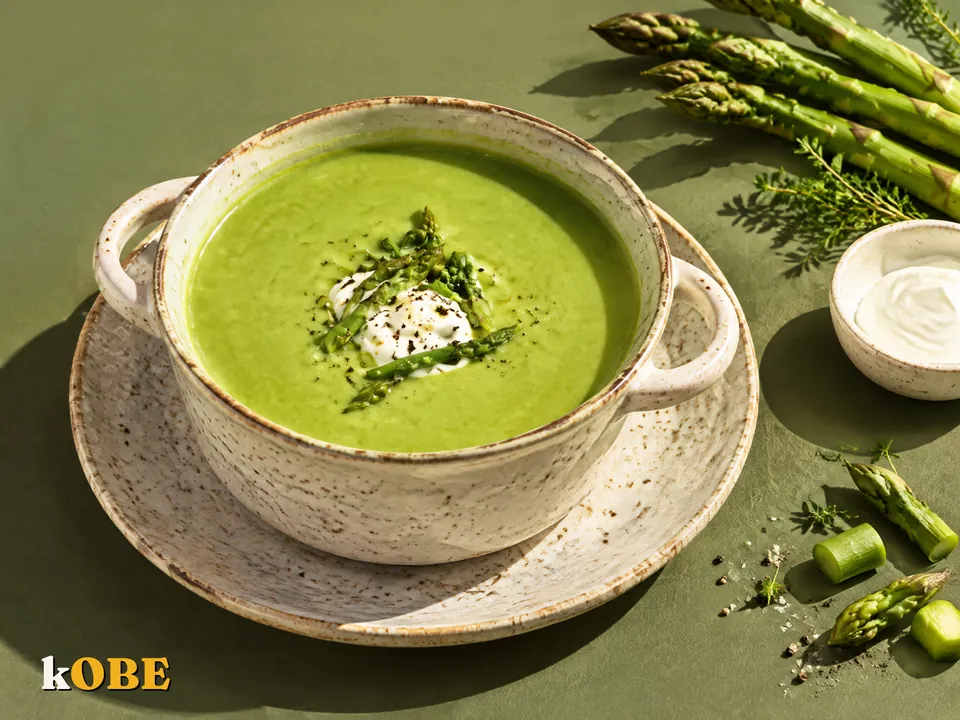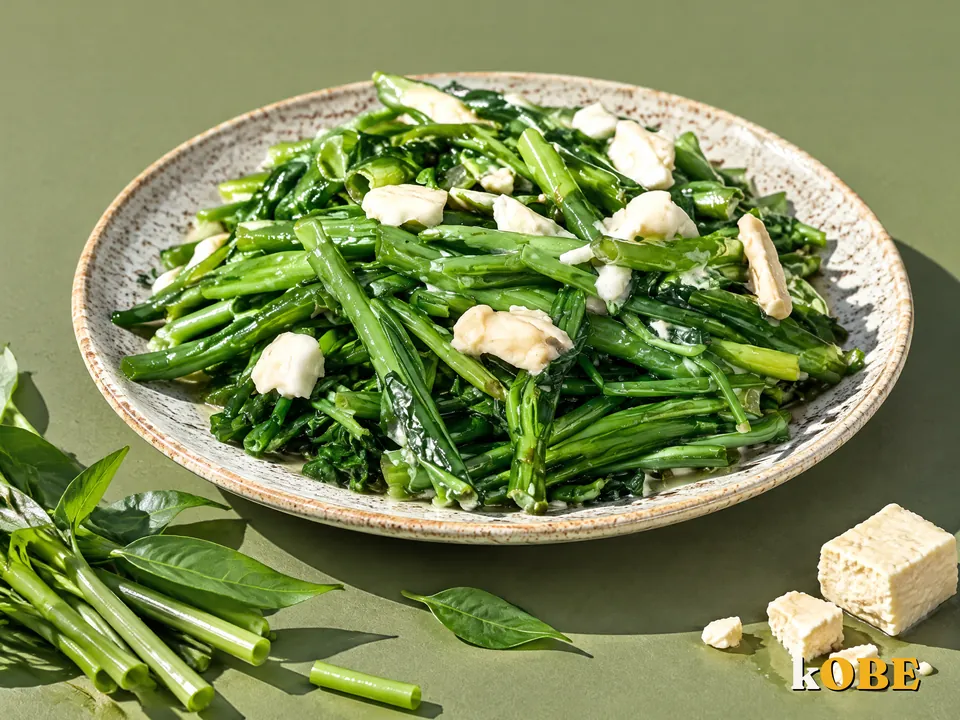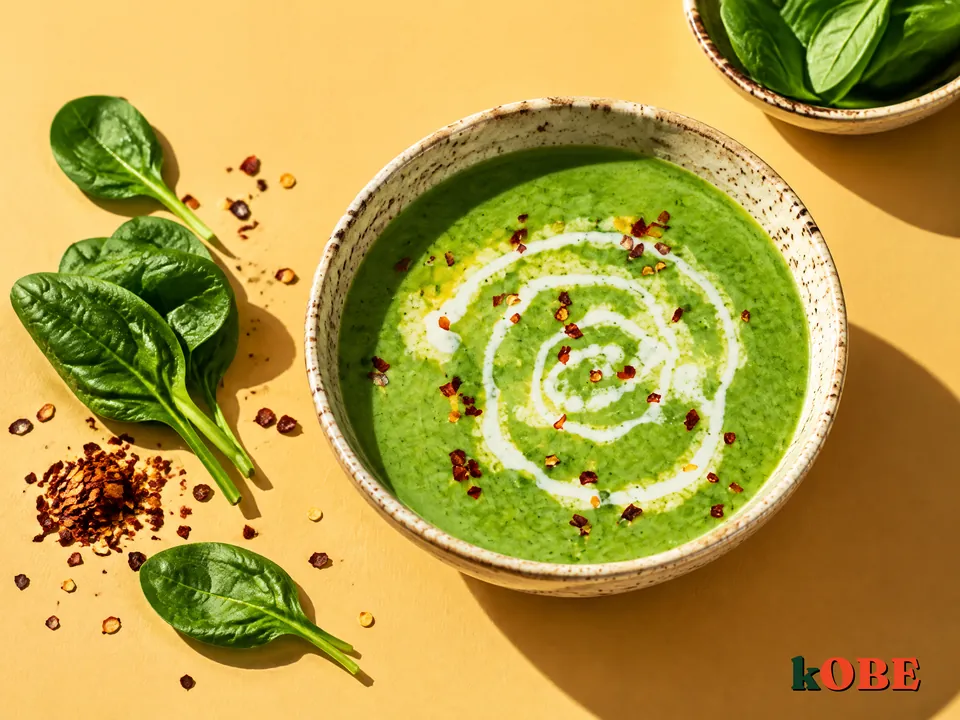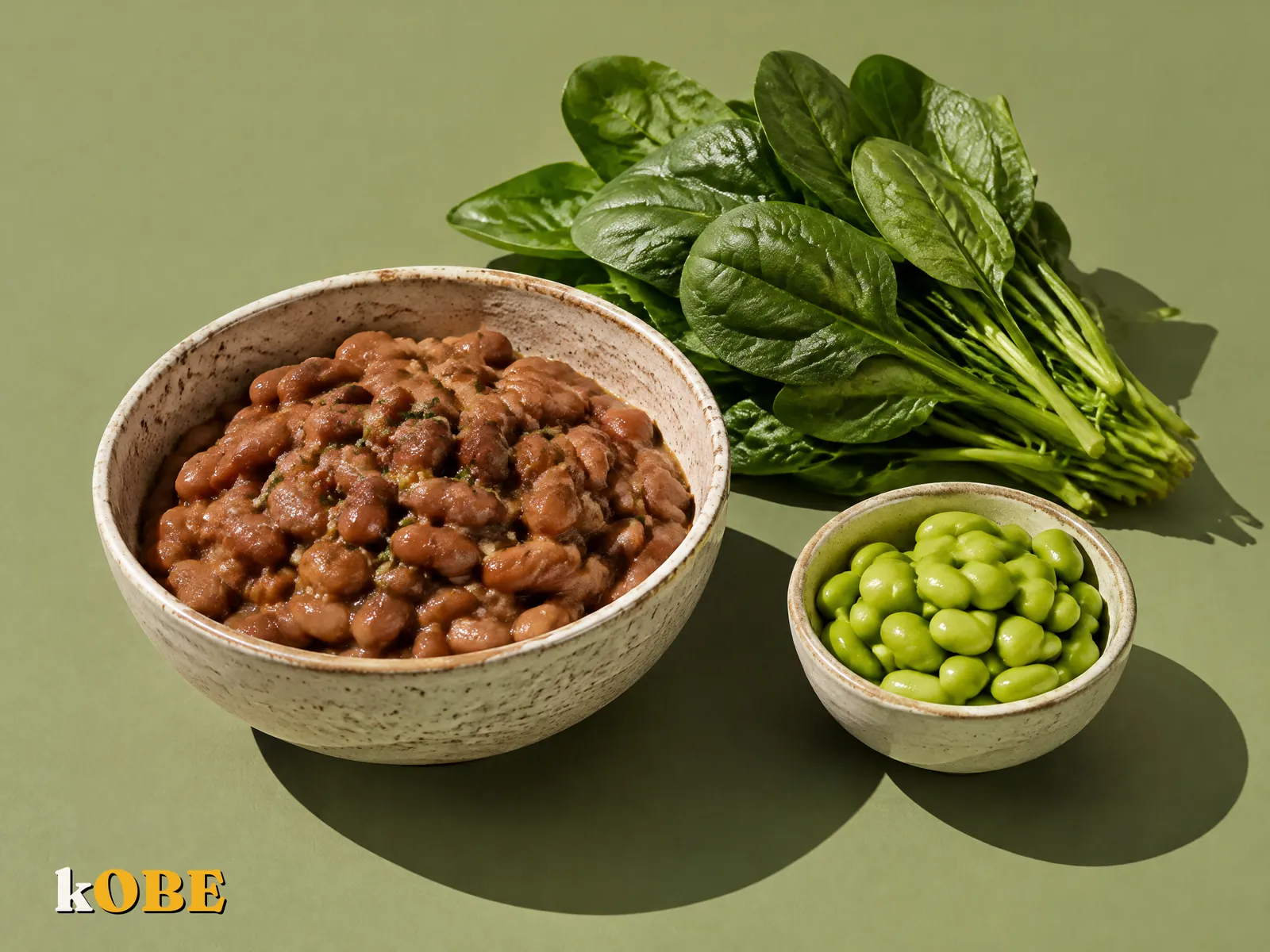
In 1941, scientists isolated a new compound from four tonnes of spinach leaves. They named it after the Latin word folium, meaning "leaf".
That was folate, also called vitamin B9. The name gives away where it lives in abundance: leafy greens.
But if you only look at leaves, you will miss another huge folate bank, sitting in the jar of beans in your kitchen.
In this article
What does folate do? It is a DNA builder
Folate is needed to make DNA, the blueprint inside every cell. Each time a cell splits in two to make a new one, it has to copy its DNA. Folate is one of the main "builders" on that job.
So folate matters especially where cells renew constantly: blood cells, the gut lining, skin. And at stages when the body is building fast, like pregnancy.
Folate works as a pair with vitamin B12. The two are often mentioned together because they share one production line inside the cell.
WHO and FAO recommend about 400 micrograms of folate a day for adults. Vietnam's National Institute of Nutrition also has its own table for Vietnamese people, with a higher level for pregnant women (2016).
Folate and folic acid: siblings, but not twins
These two words often get mixed up. They are actually a bit different:
| Folate | Folic acid | |
|---|---|---|
| What it is | The natural form in food | The synthetic form, more stable |
| Where it is | Leafy greens, beans, asparagus, liver, eggs | Supplements, fortified flour and cereals |
| Stability | Easily lost in cooking and storage | Much more stable |
| Absorption | About half | Higher, especially on an empty stomach |
Women planning a pregnancy are a group for whom WHO and Vietnam's Ministry of Health have specific folic acid recommendations. If that is you, please ask a health professional. We do not give doses in this article.
Not just leaves: beans are the forgotten folate bank
Hear "leaf" and everyone thinks of vegetables. But bowl for bowl, beans are often a richer source of folate than leafy greens.
| Group | Examples | Notes |
|---|---|---|
| Beans | Chickpeas, black beans, mung beans, edamame, green peas | A bowl of cooked beans can cover a large share of the daily need |
| Dark leafy greens | Spinach, water spinach, mustard greens, romaine lettuce, kale | Steady contribution at each meal |
| Other vegetables | Asparagus, broccoli, cabbage | Asparagus is a fairly rich source |
| Fruit | Avocado, orange, papaya | Moderate |
| Animal sources | Liver, egg yolk | Liver is very rich, but better eaten occasionally |
A bowl of chè đậu đen (black bean sweet soup), a plate of stir-fried green peas, a handful of boiled edamame during a movie: all very everyday ways to "top up" folate.
Folate fears heat just like vitamin C
This is the most useful thing to know at the stove.
Folate dissolves in water and is quite sensitive to heat. Greens boiled for a long time in lots of water can lose a significant share of their folate, because heat breaks it down and it also leaks into the cooking water. Greens left in the fridge for a long time slowly lose it too.
A few tips to keep folate, very much like the tips for vitamin C:
- Steam or stir-fry quickly instead of boiling for a long time.
- Cook just until tender, still green and crisp.
- Drink the broth, since the folate that dissolved is still in the bowl.
- Add some raw greens: lettuce, fresh herbs, shredded cabbage in a gỏi (Vietnamese salad).
- Buy only what you will use, rather than leaving greens in the fridge all week.
As for beans, some folate is lost in soaking and cooking, but because they start so high, cooked beans are still a very meaningful source.
A Vietnamese-style "folate" day
No exotic dishes needed. A day might look like this:
- Breakfast: bánh mì with a fried egg, plus a few slices of avocado.
- Lunch: rice, mustard green and shrimp soup, tofu in tomato sauce.
- Afternoon: a handful of edamame or a glass of lightly sweetened chè đậu xanh (mung bean sweet soup).
- Dinner: water spinach stir-fried with garlic, cabbage salad, a fish dish.
Nothing special in there. Just a little leafy green or beans at each meal, and a change of dishes through the week.
Inside the kOBE kitchen
Among kOBE's ready-cooked ingredients, three belong to the bean family: Chickpeas, Edamame and Green Peas. All are cooked and then frozen; reheat by thawing in the fridge overnight or in the microwave on low.
Sesame Kale is a portion of dark leafy greens, massaged with sesame oil and toasted sesame. We do not list folate numbers on our products, so we will not promise any figure. But a rice box with beans and kale already touches two of the main folate source groups in the table above. See our ready-cooked ingredients.
Frequently asked questions
Are folate and vitamin B9 the same thing?
Is eating lots of vegetables enough for folate?
Do frozen vegetables still have folate?
Keep reading
Sources
- WHO and FAO (2004). Vitamin and mineral requirements in human nutrition, 2nd ed., chapter on Folate and folic acid.
- National Institute of Nutrition (Vietnam) (2016). Recommended Dietary Allowances for Vietnamese People [Nhu cầu dinh dưỡng khuyến nghị cho người Việt Nam].
- USDA FoodData Central (chickpeas, black beans, edamame, asparagus, spinach).
- Harvard T.H. Chan School of Public Health, The Nutrition Source. Folate (Folic Acid): Vitamin B9.
- Further reading: Understanding Nutrition 16th ed., chapter 10.