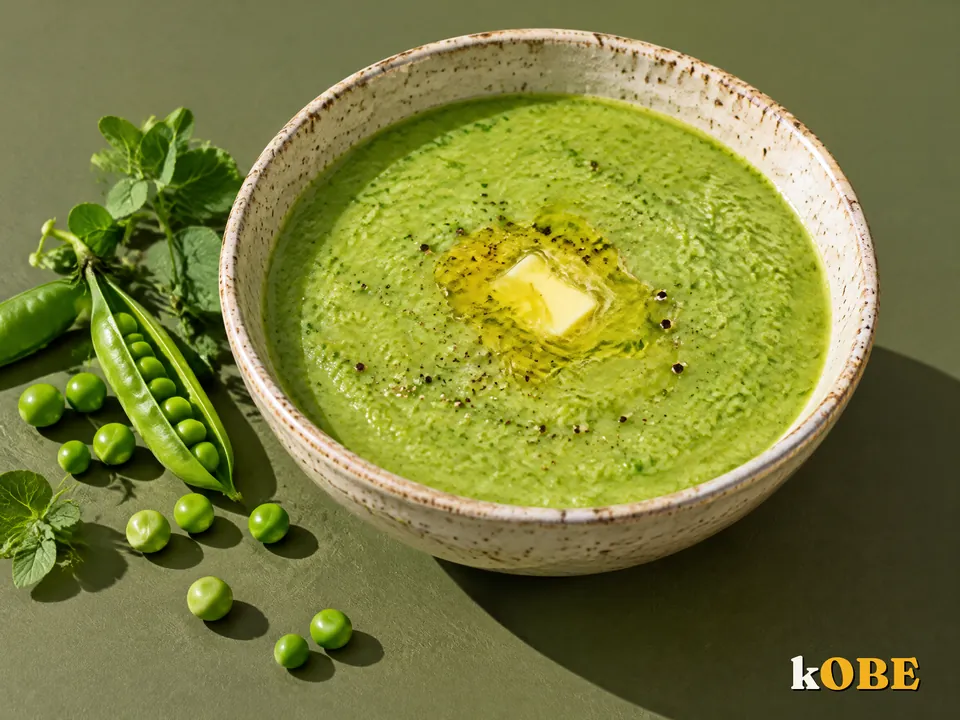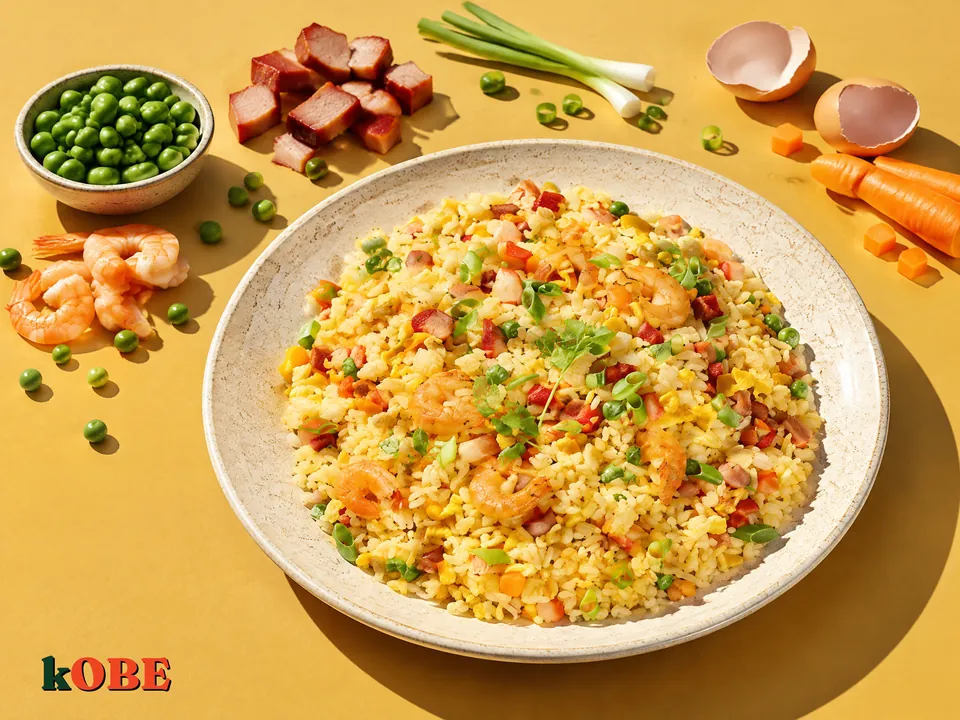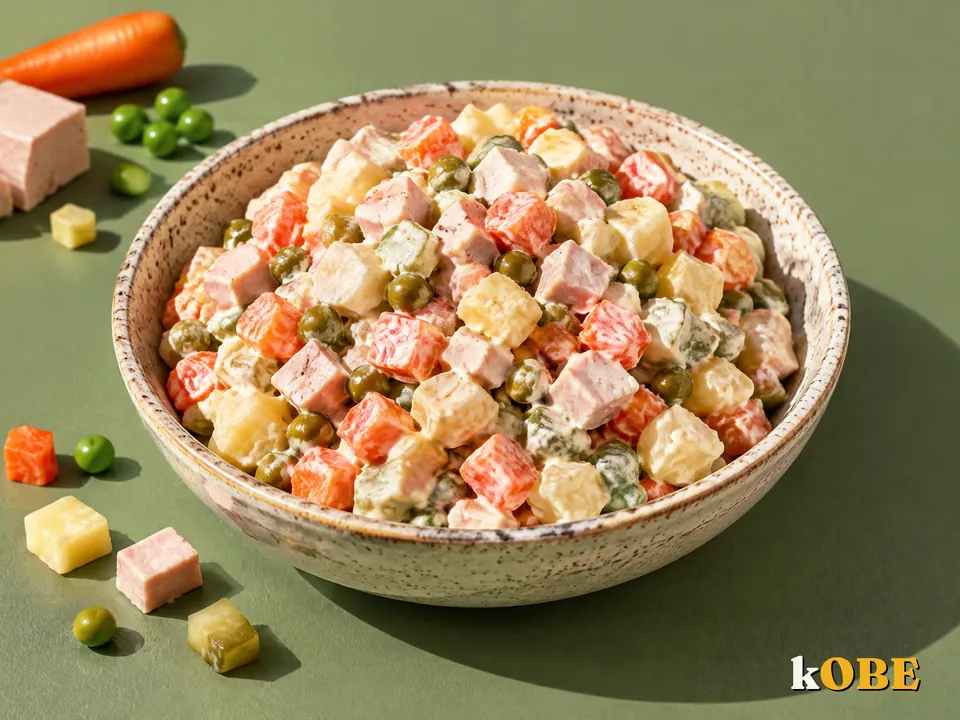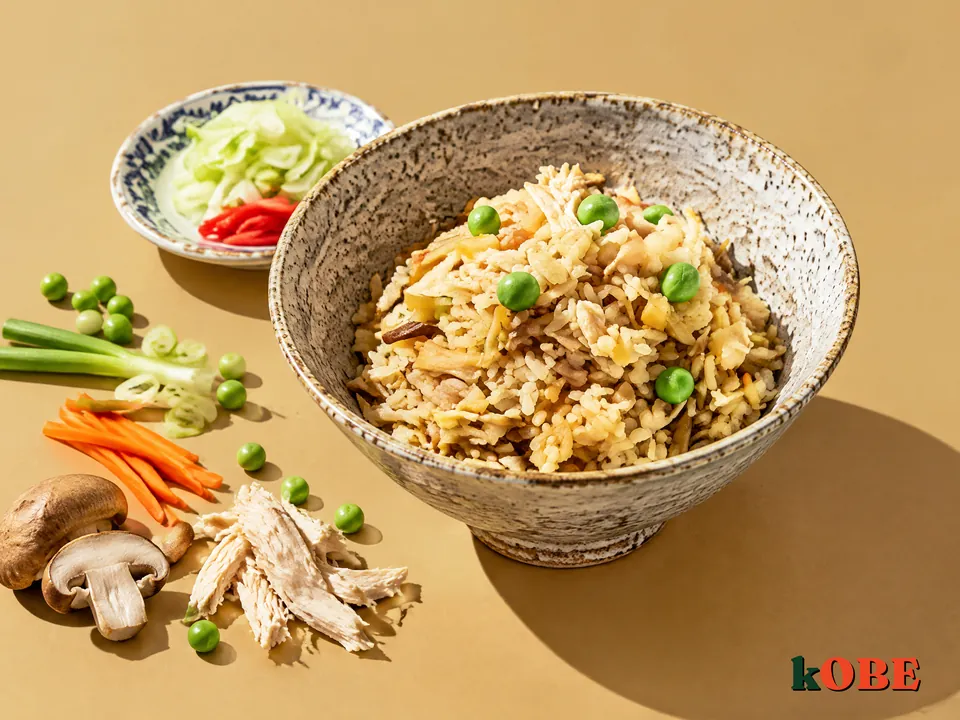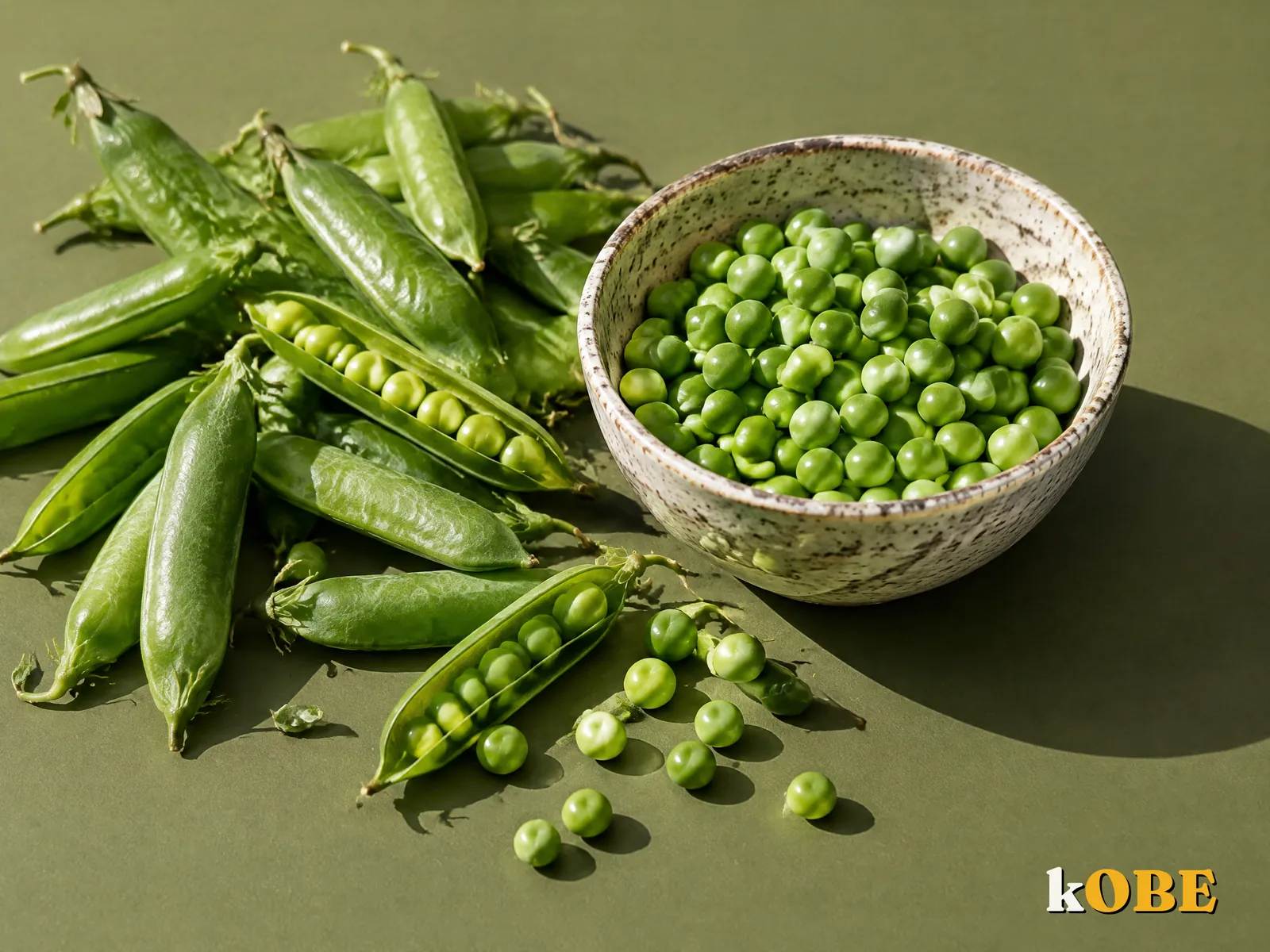
In a plate of cơm chiên Dương Châu (Yangzhou fried rice), there are little round green things that kids love to pick out and push to one corner. Those are green peas.
That rejected little pea has quite an impressive résumé. It helped give birth to the whole science of genetics. It lives in partnership with bacteria. And gram for gram, it has more fiber than most leafy greens.
Let us tell you its story. Maybe next time you will not pick it out.
In this article
A monk, a pea garden and the science of genetics
In the mid-19th century, an Austrian monk named Gregor Mendel grew peas in his monastery garden. Not to eat them, but to count them.
He grew tens of thousands of plants over about eight years. He recorded whether seeds were smooth or wrinkled, yellow or green, whether plants were tall or short, across many generations. From that, he worked out the rules of how offspring inherit traits from their parents.
Almost nobody noticed at the time. More than thirty years later, scientists "rediscovered" his work. And Mendel became known as the father of genetics.
Why peas? Because they are easy to grow, grow fast and have many traits you can see with the naked eye.
What is in 100g of green peas?
According to the USDA food database, 100g of boiled green peas has about:
| Nutrient | Amount | A picture |
|---|---|---|
| Energy | 84 kcal | About half a small bowl of rice |
| Protein | 5.4g | Almost as much as one egg |
| Fiber | 5.5g | More than a plate of boiled morning glory |
| Carbs | about 15g | Both starch and a little natural sugar |
| Fat | under 1g | Very little |
Green peas also have vitamin K, folate (vitamin B9), vitamin C and some minerals.
The fun part is that they sit between vegetables and beans. More protein and starch than leafy greens. But fewer calories than dried beans like chickpeas and black beans. So they work well as a "hearty" vegetable in a meal.
Beans and rice: a couple that completes each other
Protein is built from "bricks" called amino acids. Every food has a slightly different set of bricks.
- Beans and peas are rich in lysine, but a bit low in methionine.
- Rice is the opposite: lower in lysine, but it has methionine.
Eat beans with rice and each fills the other's gap. They do not have to be in the same bite; just have both during the day. A plate of fried rice with peas happens to be a lovely example.
That is also why pea protein is widely used around the world to make plant milks and plant-based meats.
Pea roots have a "fertilizer factory" run by bacteria
Pull up a pea plant and you will see small nodules on its roots. Inside live Rhizobium bacteria.
They do something the plant cannot do on its own: take nitrogen gas from the air and turn it into a form the plant can use to build protein. In return, the plant feeds the bacteria with sugar.
Thanks to this, legumes make soil richer. That is why farmers in many places plant beans between rice or corn. It fits the theme of this series: bacteria do not only live in human guts, they team up with crops too. See also our pillar article on fiber and the microbiome.
Why are frozen peas so sweet?
The moment peas are picked, they start turning sugar into starch. A few hours at room temperature and the peas are already less sweet and more mealy.
Frozen peas are usually blanched and frozen very quickly after harvest. The sugar-to-starch change almost stops. So frozen peas can be even sweeter and fresher than "fresh" peas that have sat at the market for a few days.
We go deeper into frozen versus fresh vegetables in are frozen vegetables worse than fresh.
Inside the kOBE kitchen
The Green Peas on kOBE's Ingredients page are cooked and then frozen. Every 100g has 84 kcal and 5.4g protein.
On the same shelf are Edamame, with 121 kcal and 11.9g protein per 100g, and Chickpeas, with 164 kcal and 8.9g protein. Three legumes, three protein levels to choose from.
How to use them: thaw overnight in the fridge or warm in the microwave on low. Toss a handful of Green Peas into fried rice, an omelet, soup or salad and you are done. See Green Peas on our Ingredients page.
Frequently asked questions
Are snow peas and shelling peas the same?
Do green peas make you gassy?
Are canned peas different from frozen peas?
Keep reading
Sources
- USDA FoodData Central: Peas, green, cooked, boiled, drained, without salt.
- Rickman J.C., Barrett D.M., Bruhn C.M. (2007). Nutritional comparison of fresh, frozen and canned fruits and vegetables. Part 1. Vitamins C and B and phenolic compounds. Journal of the Science of Food and Agriculture 87(6):930 to 944.
- FAO (2016). International Year of Pulses: materials on the nutritional value and nitrogen fixation of legumes.
- Further reading: Understanding Nutrition 16th ed., chapter 6; Culinary Nutrition.