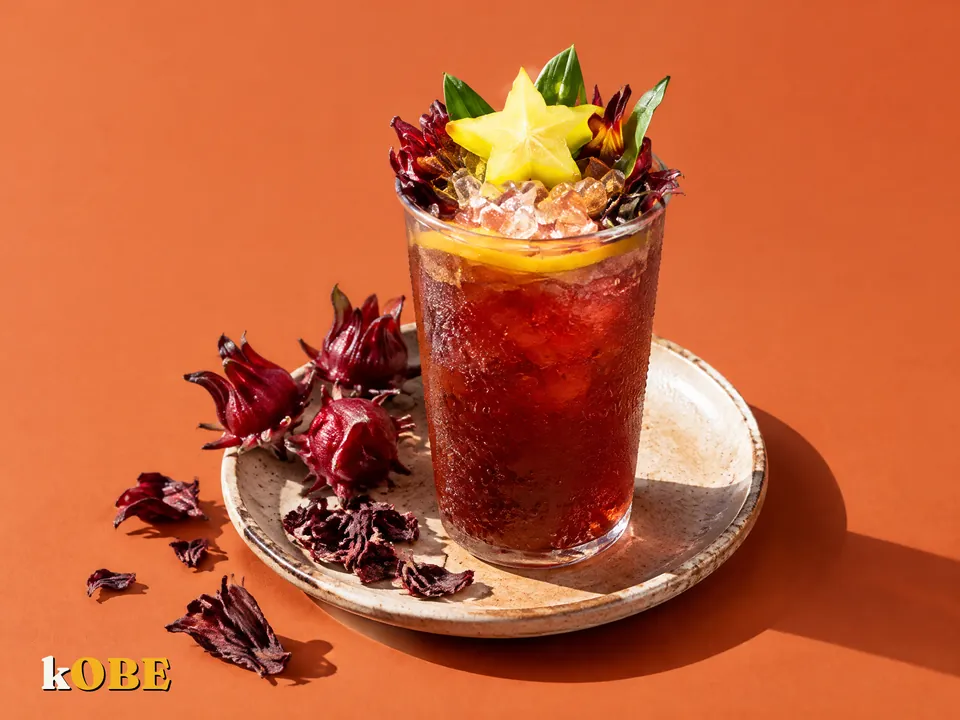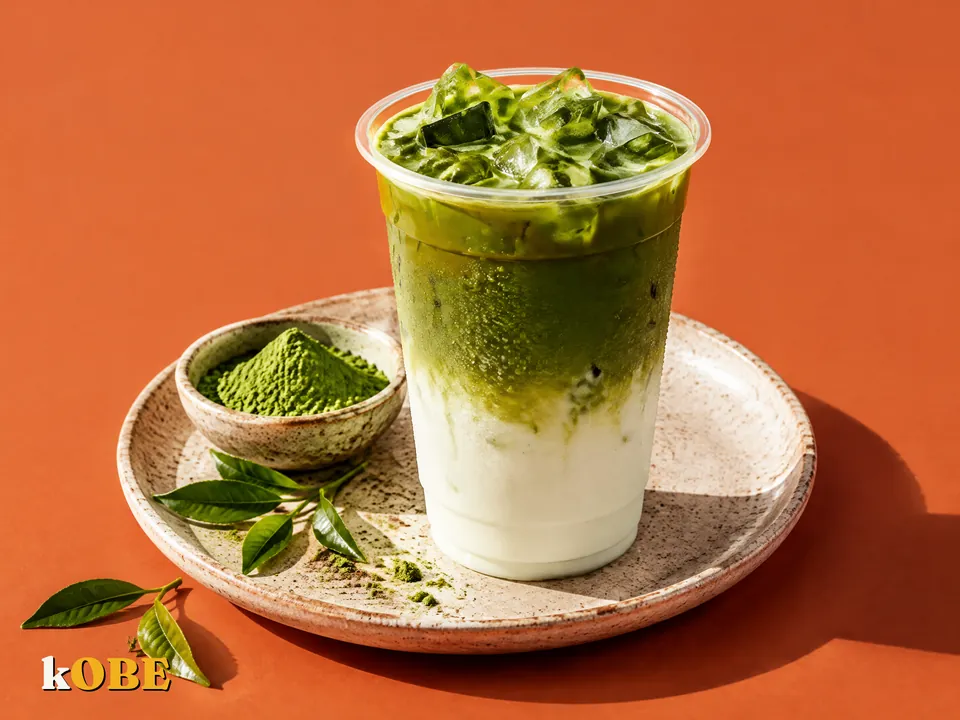
At a no-frills Saigon rice shop, the glass of iced tea arrives before your plate of rice. In the North, a pot of Thái Nguyên green tea is the first thing brewed when guests come over. At the bubble tea shop, a glass of ruby-red black tea is the base for a dozen drinks.
Those three teas look nothing alike. Different color, different taste, different aroma.
But here's something few people notice: all three come from the same plant. The only difference is what happens to the leaf after it's picked.
In this article
One leaf, many fates
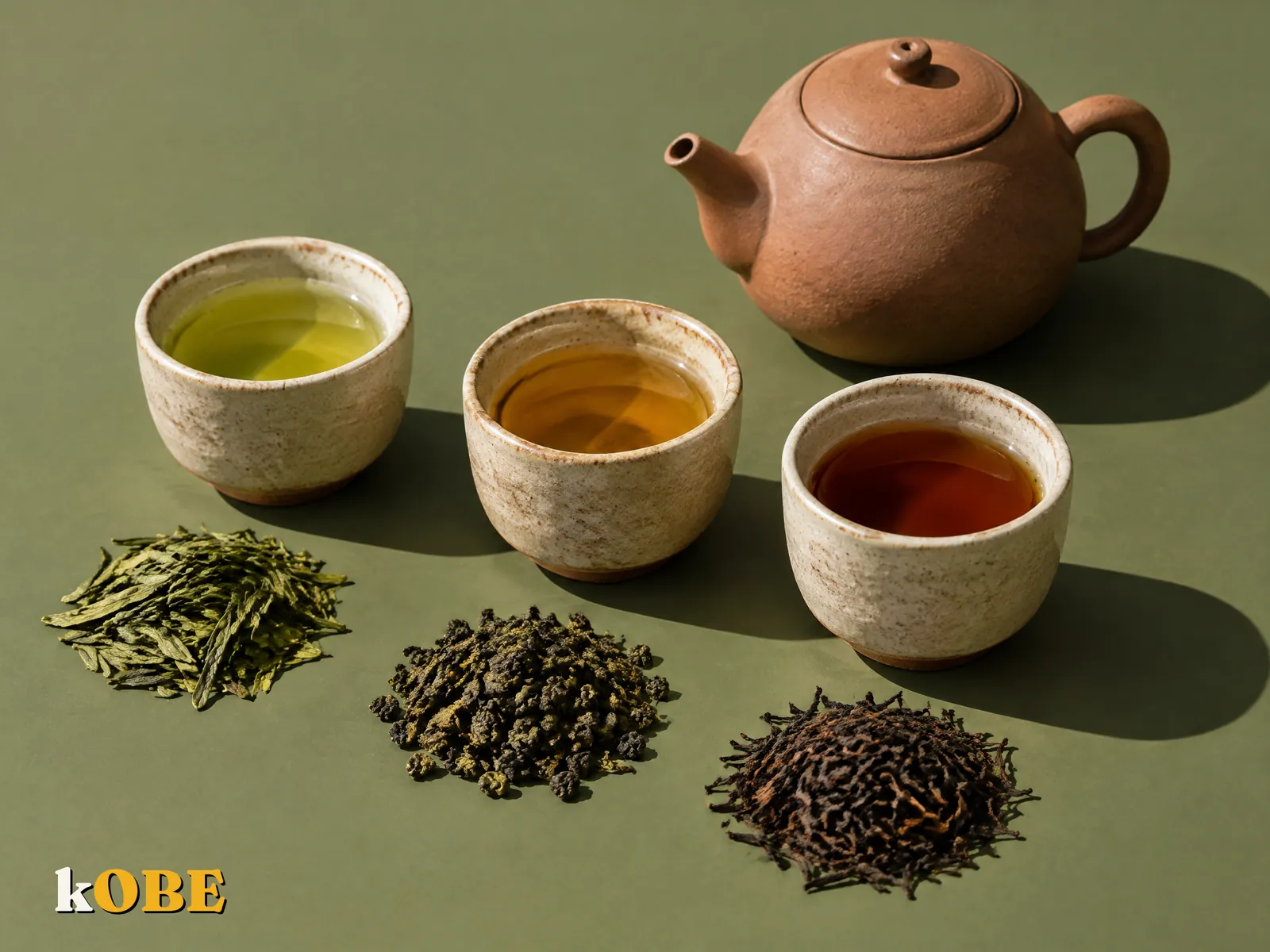
Every "true tea" comes from the Camellia sinensis plant. What makes the difference is how much the leaf oxidizes.
When tea leaves are rolled and bruised and left in the air, enzymes in the leaf react with oxygen, just like a cut apple turning brown. The leaf slowly shifts from green to reddish brown.
| Tea | How it's processed | Color in the cup |
|---|---|---|
| Green tea | Pan-fired or steamed right away to stop oxidation | Yellow-green |
| Oolong | Partly oxidized | Yellow to amber |
| Black tea (hồng trà, "red tea") | Almost fully oxidized | Reddish brown |
| Matcha | Green tea ground into fine powder, you drink the whole leaf | Deep green |
The names are fun too. In the West it's called black tea, after the color of the dry leaves. In China and Vietnam it's called hồng trà, "red tea", after the red color of the brew.
What about artichoke tea, chrysanthemum tea, ginger tea? They're called "tea" because of how they're brewed, but they aren't made from the tea plant. They usually have no caffeine, and none of the compounds we talk about below.
What are polyphenols?
Polyphenols are a huge family of plant compounds, found in tea, coffee, cocoa, fruit, vegetables and beans. They create astringency and color, and they're the plant's "armor" against UV rays and insects.
In tea, polyphenols make up a sizable part of the dry leaf. And each tea has a different "lineup":
- Green tea keeps lots of catechins, the most famous being EGCG. They're the source of green tea's fresh, astringent bite.
- Black tea, during oxidation, has its catechins link up into new compounds called theaflavins and thearubigins. These give the reddish-brown color and a deeper flavor.
That astringent, mouth-drying feeling you get from strong tea, like biting an unripe banana, is polyphenols grabbing onto the proteins in your saliva.
What does science say about tea polyphenols?
This is where we need to be careful, because polyphenols are a topic that's been heavily overhyped.
What's fairly clear:
- Tea is one of the biggest sources of polyphenols in many people's diets.
- Many observational studies find that regular tea drinkers have some better health markers.
What's not clear yet:
- Observational studies can't prove tea is the cause. Tea drinkers may differ from non-drinkers in many other habits.
- Only a fairly small share of polyphenols gets absorbed into the blood. Many are first transformed by bacteria in the large intestine. That's an exciting new area of research, tied to the topic of fiber and the gut microbiome.
And one note: your daily cup of brewed tea is different from high-dose green tea extract pills. EFSA has assessed that high amounts of EGCG from supplements may affect liver enzymes in some people. Normally brewed tea isn't part of this concern.
How much caffeine is in a cup of tea?
Dry tea leaves contain caffeine, but a brewed cup of tea usually has less caffeine than a cup of coffee of the same size. The reason: you use fewer leaves and steep for a shorter time.
The exact amount varies a lot with the type of leaf, how much you use and how long you steep. The longer it steeps, the stronger the tea and the more caffeine. Matcha is a special case: you drink the whole powdered leaf, so a glass of matcha can have more caffeine than regular brewed green tea.
Tea also contains L-theanine, an amino acid that's rare elsewhere. Some small studies suggest L-theanine together with caffeine gives a "smoother" alertness than coffee. The results aren't consistent yet, but plenty of tea drinkers will nod along to that feeling.
For daily caffeine limits, see our pillar guide: what to drink every day.
Tea and iron: why skip strong tea right after meals
This one is fairly well studied. Tea polyphenols can reduce the absorption of iron from plants (non-heme iron), like the iron in vegetables, beans and grains.
If your iron levels are fine, this isn't a worry. But for people prone to low iron, like women of reproductive age and vegetarians, the simple tips are:
- Drink tea between meals, about an hour away from eating.
- Eat foods rich in vitamin C with your meal, because vitamin C helps your body absorb plant iron better.
The weak iced tea at the rice shop doesn't carry many polyphenols. It's mainly strong tea to watch.
Brewing tea that tastes great and less bitter
- Green tea: water around 70 to 80°C, not a rolling boil. Water that's too hot pulls polyphenols out fast, making tea astringent and bitter.
- Black tea and oolong: hotter water, just off the boil.
- Steep just long enough: 2 to 3 minutes for green tea. Leave it longer and it turns bitter.
- Cold brew tea: soak leaves in cold water for a few hours in the fridge. The tea comes out mellow and sweet, less astringent, and perfect for Saigon weather.
Inside the kOBE kitchen
Tea on its own has almost no calories. The sugar usually comes from what gets added: peach tea, trà tắc (calamansi tea) and milk tea from shops can all be very sweet. We cover milk tea separately in how much sugar is in a cup of milk tea.
If you like your tea sweet, kOBE Signature Monk Fruit Blend dissolves well, replaces sugar 1:1 and has no bitter aftertaste. The blend contains erythritol, allulose, monk fruit, stevia and inulin. It's also what we use in kOBE's tea recipes, from artichoke black tea to peach, orange and lemongrass oolong.
A tip from our kitchen: make unsweetened cold brew tea as the base, then let everyone sweeten to taste. Anyone cutting back on sugar will find it easier. See kOBE Signature Monk Fruit Blend.
Frequently asked questions
Will drinking tea in the evening keep me awake?
Does adding milk to tea cancel out the polyphenols?
Are tea bags worse than loose-leaf tea?
Keep reading
Sources
- EFSA ANS Panel (2018). Scientific opinion on the safety of green tea catechins. EFSA Journal 16(4):5239.
- Hurrell R.F., Reddy M., Cook J.D. (1999). Inhibition of non-haem iron absorption in man by polyphenolic-containing beverages. British Journal of Nutrition 81(4):289 to 295.
- EFSA NDA Panel (2015). Scientific Opinion on the safety of caffeine. EFSA Journal 13(5):4102.
- Harvard T.H. Chan School of Public Health, The Nutrition Source: Tea.
- Further reading: Understanding Nutrition 16th ed., chapter 13 (trace minerals, iron); Culinary Nutrition.