Data source: USDA FoodData Central, SR Legacy, FDC 171077 (Chicken, broiler or fryers, breast, skinless, boneless, meat only, raw).
Fun facts
- 100g of raw, skinless chicken breast has about 22.5g of protein and 2.6g of fat, for 120 kcal in total. Almost all of its energy comes from protein.
- Search "protein in 100g chicken breast" and you will find two numbers: 22g and 31g. Both are right. Cooking drives off about a quarter of the weight as water, while the protein stays put, so 100g of cooked chicken is more "concentrated" than 100g of raw.
- Breast is white meat. It has less myoglobin, the pigment that holds oxygen in muscle, than thigh meat, so it is paler and lower in iron: 0.4mg versus 0.8mg in chicken thigh.
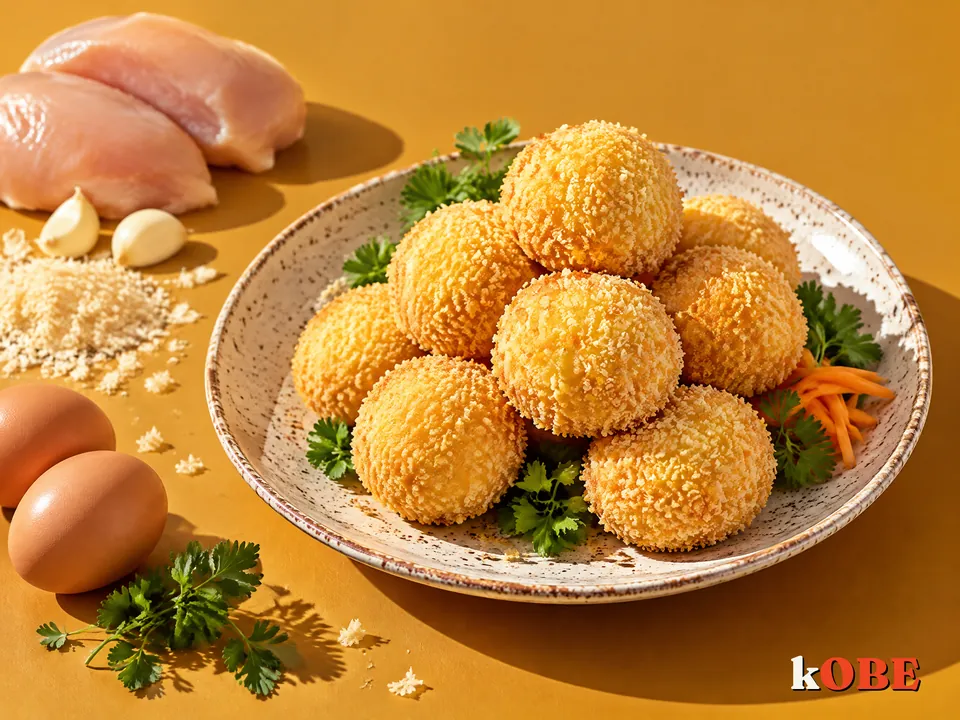
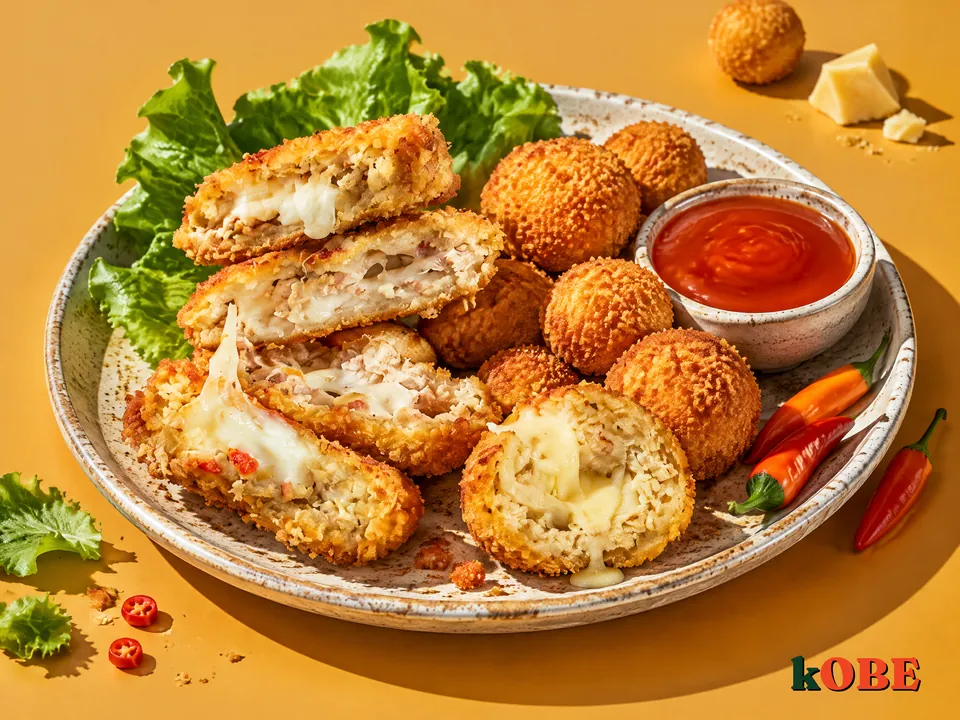
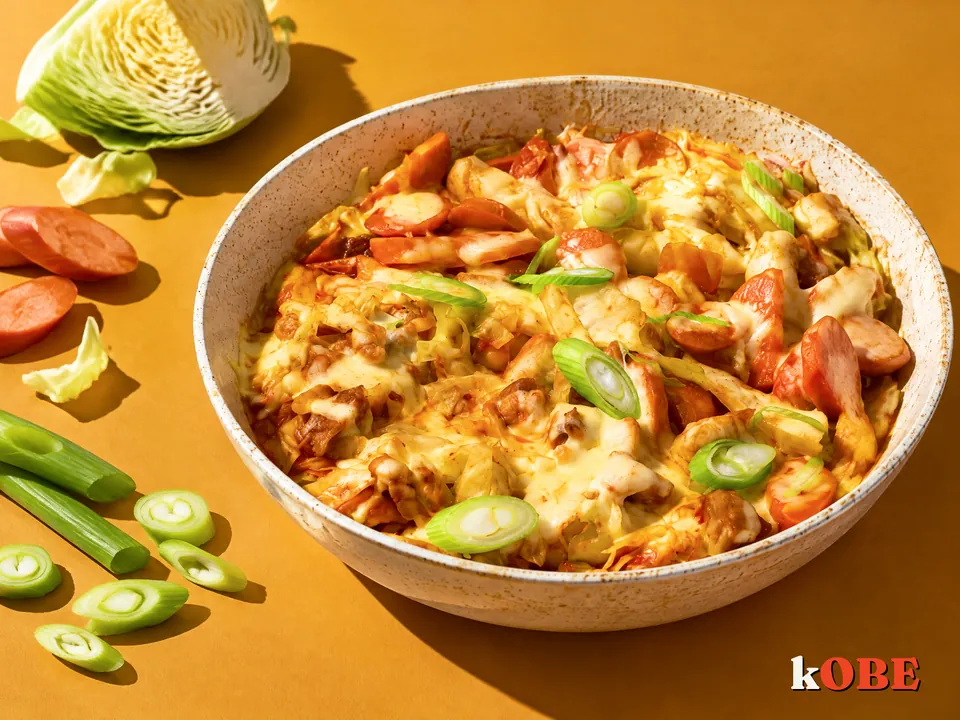
- Chicken breast is often called "dry as sawdust" because it gets boiled too long. Yet chicken salad (gỏi gà), shredded chicken and chicken rice porridge (cháo gà) all suit it well. In the kOBE recipe library, chicken breast appears in 39 dishes.
Choosing and storing
Pick meat that is pale pink, slightly moist but not slimy, springy when pressed and free of any odd smell. Keep raw chicken in the fridge and cook it within 1 to 2 days. For longer, portion, wrap and freeze it. Thaw it in the fridge overnight, as we explain in how to thaw food safely.
Cooking it well
With so little fat, chicken breast turns dry the moment it is overcooked. Three simple tricks: salt it a little before cooking so the meat holds on to water, cut pieces to an even thickness, and take it off the heat as soon as it is just done. Low heat with enough time, as in sous vide, keeps it tender; read how much protein is in 100g of chicken breast for the raw versus cooked story. At kOBE, our Sous Vide Chicken Breast is simply brined in sea salt, cooked sous vide at 60°C for 90 minutes, quickly chilled and frozen, giving 165 kcal and 31g of protein per 100g cooked.