Data source: USDA FoodData Central, SR Legacy, FDC 167853 (Pork, fresh, spareribs, separable lean and fat, raw).
Fun facts
- The USDA figure here is for spareribs, counting only the edible meat and fat, not the bone: 100g raw has 277 kcal, 15.5g of protein and 23.4g of fat. That is more fat than protein.
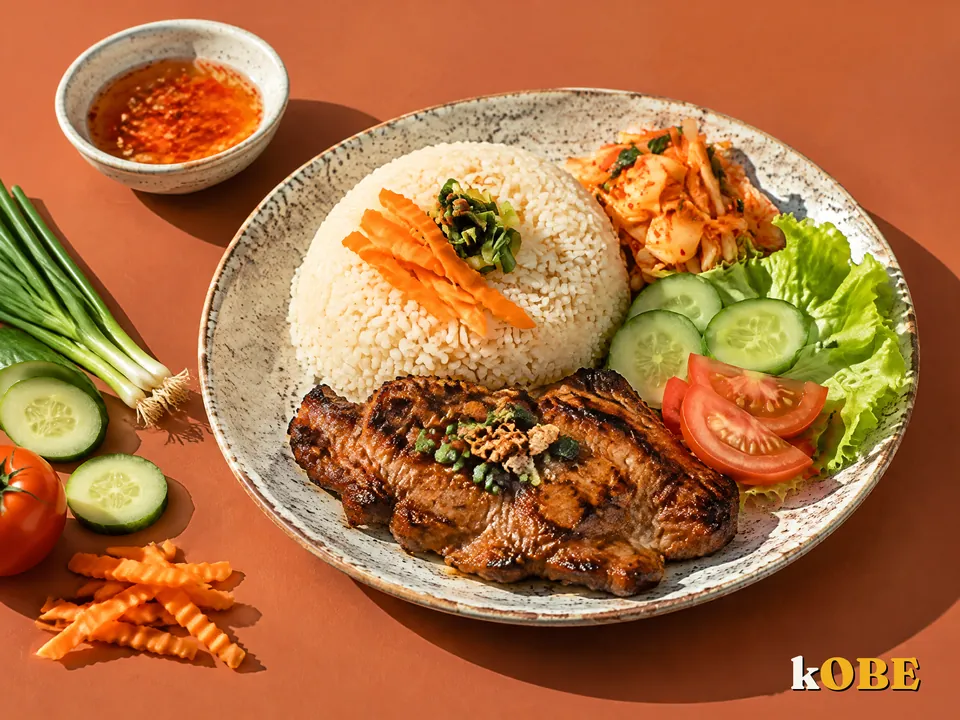
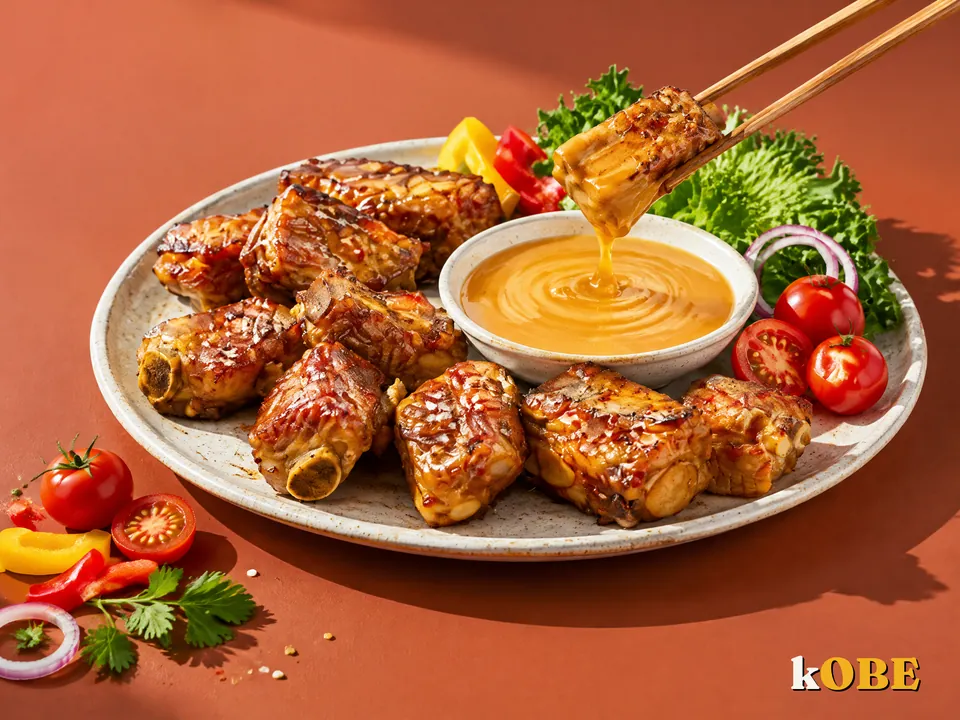
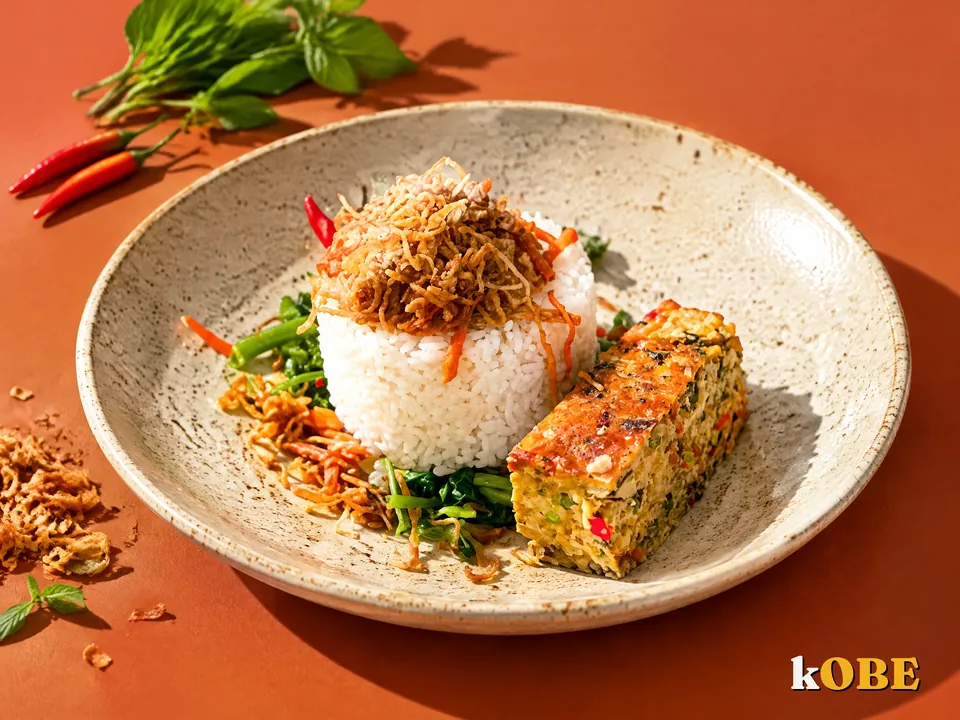
- Vietnamese markets sell three familiar kinds. Spareribs (sườn non) sit near the belly, with soft cartilage and plenty of meat marbled with fat. Rib chops (sườn cốt lết) are loin still on the bone, leaner, and they are the chop on a plate of cơm tấm, broken rice. Back bones (sườn già) are big and bony, best for simmering broth.
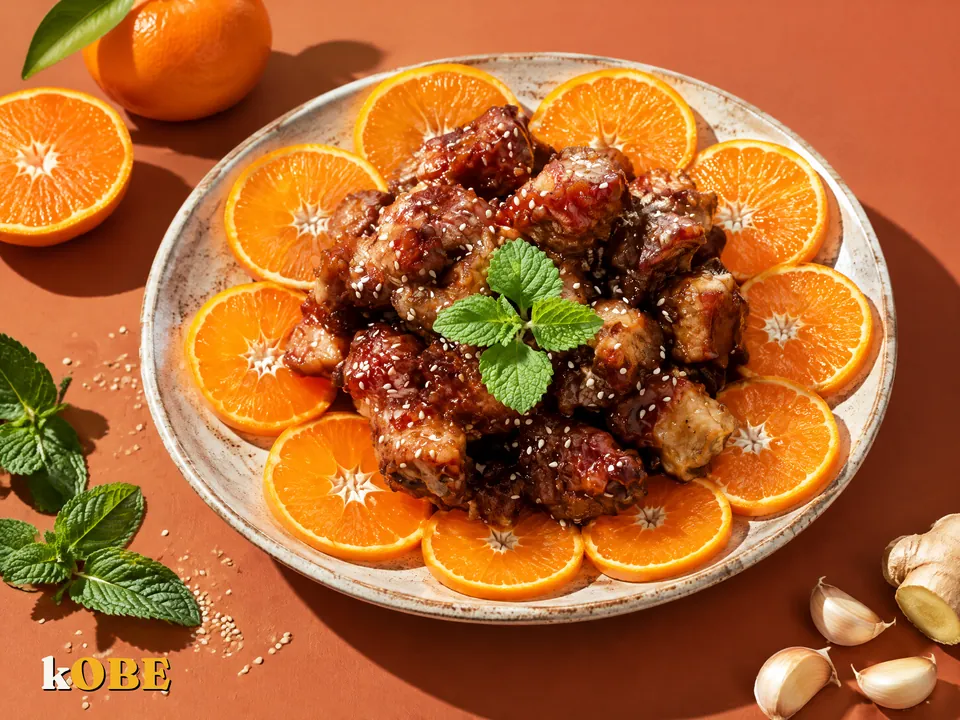
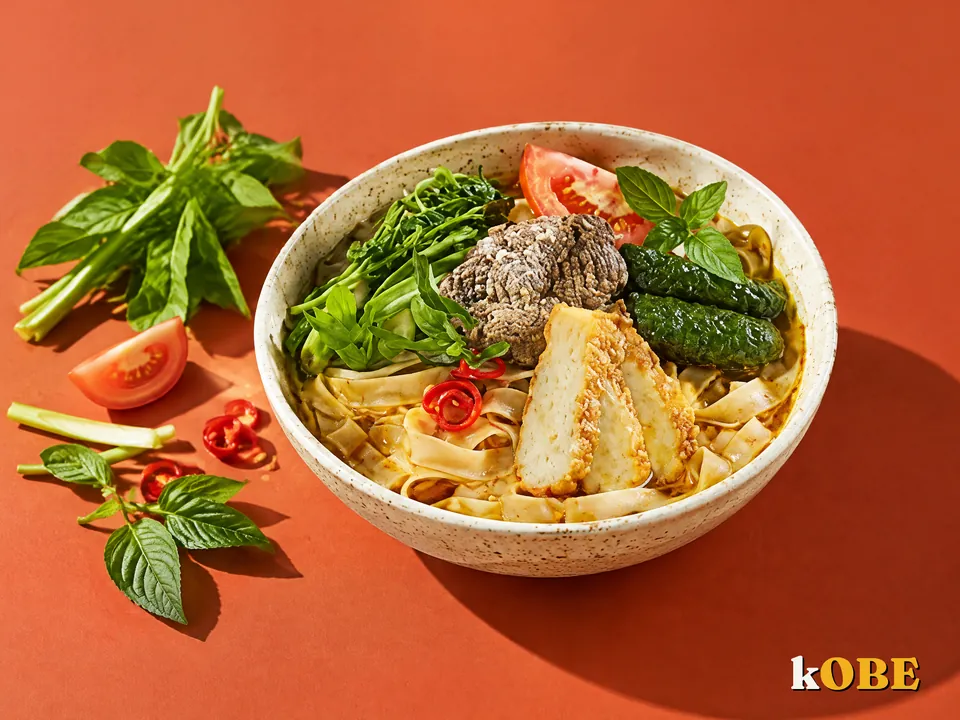
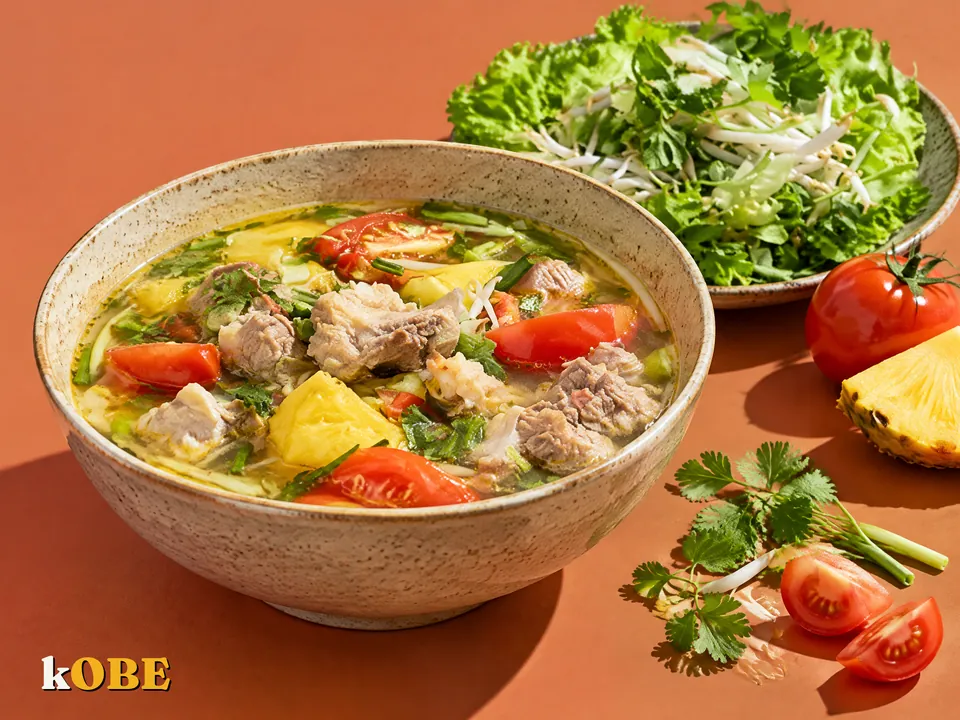
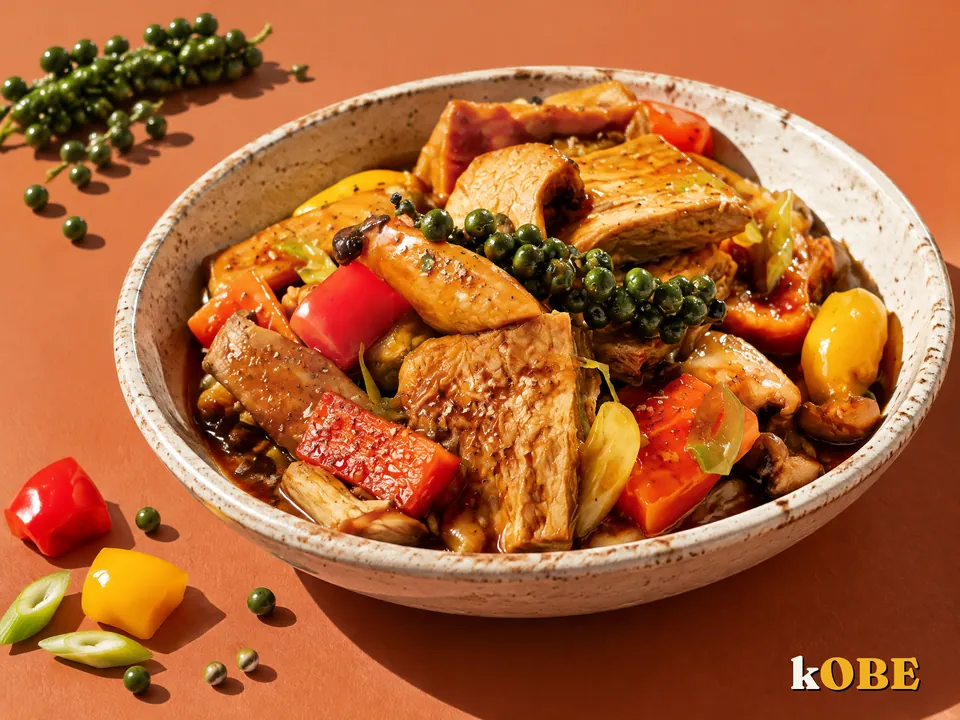
- Pumpkin and rib soup, sour rib soup, sweet and sour ribs: rib bones make naturally sweet broth, so Vietnamese cooks love them. In the kOBE recipe library, pork ribs appear in 31 dishes.
Choosing and storing
Choose ribs with fresh pink meat, white fat and light pink bone at the cut end, with no sliminess or odd smell. For spareribs, pick pieces where thick meat covers the bone well. Use fresh ribs within 2 to 3 days in the fridge, or chop them into pieces, bag them and freeze to keep longer.
Cooking it well
For a clear rib soup with less gamey smell, blanch the ribs in boiling water for a few minutes, pour off that first water and rinse before simmering. Keep the heat low, skim the foam often, and once it cools, lift off the layer of fat that sets on top. For lighter grilling, choose rib chops over spareribs and grill them on a rack so the fat drips away. If you cook a big pot for several meals, check our guide on how long cooked food lasts in the fridge.