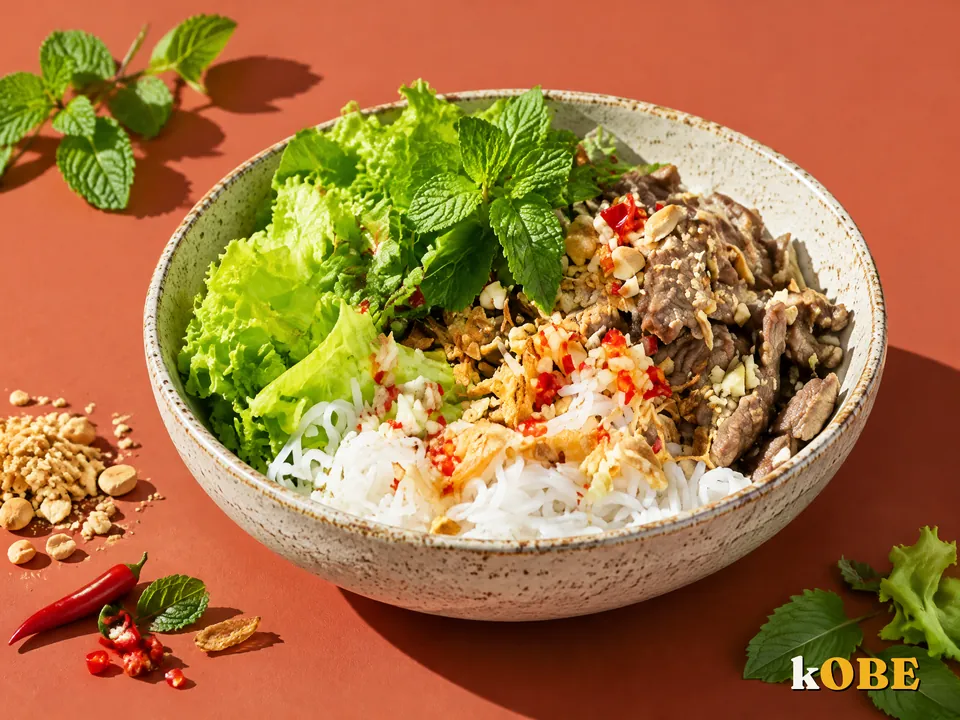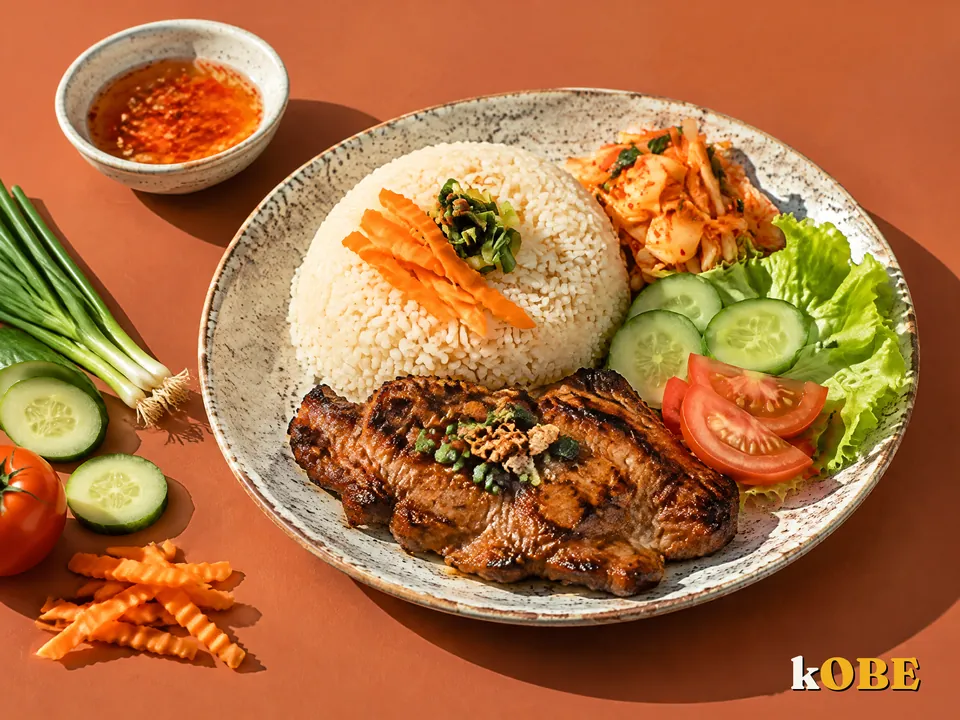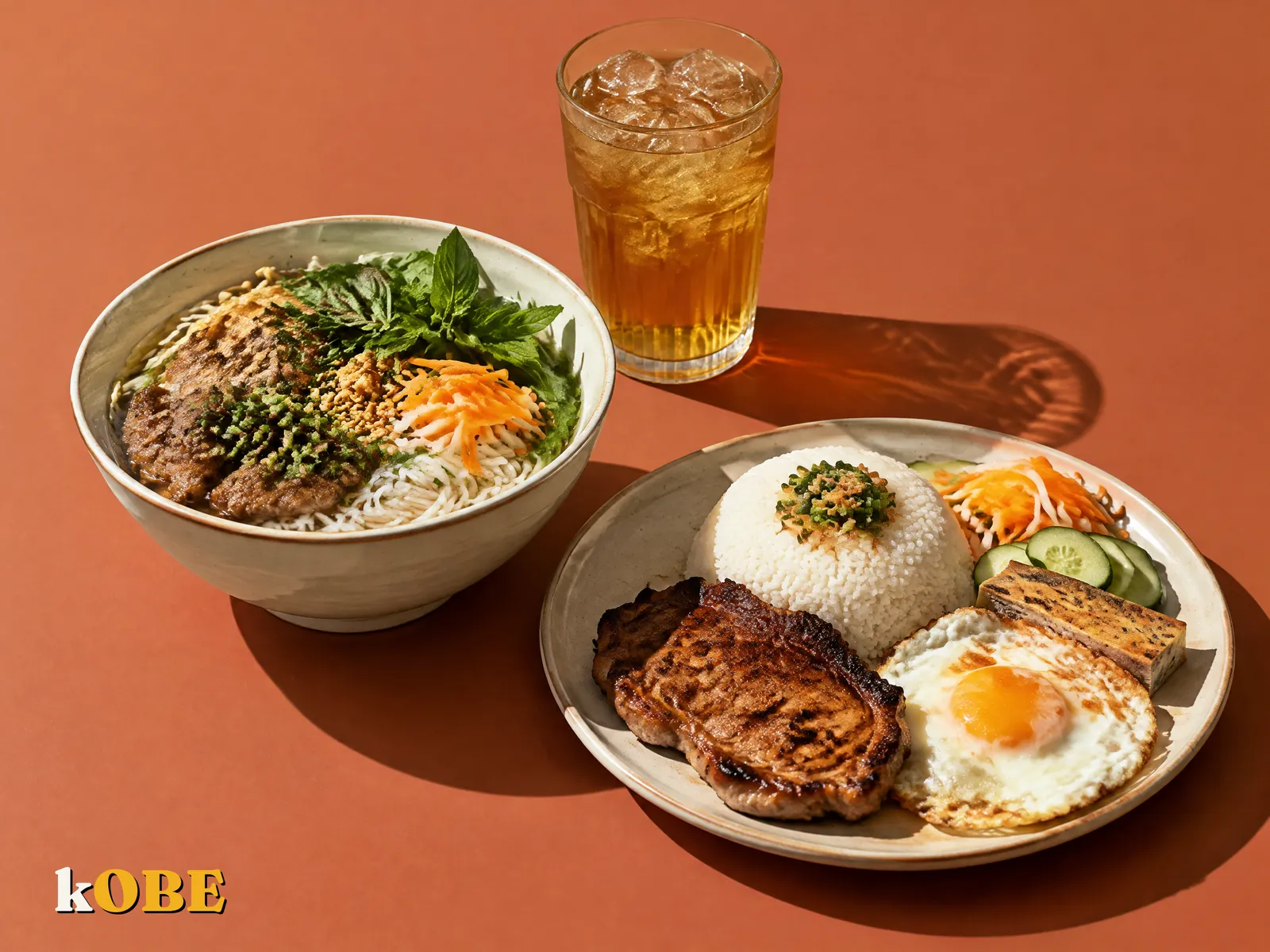
In Saigon, plenty of people eat out for all three meals. A bánh mì (Vietnamese baguette) for breakfast, a plate at the office rice shop for lunch, a bowl of hủ tiếu (clear noodle soup) from the stall at the alley mouth for dinner.
All day, you never spoon sugar into your mouth yourself. But the sugar you've eaten may be more than you think. It isn't sitting in a jar. It's in the dipping sauce, the braising pot and that "lightly sweet" iced tea.
In this article
Where does sugar hide in a day of eating out?
Vietnamese food has a secret: lots of savory dishes are seasoned for a sweet finish. Southerners especially love this flavor.
A few places sugar likes to hide:
- Mixed dipping sauce: the sweet and sour nước chấm (fish sauce dip) for cơm tấm, bún thịt nướng and bánh xèo.
- Marinated grilled meat: grilled pork chops and meat skewers are often marinated with sugar, honey or condensed milk for color.
- Braised and glazed dishes: thịt kho, cá kho and sườn ram use caramelized sugar for color plus extra sugar for seasoning.
- Noodle broth: some shops season with rock sugar or white sugar for a gently sweet broth.
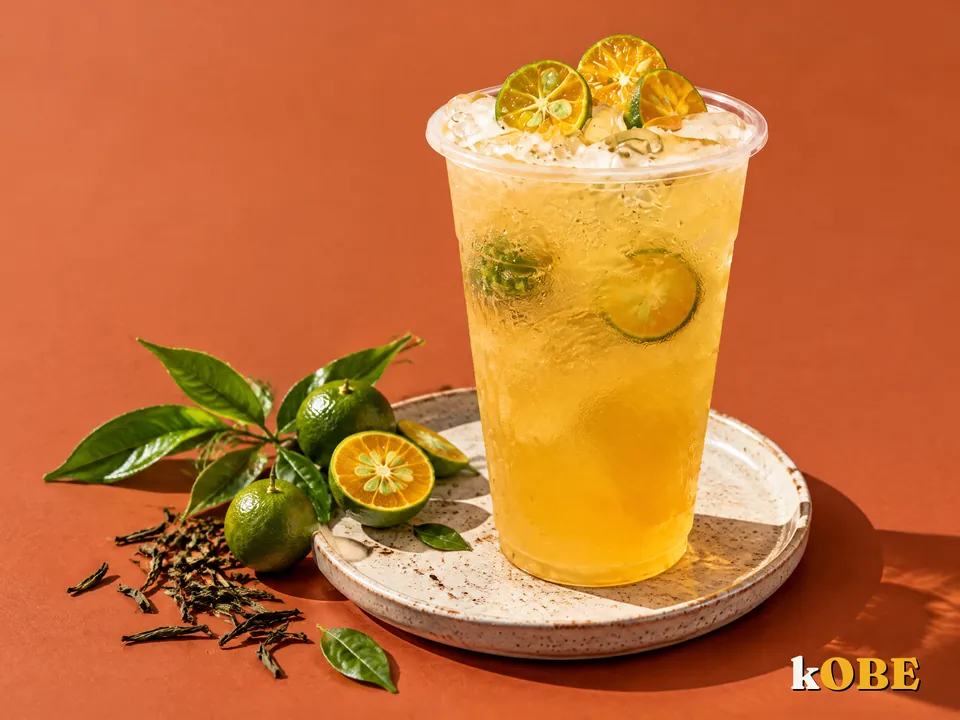
- Drinks: milk tea, coffee with condensed milk, nước sâm (herbal cooling drink), sugarcane juice, juices with added sugar.
Drinks are usually where sugar piles up most. One 330ml can of soda has about 35g of sugar, more than 8 teaspoons. WHO suggests trying to keep free sugars under about 25g a day. One can is already over.
Choosing dishes: look at the cooking method, not just the name
An easy rule: the glossier, darker and stickier a dish, the more likely it has sugar.
| Usually more sugar | Usually less sugar |
|---|---|
| Sticky sweet sườn ram, thịt kho tộ | Boiled chicken, boiled pork, steamed fish |
| Fish sauce fried chicken, glazed wings | Chili salt grilled chicken, steamed chicken with scallions |
| Beef in thick oyster sauce | Beef stir-fried with greens, bò nhúng giấm (beef in vinegar hotpot) |
| Noodles in sweet sauce, saucy fried rice | Canh chua (sour soup), vegetable soup, hotpot |
That doesn't mean never eating from the left column. It just means if you've had sườn ram three times this week, try the right column next.
Four little phrases when you order
You can absolutely ask the shop to adjust. Most Vietnamese shops are happy to oblige, especially with drinks.
- "Ít ngọt" (less sweet) or "không đường" (no sugar) when ordering tea, coffee or juice.
- "Nước chấm để riêng" (sauce on the side). You dip just enough instead of drowning the plate.
- "Thêm rau" (extra vegetables). A plate of fresh or boiled greens helps balance the meal.
- "Cho ly trà đá" (an iced tea, please). At most rice shops, iced tea is right there and has zero grams of sugar.
Drinks: the easiest place to cut sugar
If you can change only one thing, change your drink.
A large bubble milk tea can carry as much sugar as a can of soda, depending on the shop and the sugar level you pick. Choosing "30% sugar" or "less sweet" is already a big step.
Good news: your tongue adapts. A 2016 study had participants cut sugar for three months. By the end, they found the same food tasted sweeter than before.
In other words, today's "less sweet" cup may become your "just right" cup a few weeks from now.
A low-sugar day of eating out
Here's a day where you don't have to give up anything:
- Breakfast: bánh mì with a fried egg, extra cucumber, a coffee with "less milk."
- Lunch: rice with steamed fish or boiled chicken, a plate of garlicky stir-fried water spinach, a bowl of canh chua, iced tea.
- Afternoon: a piece of fruit, or unsweetened yogurt.
- Dinner: a bowl of hủ tiếu or phở, with lots of bean sprouts and herbs, and just a moderate amount of the broth.
All familiar food. The sugar has simply been pulled out of its usual hiding spots.
Inside the kOBE kitchen
We get the tricky part of eating out: you never know how much sugar the shop adds.
That's why every dish in our 1,480 home recipes on Recipes lists calories, protein, fat and sugar per 100g. The dishes are sweetened with monk fruit sugar. You can recreate the shop dishes you love, like cơm tấm or bún bò Nam Bộ, and know exactly what the numbers are.
On busy days with no time to cook, the rice bowls in our frozen range have sauces cooked with monk fruit sugar, plus sesame kale. Heat and eat, and you've got an "eating out" meal where you know exactly what's inside.
Frequently asked questions
Which dishes at an office rice shop usually have less sugar?
I ordered "no sugar" but it still tastes sweet. Why?
Is eating out every day a problem?
Keep reading
Sources
- WHO (2015). Guideline: Sugars intake for adults and children.
- Wise P.M. et al. (2016). Reduced dietary intake of simple sugars alters perceived sweet taste intensity but not perceived pleasantness. American Journal of Clinical Nutrition 103(1):50 to 60.
- USDA FoodData Central: carbonated cola soft drink.
- National Institute of Nutrition (Vietnam). Vietnamese Food Composition Table.
- Further reading: Culinary Nutrition; Understanding Nutrition 16th ed., chapter 4.