Data source: USDA FoodData Central, SR Legacy, FDC 167763 (Tamarinds, raw).
Fun facts
- The tamarind tree comes from tropical Africa. Its English name comes from Arabic and means "date of India".
- According to USDA, 100g of ripe tamarind pulp has about 239 kcal and 38.8g of natural sugar, which is why it tastes both sour and sweet. A tablespoon of pulp, about 15g, has around 36 kcal and nearly 6g of sugar.
- Tamarind also has 628mg of potassium and 5.1g of fiber per 100g, but a pot of soup uses only a little, so the real amount per serving is small.
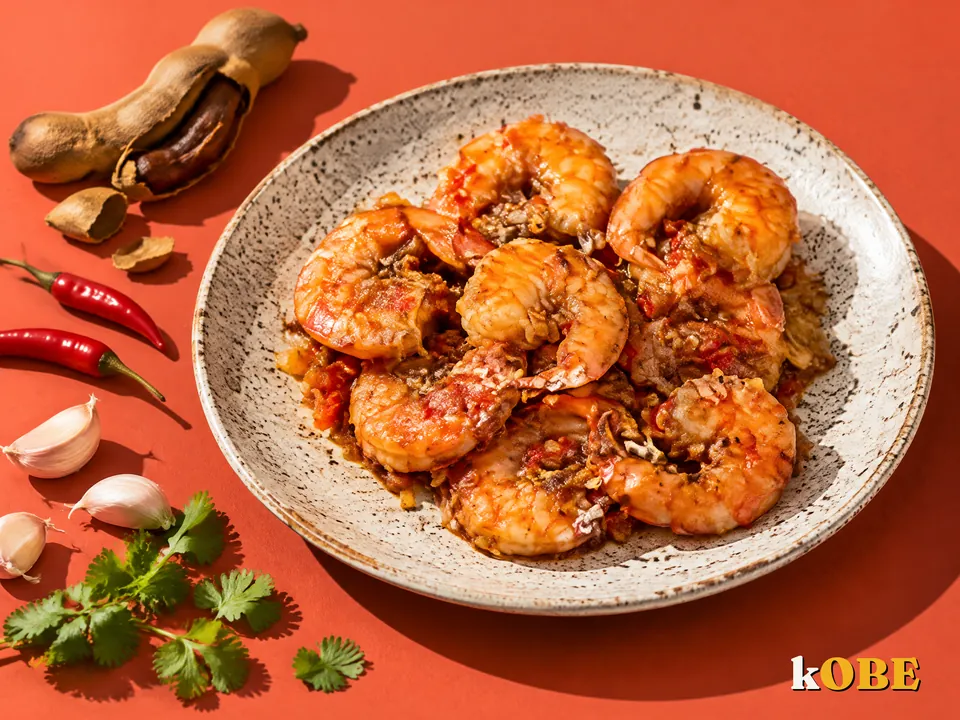
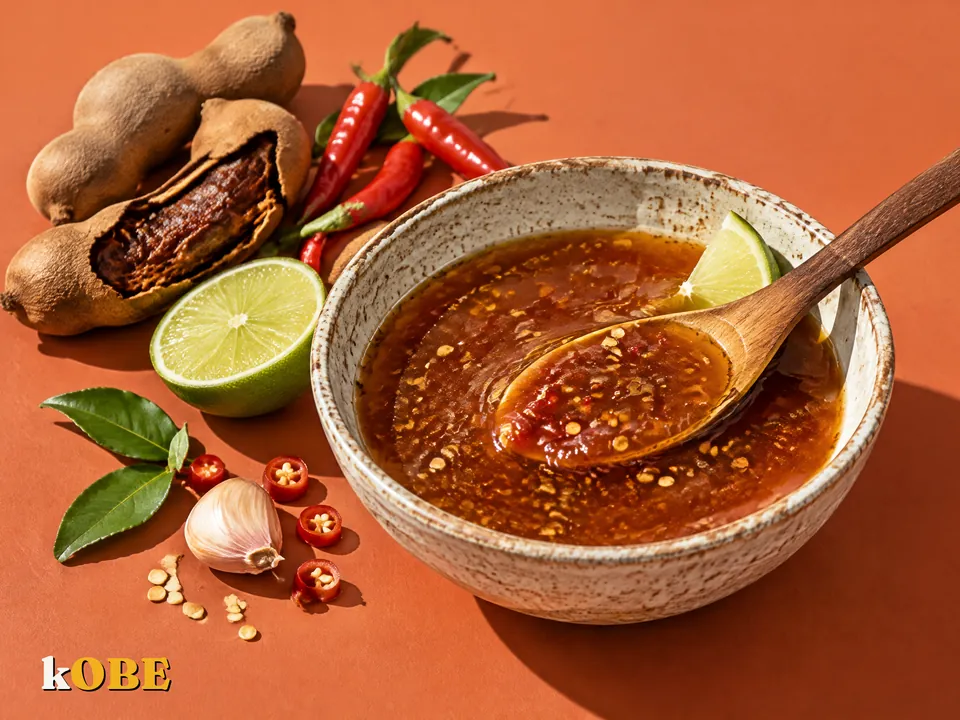
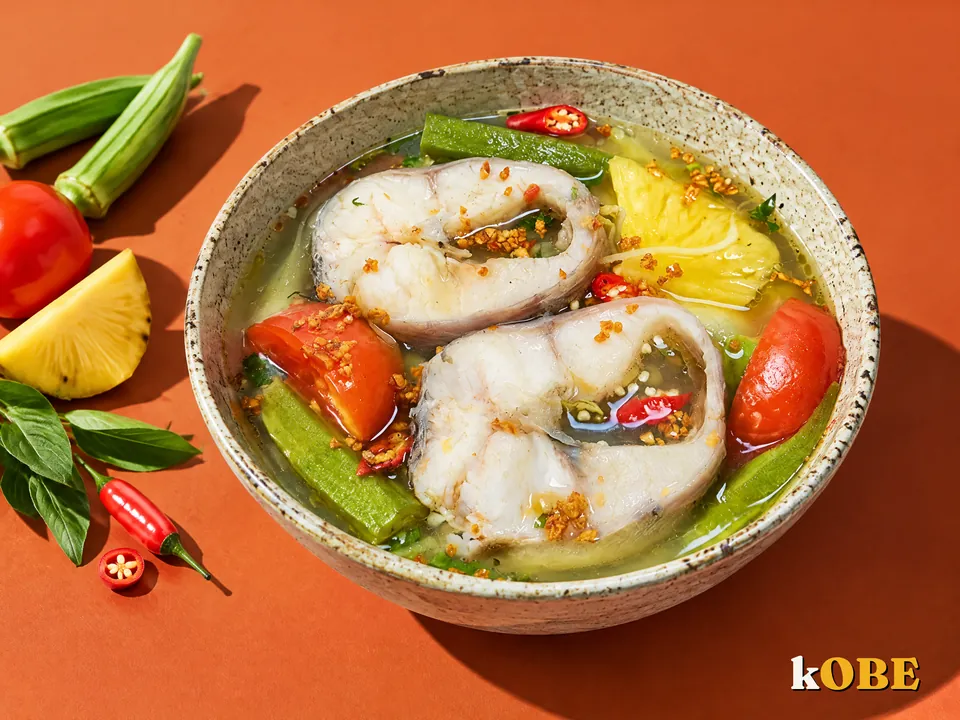
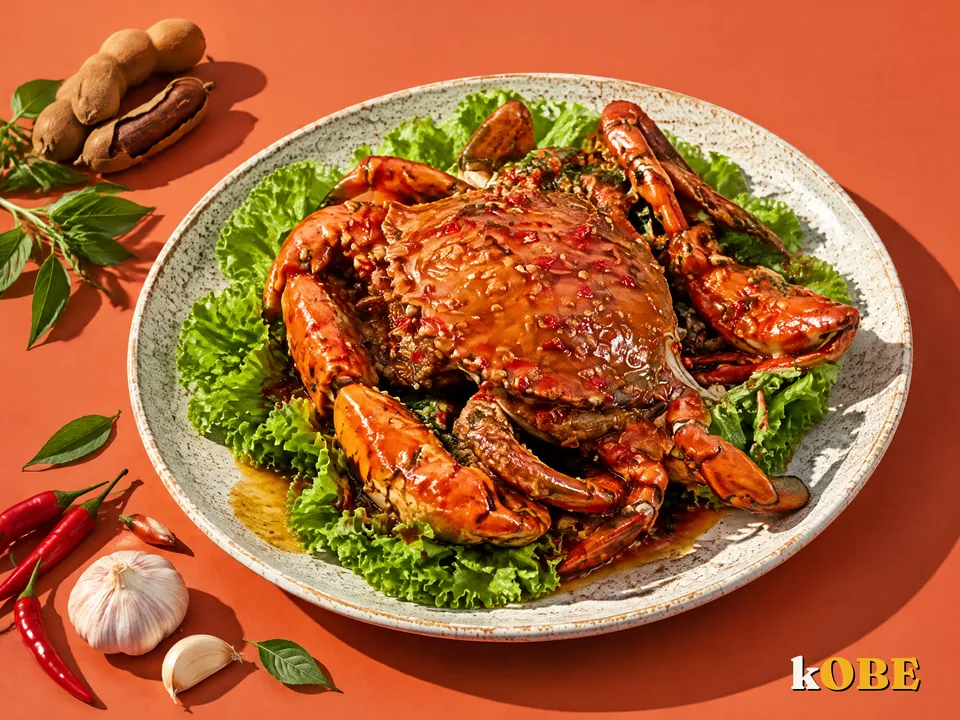
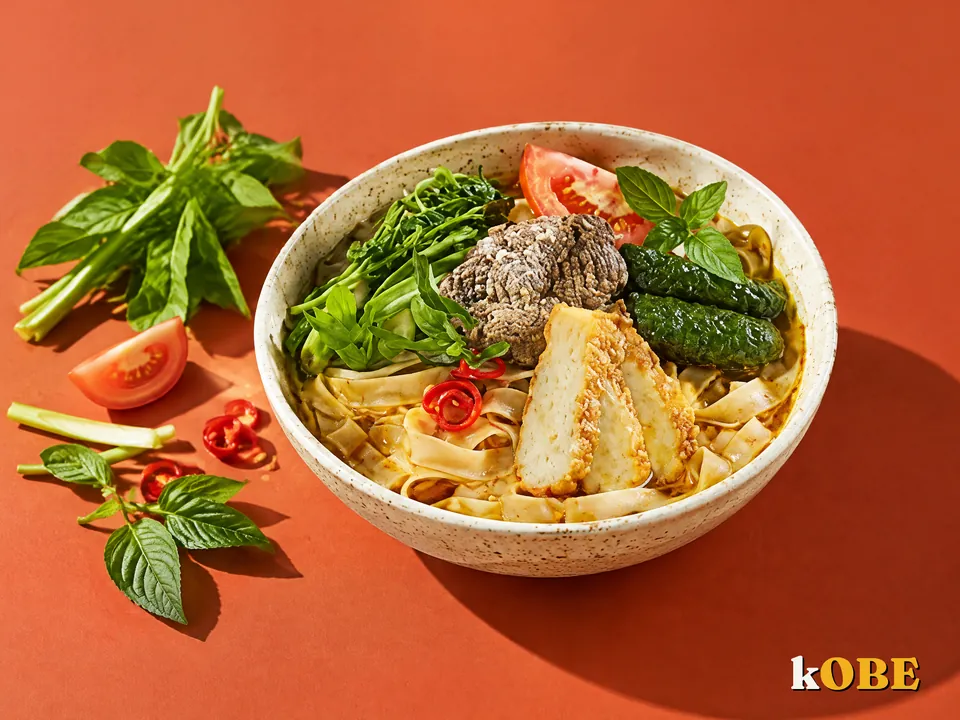
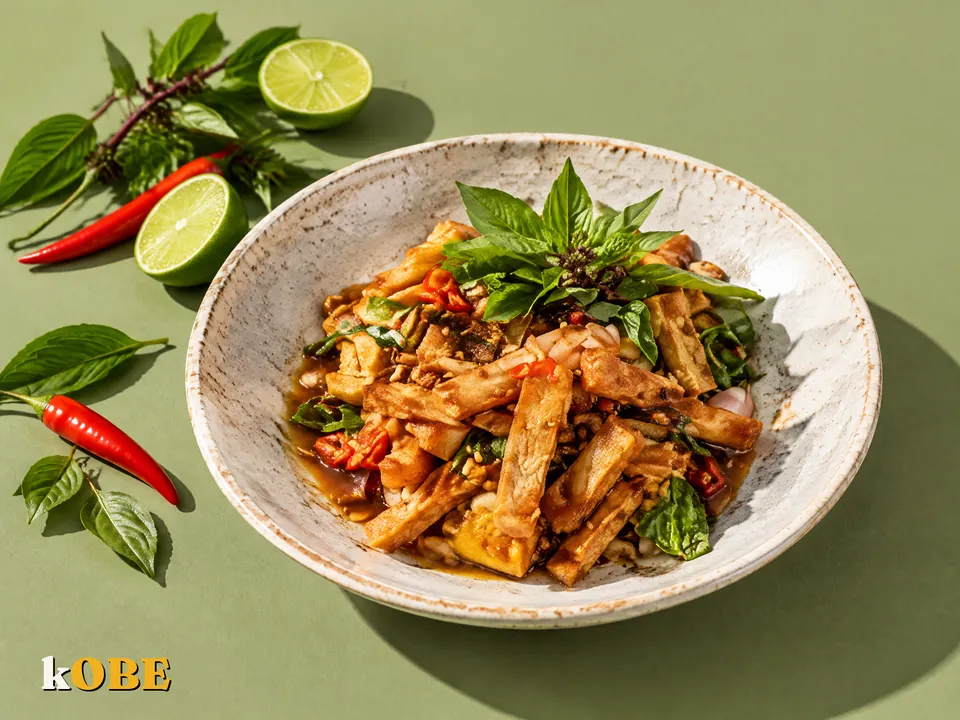
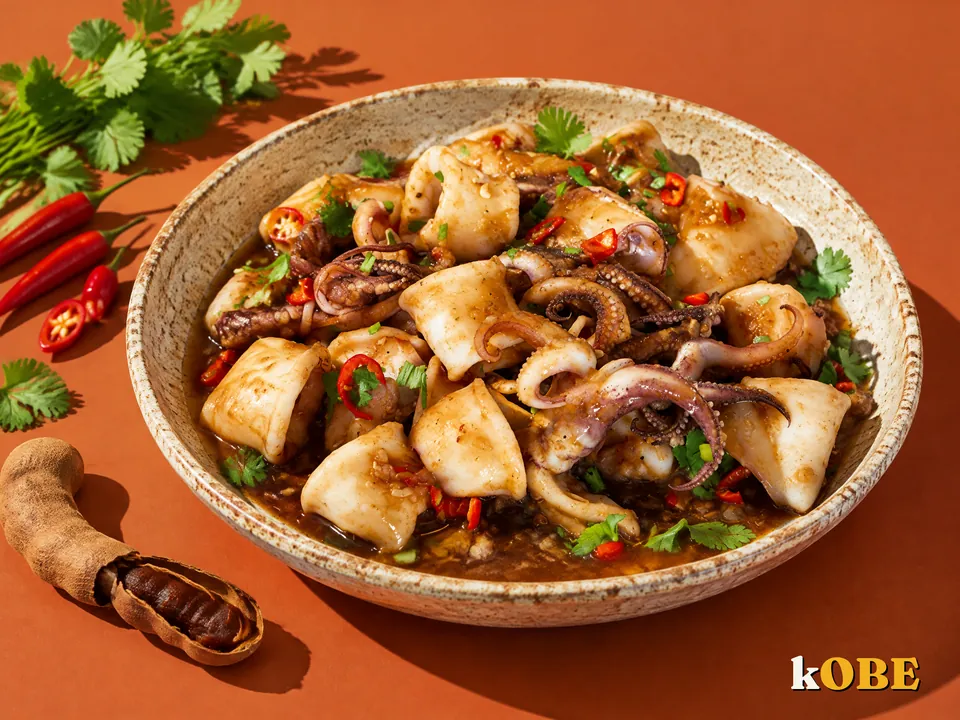
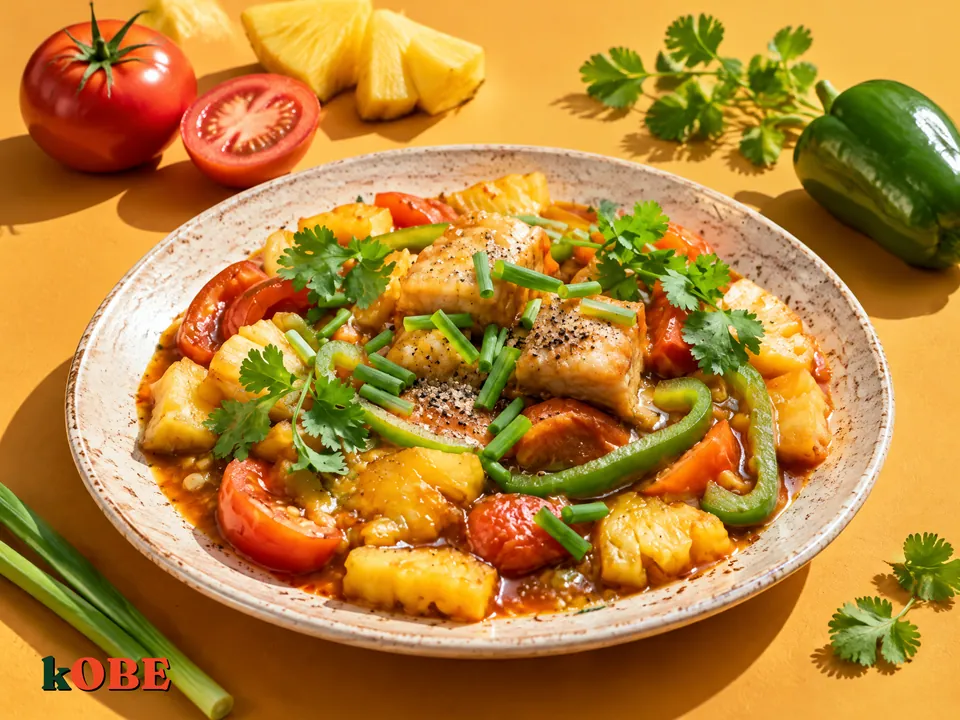
- Vietnamese cooks use tamarind in sour soup, braised fish, tamarind crab, tamarind shrimp, tamarind sauce, sugar coated tamarind and tamarind candy. It appears in 42 kOBE recipes.
Choosing and storing
For pressed tamarind blocks (ripe pulp with shells removed), choose reddish brown, soft, tangy smelling pulp with no mold or off smell. For whole pods, pick ones with brittle shells that crack easily. Store tamarind in a sealed container or bag in the fridge, where it keeps for months. Strained tamarind liquid keeps a few days in a sealed container in the fridge, or can be frozen in an ice cube tray.
Cooking it well
Soak pressed tamarind in warm water for 10 to 15 minutes, mash it well, then strain out the seeds and fibers to get a thick tamarind liquid. For sour soup, add the tamarind liquid once the broth boils and taste as you go, since every batch differs in sourness. Restaurant tamarind sauce often has quite a lot of sugar; at home you can sweeten more lightly, and read more in hidden sugar in Vietnamese food.