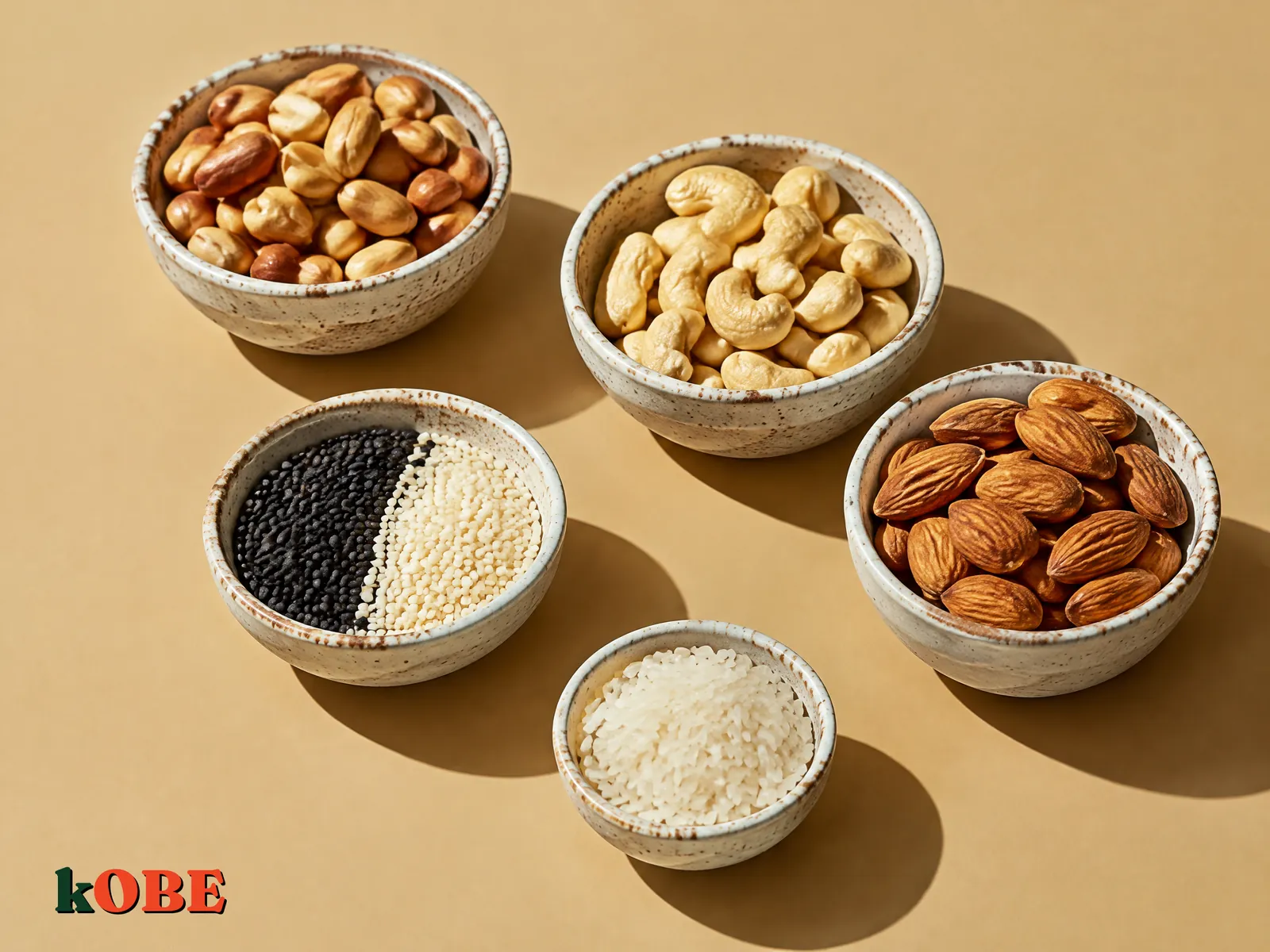
Grandma's house always has a jar of muối mè (sesame salt). Toasted golden sesame, lightly pounded with a bit of salt, sprinkled over hot rice, fills the whole kitchen with its smell.
Then Tết (Lunar New Year) comes, and the family spends the whole afternoon cracking roasted melon seeds, cashews and peanuts. Nobody thinks those tiny seeds carry so much energy.
Sesame and nuts are among the easiest sources of good fat to find in a Vietnamese kitchen. But they're also very "dense". Get to know them a little, and you can enjoy them in just the right amount.
In this article
A seed is a plant's pantry
Every seed is a "packed suitcase" the mother plant prepares for its baby. It has to hold enough energy for the seed to sprout, before it grows leaves to make its own food.
The most compact way to pack energy is fat, since one gram of fat gives double the calories of starch. So most nuts and seeds are about half fat by weight.
That's why you can press oil from sesame, peanuts and sunflower seeds, but nobody presses oil from a grain of rice.
How many calories in a handful of nuts?
The numbers below are estimates for plain dry nuts and seeds, from the USDA database:
| Amount | Calories, roughly | Fat, roughly |
|---|---|---|
| 1 tablespoon sesame seeds (9g) | 50 | 4.5g |
| 1 handful of peanuts (28g) | 160 | 14g |
| 1 handful of cashews (28g) | 155 | 12g |
| 1 handful of almonds (28g) | 165 | 14g |
| 1 handful of walnuts (28g) | 185 | 18g |
| 1 handful of pumpkin seeds (28g) | 160 | 14g |
Picture it: one small handful of nuts is close to the calories of a small bowl of rice. The difference: you finish the rice in five minutes and stop. A plate of nuts in the middle of the table, you keep grabbing without noticing.
But don't panic. A handful of nuts also brings protein, fiber, vitamin E, magnesium and much more. Not all calories are equal.
What kind of fat is in nuts?
Most of the fat in nuts and seeds is unsaturated, the kind nutrition guidelines recommend in place of saturated fat.
- Walnuts: stand out for ALA, a plant omega-3. More in Omega-3 and omega-6.
- Sesame, peanuts: rich in both monounsaturated fat and omega-6.
- Cashews, almonds: lots of monounsaturated fat, like olive oil.
Fun fact about sesame: whole, unhulled sesame is very rich in calcium. But most of that calcium sits in the outer hull. According to USDA, hulled sesame keeps only a small share of the calcium in whole seeds. The hull also contains oxalate, which can block some calcium absorption, so the number on paper may not be what your body receives.
Almonds: the label says 170, your body gets about 130
This is a pretty fascinating finding.
In 2012, scientists at the US Department of Agriculture had participants eat almonds, then measured how much energy their bodies actually absorbed. The result: a 28g handful gave only about 129 calories, while the traditional calculation said about 170.
Why? The fat in almonds is locked inside very tough cell walls. Your teeth don't crush them all, so some fat passes through the gut unabsorbed.
That doesn't mean you should swallow nuts quickly. Chewing well still helps your body get more vitamins and minerals. It just shows that calorie numbers on labels are estimates, and food structure matters too.
Whole sesame: chew well or pound it
Sesame seeds are small and slippery. Sprinkle them whole on a dish, and many will slip through without being crushed.
That's why grandma's methods are so clever:
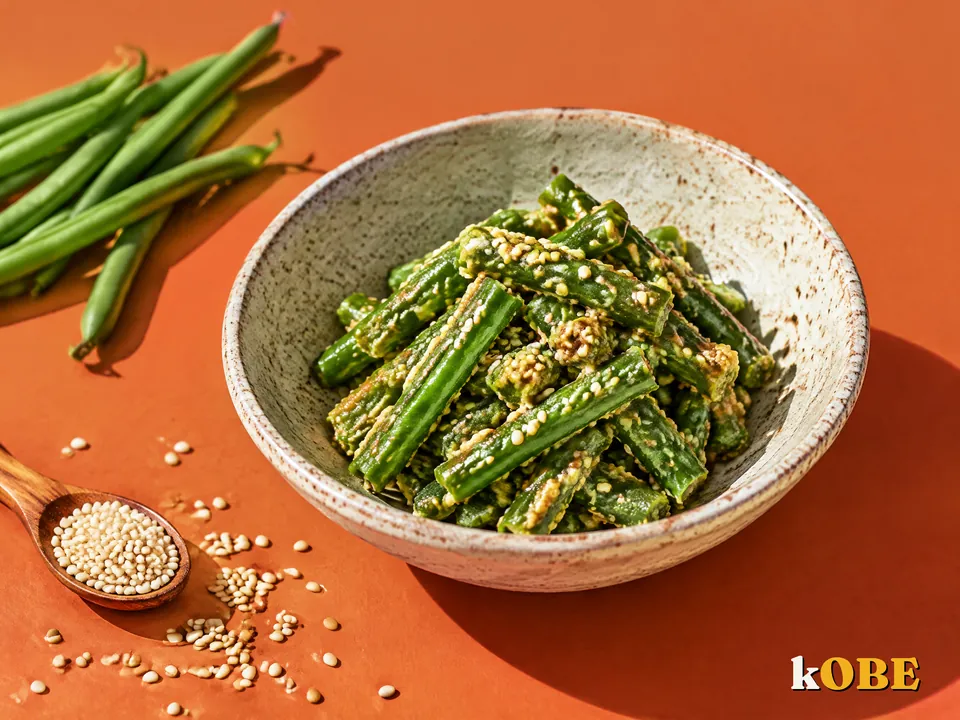
- Pounded muối mè: the hulls crack open, it smells better, and your body gets more out of it.
- Finely ground roasted sesame sauce, Japanese style.
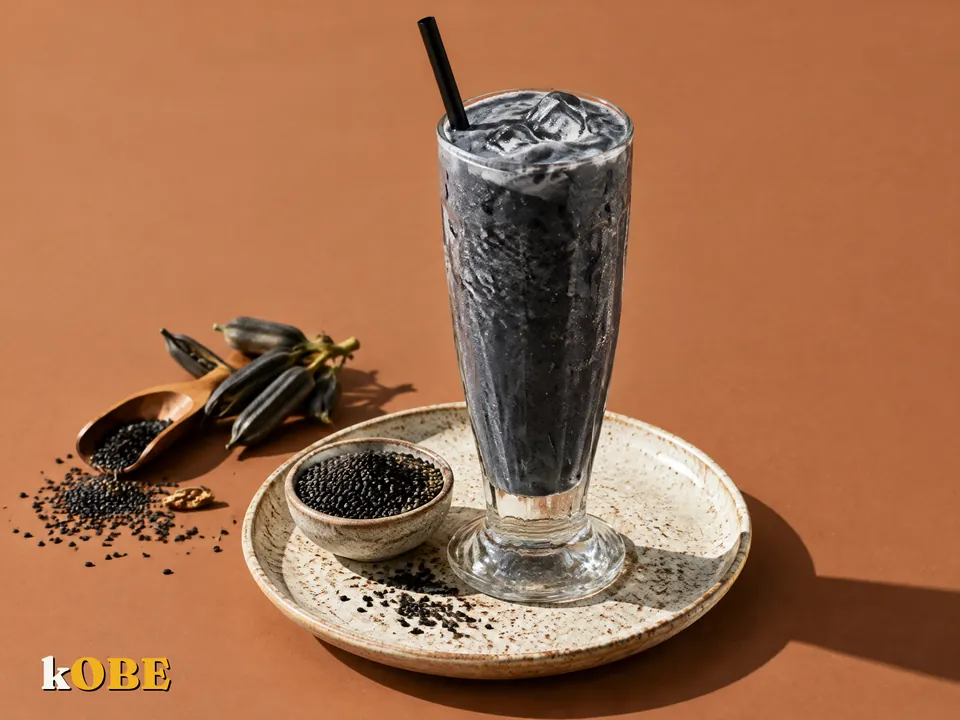
- Sesame ground to a powder for chè mè đen (black sesame sweet soup) or sesame milk.
Toasted sesame also smells far better than raw. Just toast over low heat, stir constantly, and turn off the heat as soon as it's golden. Overdo it and the sesame turns bitter.
How much is enough?
Many nutrition guidelines suggest about one small handful, around 28 to 30g of nuts a day, in place of another snack, not on top of it.
A few tips for choosing nuts:
- Go for dry-roasted, uncoated nuts. Đậu phộng da cá (crunchy coated peanuts), butter-coated nuts and candied nuts come with extra oil, flour and sugar.
- Watch the salt. Salted roasted nuts are addictive, and salt adds up fast.
- Portion them into small jars. Eating from a big bag, it's hard to know how much you've had.
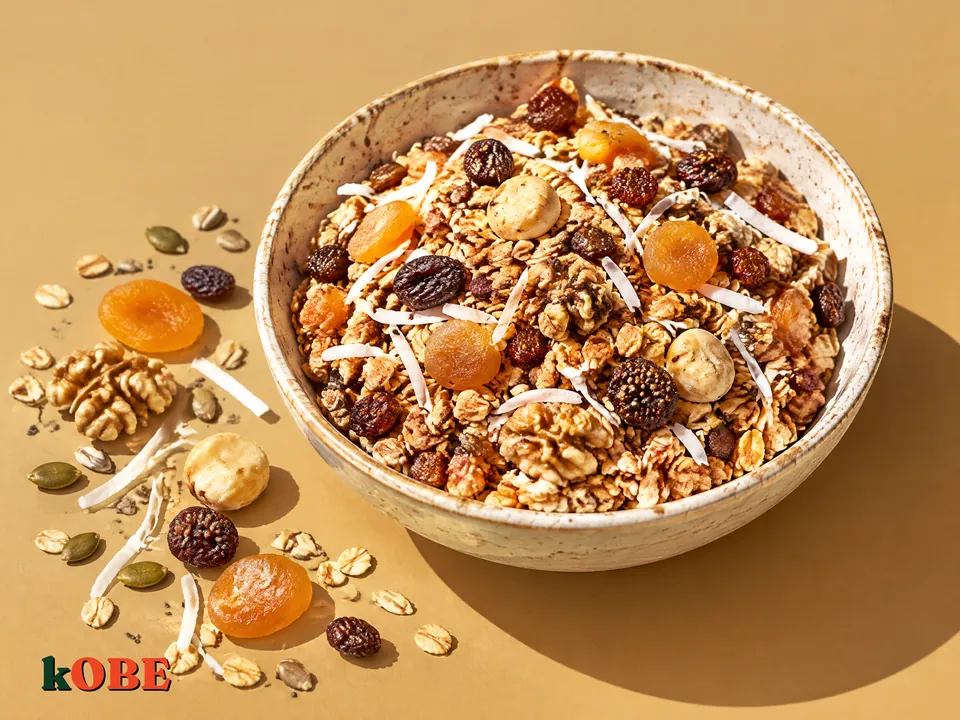
- Sprinkle nuts into dishes, like salads, cháo (rice porridge) or yogurt, instead of only snacking on them.
Store nuts so they don't go rancid
The unsaturated fat in nuts oxidizes easily, giving off a rancid oily smell.
- Keep them in sealed jars, somewhere cool and dark. If you buy a lot, store them in the fridge or freezer.
- Toasted sesame is best used within a few weeks to keep its aroma.
- Toss nuts that smell rancid, taste bitter or show mold spots. Mold on peanuts and some nuts can produce toxins.
One more note: peanuts, sesame and tree nuts are common allergens. Homes with young children or people with allergies should read labels carefully.
Inside the kOBE kitchen
Our Sesame Kale is made Korean namul style: kale massaged with sesame oil and toasted sesame. Each 100g has 78 calories and 4g of protein. It's cooked and then frozen; thaw it in the fridge overnight and your meal's veggie portion is ready.
Sesame Kale also comes in kOBE's frozen rice bowls, alongside rice and a main dish. See it on our Ingredients page.
Frequently asked questions
Are black and white sesame very different?
Is a peanut a nut or a bean?
Is peanut butter as good as peanuts?
Keep reading
Sources
- Novotny J.A., Gebauer S.K., Baer D.J. (2012). Discrepancy between the Atwater factor predicted and empirically measured energy values of almonds in human diets. American Journal of Clinical Nutrition 96(2):296 to 301.
- USDA FoodData Central, SR Legacy: whole and hulled sesame seeds, peanuts, cashews, almonds, walnuts, pumpkin seeds.
- National Institute of Nutrition (Vietnam). Vietnamese Food Composition Table (sesame, peanuts, cashews).
- Harvard T.H. Chan School of Public Health, The Nutrition Source. Types of Fat and the section on nuts.
- Further reading: Understanding Nutrition 16th ed., chapter 5; Culinary Nutrition, chapter 6.