Per 100g
25kcalCalories
1.3gProtein
0.1gFat
5.8gCarbs
2.5gFiber
3.2gSugars
18mgSodium
170mgPotassium
40mgCalcium
0.5mgIron
36.6mgVitamin C
5µgVitamin A
Data source: USDA FoodData Central, SR Legacy, FDC 169975 (Cabbage, raw).
Fun facts
- Cabbage, broccoli, cauliflower, kale and kohlrabi are all the same plant species. Over hundreds of years, people bred it in different directions, each one enlarging a different part.
- 100g of cabbage has only about 25 kcal. A full plate of boiled cabbage is still lighter than a small bowl of rice.
- Cabbage gives 36.6mg of vitamin C, 2.5g of fiber and 40mg of calcium per 100g. A whole head also keeps well in the fridge, handy for busy people.
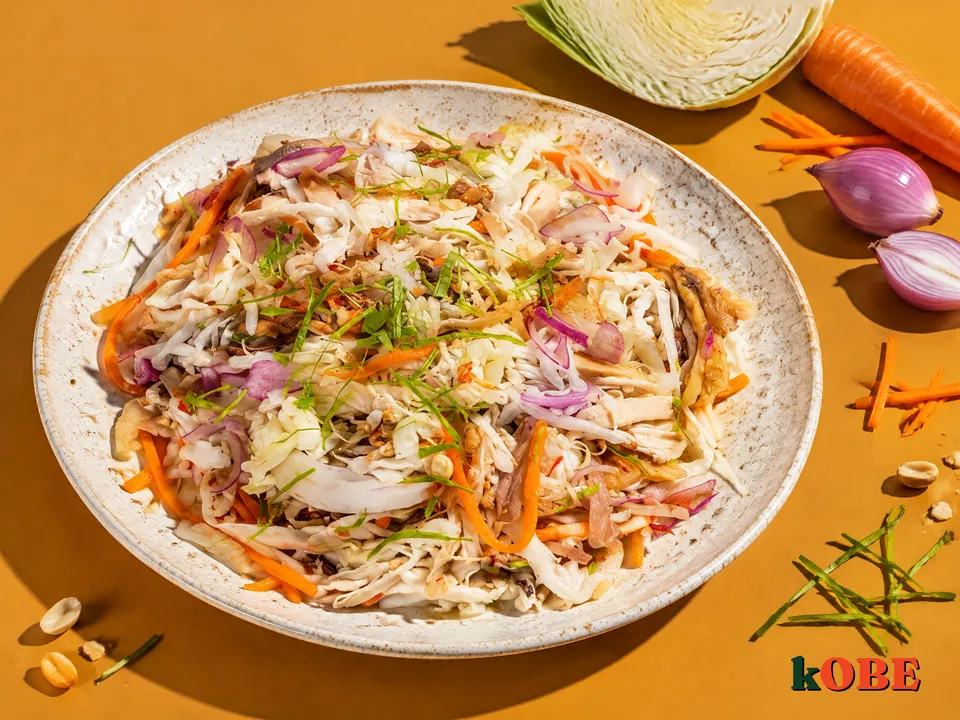
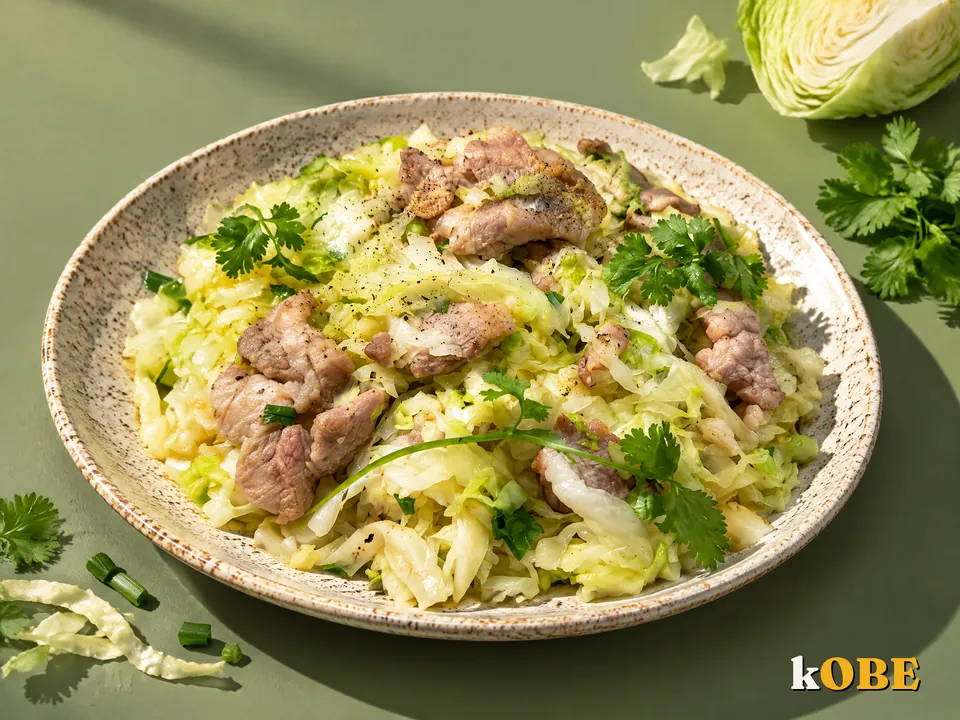
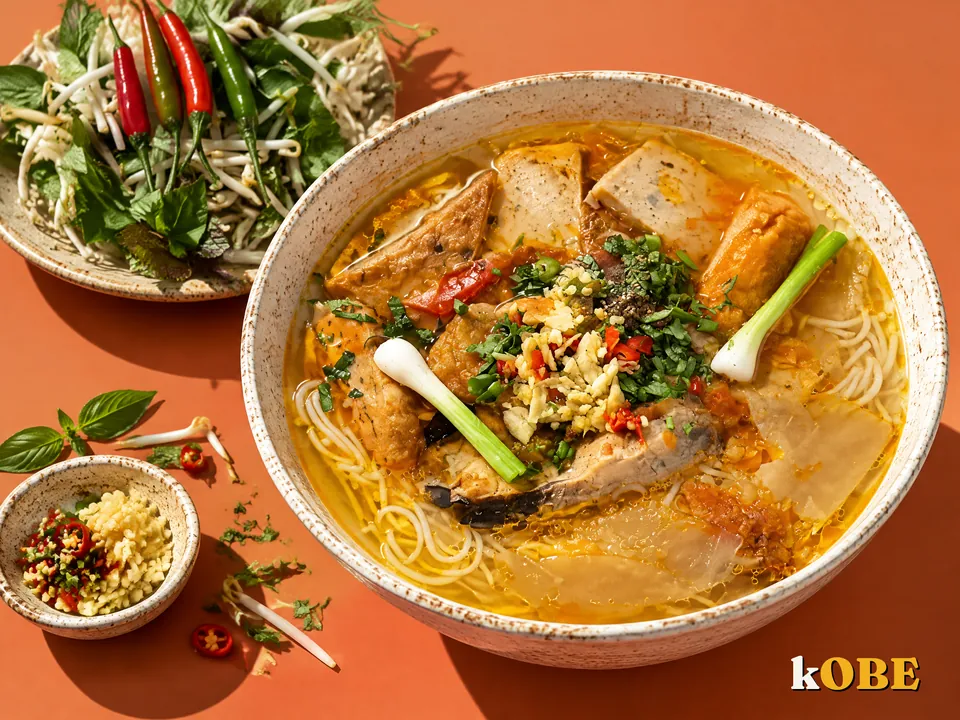
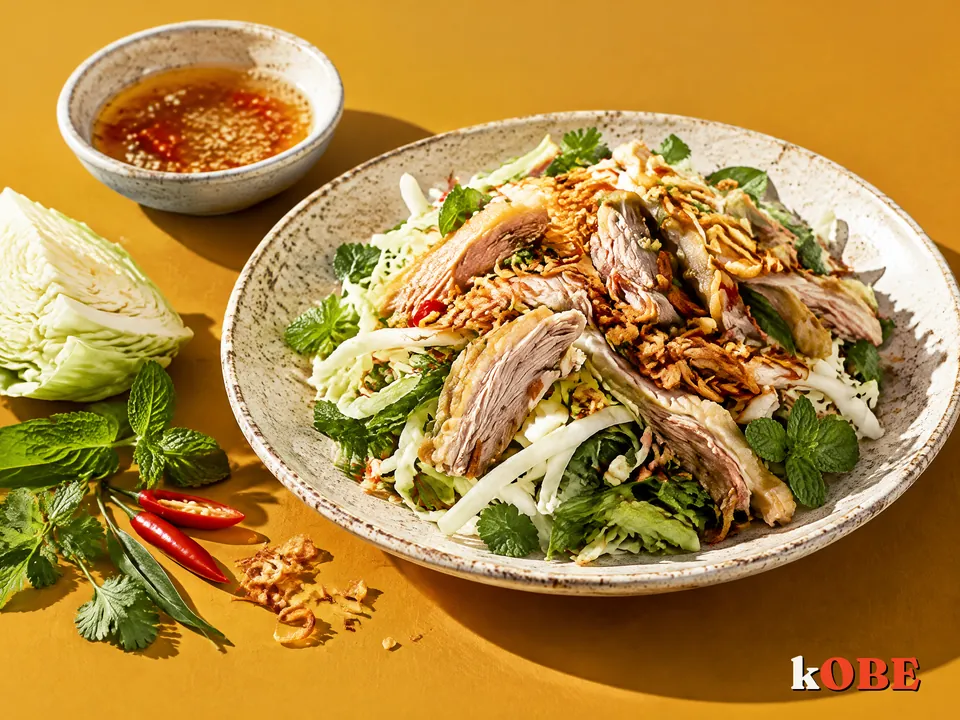
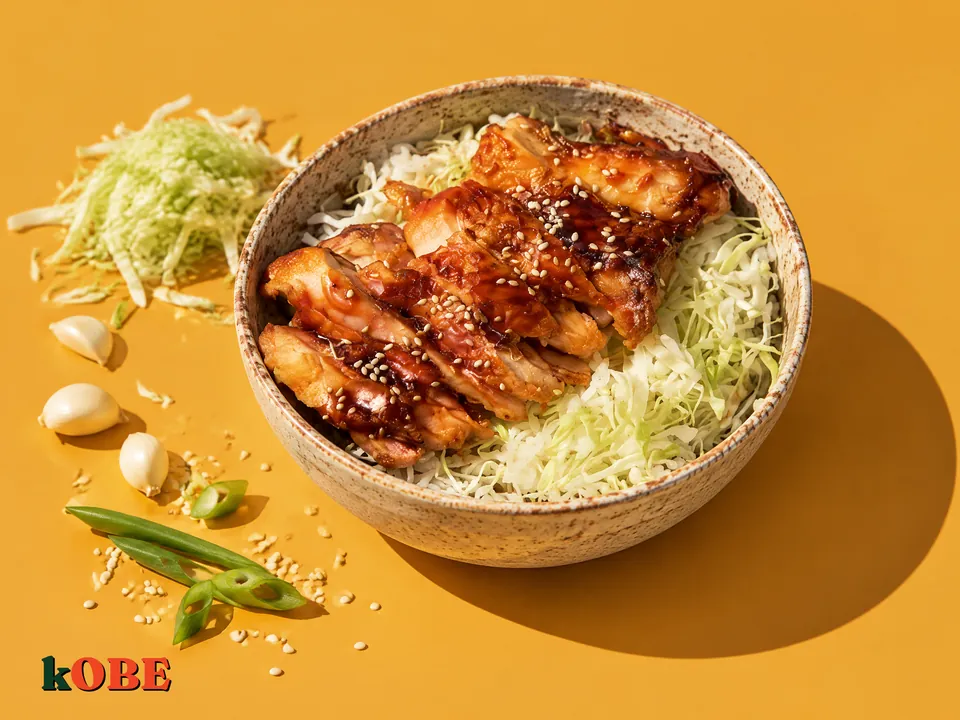
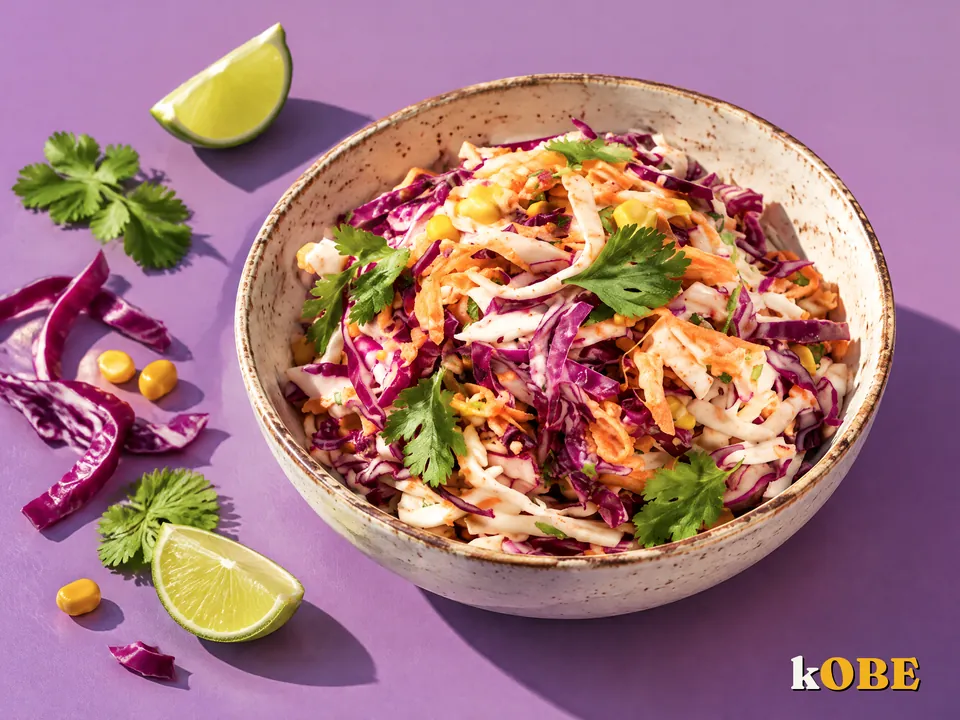
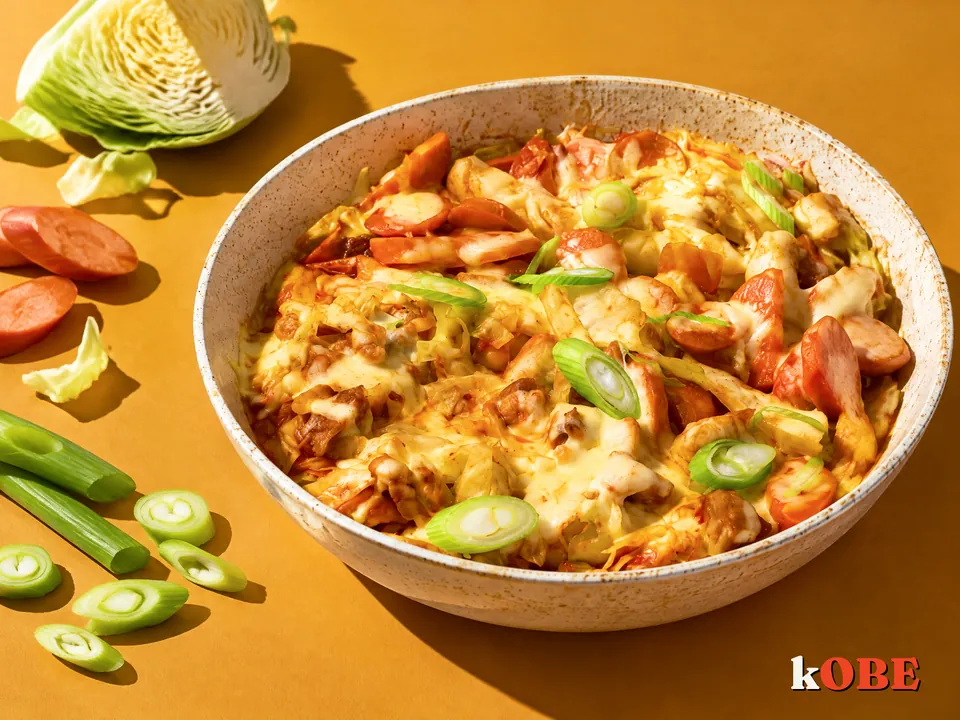
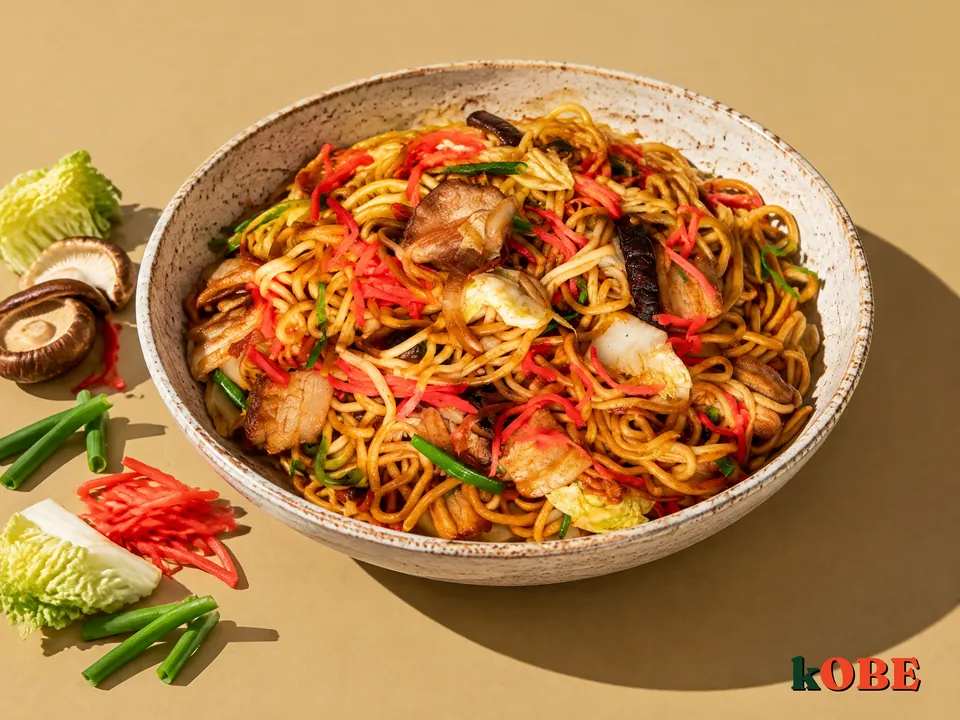
- In Vietnam, cabbage is boiled and dipped in egg and fish sauce, stir-fried with garlic, rolled around meat, pickled or tossed in salads. In the kOBE recipe library, cabbage appears in 28 dishes.
Choosing and storing
Choose a firm, heavy head with fresh green outer leaves, tightly packed and free of black spots. A whole head in a bag in the crisper drawer keeps for one to two weeks or longer. When using it, peel off leaves layer by layer instead of cutting it in half, and the rest stays fresh longer. Once cut, wrap the cut side tightly and use within a few days.
Cooking it well
Overcooked cabbage gives off a strong smell from sulfur compounds and loses some vitamin C. A quick boil, a steam or a few minutes of high-heat stir-frying keeps it crisp and sweet. Eating it raw in salads or coleslaw keeps the most vitamin C. See more in cooking methods that keep vitamins.
Frequently asked questions
Is pickled cabbage good for you?
Naturally fermented cabbage is a fun side dish, just watch the salt. Vietnamese fermented foods goes into more detail.
Should you remove the outermost leaves?
Remove one or two outer leaves that are bruised or dirty, then wash the inner layers well.