Is there someone in your family who always says, "Boiled veggies have lost all their goodness, raw is the way to go"?
And then someone else insists, "Carrots have to be cooked, stir-fried in oil, that's how you get the good stuff."
The fun part is that they're both right, but each only half right. When it comes to keeping vitamins while cooking, there's no absolute champion. It depends on which vitamin and how you cook.
In this article
- Two vitamin teams: the water-shy and the oil-lovers
- Boiling: the loser for vitamin C, but there's a comeback
- Steaming and the microwave: two skillful vitamin keepers
- Stir-frying and roasting: a little oil unlocks the carotenoids
- So which method should you choose?
- Inside the kOBE kitchen
- Frequently asked questions
Two vitamin teams: the water-shy and the oil-lovers
Vitamins fall into two big groups, and they react to the kitchen very differently.
The water-soluble team: vitamin C and the B vitamins (including folate).
- Dislike heat: the longer you cook, the more you lose.
- Dislike water: they "swim" out of the veggies and into the cooking water.
- Dislike air: chopped veggies left sitting slowly lose them too.
The fat-soluble team: vitamins A, D, E and K, plus carotenoid pigments like beta-carotene (in carrots, orange sweet potato, pumpkin) and lycopene (in tomatoes).
- Handle heat better.
- Don't get washed away much by cooking water.
- Are absorbed better by the body when eaten with a little fat.
Minerals like potassium, calcium and iron aren't destroyed by heat. But some of them still end up in the cooking water.
Boiling: the loser for vitamin C, but there's a comeback
For the water-soluble team, boiling in lots of water for a long time causes the biggest losses.
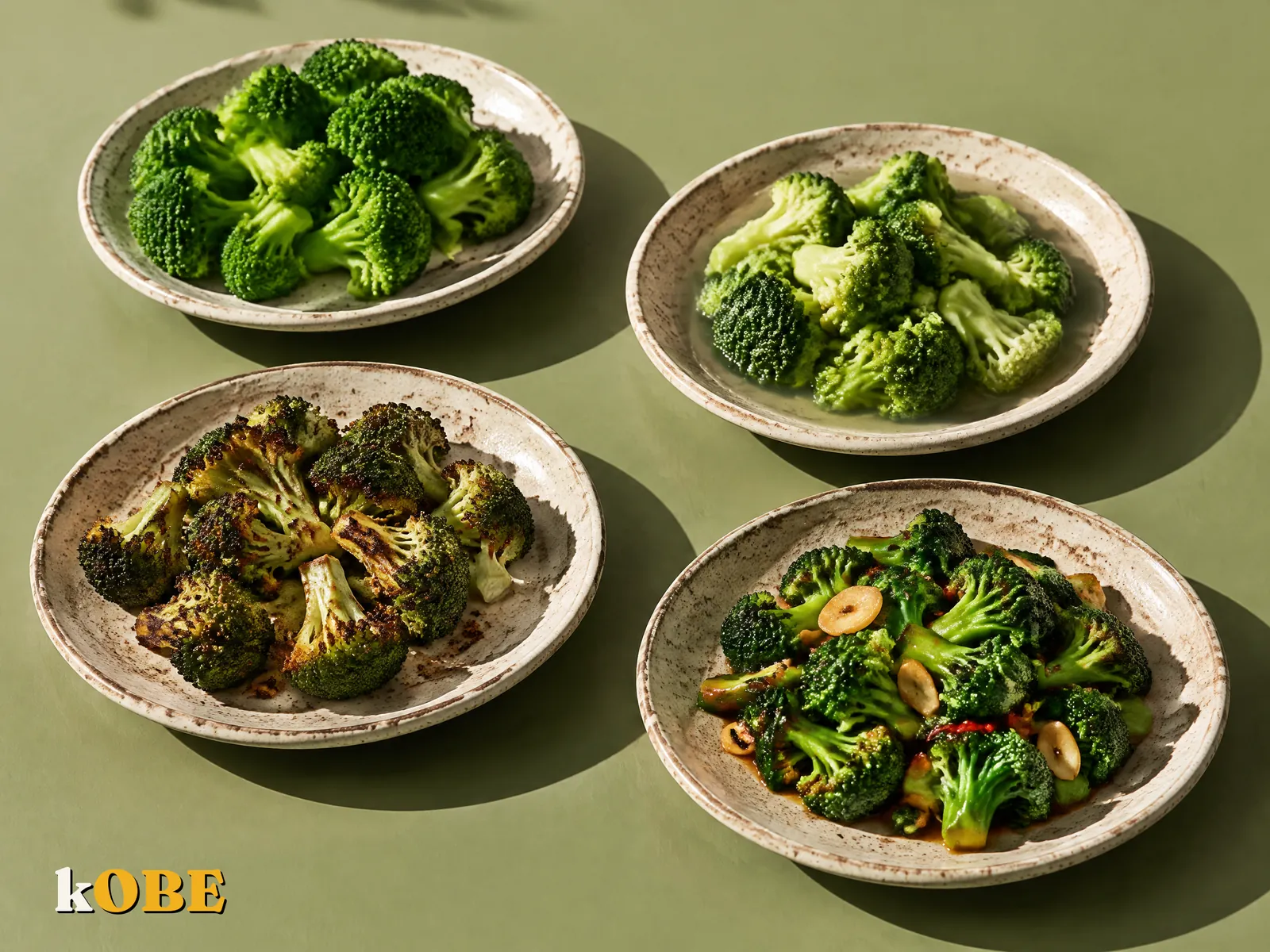
Many studies comparing ways of cooking broccoli find the same trend: boiling loses noticeably more vitamin C than steaming or microwaving. The exact loss varies with cooking time, amount of water and piece size.
But Vietnamese cooks have a very clever comeback: the bowl of canh (clear vegetable soup).
When you make canh with morning glory, mustard greens or winter melon, the vitamins and minerals that slip into the water don't go anywhere. You drink the broth. The habit of dipping boiled morning glory into a bowl of its cooking water with a squeeze of lime follows exactly the same idea.
A few tips when boiling:
- Use less water, bring it to a rolling boil before adding the veggies. They cook fast, leaving less time for vitamins to escape.
- Put the lid on so the water returns to a boil quickly.
- Cut into big pieces, and cut after washing. The smaller the piece, the more surface area, and the easier it is for vitamins to escape.
- Don't soak cut veggies in water for too long.
Steaming and the microwave: two skillful vitamin keepers
Steaming and microwaving have one thing in common: the veggies barely touch water.
They cook in steam or in their own moisture. Water-soluble vitamins have few ways to escape. That's why, in many studies, these two methods tend to keep vitamin C and folate better than boiling.
To cook veggies in the microwave: put them in a bowl, add a spoonful or two of water, cover loosely, and heat in short bursts. Stop as soon as they're just tender. More on microwaves is in reheating in the microwave the right way.
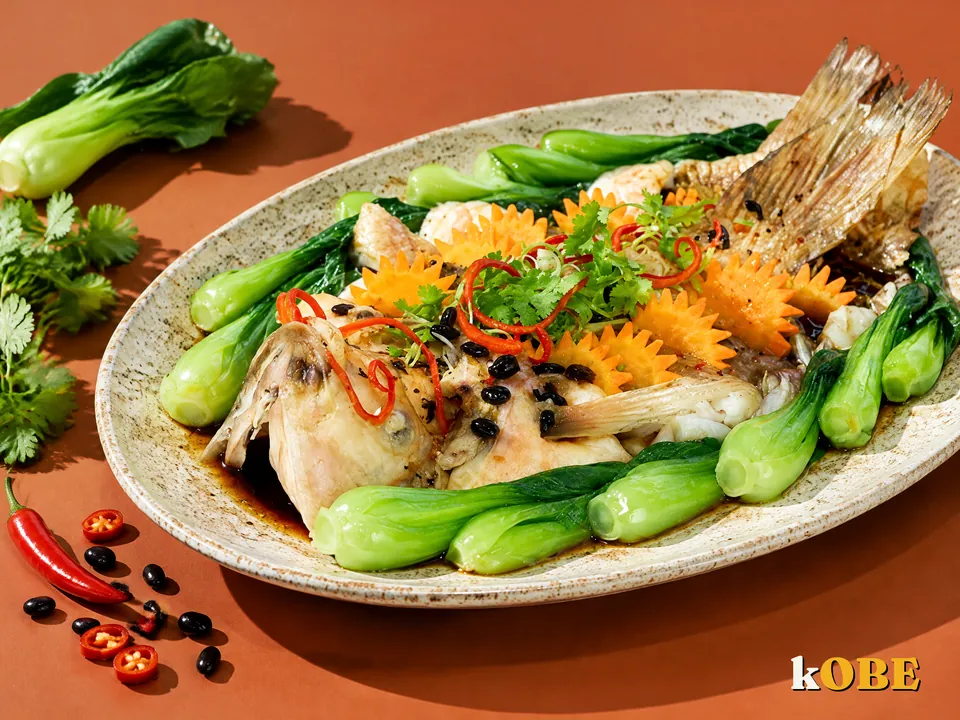
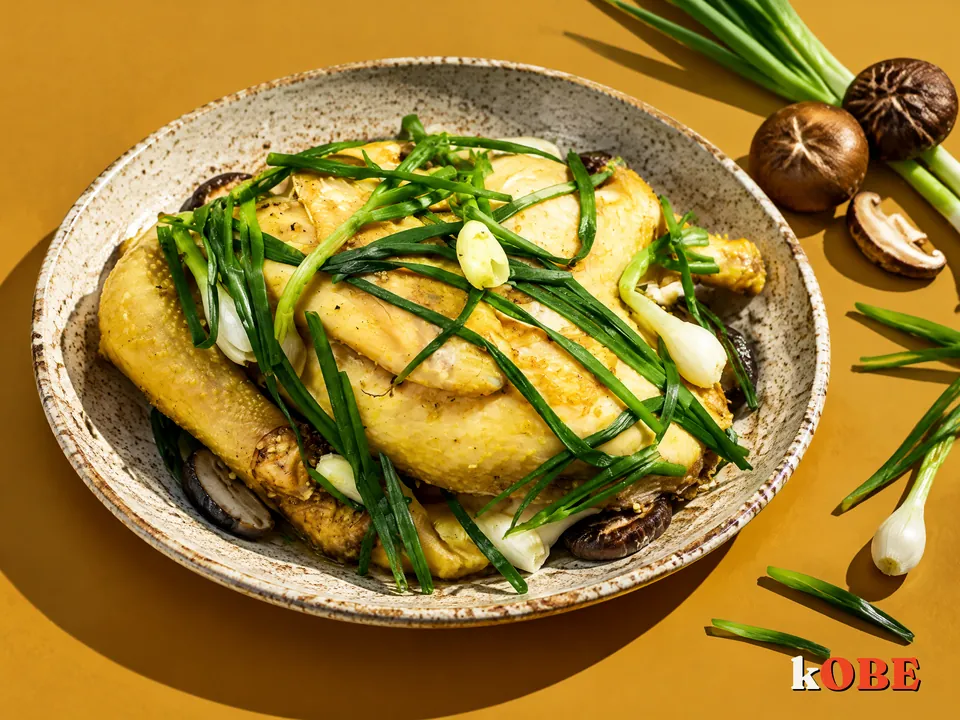
For fish and chicken, steaming also keeps the meat tender and needs little added oil.
Stir-frying and roasting: a little oil unlocks the carotenoids
This is where "carrots need to be stir-fried in oil" turns out to be right.
Beta-carotene and lycopene sit inside the fairly tough cell walls of vegetables. Cooking softens those walls and releases them. Add a little oil, and the body absorbs them better.
A well-known tomato experiment at Cornell University found something interesting: cooking tomatoes lowered vitamin C, but made lycopene easier to absorb. The same tomato, once cooked, loses one point and wins another.
Quick stir-frying over high heat also keeps vitamins fairly well, because it's fast and uses little water. Just don't stir-fry so long that the veggies go limp.
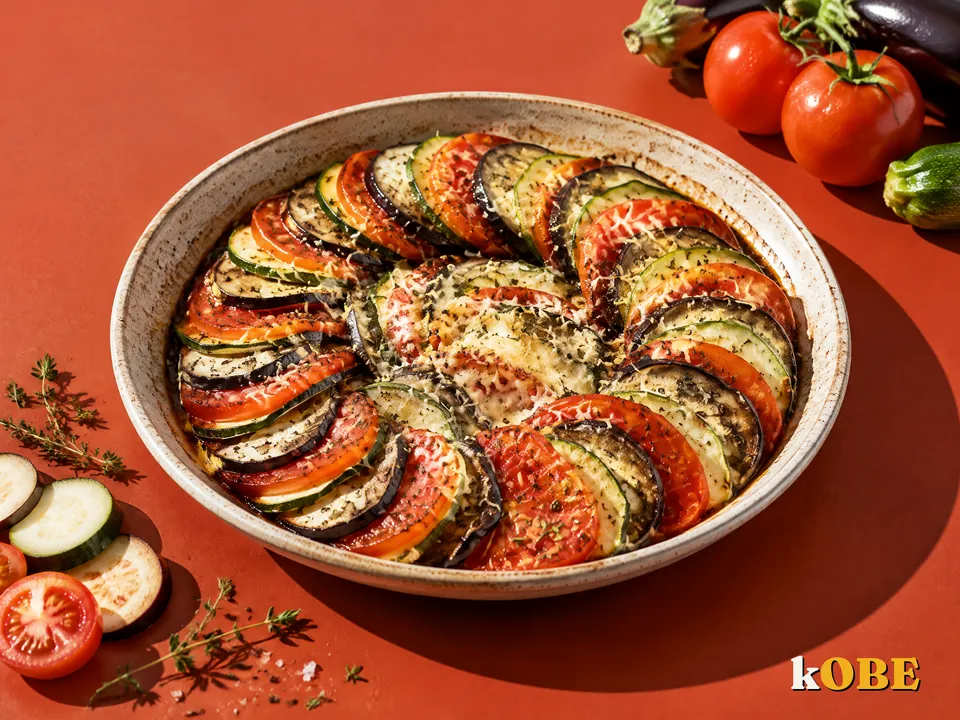
Roasting uses dry heat and usually takes longer. It suits roots like sweet potato, pumpkin and carrots. It's less suited to leafy greens.
So which method should you choose?
The summary table below shows general trends, not hard rules:
| Cooking method | Vitamin C, B vitamins | Carotenoids (A, lycopene) | Good for |
|---|---|---|---|
| Raw | Keeps a lot | Absorbed less well | Cucumber, lettuce, fresh herbs |
| Boiling in lots of water | Loses a lot (unless you drink the broth) | Fairly good | Canh, boiled veggies for dipping |
| Steaming | Keeps well | Fairly good | Broccoli, squash, fish, chicken |
| Microwave, little water | Keeps well | Fairly good | Quick and easy veggies |
| Quick stir-fry | Fairly good | Absorbed well thanks to oil | Greens, broccoli, carrots |
| Roasting | Depends on time | Absorbed well thanks to oil | Sweet potato, pumpkin, carrots |
And here's what matters even more than the table: veggies you actually eat beat veggies left in the fridge. The cooking method that makes you enjoy veggies more is the one that suits you. Switching methods through the week also helps you get plenty from both vitamin teams.
For meal prep, there's one more thing: vitamin C keeps slowly declining while veggies sit in the fridge. See how long boiled vegetables keep for the quick blanch and ice bath trick.
Inside the kOBE kitchen
Two items among kOBE's ready-cooked ingredients follow the "a little oil unlocks it" idea above.
- Japanese, Purple and Honey Sweet Potato are roasted with a little olive oil, diced and then frozen. Per 100g they have 122, 114 and 139 calories respectively.
- Sesame Kale is kale massaged with sesame oil and toasted sesame seeds, namul style. Each 100g has 78 calories and 4g of protein.
Kale is a dark leafy green with vitamin K, a fat-soluble vitamin. Pairing it with a little sesame oil makes sense.
To reheat, use the microwave on a low setting or thaw in the fridge overnight. Heat until just hot, and don't microwave too long. See our ready-cooked ingredients.
Frequently asked questions
Are raw veggies always better than cooked?
Does reheating veggies several times lose more vitamins?
Does a pressure cooker destroy a lot of vitamins?
Keep reading
Sources
- Yuan G.F. et al. (2009). Effects of different cooking methods on health-promoting compounds of broccoli. Journal of Zhejiang University Science B 10(8):580 to 588.
- Dewanto V., Wu X., Adom K.K., Liu R.H. (2002). Thermal processing enhances the nutritional value of tomatoes by increasing total antioxidant activity. Journal of Agricultural and Food Chemistry 50(10):3010 to 3014.
- Lee S. et al. (2018). Effect of different cooking methods on the content of vitamins and true retention in selected vegetables. Food Science and Biotechnology 27(2).
- Harvard T.H. Chan School of Public Health. The Nutrition Source: Vegetables and Fruits.
- Further reading: Culinary Nutrition; Understanding Nutrition 16th ed., chapters on water-soluble and fat-soluble vitamins.