Data source: USDA FoodData Central, SR Legacy, FDC 169910 (Mangos, raw).
Fun facts
- Mango belongs to the same plant family as cashew. That is why the sap on the stem and skin can make lips itch or swell in sensitive people; peeling before you bite is an easy fix.
- The orange color of mango flesh comes from carotenoids, pigments your body turns into vitamin A. 100g of ripe mango gives 54µg of vitamin A and 36.4mg of vitamin C.
- Ripe mango is quite sweet: 13.7g of sugar per 100g, close to 3.5 teaspoons. It is natural sugar, but your body still counts it as sugar.
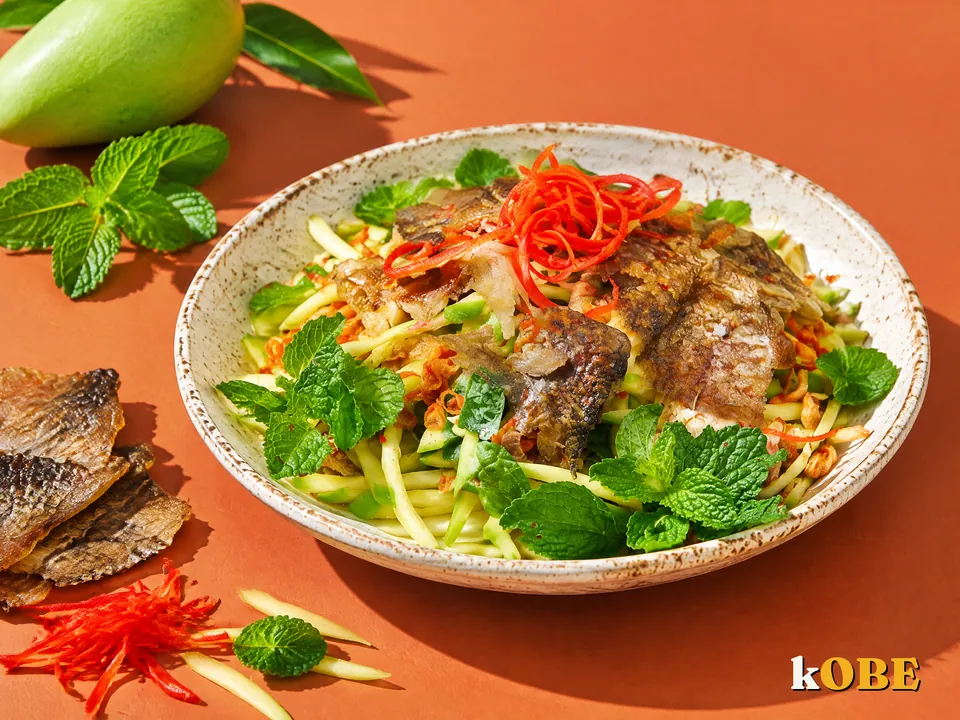
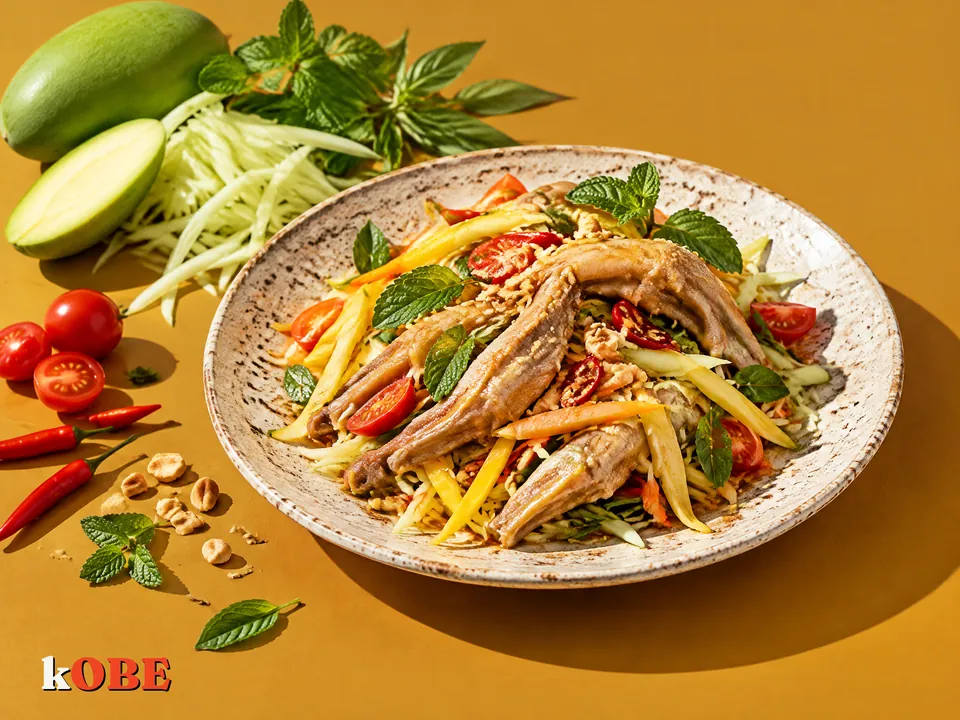
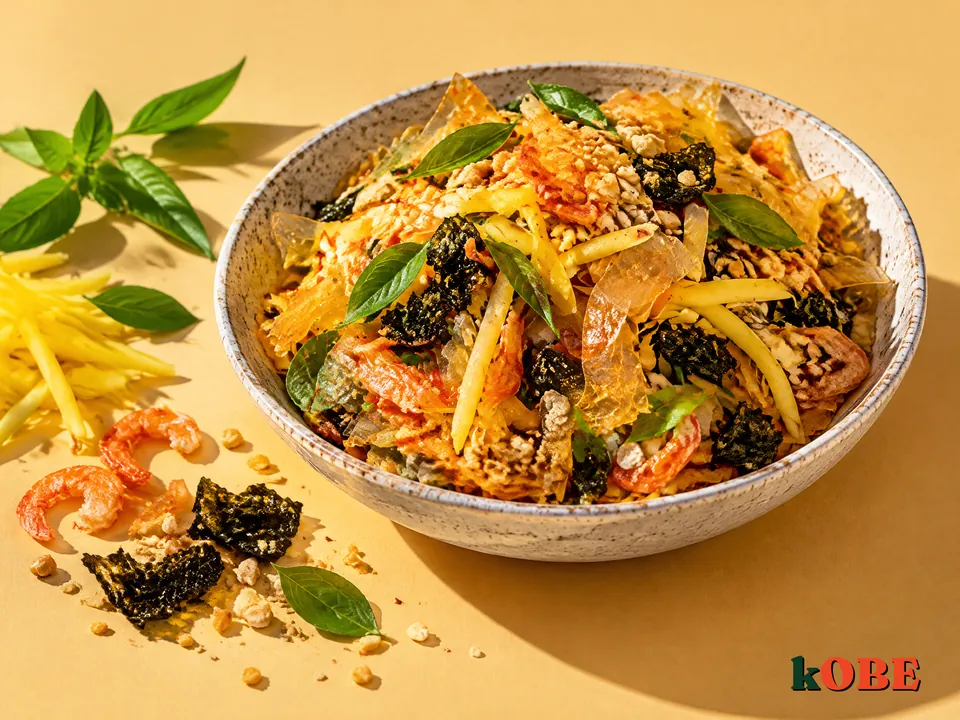
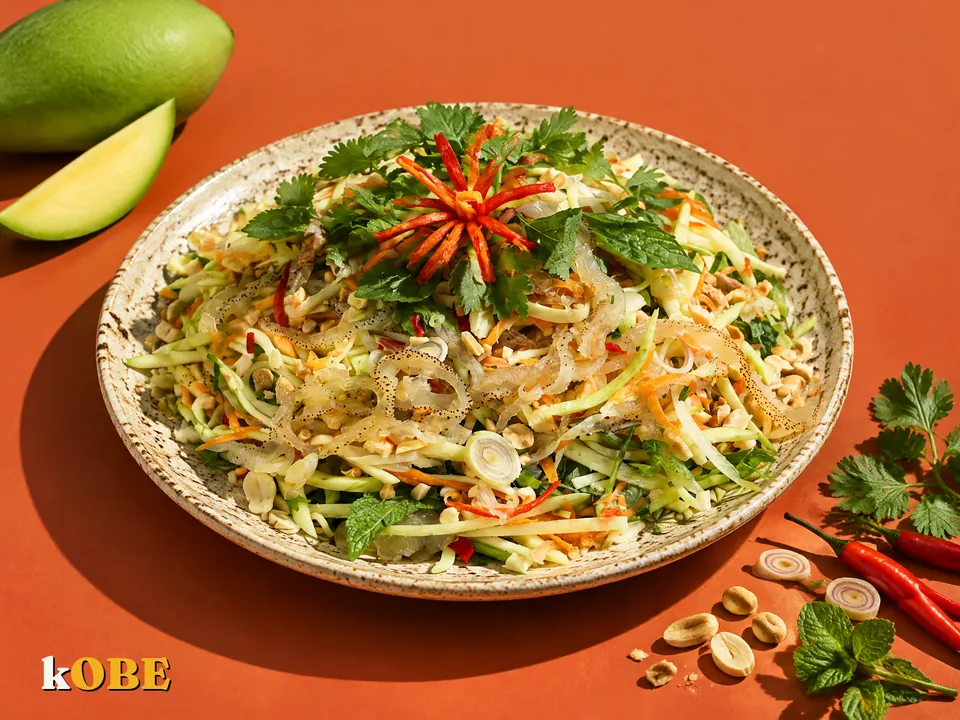
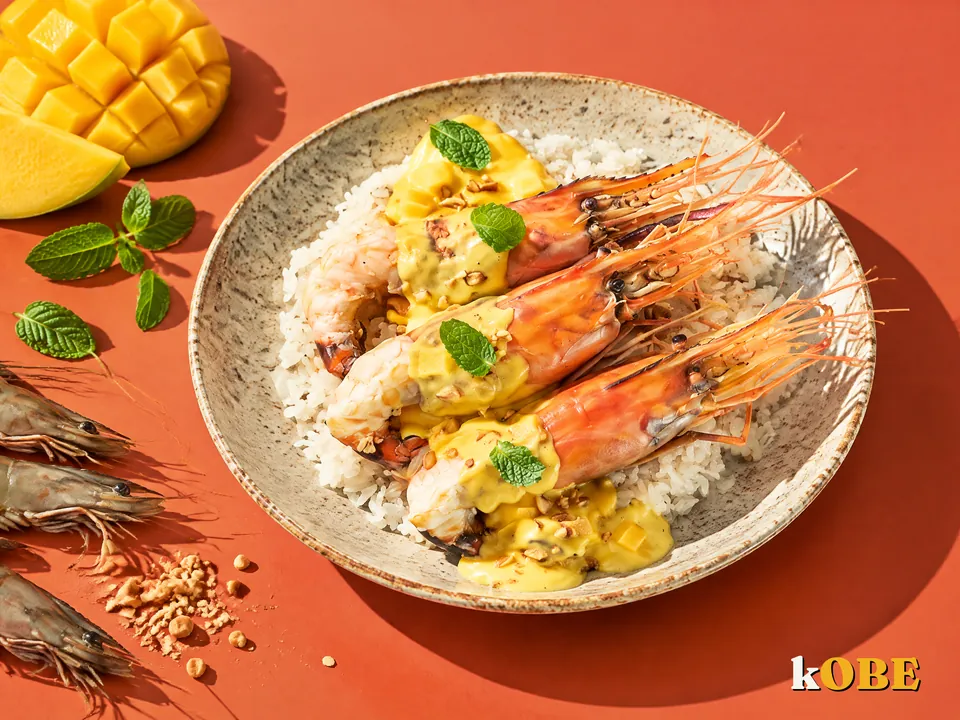
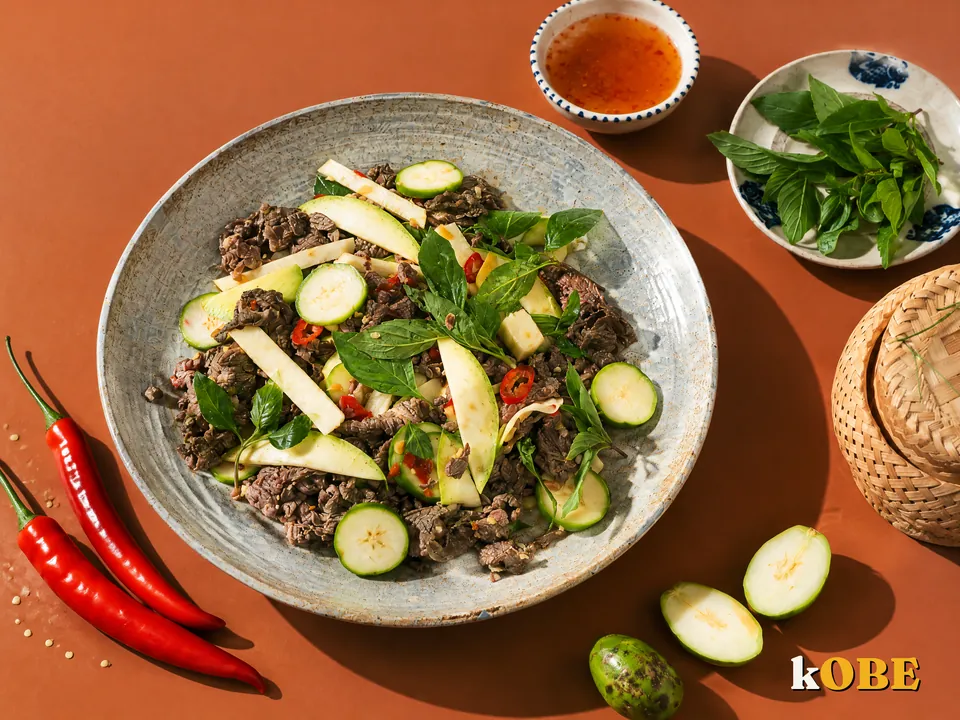
- Vietnamese eat mango every way: ripe Hoa Loc mango for dessert, green mango dipped in chili salt, shredded into salads, or shaken with spicy salt.
Choosing and storing
A good mango feels heavy for its size, smells gently sweet at the stem and gives a little when pressed. Skin color is not always a guide, since each variety ripens to a different shade. Keep firm mangoes at room temperature for a few days to ripen. Once ripe, move them to the fridge to hold them a few more days. Cubed mango freezes well and is perfect for smoothies.
Cooking it well
Eating it fresh keeps the most vitamin C, because that vitamin drops with heat. A smoothie that blends the whole flesh keeps the fiber; juice that is strained loses most of the fiber but keeps all the sugar. Ripe mango is sweet enough already, so you can skip the condensed milk or sugar when blending. For how a mango differs from a glass of mango juice, see does fruit have too much sugar.