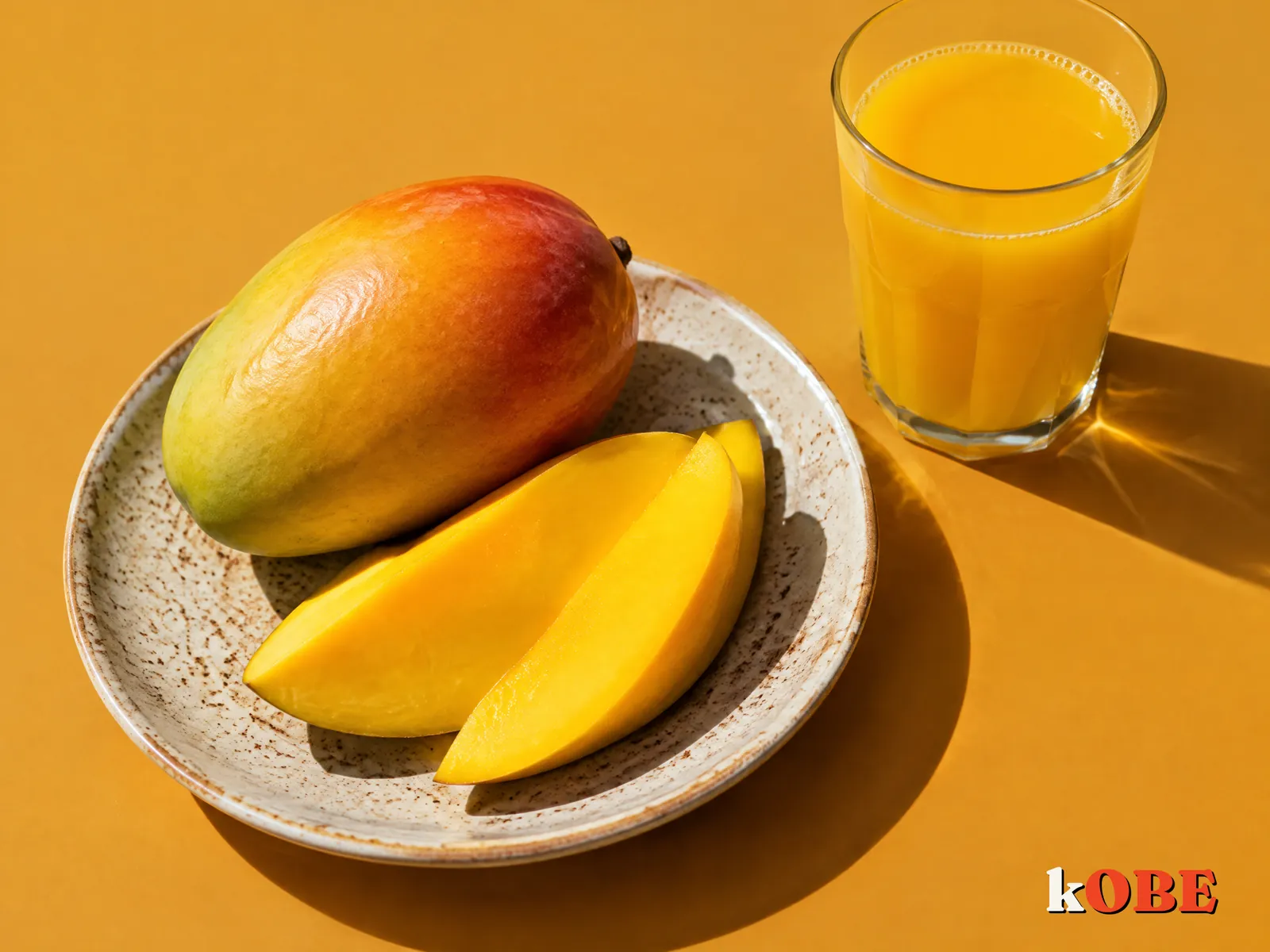
Ever since she decided to cut sugar, a friend of ours has given up fruit too. "Mango is so sweet, it must be full of sugar." The fruit platter on full moon days is now only for the ancestors' altar.
It sounds logical. Fruit is sweet, sweet means sugar, and sugar is something to cut back on.
But is a tree-ripened mango really the same as a milk tea? This is where science has a fairly clear answer, and a fairly pleasant one.
In this article
Yes, fruit contains sugar
Nobody denies it. The sweetness of fruit comes from natural sugars, mainly fructose, glucose and sucrose.
The amount varies a lot between fruits. Per 100g of the edible part, here are some reference numbers:
| Fruit | Sugar per 100g, roughly |
|---|---|
| Watermelon | 6g |
| Guava, orange, pomelo | 7 to 9g |
| Apple, dragon fruit | 8 to 10g |
| Banana | 12g |
| Ripe mango | 14g |
| Grapes, jackfruit | 16 to 19g |
To picture it: a medium banana has about 12 to 14g of sugar, around 3 teaspoons. A large milk tea can have three or four times as much.
But whole fruit wears "armour"
The sugar in whole fruit does not travel alone. It sits inside cells, wrapped in fibre and water.
When you eat an orange, three things happen:
- You have to chew. That takes time, and gives your brain a chance to register fullness.
- Fibre slows digestion. Sugar reaches your blood more gradually.
- Water and fibre take up room in your stomach. Two oranges and you already feel full.
On top of that, fruit brings vitamin C, potassium, folate and many other plant compounds.
That is why the World Health Organization (WHO) does not count the sugar in fresh whole fruit as the "free sugars" we should limit. The group to limit is added sugar, plus the sugar in honey, syrups and juice.
When fruit changes form, the story changes too
Trouble starts when fruit gets transformed:
- Juice. Pressing out the pulp removes most of the fibre. A glass of orange juice takes 3 to 4 oranges and goes down in a minute. The WHO counts the sugar in juice as free sugar.
- Dried fruit. The water evaporates and the sugar concentrates. A small handful of raisins equals a whole bunch of fresh grapes. Many soft dried fruits are coated in extra sugar too.
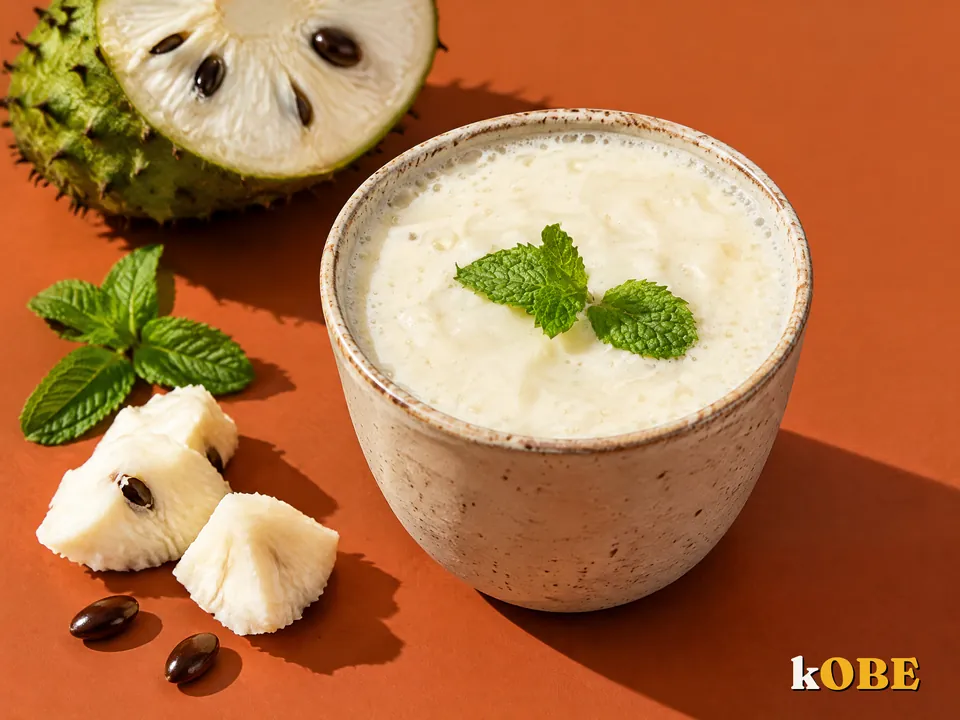
- Smoothies with condensed milk and sugar. Avocado and soursop are not intensely sweet on their own, but two spoonfuls of condensed milk change everything.
- Shaken fruit with sugar-salt dip. Xoài lắc and cóc lắc (green mango or ambarella shaken with chilli salt) often come with sugar in the salt packet.
- Canned fruit in syrup. The liquid is usually sugar syrup.
In other words: the culprit is usually not the fruit, but what we do to it.
What science is fairly sure of, and what is still discussed
Fairly sure: many large studies show that people who eat plenty of vegetables and whole fruit tend to have better long-term health. The WHO recommends at least 400g of vegetables and fruit combined every day, roughly five portions.
Still discussed: high doses of fructose, in syrup or added sugar form, have been studied a lot for their metabolic effects. But the fructose in a few portions of fruit a day is far lower than in those studies.
People with an underlying condition who need to monitor their blood sugar, or who take medication, should ask their doctor how much fruit suits them. For healthy people, whole fruit is nothing to fear.
How much fruit is about right?
A few small ideas, no fussy weighing needed:
- About two portions a day. One portion is roughly fist sized: an orange, a banana, a small bowl of watermelon cubes.
- Eat the fruit, go easy on juice. If you want a drink, blend a smoothie that keeps the pulp, with no added sugar.
- Mix up the colours. Guava one day, dragon fruit the next, papaya after that.
- Very sweet fruits like durian, jackfruit and longan work best in smaller portions, like a dessert.
- Pair it with protein or fat when eating it as a snack: an apple with a few cashews, a banana with a glass of unsweetened milk.
And if you are trying to cut back on sweets, fruit is a great friend. A plate of fruit after lunch can stand in for a slice of cake.
Inside the kOBE kitchen
We keep fruit as fruit, and only replace the added sugar.
For example, kOBE Oat Milk, Monk Fruit is sweetened with kOBE monk fruit sweetener, but it still has natural sugar from the oats, around 9g carbs per 100ml. We say so clearly rather than calling it "sugar free".
The smoothie recipes on the kOBE site use no refined sugar, and each one lists sugar per 100g. You will see that a mango smoothie still has sugar, because mango is naturally sweet. See more ingredients on the Ingredients page.
Frequently asked questions
Is eating fruit at night a problem?
Does sour fruit have less sugar than sweet fruit?
Should people cutting sugar give up fruit?
Keep reading
Sources
- WHO (2015). Guideline: Sugars intake for adults and children.
- WHO. Healthy diet (fact sheet): at least 400g of vegetables and fruit a day.
- USDA FoodData Central: banana, mango, watermelon, guava, orange, grapes, jackfruit.
- National Institute of Nutrition (Vietnam). Vietnamese Food Composition Table (ripe fruit group).
- Further reading: Nutrition: Concepts and Controversies 16th ed., chapter 4.