Data source: USDA FoodData Central, SR Legacy, FDC 171688 (Apples, raw, with skin (Includes foods for USDA's Food Distribution Program)).
Fun facts
- Drop an apple in a bowl of water and it floats. About a quarter of an apple's volume is air trapped between cells, which is also why apples are crunchy.
- A cut apple turns brown because enzymes in the fruit meet oxygen, just like potato or avocado. The apple has not gone bad, it has only changed color.
- 100g of apple with skin gives 52 kcal, 2.4g of fiber and 10.4g of sugar. A good share of the fiber and colorful compounds sits in the skin, so peeling throws that away.
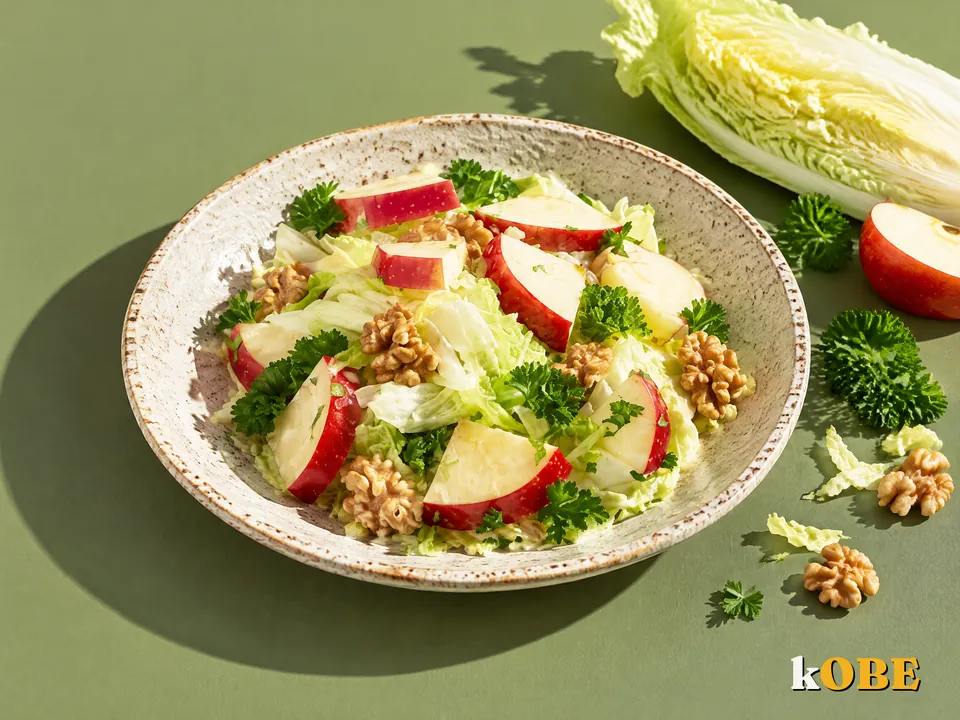
- Imported apples are now common in Vietnamese markets, eaten fresh, juiced, or sliced into salads and slow-simmered broths for a gentle sweetness.
Choosing and storing
Pick firm fruit with tight, shiny skin and no bruises or soft spots. Apples last longest in the fridge, often several weeks. They give off ethylene gas, which speeds up ripening in other fruit and vegetables, so store them separately or in a bag. One bruised apple spoils its neighbors quickly, so pull it out early.
Cooking it well
Wash well and eat the skin to keep all the fiber. To keep slices from browning, squeeze on a little lemon or give them a quick dip in lightly salted water. Baked or stewed apples taste sweeter, so they usually need no added sugar. The pectin in apples is a soluble fiber, the thing that makes apple jam set; read more in soluble vs insoluble fiber.