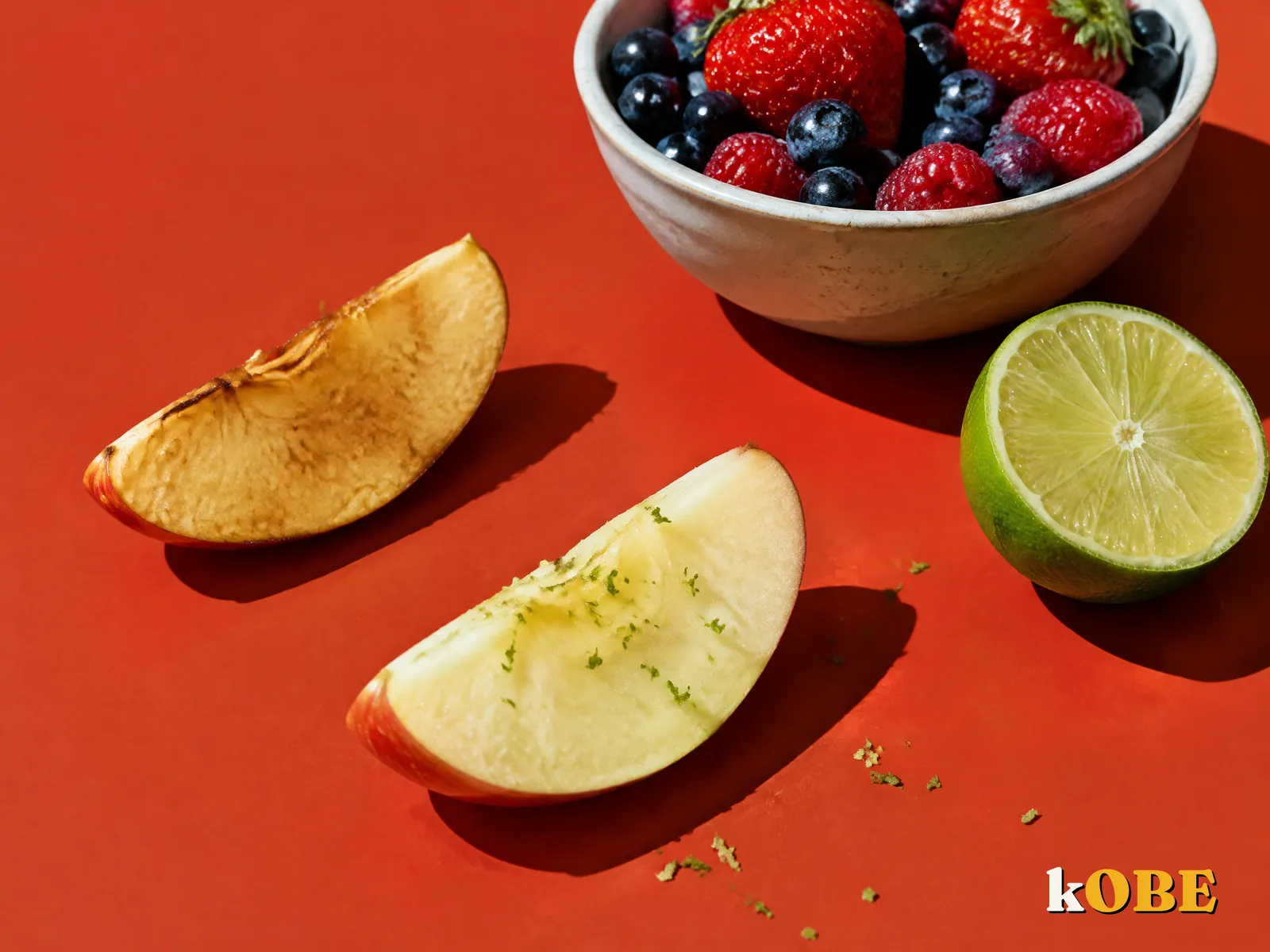
Cut an apple in half and leave it on the counter. Fifteen minutes later, the cut face has turned brown. A cut avocado browns too, and so does a peeled banana.
But squeeze a little lime juice over the apple and it stays white for much longer.
That little kitchen experiment is the easiest way to understand "antioxidant", a word you see on all kinds of packaging that hardly anyone ever explains.
In this article
Oxidation: when oxygen "steals" electrons
Oxygen is something we need to live. But oxygen is also very "eager" to react with other things.
When an apple is cut, compounds in the apple meet oxygen in the air and change, producing that brown color. Iron left in the rain rusts, cooking oil kept too long goes rancid: those are forms of oxidation too.
Lime juice has vitamin C. Vitamin C "takes the hit" for the apple, getting oxidized first to protect the flesh. That is exactly what an antioxidant does: sacrifices itself to shield something else.
Free radicals: not entirely the villains
Oxidation happens inside your body too. Every time a cell burns food for energy, it makes a few unstable molecules called free radicals.
A free radical is missing an electron, so it "snatches" one from the molecule next door. That molecule then snatches from the next. A chain reaction like that can damage cell membranes, proteins and DNA.
But the story is not as black and white as ads like to say:
- Your body has its own defense system. Cells make their own antioxidant enzymes, working nonstop without you taking anything extra. Some of those enzymes need minerals like selenium, zinc, copper and manganese to work.
- Free radicals have good jobs too. Immune cells use free radicals as weapons to destroy bacteria. They also act as messengers inside cells.
So the goal is not to "wipe out all free radicals". The goal is balance. And food plays a part in that balance.
Who is on the antioxidant team in food?
Not one compound, but a whole crowd:
| Group | Examples | Often found in |
|---|---|---|
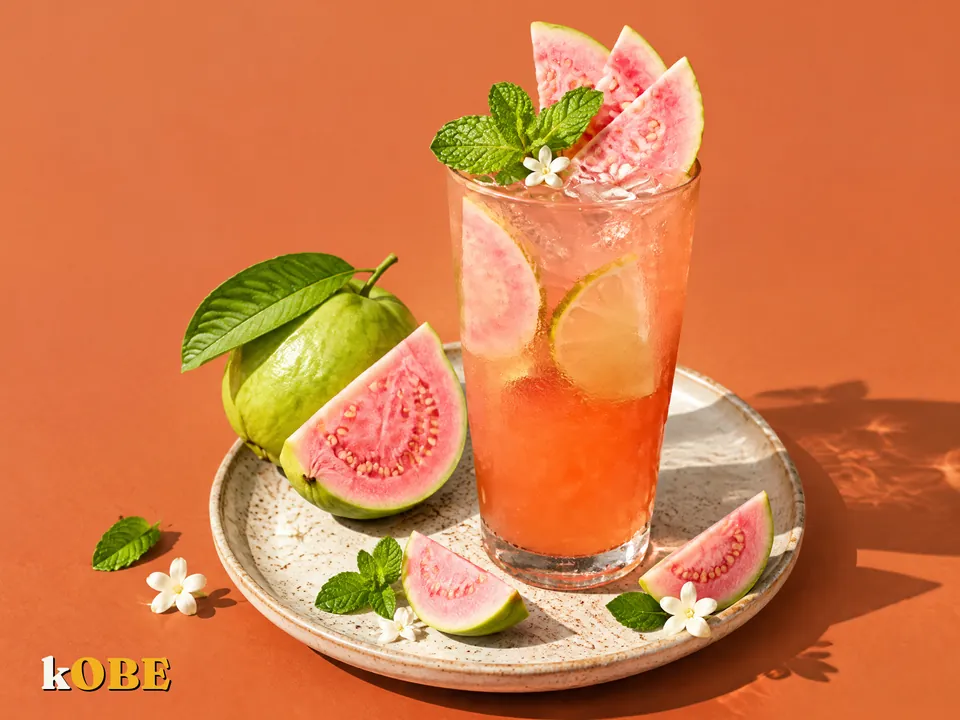
| Vitamin C | Ascorbic acid | Guava, bell pepper, orange, pomelo, fresh herbs |
| Vitamin E | Tocopherols | Vegetable oils, nuts and seeds, peanuts, sesame |
| Carotenoids | Beta-carotene, lycopene, lutein | Gấc, tomato, carrot, pumpkin, dark leafy greens |
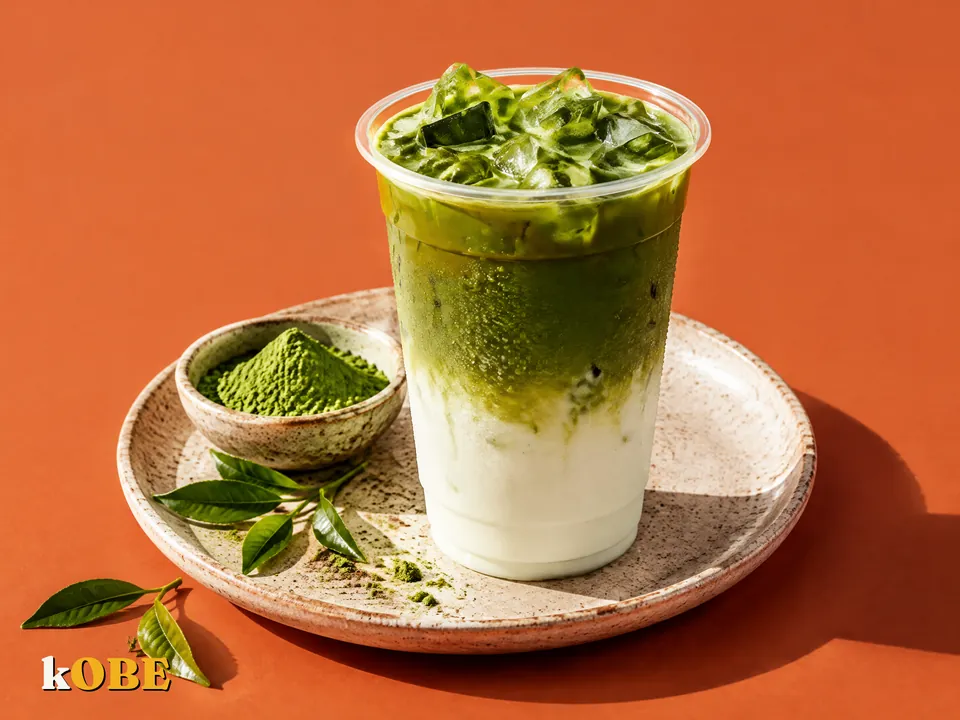
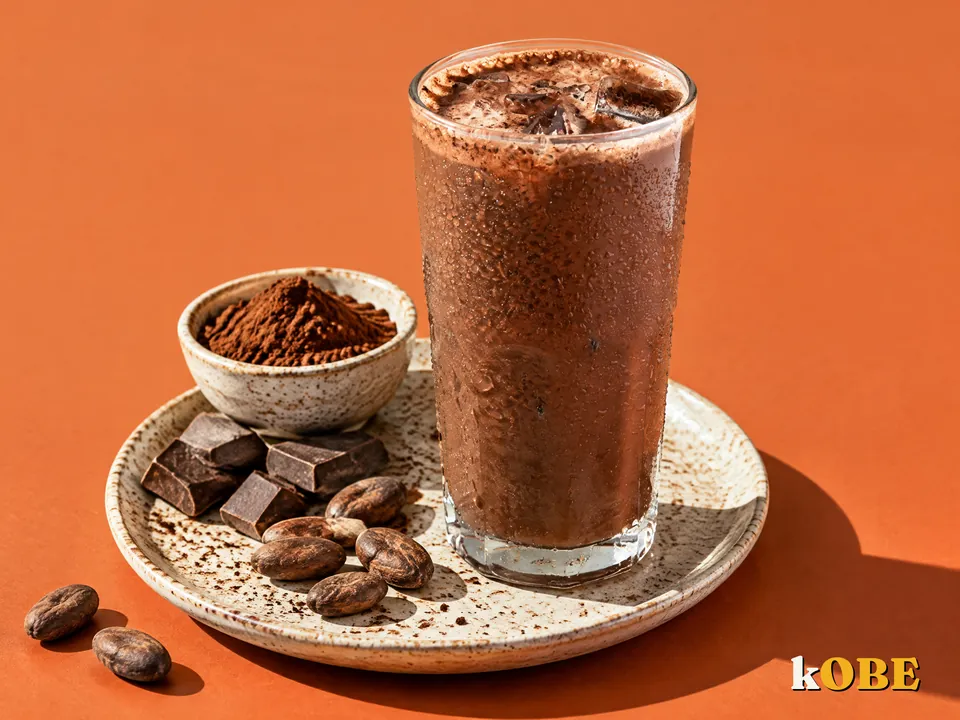
| Polyphenols | Catechins, flavonoids | Green tea, coffee, cacao, shallots, apples |
| Anthocyanins | A purple-red branch of the polyphenols | Black rice, purple sweet potato, red cabbage, red dragon fruit |
An easy way to remember: deep color is often a clue. The red of gấc and tomato, the orange of pumpkin, the purple of black rice, the deep green of water spinach. Many of the pigments in vegetables are antioxidants.
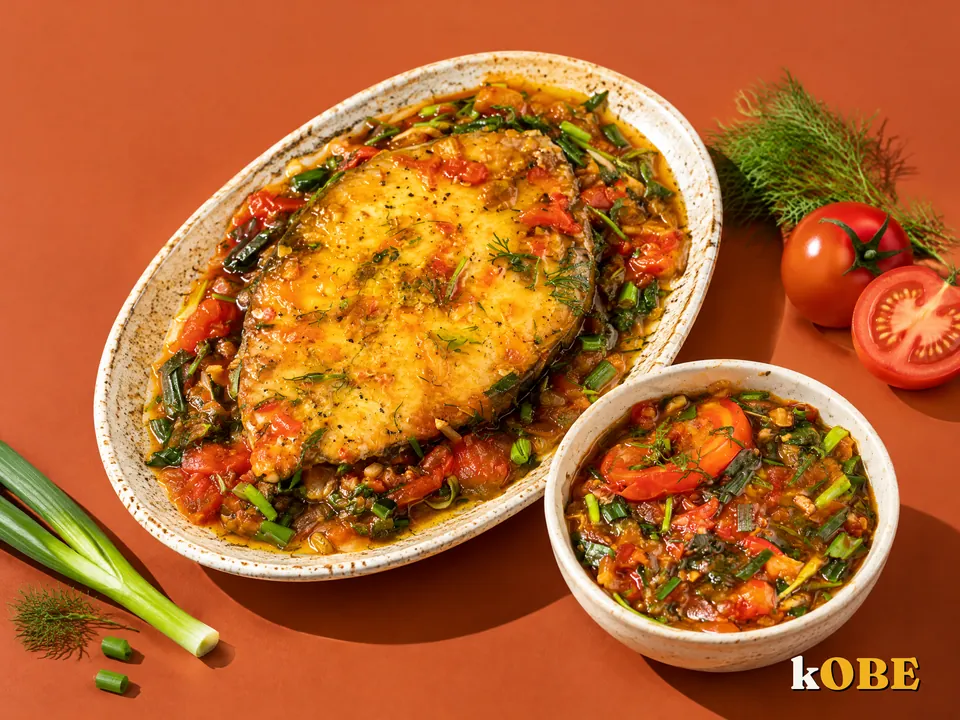
Vietnamese meals already carry plenty of sources every day: a glass of trà đá (iced tea), the morning coffee, a basket of fresh herbs, a plate of tomatoes, a pot of pumpkin soup.
The antioxidant scoreboard that got taken down
There was a time when people measured the "antioxidant power" of foods with an index called ORAC. Fruits with high scores got marketed as "superfoods".
In 2012, the US Department of Agriculture (USDA) took down its own ORAC database. The reason: numbers measured in a test tube do not reflect what happens in the human body. Many antioxidants are absorbed very little, or are completely transformed after digestion.
That is why we do not rank "which food is the most antioxidant". A pretty number on a label may not mean much for your body.
Why can't a pill replace a plate of greens?
At this point, many people think: why not just take an antioxidant pill?
Scientists tested exactly that idea, on a very large scale. In the 1990s, two big studies gave tens of thousands of smokers high-dose beta-carotene every day. The results were not what anyone hoped: the pill group did no better, and even did worse than the group without pills, so much so that one study had to stop early.
Later reviews pooling many studies also found no clear benefit from high-dose antioxidant pills for healthy people.
Why is food different from pills? Scientists are still working that out. Some hypotheses:
- Food has hundreds of compounds in small doses, working together. A pill has just a few compounds at very high doses.
- Doses that are too high may upset the body's natural balance.
- Vegetables also bring fiber and many other compounds a pill does not have.
The practical conclusion, based on what is well established: get your antioxidants from a colorful variety of food. As for pills, if you have a specific need, ask a health professional.
Inside the kOBE kitchen
kOBE's Black Brown Rice contains anthocyanins, the deep purple pigment of black rice. Our Purple Sweet Potato, roasted with a little olive oil, also gets its purple from anthocyanins. The Honey and Japanese Sweet Potatoes lean toward the yellow-orange tones of carotenoids.
We are not giving any "antioxidant" score here, because as you just read, that number does not say much. Our suggestion is simpler: a rice box with lots of colors. Black brown rice, purple sweet potato, a portion of dark greens. See our ready-cooked ingredients.
Frequently asked questions
Is green tea high in antioxidants?
Does coffee have antioxidants?
Does cooking destroy antioxidants?
Keep reading
Sources
- The Alpha-Tocopherol, Beta Carotene Cancer Prevention Study Group (1994). The effect of vitamin E and beta carotene on the incidence of lung cancer and other cancers in male smokers. New England Journal of Medicine 330(15):1029 to 1035.
- Omenn G.S. et al. (1996). Effects of a combination of beta carotene and vitamin A on lung cancer and cardiovascular disease. New England Journal of Medicine 334(18):1150 to 1155.
- Bjelakovic G. et al. (2012). Antioxidant supplements for prevention of mortality in healthy participants and patients with various diseases. Cochrane Database of Systematic Reviews, CD007176.
- USDA Agricultural Research Service (2012). Notice withdrawing Oxygen Radical Absorbance Capacity (ORAC) of Selected Foods, Release 2.
- Further reading: Understanding Nutrition 16th ed., chapters 10 and 11; Diet Cults.