Data source: USDA FoodData Central, SR Legacy, FDC 168458 (Seaweed, laver, raw).
Fun facts
- Nori, the sheets used for rolling rice, is made from a thin red seaweed. It is chopped fresh, spread into sheets and dried, a process that recalls traditional handmade paper.
- According to USDA, 100g of fresh laver seaweed has about 35 kcal, 5.8g of protein, 260µg of vitamin A and 39mg of vitamin C. Dried sheets are more concentrated, but you only eat a few grams at a time.
- Seaweed is a natural source of iodine from the ocean, a mineral your body needs every day but only in small amounts.
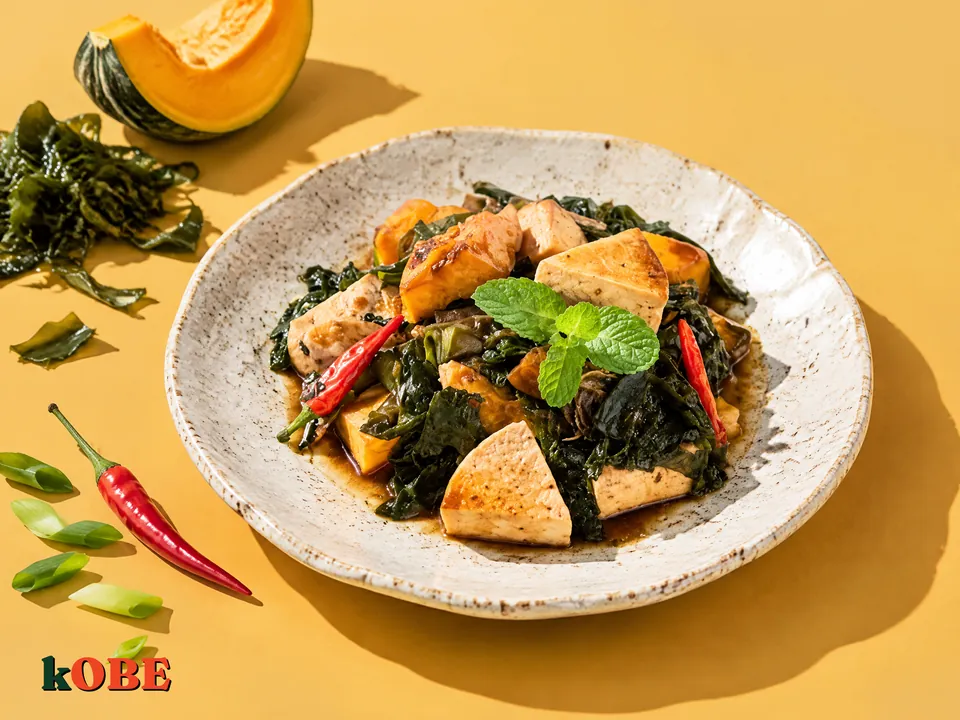
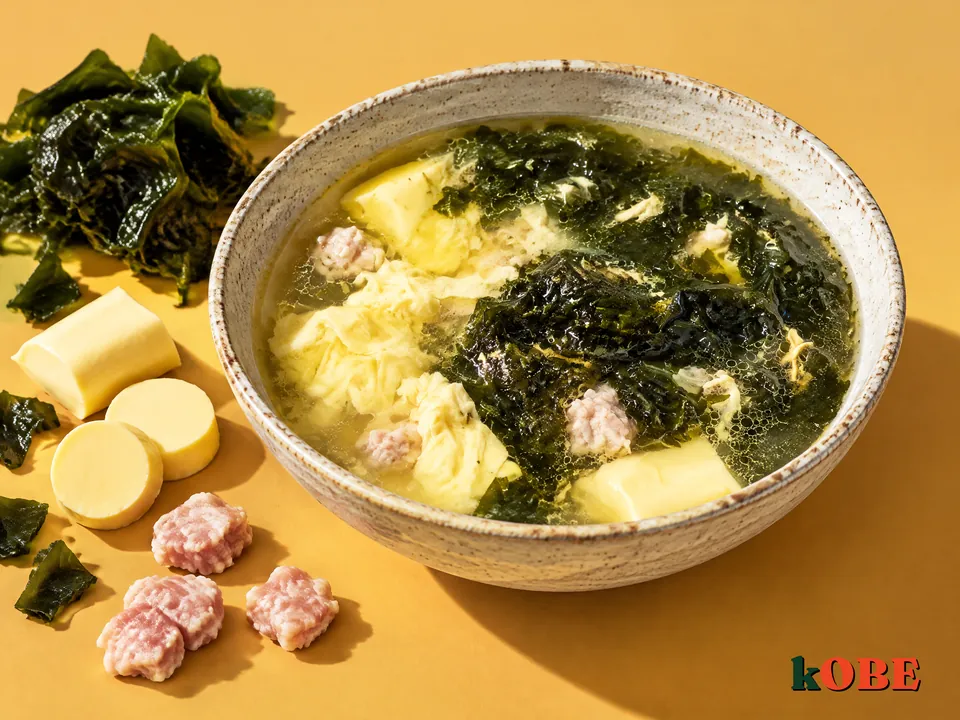
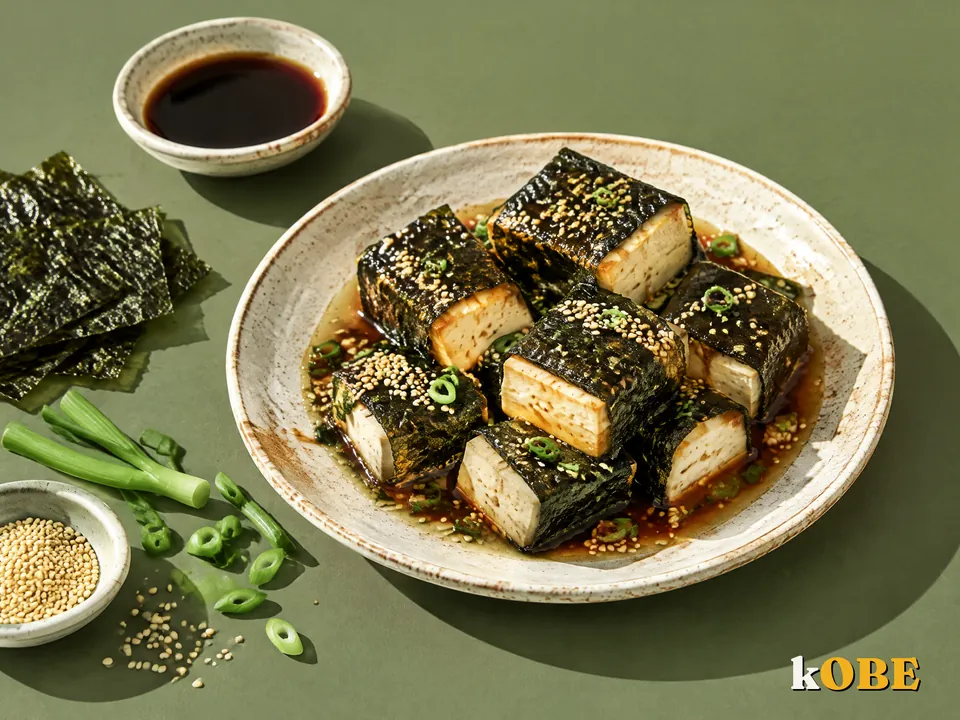
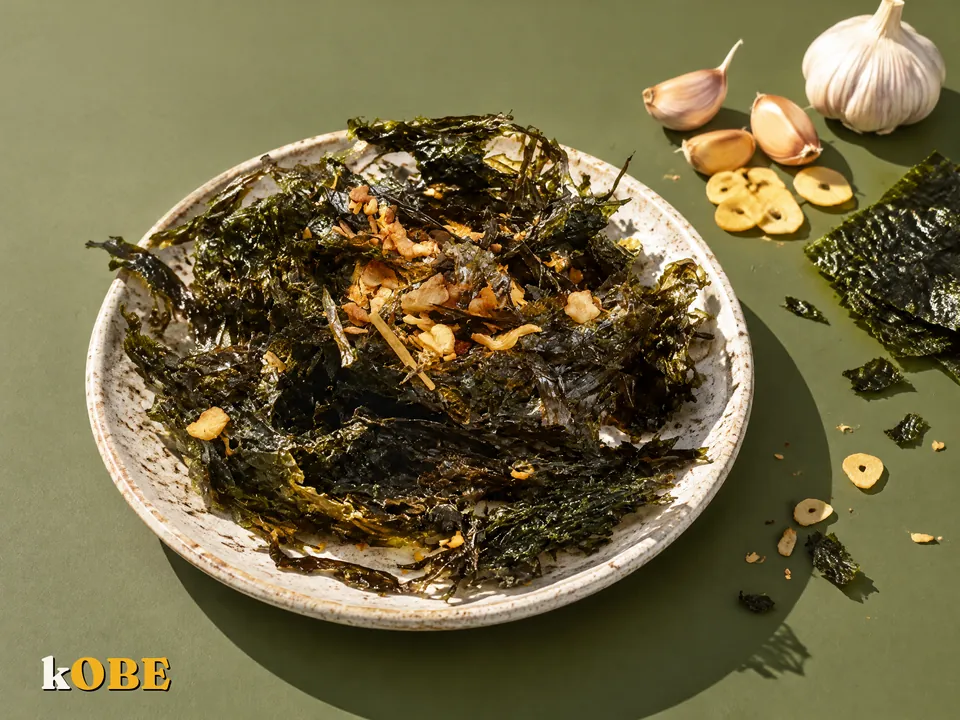
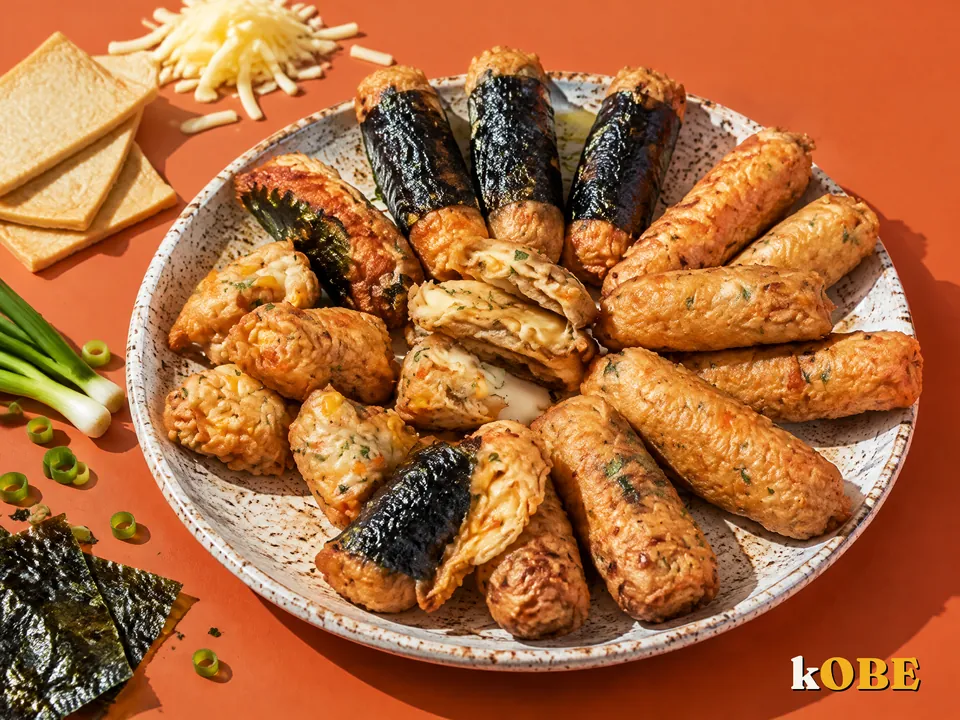
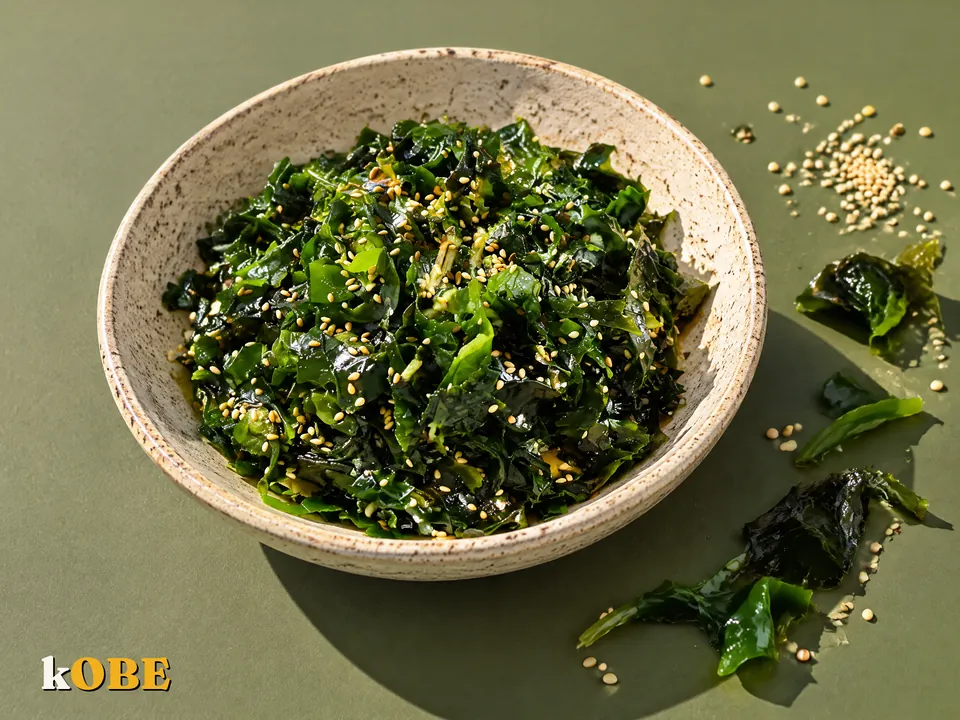
- Vietnamese families know seaweed through seaweed soup with minced pork, rice rolls, salads and crispy seaweed snacks. The kOBE recipe library has 15 dishes that use it.
Choosing and storing
Pick dried seaweed that is dark green or deep purple, evenly glossy, with no white spots or off smell, in a sealed pack. Dried seaweed hates moisture: once opened, clip the bag tight, put it in a sealed container with a desiccant pack and keep it somewhere cool and dry. If sheets go soft, pass them quickly over a low flame or warm them in a dry pan for a few seconds to crisp them up. Rehydrated seaweed goes in the fridge and should be used the same day.
Cooking it well
For soup, add seaweed last and turn off the heat as soon as the broth returns to a boil, so it stays silky instead of mushy. Toast nori sheets briefly over a flame for aroma and crunch, and roll just before eating so they do not turn chewy. Seaweed snacks are often brushed with oil and salt, so check the label for sodium; see how to read nutrition labels.