Per 100g
68kcalCalories
2.5gProtein
0.9gFat
14.3gCarbs
5.4gFiber
8.9gSugars
2mgSodium
417mgPotassium
18mgCalcium
0.3mgIron
228.3mgVitamin C
31µgVitamin A
Data source: USDA FoodData Central, SR Legacy, FDC 173044 (Guavas, common, raw).
Fun facts
- 100g of guava gives 228.3mg of vitamin C, more than four times an orange (53.2mg). One small guava easily beats an orange for vitamin C.
- Guava also has 5.4g of fiber, 417mg of potassium and 2.5g of protein per 100g, high for a fruit. Sugar is moderate at 8.9g.
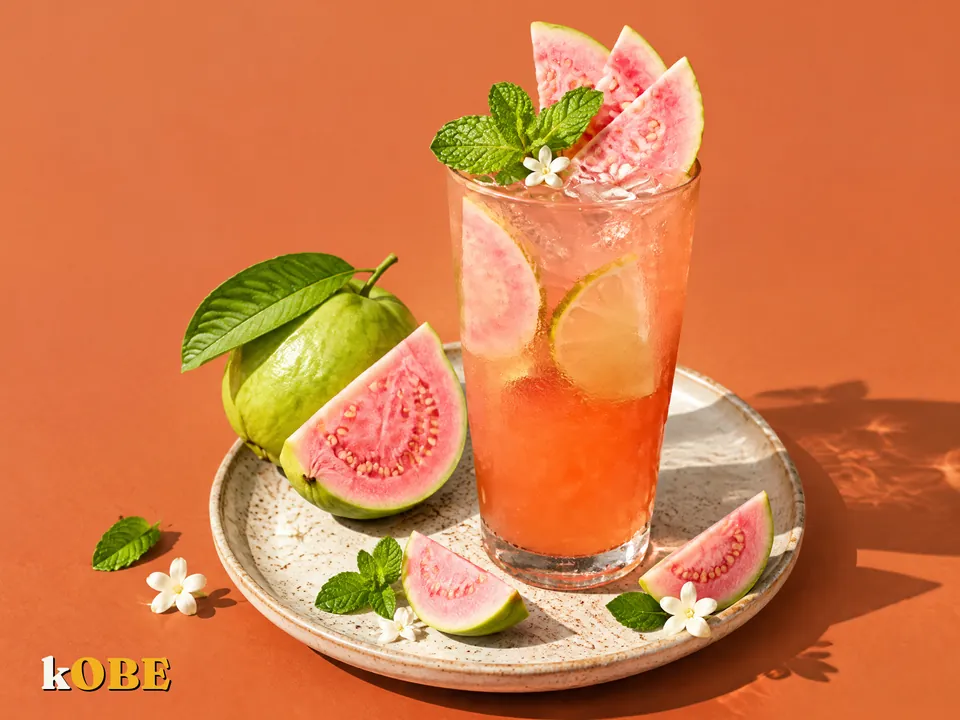
- Pink guava gets its color from lycopene, the same pigment that makes tomatoes and watermelon red.
- Vietnamese eat crunchy guava dipped in chili salt, juice pink guava, and enjoy varieties like xa li and nu hoang fresh. Skin and seeds are both edible.
Choosing and storing
For crunch, choose bright green, firm, smooth fruit. For soft and fragrant, choose fruit turning pale yellow with a clear aroma. Guava ripens fast at room temperature, softening in a day or two. The fridge keeps it crisp for a few more days. Eat cut guava right away, since vitamin C fades with air exposure.
Cooking it well
Guava is almost always eaten raw, which is also the best way to keep its vitamin C. Wash well and eat the skin, since the skin and the flesh just beneath it hold plenty of nutrients. Vitamin C helps your body absorb iron from plants, so a plate of guava after a meal with greens and beans is a great pairing. More on this in iron-rich foods and absorption.
Frequently asked questions
Do I need to peel guava?
No. The skin is thin, edible and full of fiber; just rinse it well under running water.
Can I eat guava seeds?
Yes, the seeds are hard but safe to swallow. If your teeth are sensitive or you dislike them, you can scoop out the seedy core.
Related articles
Where is the iron? Popeye, cast-iron pans and a plate of guava after dinner →Does cooking destroy vitamin C? Some of it, and here is how to keep the most →How much fiber per day? The 25g target, and why one plate of greens is not enough →Vitamins and minerals: a tiny treasure chest already sitting on your dinner table →