Data source: USDA FoodData Central, SR Legacy, FDC 170172 (Nuts, coconut milk, raw (liquid expressed from grated meat and water)).
Fun facts
- Coconut milk is not the water inside a coconut. Grated mature coconut is mixed with warm water, then squeezed to get a milky white liquid.
- The first squeeze gives thick, rich cream; later squeezes with more water give a thinner milk. The numbers on this page are for fresh-pressed milk: 230 kcal and 23.8g of fat per 100g.
- Put coconut milk in the fridge and a layer of fatty cream rises and sets on top, because coconut fat is mostly saturated.
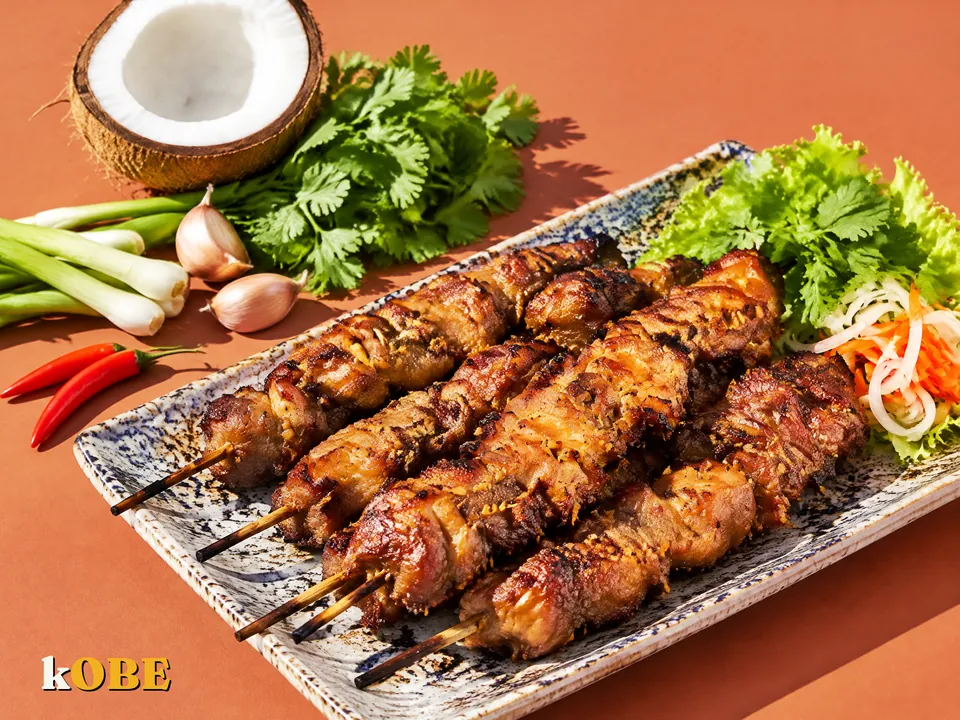
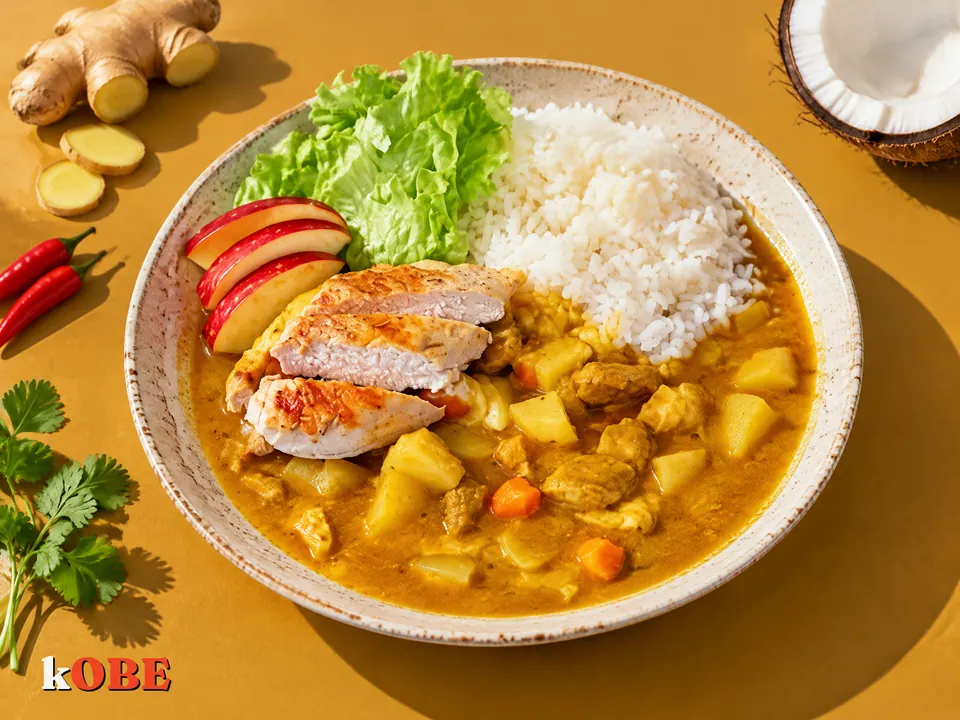
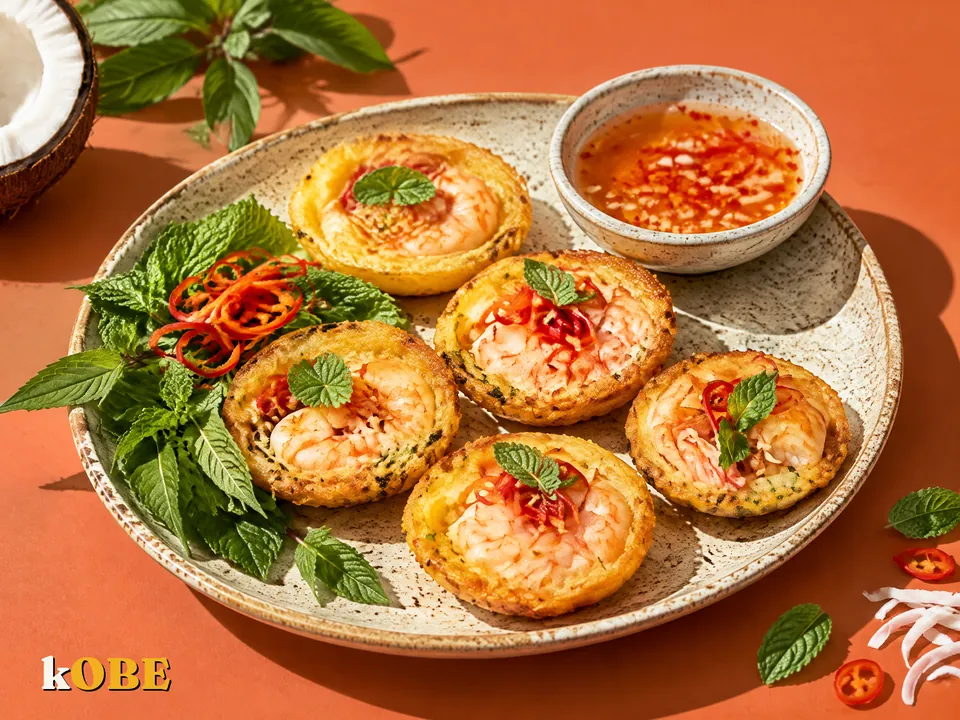
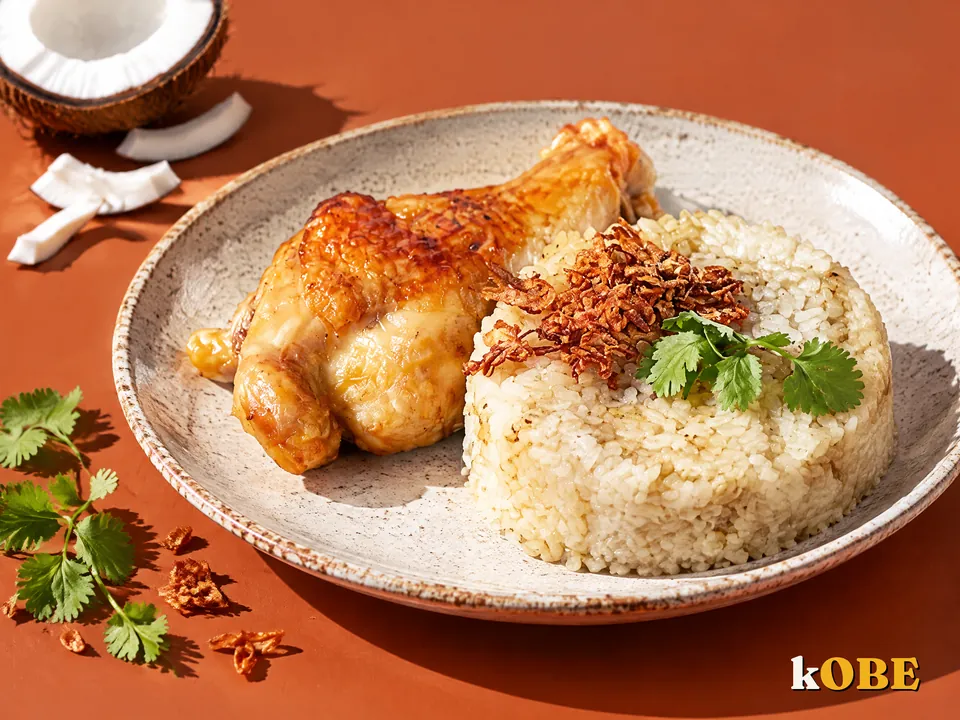
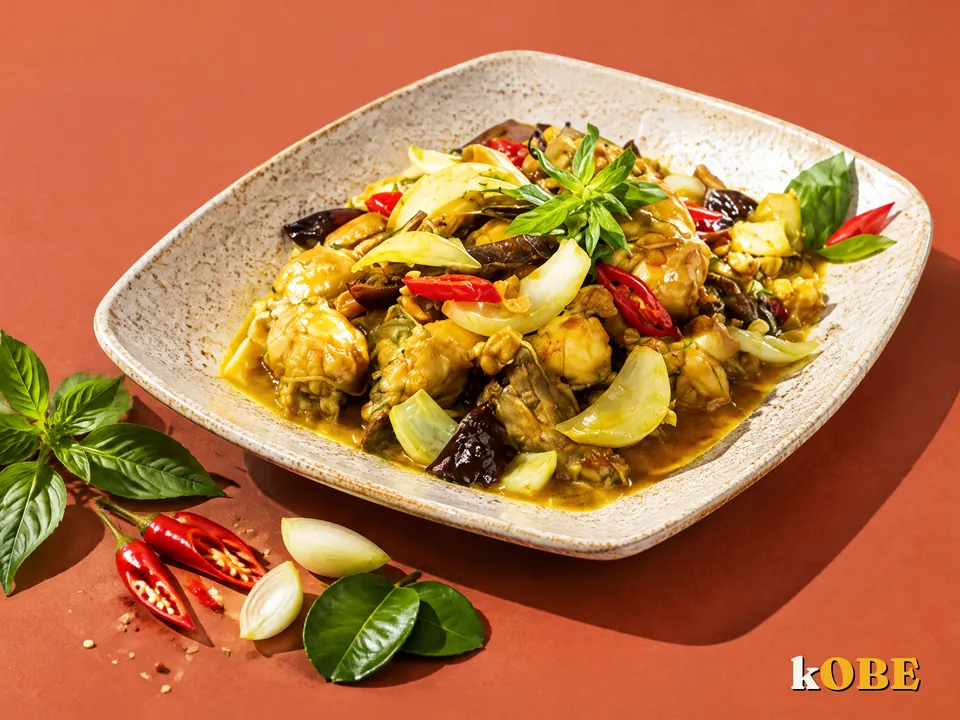
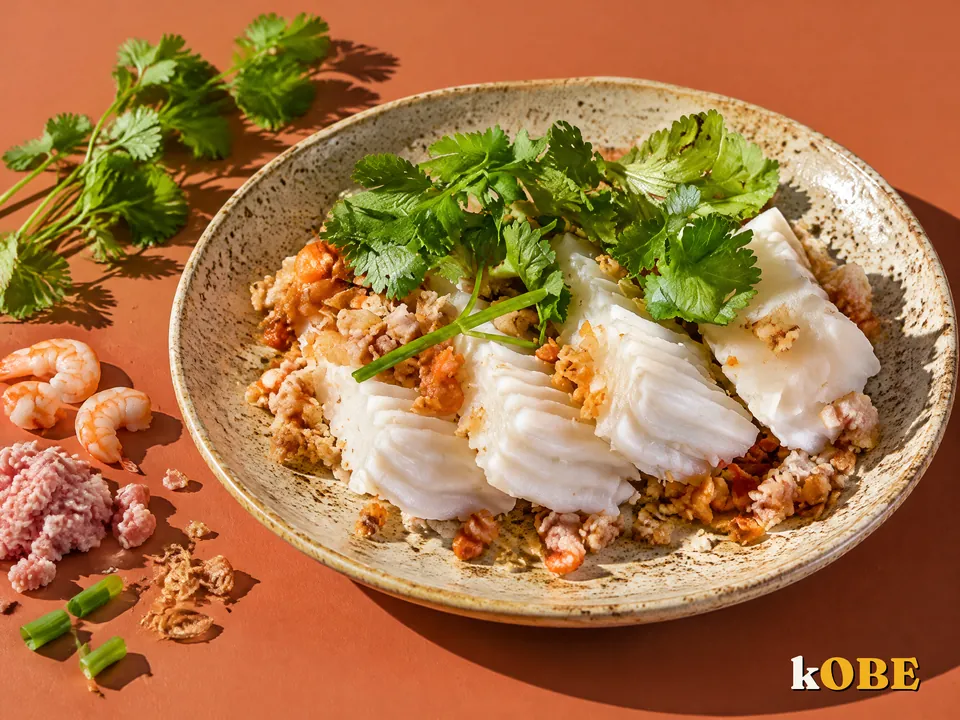
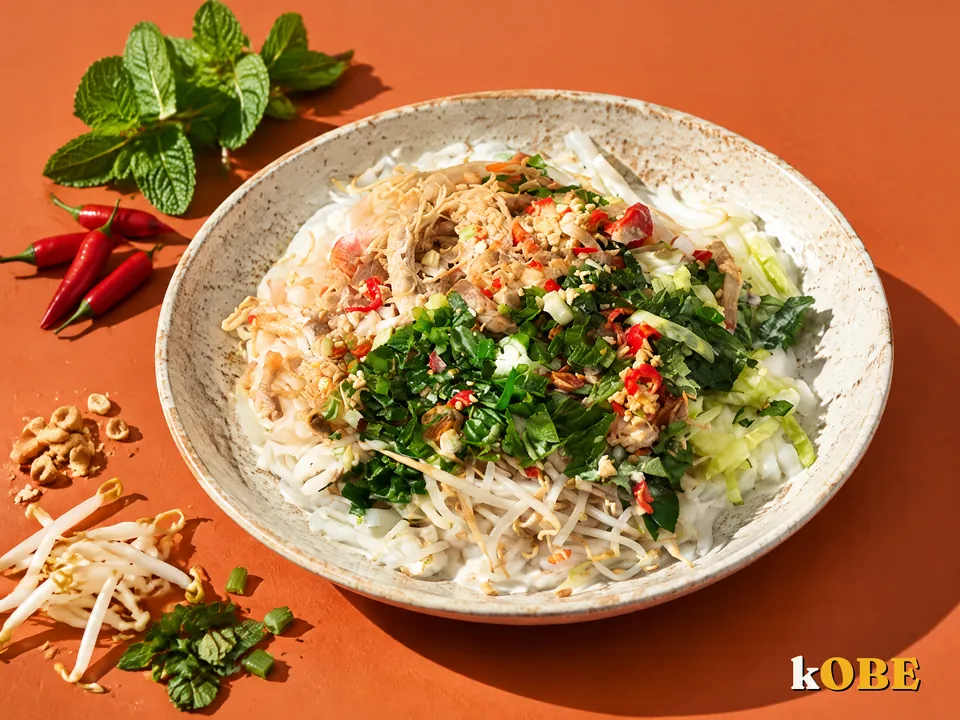
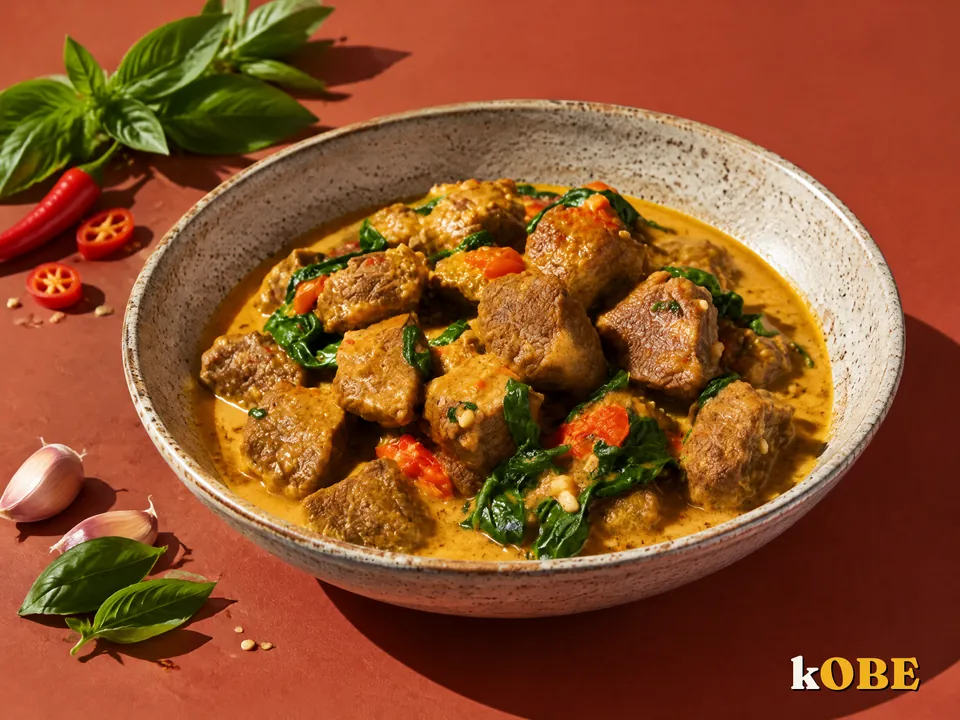
- It is shared across Southeast Asia: sweet soups, sticky rice, banh xeo, curries and Mekong-style braises. At kOBE, coconut milk appears in 150 recipes.
Choosing and storing
Fresh coconut milk smells gently sweet, looks opaque white and never sour. It spoils quickly, so refrigerate and use within a day or two, or freeze it in ice cube trays. Canned coconut milk is handier, but check the ingredient list, since some add sugar, milk powder or thickeners. Move leftovers from an open can into a glass jar and use them soon.
Cooking it well
Add coconut milk near the end and keep the heat low, because a long hard boil can make it split and turn grainy. Taste before adding sugar: coconut milk already tastes sweet and rich, so a sweet soup may need less sugar than you think. Since it is calorie-dense, a few spoons of thick cream often flavor a whole pot; you can stretch it with water or unsweetened plant milk. To see how saturated fat differs from other fats, read saturated vs unsaturated fat.