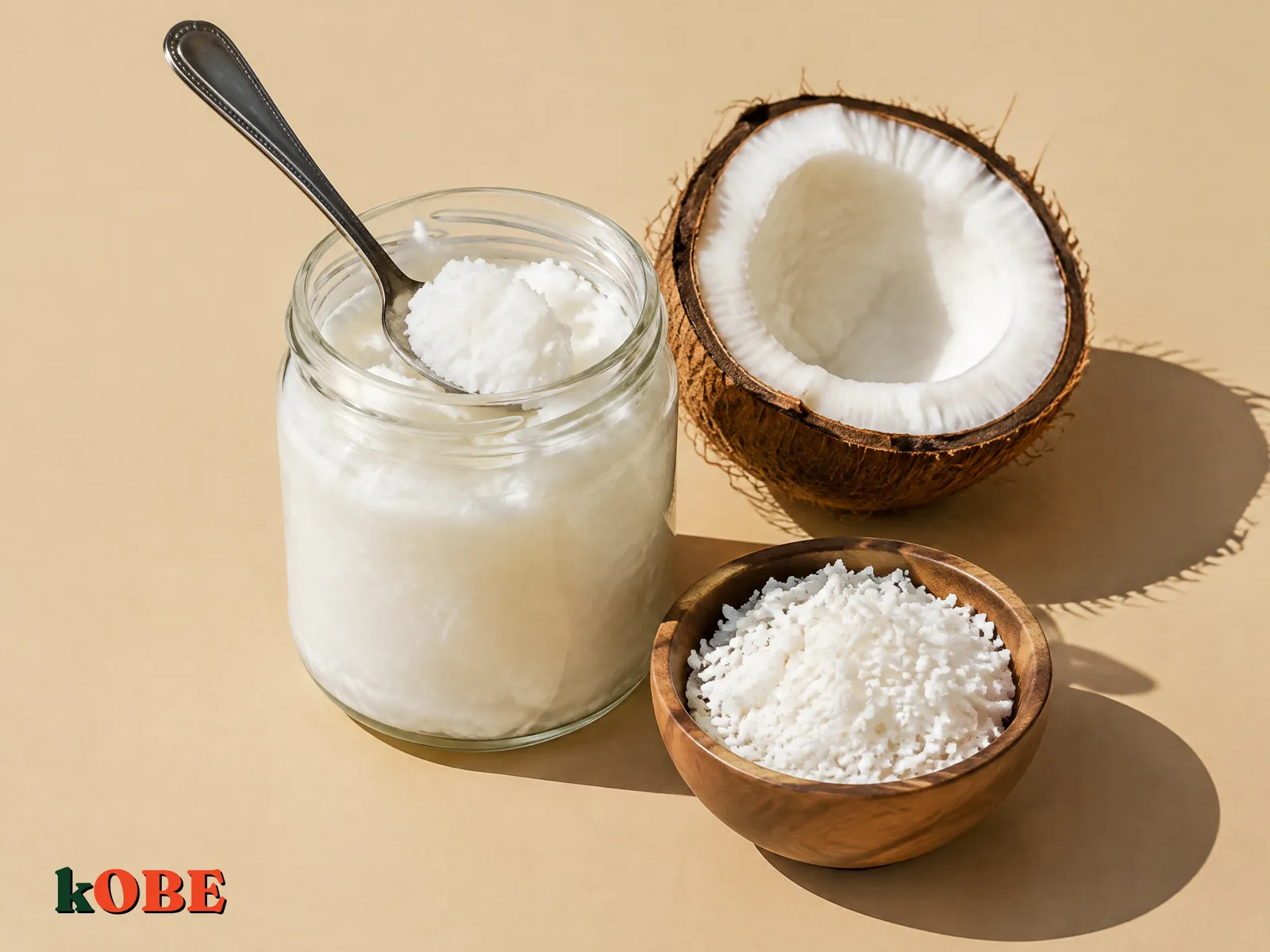
Ten years ago, coconut oil was a star. People fried with it, stir-fried with it, stirred it into coffee, even swished it around their mouths every morning. Social media called it a "super oil".
A few years later, the news flipped. A foreign expert called coconut oil "pure poison", a line that caused a stir everywhere.
Vietnamese cooks were left confused. Coconut milk has been in chè (sweet dessert soups), curry, thịt kho (caramelised braised pork) and bánh khọt (mini crispy rice pancakes) for generations. So is coconut good or bad? The answer, as usual, sits in the middle.
In this article
Just how rich in saturated fat is coconut oil?
The first thing to know: coconut oil is one of the fats with the highest share of saturated fat in the kitchen.
| Per 100g of fat | Saturated fat, roughly |
|---|---|
| Coconut oil | 82g |
| Butter | 51g |
| Palm oil | 49g |
| Lard | 39g |
| Soybean oil | 16g |
| Olive oil | 14g |
Yes, coconut oil is more saturated than even lard. That is why it turns solid in cold weather or in the fridge.
To picture it: the WHO advises keeping saturated fat below 10% of total daily energy. For someone eating about 2,000 kcal, that is around 22g. One tablespoon of coconut oil already has about 11 to 12g of saturated fat, half of that amount.
Why was coconut oil once so celebrated?
The praise for coconut oil usually rests on two points. Both hold a grain of truth.
The first is the MCT story. MCTs (medium chain triglycerides) are medium-chain fats. The body absorbs and uses MCTs faster than long-chain fats. Some studies on pure MCT oil have produced interesting results.
But one detail often gets skipped. The main fatty acid in coconut oil is lauric acid, making up nearly half. Lauric acid sits on the borderline, and in the body it behaves more like a long-chain fat. The "true" MCTs such as C8 and C10 make up only a small part. So results from pure MCT oil do not transfer directly to coconut oil.
The second is the story of coconut-eating communities. Some Pacific Island communities eat a lot of coconut and stay healthy. But they eat the coconut flesh, fish and vegetables, move a lot and eat little processed food. That is a far cry from adding a few spoonfuls of coconut oil to a modern diet.
What science is fairly sure of, and what is still debated
Fairly sure:
- In 2020, a review pooling clinical trials was published in Circulation. Compared with unsaturated plant oils, coconut oil clearly raised LDL cholesterol. It also raised HDL cholesterol.
- In 2017, the American Heart Association advised against using coconut oil as a "healthy" fat, and recommended replacing saturated fat with unsaturated fat.
Still debated:
- Whether the rise in HDL makes up for the rise in LDL. For now, most experts still consider LDL the more important marker.
- The effect of whole coconut foods, like coconut flesh or coconut milk in traditional meals, compared with refined coconut oil. Data are still limited.
"Pure poison" is an exaggeration. So is "super oil". Coconut oil is a saturated fat, and should be used like other saturated fats: in moderation.
So what about coconut milk in Vietnamese food?
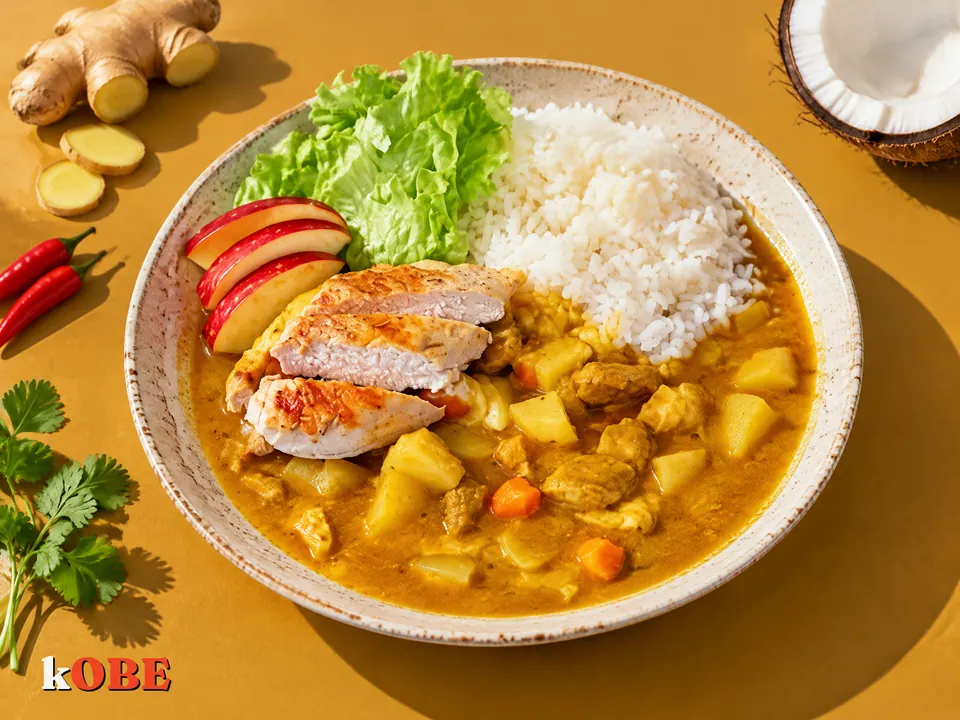
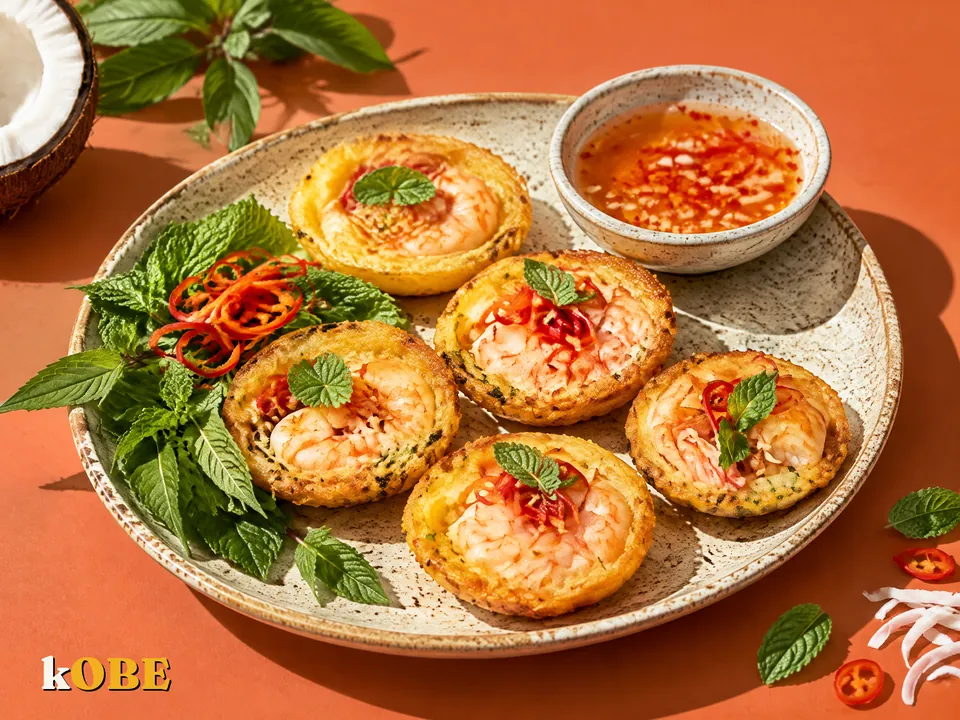
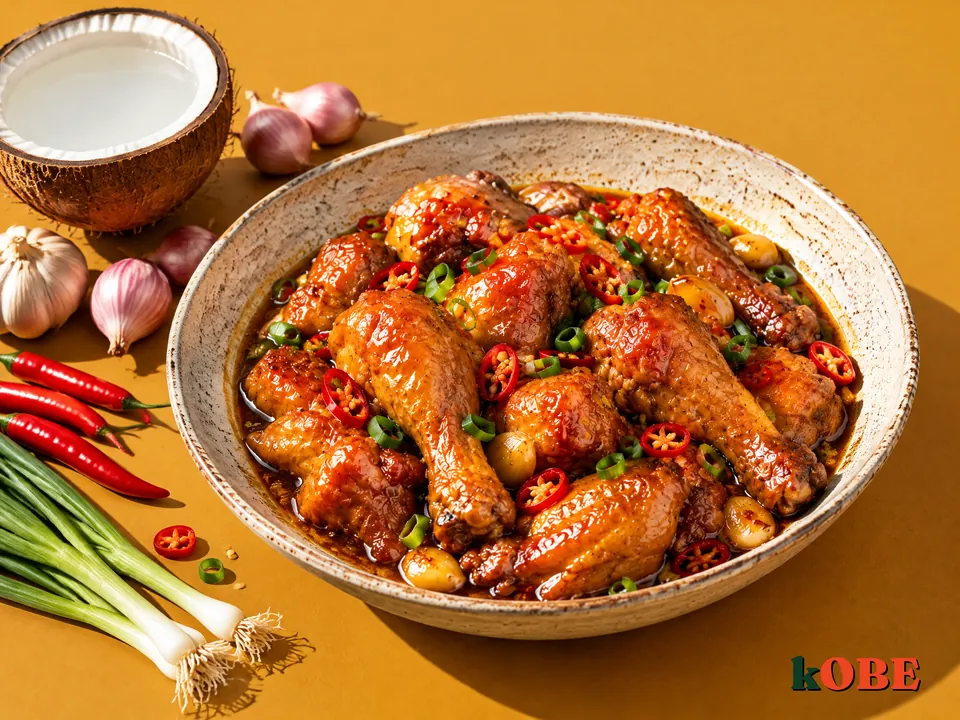
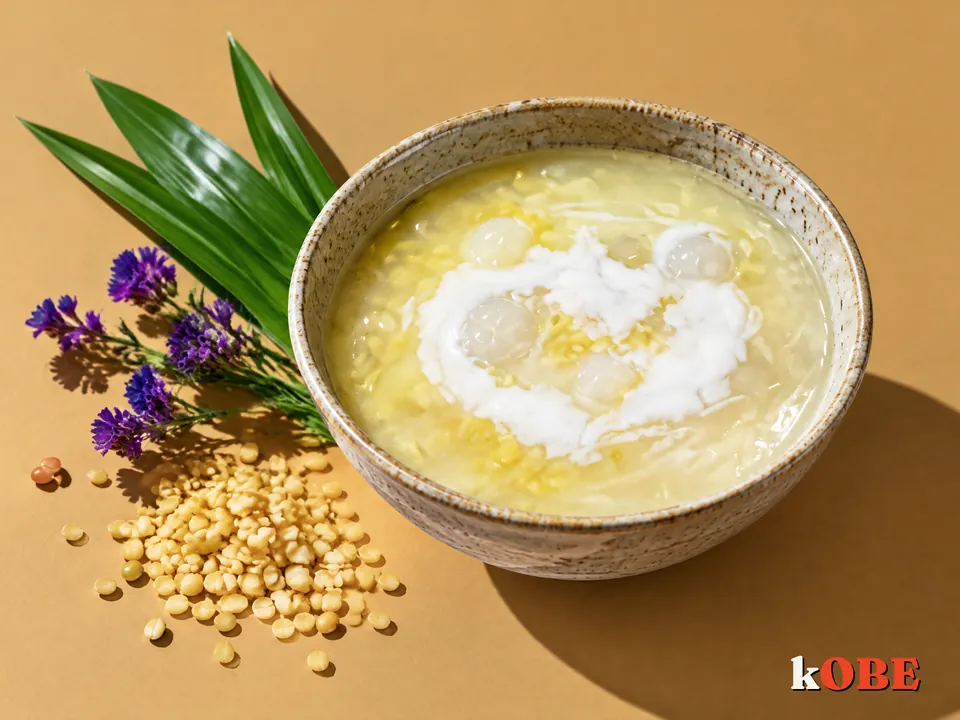
Coconut milk is the soul of chè bà ba (sweet potato and taro coconut dessert), cà ri gà (chicken curry), bánh khọt and thịt kho nước dừa (pork braised in coconut water). Nobody wants to give that up.
The good news is you do not have to. Just remember:
- Coconut milk is fat, mostly saturated fat. Think of it as a rich seasoning, not a broth.
- Fresh coconut water is different from coconut milk. The water inside the fruit has almost no fat, just water and a little sugar. Many braised dishes only need fresh coconut water.
- Use a moderate amount. A spoonful of coconut cream drizzled over chè is fragrant enough. No need for half a can.
- Balance it across the day. Coconut curry at lunch? Choose something steamed or boiled for dinner.
Which oil should you cook with?
For everyday stir-frying and cooking, nutrition organisations usually suggest favouring unsaturated plant oils: olive oil, soybean oil, rapeseed (canola) oil, sesame oil, peanut oil.
Coconut oil has its own lovely aroma, great in some baking and in Thai or Indian dishes. You can still use it now and then, as a flavour, not as your main cooking oil.
And whatever the oil, the amount still matters. A tablespoon of any oil has about 120 kcal.
Inside the kOBE kitchen
We choose our oil by dish. Japanese, Purple and Honey Sweet Potatoes are roasted with a little olive oil. Sesame Kale is massaged with sesame oil and toasted sesame, namul style.
For creamy sauces, we make kOBE Signature Lean Mayo. Regular mayo can be up to about 75% oil, while the 80% version of Lean Mayo has 8.7g fat per 100g and is still thick and clingy like regular mayo.
As for coconut milk, you will find it in many chè and curry recipes on the kOBE site, each listing calories and fat per 100g. See more ingredients on the Ingredients page.
Frequently asked questions
Is cold-pressed coconut oil different from refined coconut oil?
Is drinking coconut oil every morning good for you?
Should people with high cholesterol use coconut oil?
Keep reading
Sources
- Neelakantan N., Seah J.Y.H., van Dam R.M. (2020). The effect of coconut oil consumption on cardiovascular risk factors: a systematic review and meta-analysis of clinical trials. Circulation 141(10):803 to 814.
- Sacks F.M. et al. (2017). Dietary fats and cardiovascular disease: a presidential advisory from the American Heart Association. Circulation 136(3):e1 to e23.
- WHO (2023). Saturated fatty acid and trans-fatty acid intake for adults and children: WHO guideline.
- USDA FoodData Central: coconut oil, butter, lard, olive oil.
- Further reading: Food Lipids 2nd ed.; Nutrition: Concepts and Controversies 16th ed., chapter 5.