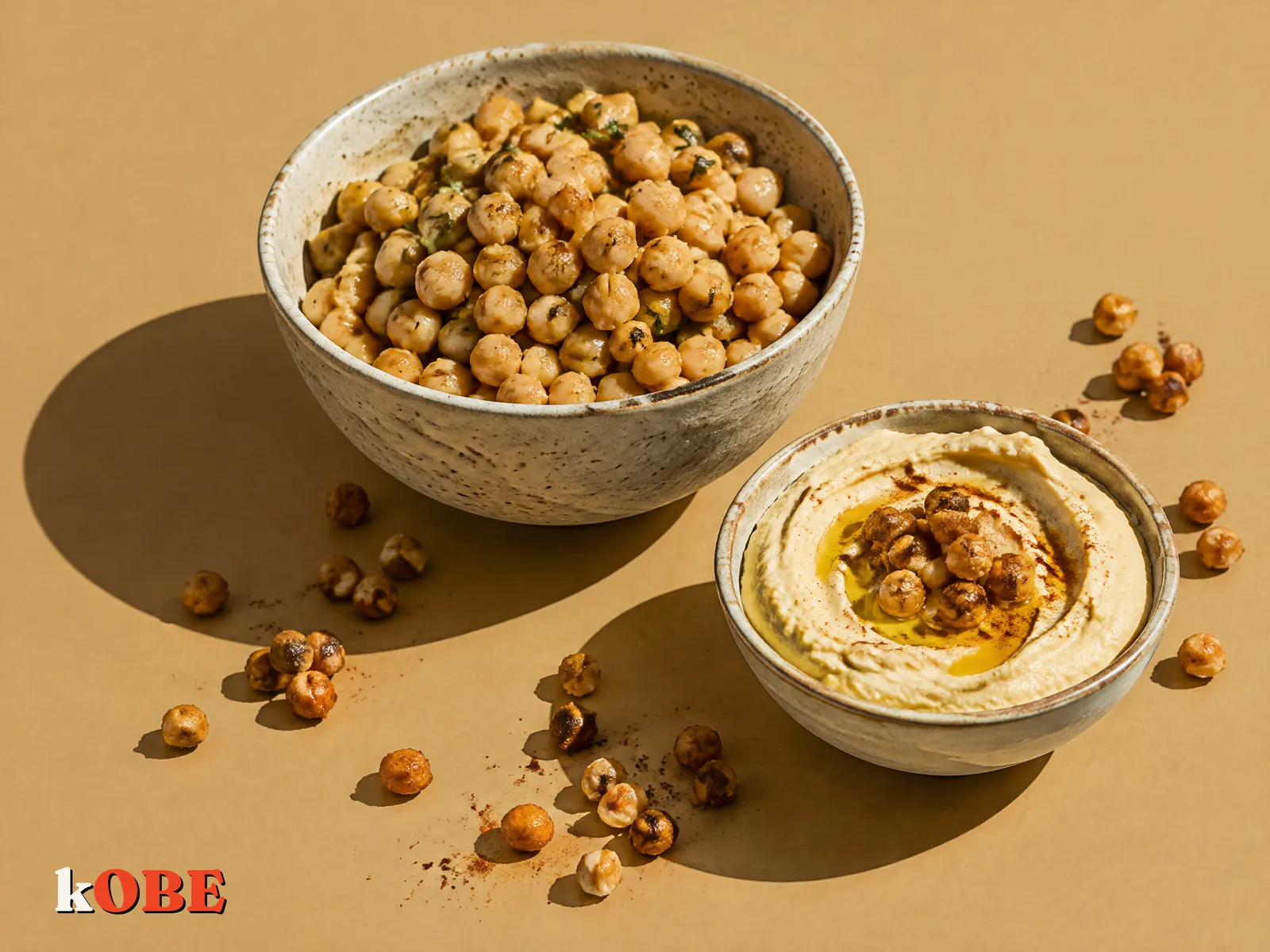
The first time people see a chickpea, many of them laugh. It's round, cream colored, with a little "beak" poking out. From the side it looks just like a baby chick's head.
In Vietnamese, chickpeas are called đậu gà, literally "chicken beans", and people often say the name comes from exactly that shape. The English name chickpea, funnily enough, has nothing to do with chickens. It comes from the Latin cicer, the name for this bean back in Roman times.
This little bean is one of the earliest legumes humans ever farmed. And there's more to it than meets the eye.
In this article
A bean that traveled the world
Chickpeas were domesticated in the Middle East in the Neolithic era, thousands of years ago. From there they spread to India, the Mediterranean, and then everywhere.
Each place turned them into a national treasure:
- Middle East: hummus (chickpeas mashed with sesame and lemon), falafel (fried chickpea balls).
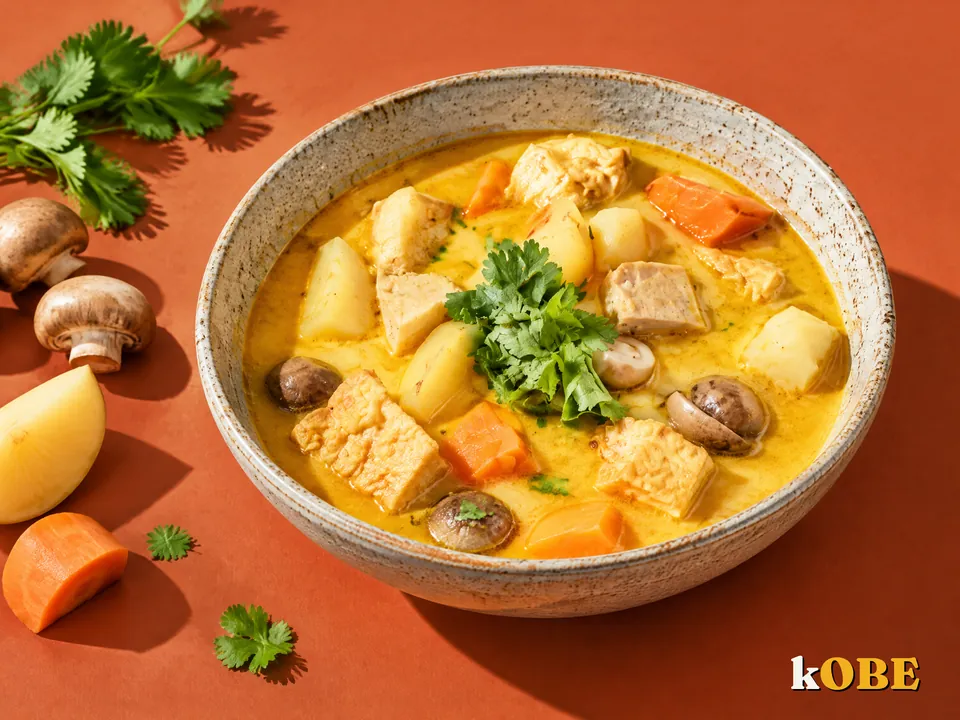
- India: chana masala, a rich chickpea curry.
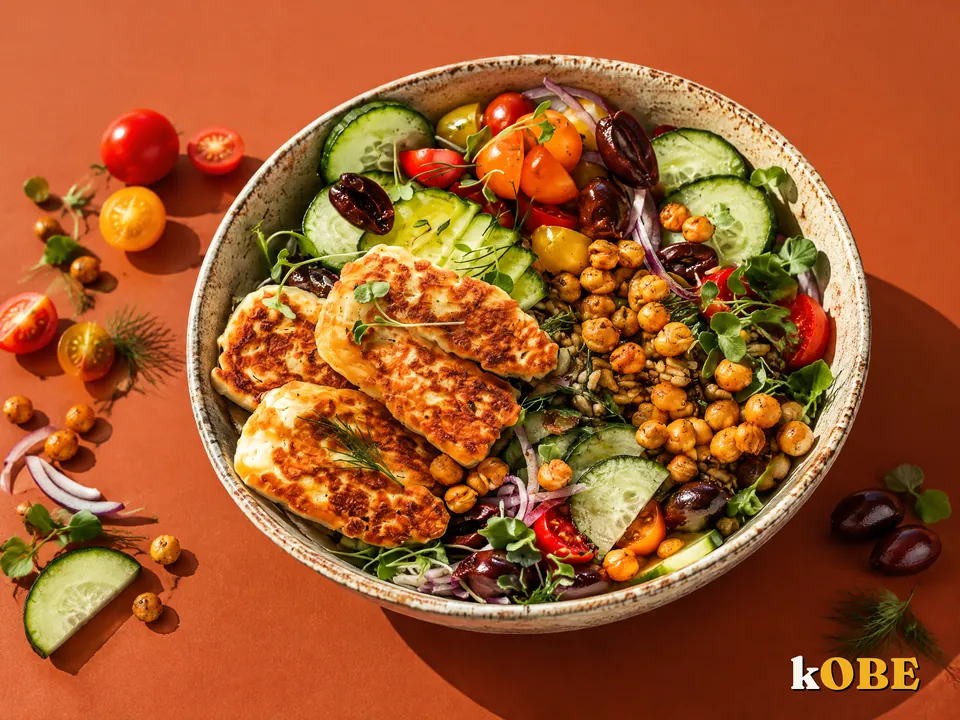
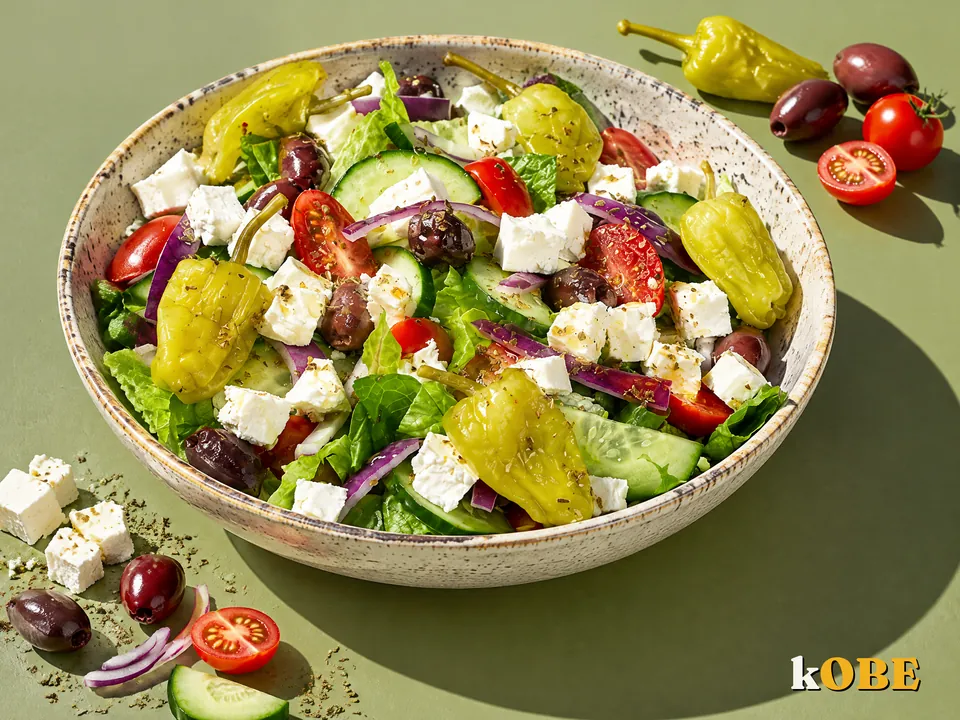
- Mediterranean: chickpea salads, chickpea soups.
There are two main groups. The big, cream-colored kind is kabuli, the one usually sold in Vietnam. The small kind with a dark brown skin is desi, common in India.
What's in 100g of cooked chickpeas?
According to the USDA food database, 100g of boiled chickpeas has about:
| Nutrient | Amount, about |
|---|---|
| Energy | 164 kcal |
| Protein | 8.9g |
| Starch and sugar (carbs) | 27.4g |
| Fiber | 7.6g |
| Fat | 2.6g |
To picture it: a bowl of cooked chickpeas, about 160g, has about 14g of protein. That's more than two eggs.
The fiber is the real highlight. 7.6g per 100g is a lot, many times more than a bowl of white rice. Chickpeas are also a meaningful source of folate, iron and manganese.
Both a protein and a starch
This is something many people haven't noticed. Chickpeas aren't a "pure protein" food like chicken breast. They bring protein and starch together, plus plenty of fiber.
Thanks to that trio, chickpeas are digested more slowly. The starch in the beans is "wrapped" in fiber and protein, so it releases sugar into the blood more gradually than white rice or white bread.
As for protein quality, chickpeas are a little low in methionine, like many other beans. Eat them with rice, bread or quinoa and the gap is filled right away. We tell that story in detail in Complete protein and plant protein.
Why do beans make you gassy?
It's true, and there's a clear reason.
Chickpeas contain a special group of sugars called oligosaccharides. The human small intestine can't break them down. They travel down to the large intestine, where gut bacteria ferment them and make gas.
A few tips to make things easier:
- Soak the beans overnight, then pour off the soaking water. Some of these sugars dissolve into the water.
- Cook them really soft. Beans that are still firm are harder to digest.
- Increase your portion gradually. Your gut needs time to adjust, and after a few weeks it gets much better.
- Drink enough water when you eat a lot of fiber.
How to cook chickpeas soft
Dried chickpeas are as hard as pebbles. But a little patience goes a long way:
- Soak for 8 to 12 hours in plenty of water. The beans will double in size.
- Simmer on low heat for about 1 to 1.5 hours, or use a pressure cooker to speed things up. Timing depends on the beans and the pot.
- Test by squeezing a bean. If it mashes smoothly with a gentle press between two fingers, it's done.
A fun fact: chickpea cooking water whips up just like egg white. It's called aquafaba. Vegan bakers use it instead of eggs to make meringue.
Eating them the Vietnamese way is easy too. Roast them crispy with a little chili salt as a drinking snack. Toss them into gỏi, Vietnamese herb salads, or any salad. Cook a vegetarian curry with coconut milk. Or mash them smooth into a dip for vegetables.
Inside the kOBE kitchen
Our Chickpeas are cooked so the beans stay firm, then frozen. Each 100g has 164 kcal, 8.9g of protein and 27.4g of carbs.
That means you get to skip the hardest part: soaking all night and boiling for an hour. Thaw in the fridge overnight, or reheat in the microwave on low, and you have a handful of beans ready for lunch.
We also use chickpeas as the base of our Vegan Chickpea Sweet Roots Poke, served with Lean Mayo, Vegan. And if you like mixing your own, a handful of chickpeas with Red Brown Rice is a textbook grain and bean couple.
Frequently asked questions
Can I use canned chickpeas?
Is it okay to eat chickpeas every day?
Can chickpeas replace meat?
Keep reading
Sources
- USDA FoodData Central, SR Legacy: Chickpeas (garbanzo beans), mature seeds, cooked, boiled, without salt.
- Wallace T.C., Murray R., Zelman K.M. (2016). The Nutritional Value and Health Benefits of Chickpeas and Hummus. Nutrients 8(12):766.
- Melina V., Craig W., Levin S. (2016). Position of the Academy of Nutrition and Dietetics: Vegetarian Diets. Journal of the Academy of Nutrition and Dietetics 116(12):1970 to 1980.
- Harvard T.H. Chan School of Public Health, The Nutrition Source. Legumes and Pulses.
- Further reading: Understanding Nutrition 16th ed., chapters 4 and 6; Plant-Based Sports Nutrition.