Data source: USDA FoodData Central, SR Legacy, FDC 168482 (Sweet potato, raw, unprepared (Includes foods for USDA's Food Distribution Program)).
Fun facts
- Sweet potatoes are not related to potatoes. They belong to the morning glory family, the same family as water spinach, and sweet potato leaves are a popular boiled vegetable in Vietnam.
- 100g of raw sweet potato has about 86 kcal, 20.1g of carbs and 3g of fiber. Its natural sweetness comes from about 4.2g of sugar, and roasting turns some starch into sugar, so baked sweet potatoes taste even sweeter.
- The USDA figures are for orange-fleshed sweet potato, which gives up to 709 µg of vitamin A per 100g. Yellow-fleshed Japanese and purple-fleshed types have less beta-carotene, while purple ones carry anthocyanin pigments.
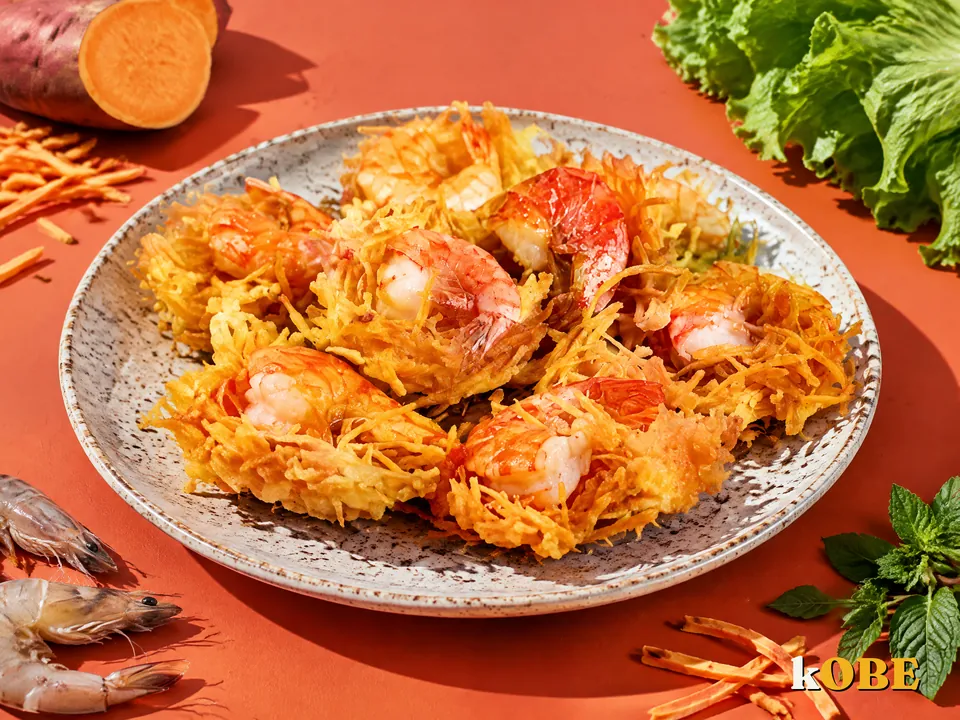
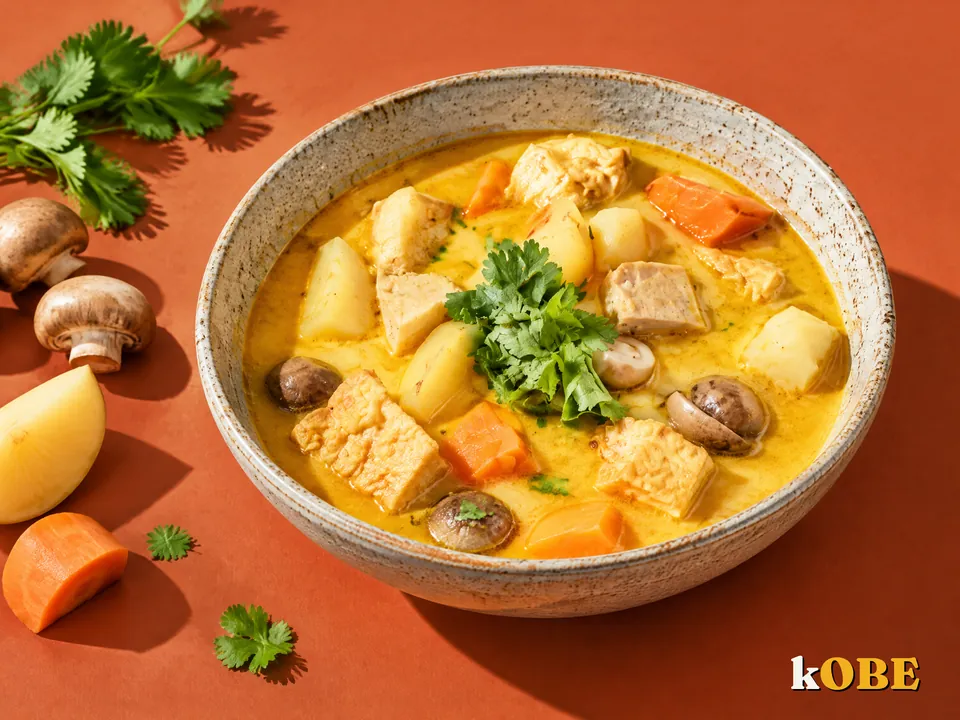
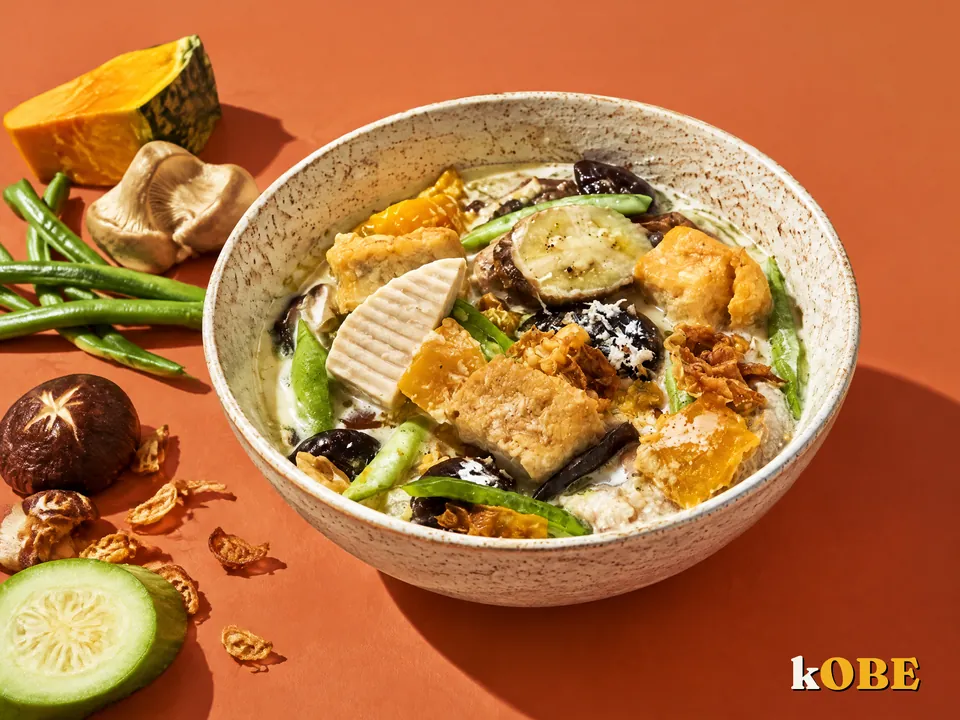
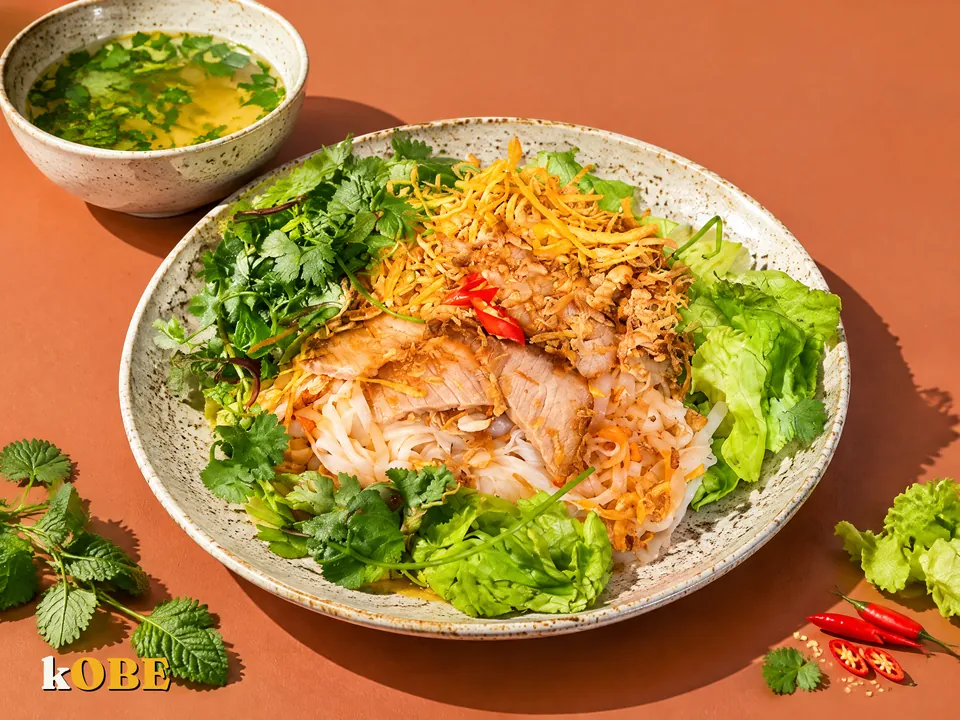
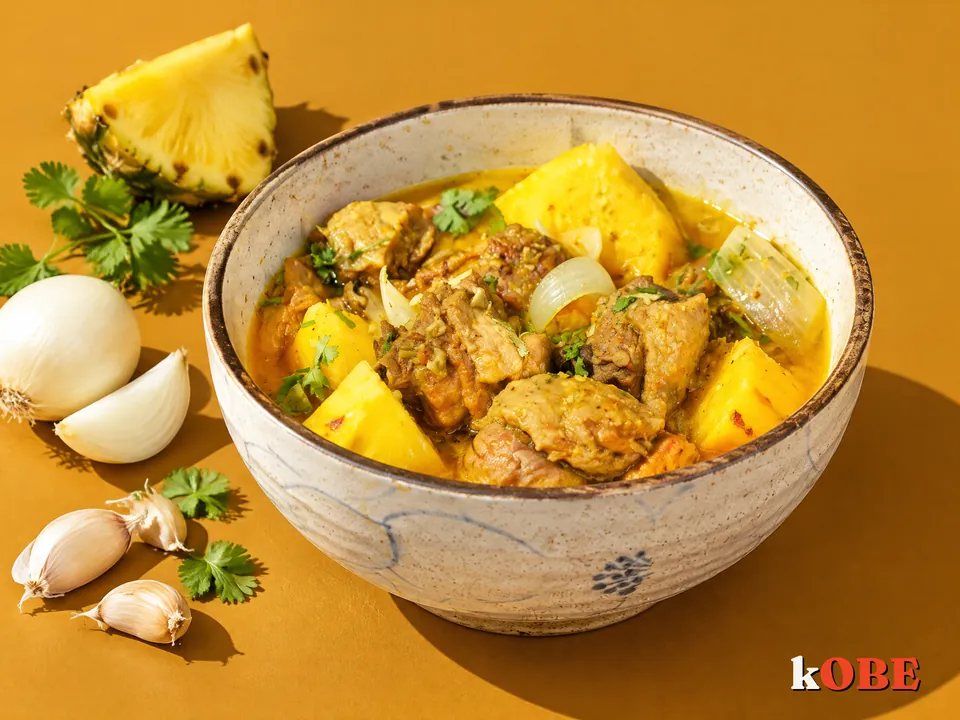
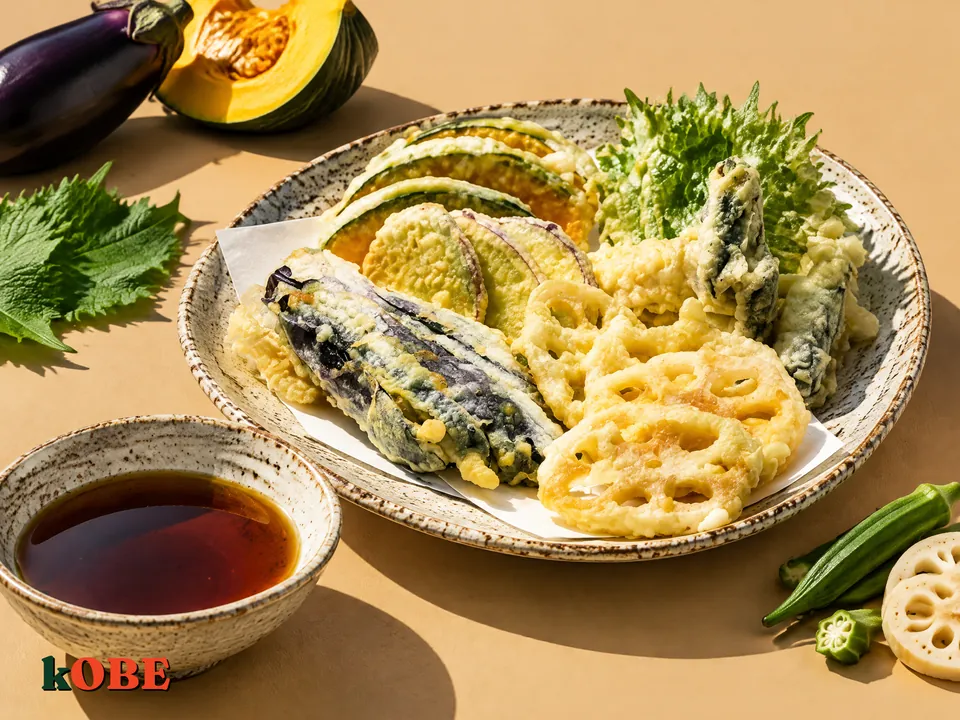
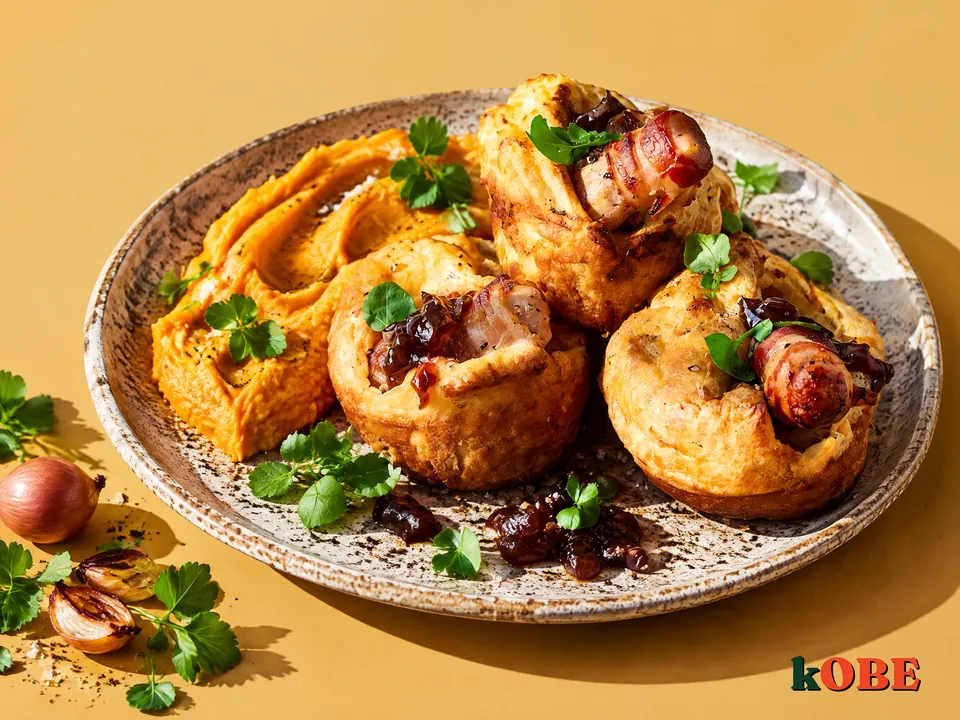
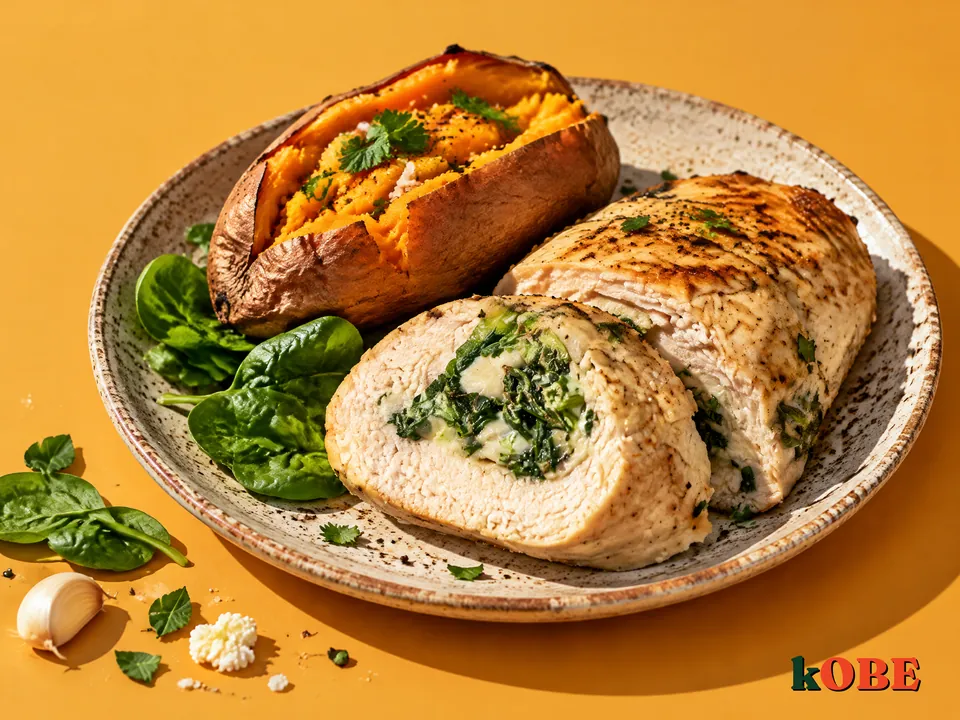
- In Vietnam, sweet potatoes are boiled, roasted, cooked into che sweet soup and baked into cakes. In the kOBE recipe library, sweet potato appears in 29 dishes.
Choosing and storing
Choose firm tubers with smooth skin and no dark spots, holes or sprouts. Keep them in a dry, cool, dark and airy place and use within a few weeks. Avoid putting raw sweet potatoes in the fridge, since the cold makes the core hard and less tasty once cooked. Cooked sweet potatoes go in a sealed box in the fridge or freezer.
Cooking it well
Boiling or steaming them whole with the skin on keeps plenty of nutrients, while roasting gives a deeper, sweeter flavor. The cooking method also affects how fast sugar reaches your blood, see boiled vs baked sweet potato and glycemic index. At kOBE, Japanese, purple and honey sweet potatoes are roasted with a little olive oil, diced and frozen, at 122, 114 and 139 kcal per 100g respectively.