Data source: USDA FoodData Central, SR Legacy, FDC 169957 (Mung beans, mature seeds, sprouted, raw).
Fun facts
- Bean sprouts are mung beans kept damp in the dark for a few days until they sprout. With no sunlight, the stems stay white instead of turning green.
- As they sprout, the beans make extra vitamin C, which dry beans have very little of. 100g of sprouts has about 13mg.
- 100g of bean sprouts has only about 30 kcal and 3g of protein, more than most leafy greens.
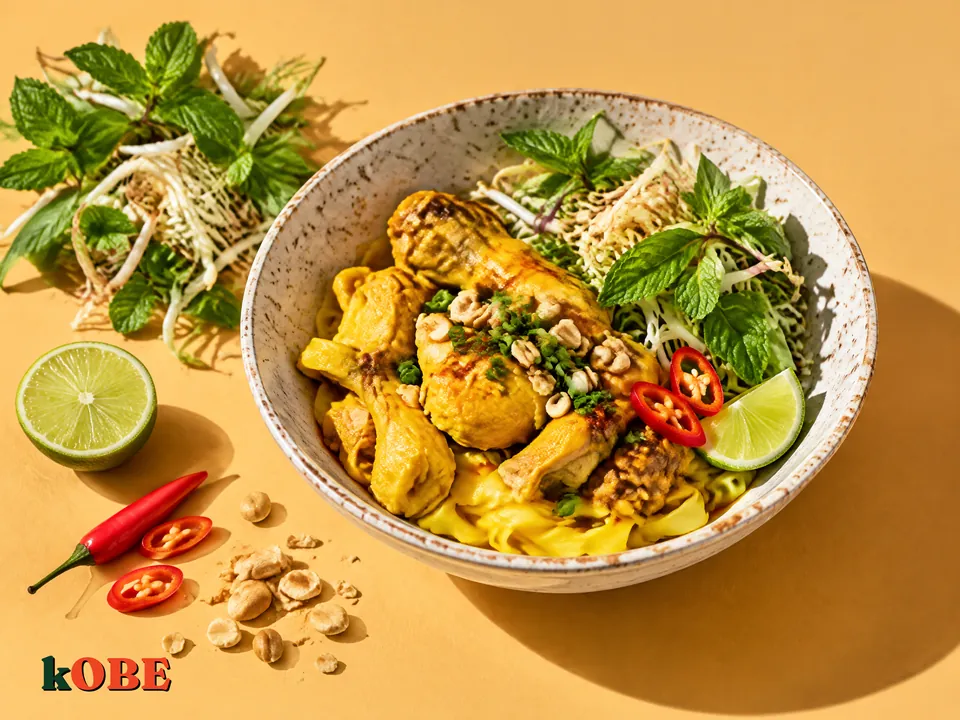
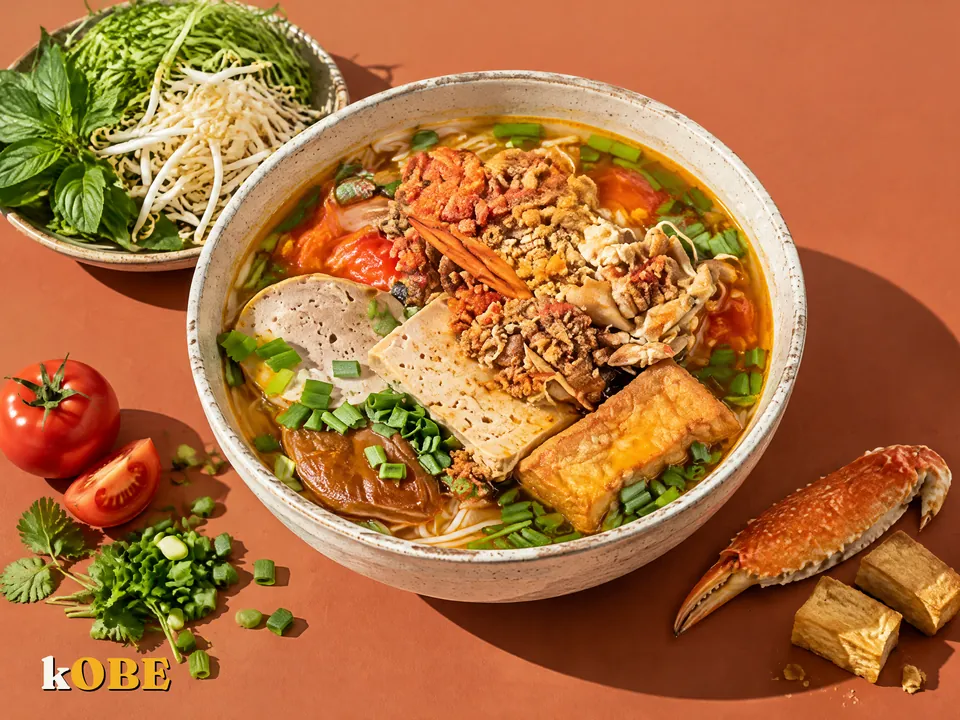
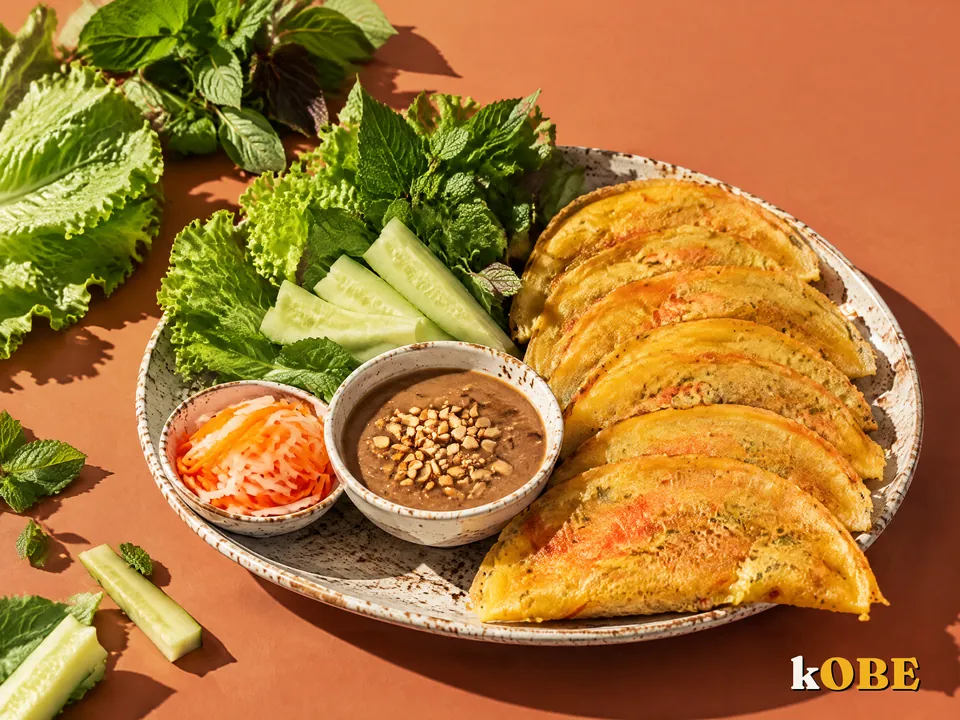
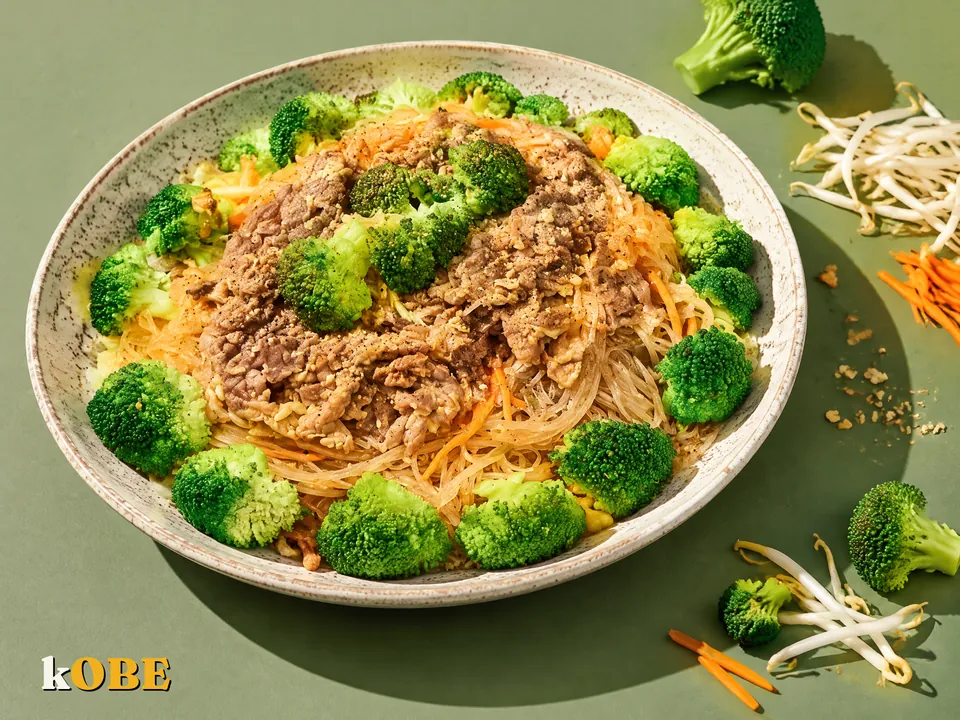
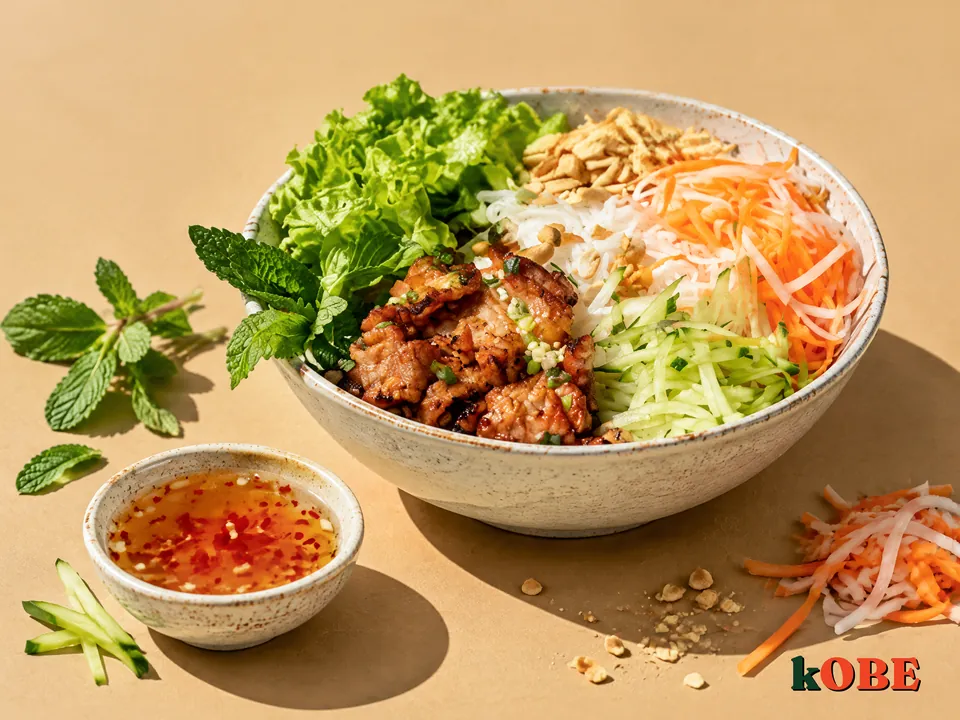
- Sprouts show up all over Vietnamese food: dunked in phở, rolled into bánh xèo, stir fried with beef, pickled as dưa giá.
Choosing and storing
Pick sprouts with ivory white stems, medium thickness, short roots and a light bean smell. Avoid ones that look oddly watery, have no roots at all, or smell sour or slimy. Sprouts spoil fast, so keep them in a paper lined box in the fridge and use within 1 to 2 days.
Cooking it well
Sprouts grow in warm, damp conditions that bacteria also love, so rinse them well under running water. Young children, older adults, pregnant women and anyone with weaker immunity should eat them cooked rather than raw. A stir fry needs just 1 to 2 minutes on high heat to cook them while keeping the crunch; longer and they go watery and limp. Vitamin C in sprouts fades with cooking, as we explain in does cooking destroy vitamin C.