Data source: USDA FoodData Central, SR Legacy, FDC 173734 (Beans, black, mature seeds, raw).
Fun facts
- Black beans get their color from anthocyanins, the same family of pigments that makes purple sweet potatoes purple. That is why the soaking and cooking water often turns deep purple.
- The numbers here are USDA values for dry, uncooked black beans: 100g has 341 kcal, 21.6g of protein, 15.5g of fiber and only 1.4g of fat.
- Potassium stands out too: 1,483mg per 100g of dry beans.
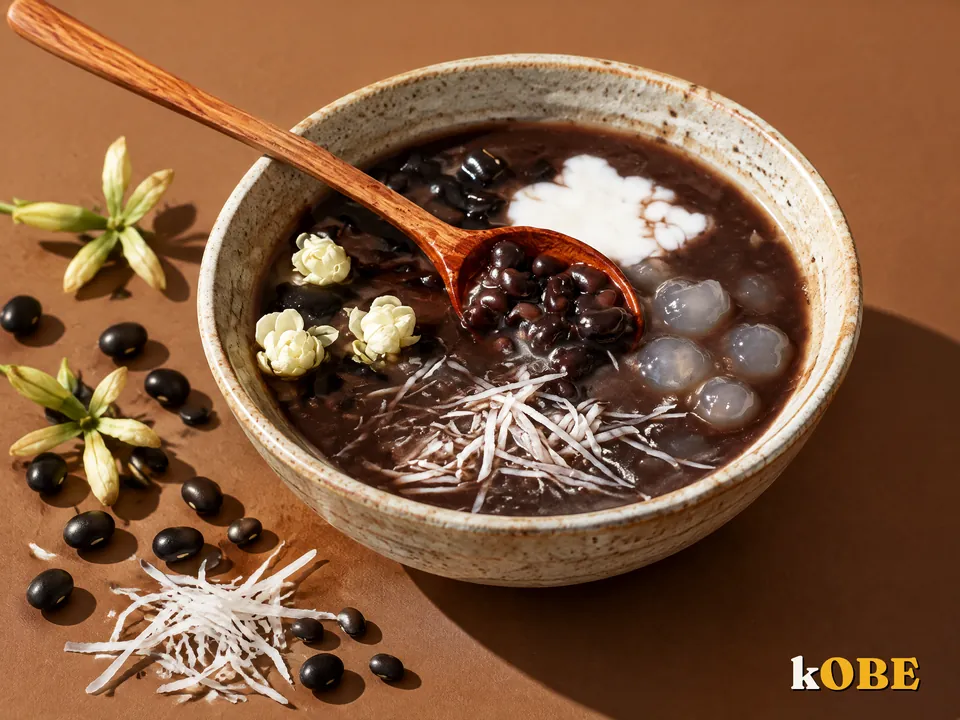
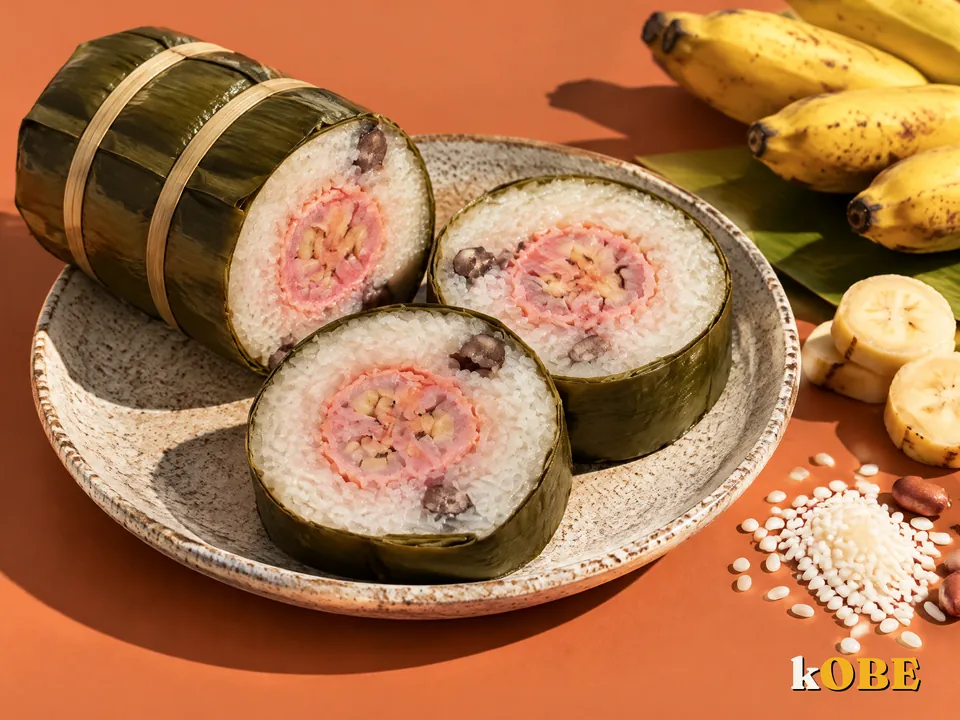
- The black beans common in Vietnam are usually the green-hearted kind, a slightly different bean from the one in the USDA table, so real numbers may differ a little. Vietnamese cooks use them in sweet soup, sticky rice and roasted bean tea.
Choosing and storing
Choose glossy, firm, even beans; if you split one and the inside is green, it is the green-hearted variety. Avoid wrinkled, faded beans or ones with weevil holes. Keep them in an airtight jar somewhere cool, dry and out of the sun. Cooked beans keep a few days in the fridge, or you can portion and freeze them.
Cooking it well
Soak overnight, drain the soaking water, then simmer gently until the beans are soft but still whole. Add a little salt, pandan leaves or a few slices of ginger depending on whether the dish is sweet or savoury. Cooked black beans work in salads, with rice or in soups. A bowl of beans adds a good chunk of fiber to your day; see How much fiber do you need a day?. Black beans appear in 2 kOBE recipes.