Data source: USDA FoodData Central, SR Legacy, FDC 174204 (Crustaceans, crab, blue, raw).
Fun facts
- Just like shrimp, crab turns from dark green blue to orange red when cooked. Heat releases the pigment astaxanthin, which a protein in the shell had been hiding.
- 100g of raw blue crab meat (a close cousin of the swimming crabs sold in Vietnam) gives about 87 kcal, 18.1g of protein and only 1.1g of fat. Calcium is about 89mg, quite high compared with fish.
- Crab meat has about 293mg of sodium per 100g, more than most fish. Keep that in mind when dipping it in salt, pepper and lime.
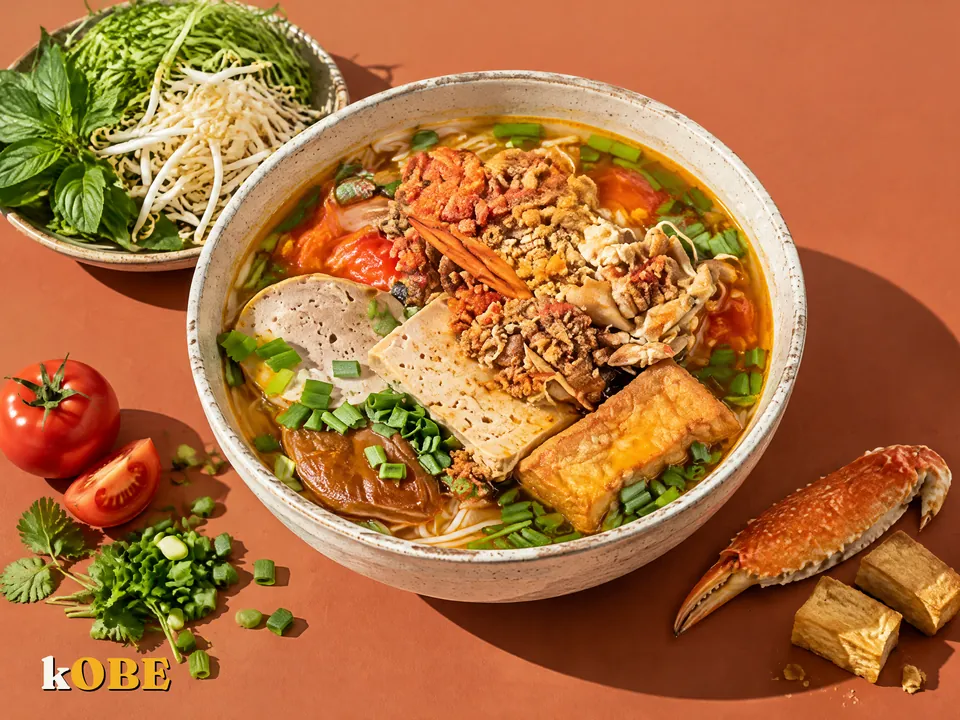
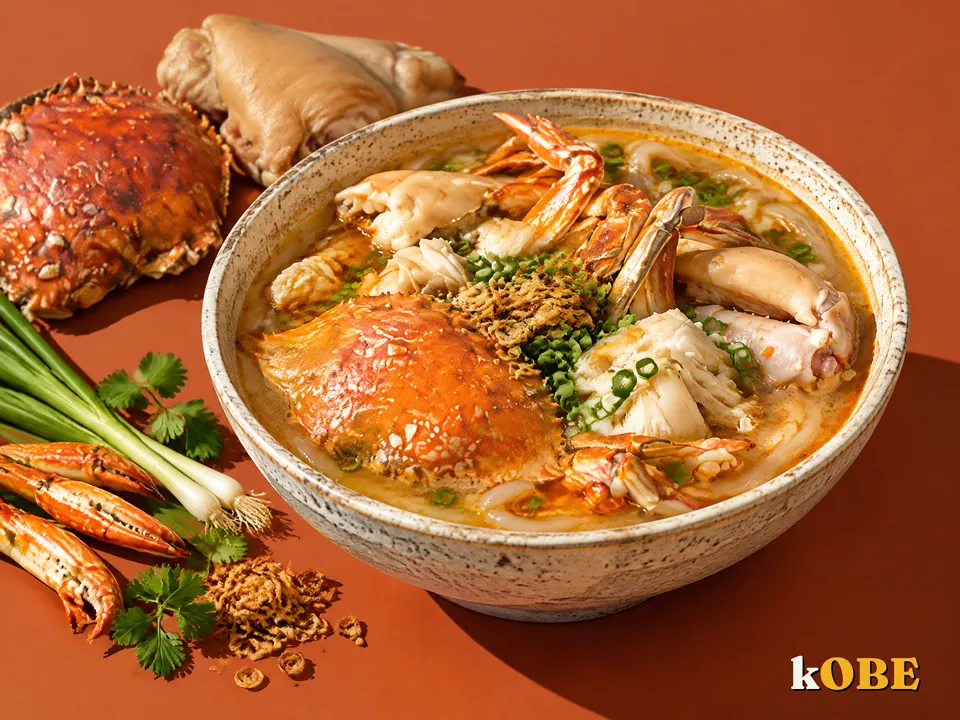
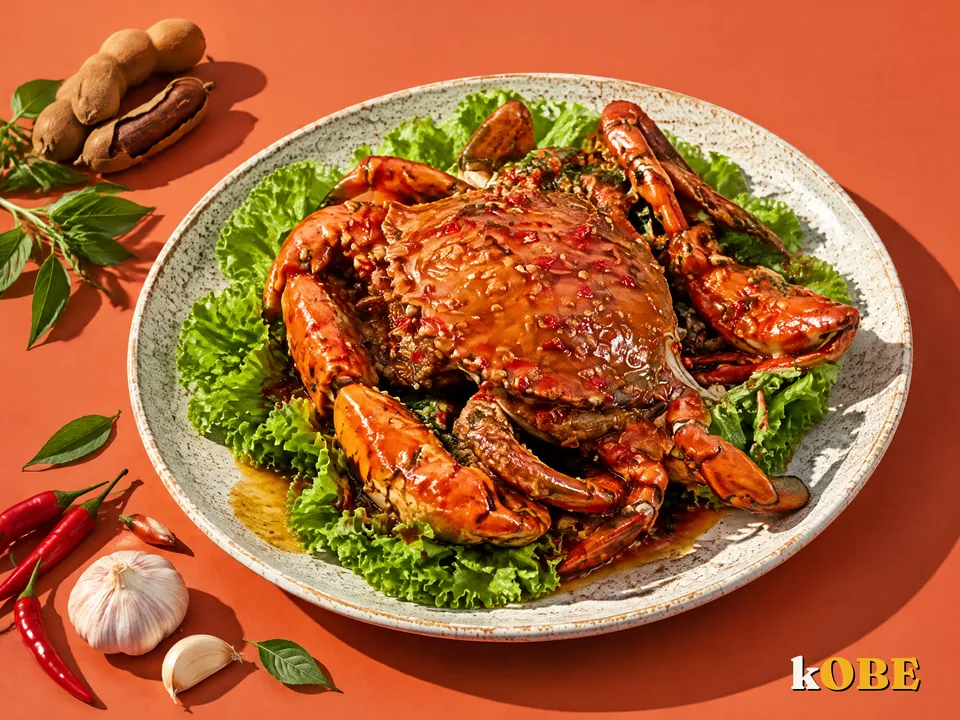
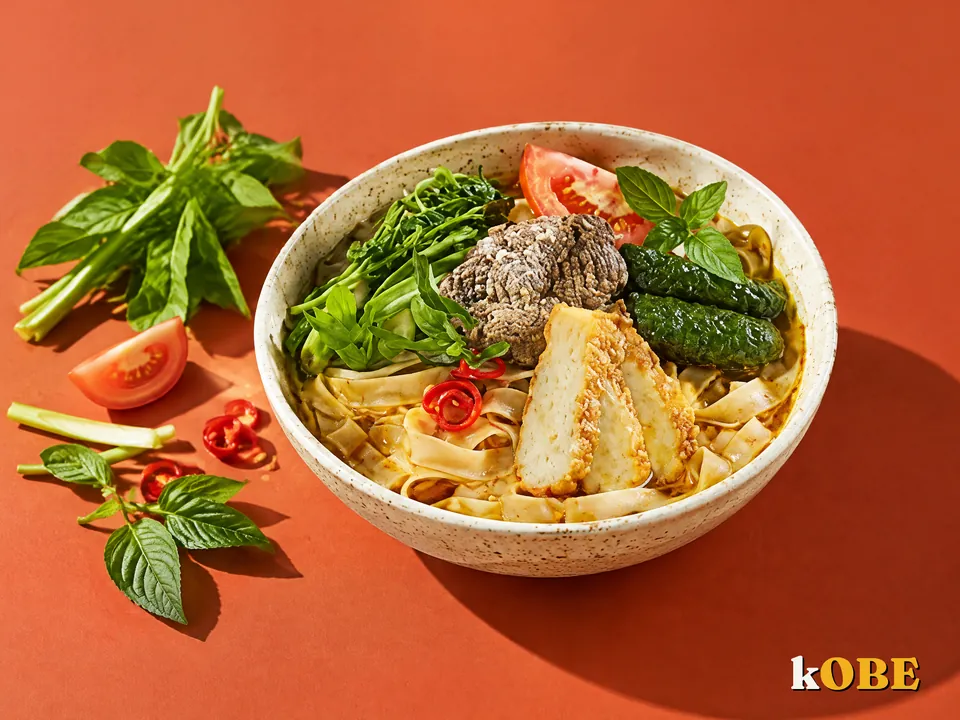
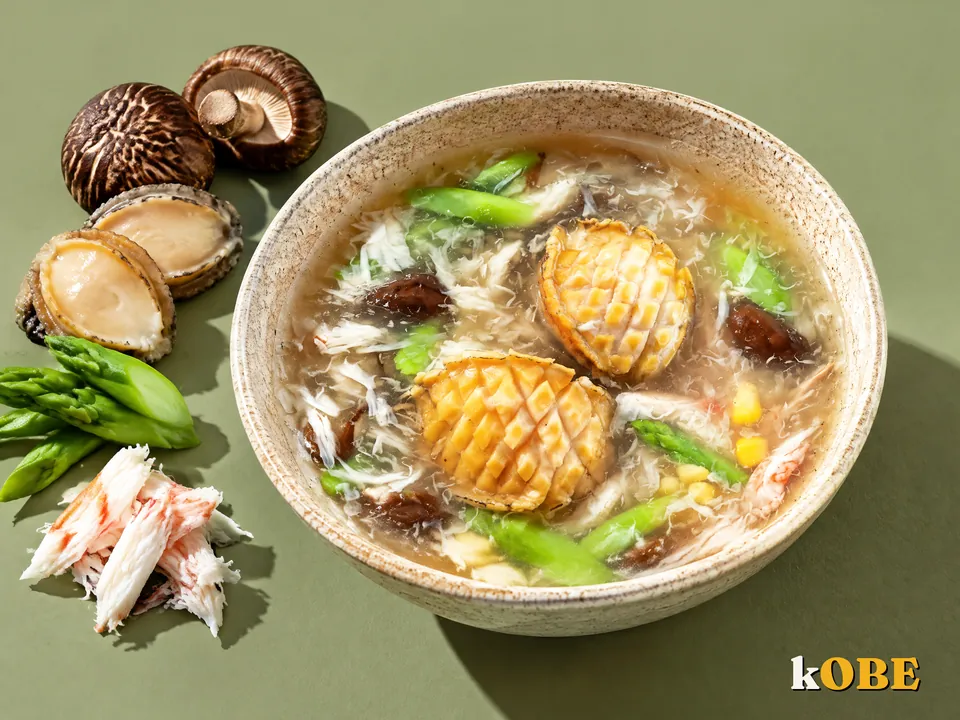
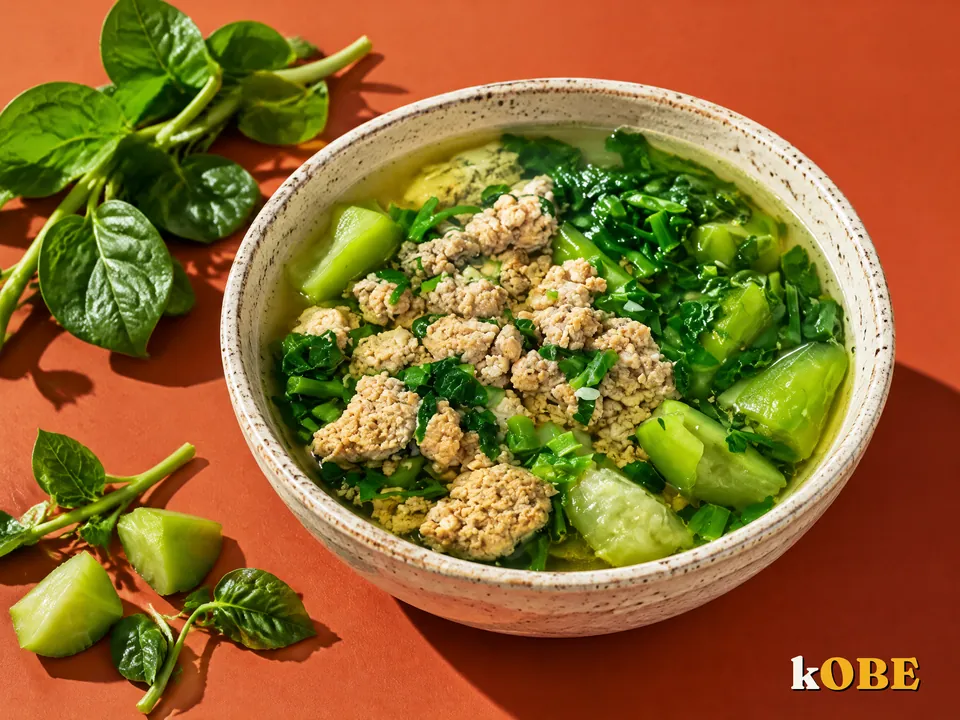
- Vietnamese cooks pound paddy crabs for jute leaf soup and crab noodle soup, stir fry mud crabs with tamarind, and steam swimming crabs to dip in salt, pepper and lime. Crab appears in 29 recipes in the kOBE recipe bank.
Choosing and storing
Pick crabs that are alive and lively, with legs and claws moving strongly, and that feel heavy for their size. Press the belly flap: it should be hard; a soft, yielding flap usually means a freshly molted crab with little meat. Cook crabs on the day you buy them; dead crabs spoil very fast and should not be used. Steamed, picked crab meat keeps 1 to 2 days in the fridge, or can be frozen.
Cooking it well
Steaming keeps crab sweeter than boiling, because boiling water carries away some of that sweetness. Steam until the shell is evenly red; the time depends on the crab's size. Tie the claws before cooking so the crab stays still and the claws stay on. Tamarind or chili sauce is delicious but adds sugar and oil; steaming with a salt, pepper and lime dip is a lighter choice. To picture how much sodium that is, read sodium to salt conversion.