Data source: USDA FoodData Central, SR Legacy, FDC 170393 (Carrots, raw).
Fun facts
- Carrots used to be mostly purple and yellow. The familiar orange carrot was developed and popularized by Dutch growers around the 17th century.
- 100g of raw carrot has only about 41 kcal, about half a slice of sandwich bread, yet it delivers around 835 µg of vitamin A. That is more than most adults need in a whole day.
- The orange color comes from beta-carotene, a pigment your body turns into vitamin A as needed. Carrots also bring 2.8g of fiber and about 4.7g of natural sugar, which is why raw carrots taste lightly sweet.
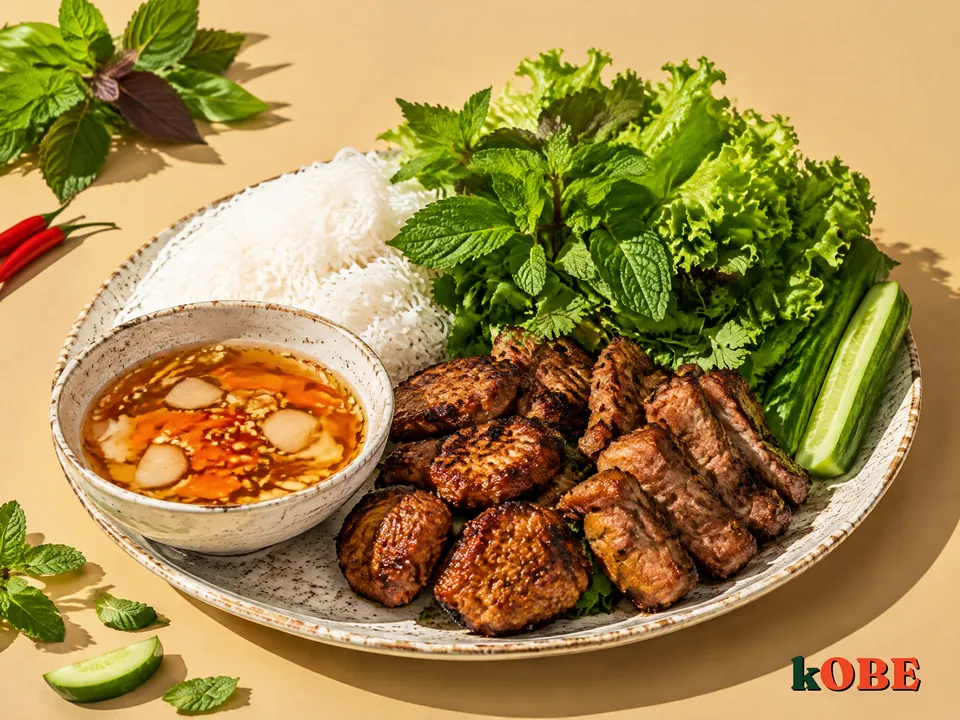
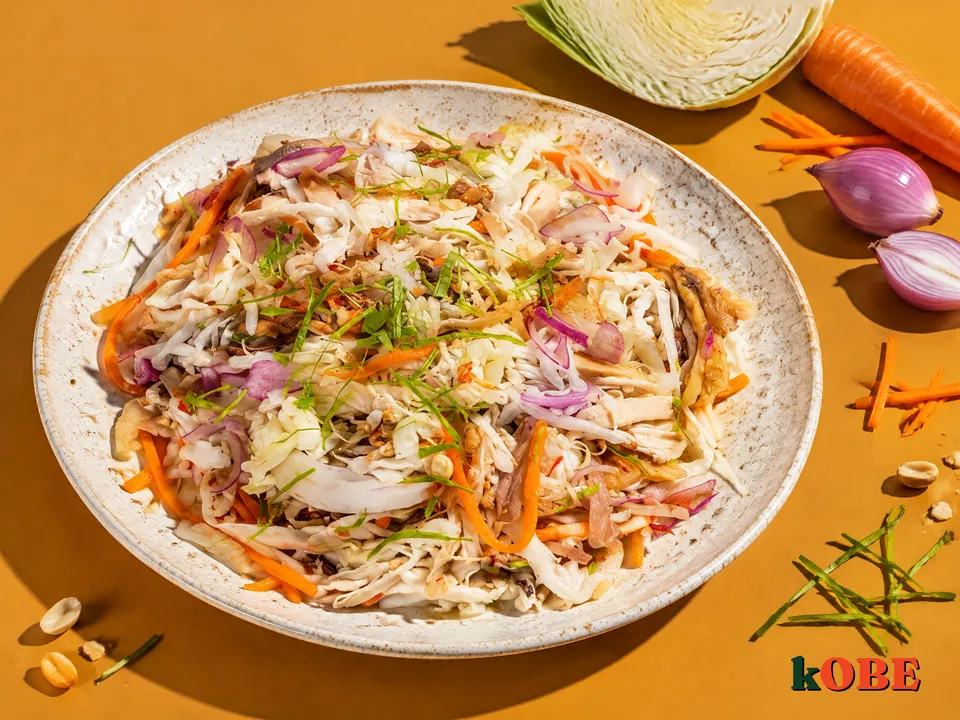
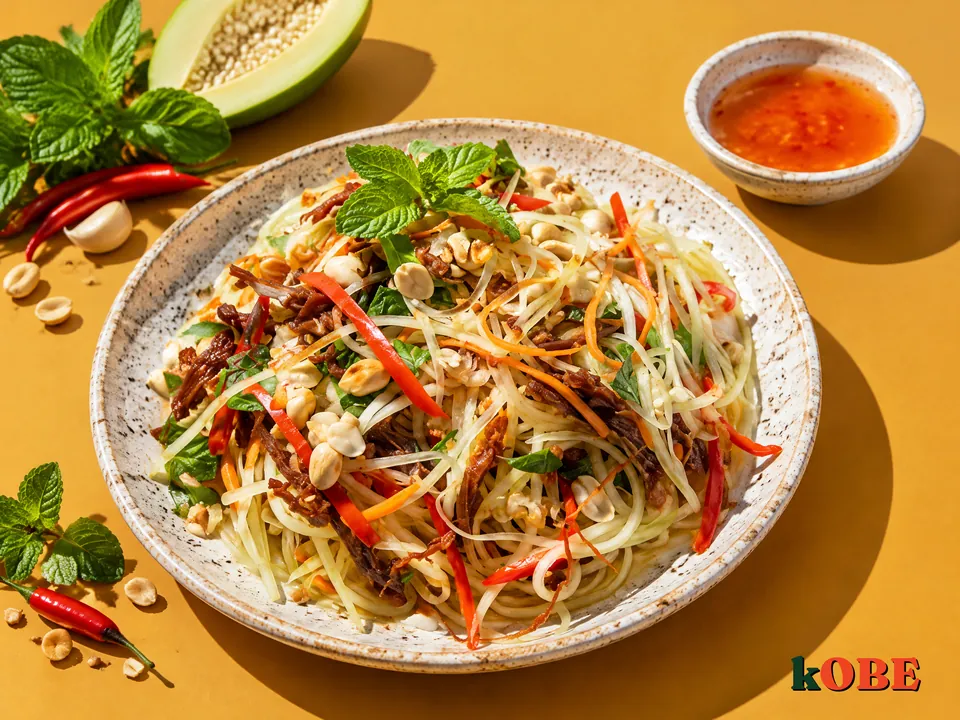
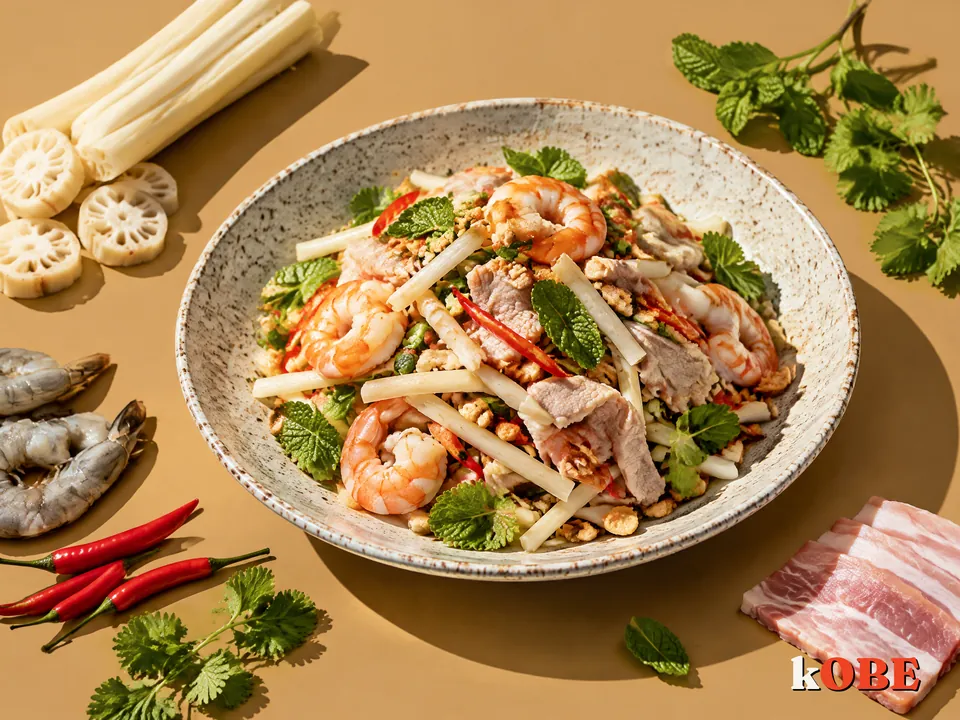
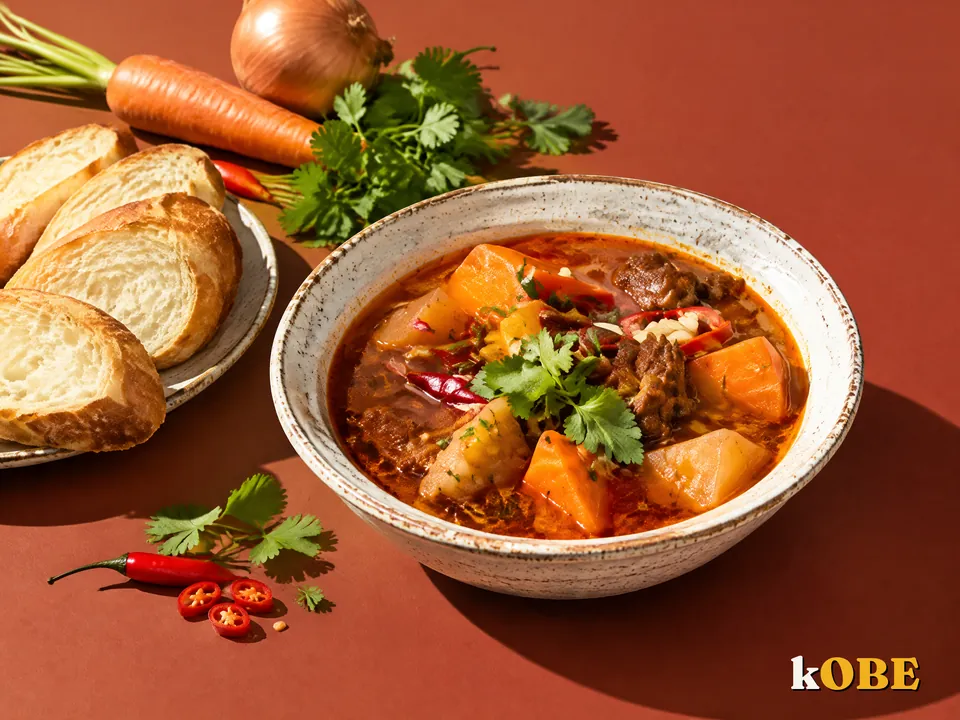
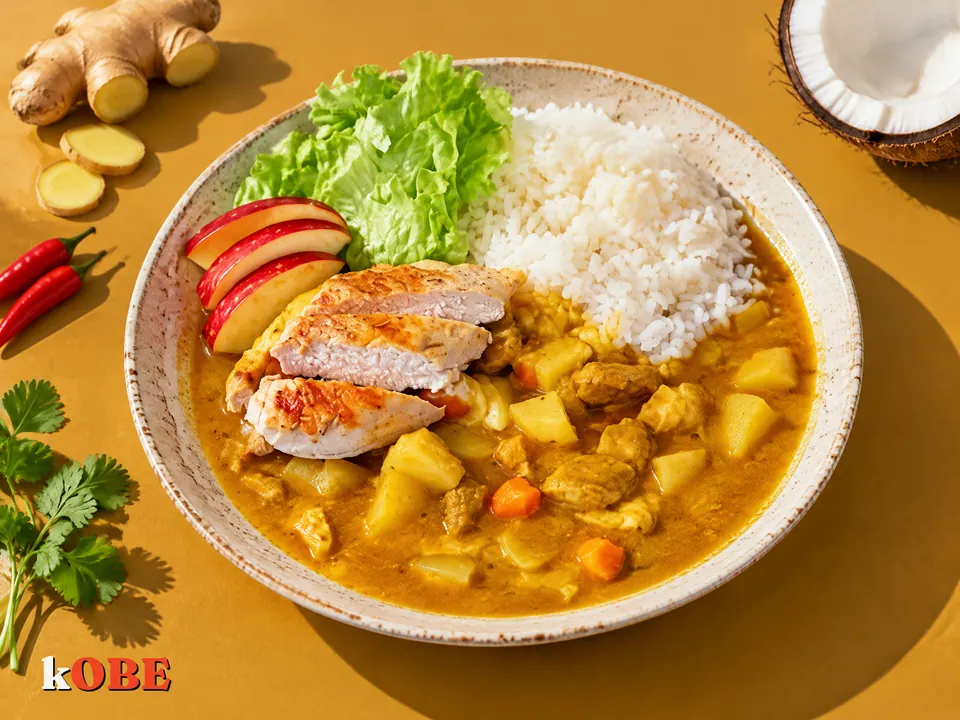
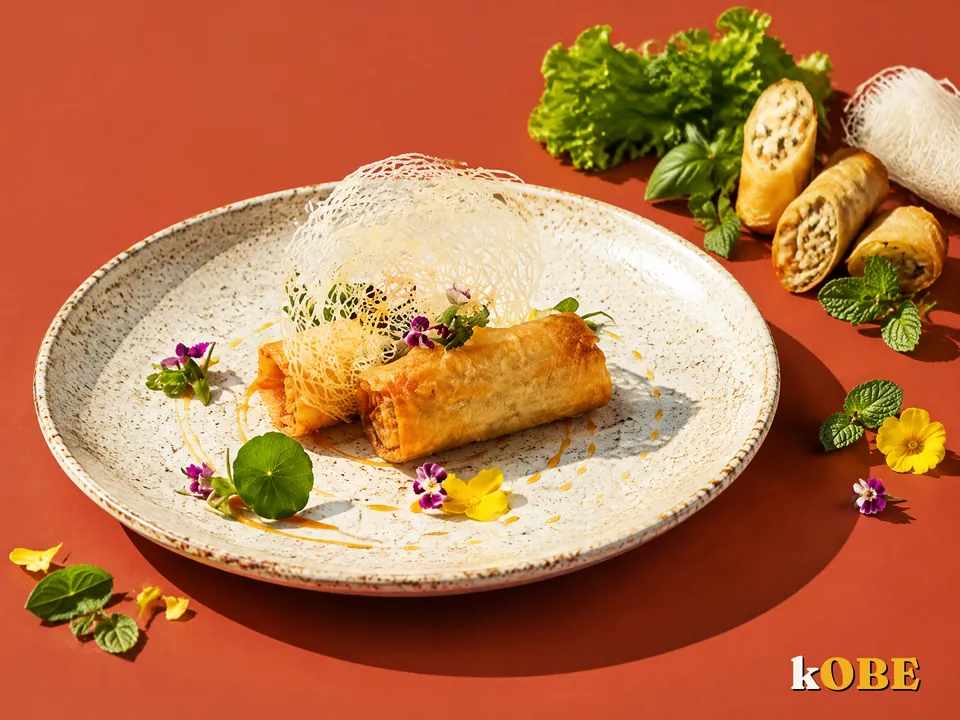
- In Vietnam, carrots are everywhere: the pickles in banh mi, pork rib soup, bo kho beef stew, salads and spring rolls. In the kOBE recipe library, carrot appears in 158 dishes.
Choosing and storing
Pick firm, straight roots with smooth skin and an even orange color, and skip any that are limp or split. If the tops are still on, cut them off when you get home, because the leaves pull moisture from the root. Keep carrots in a closed bag or box in the crisper drawer and they stay crunchy for a few weeks. Keep them away from apples and bananas, as the ethylene gas from ripe fruit can make carrots taste bitter.
Cooking it well
Beta-carotene dissolves in fat, so carrots stir-fried with a little oil or eaten with a dish that has some fat are easier for your body to absorb. Light cooking also softens the cell walls and releases more beta-carotene than eating them raw. If the skin is thin and clean, a good scrub is enough and you do not need to peel. To learn more about this orange pigment, read beta-carotene in sweet potato and carrot.