Data source: USDA FoodData Central, SR Legacy, FDC 170457 (Tomatoes, red, ripe, raw, year round average).
Fun facts
- Botanically, a tomato is a fruit because it carries seeds. In 1893, though, the US Supreme Court classed tomatoes as vegetables for tax purposes, and the label stuck.
- 100g of tomato has only about 18 kcal, so a medium tomato comes in at around 20 kcal. Most of the fruit is water, which is why it tastes so juicy and fresh.
- Tomatoes give 13.7mg of vitamin C and 237mg of potassium per 100g. The red color comes from lycopene, a pigment in the carotenoid family.
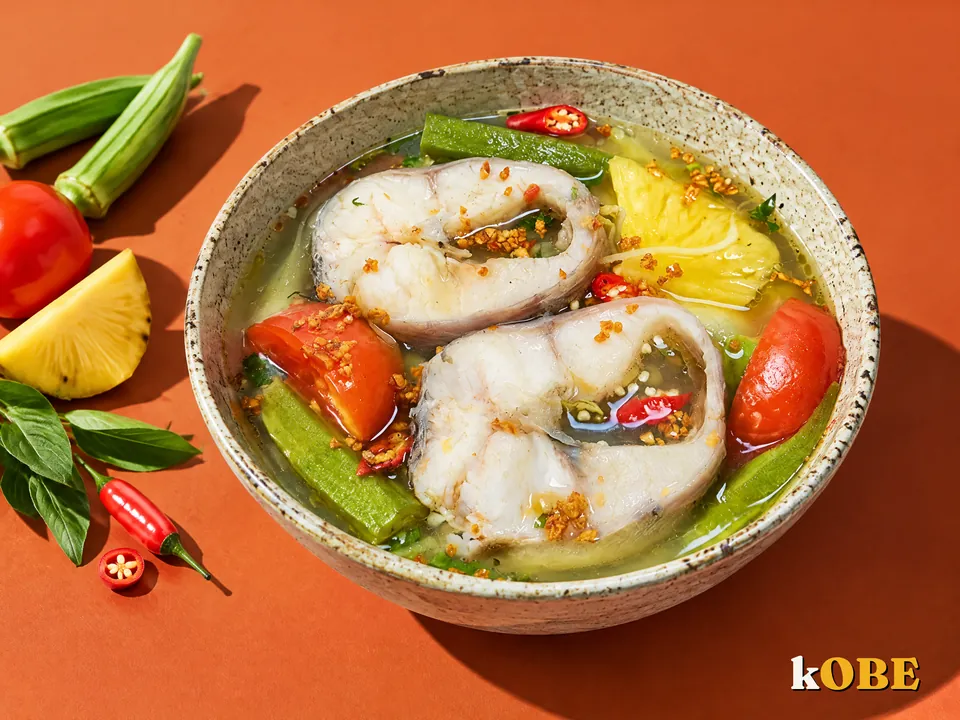
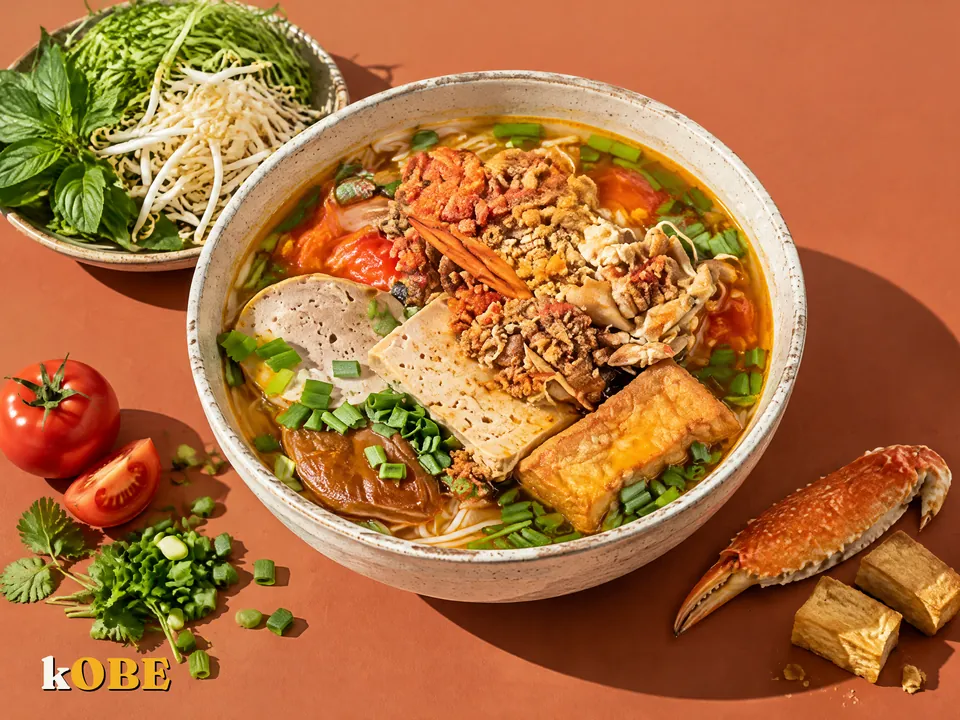
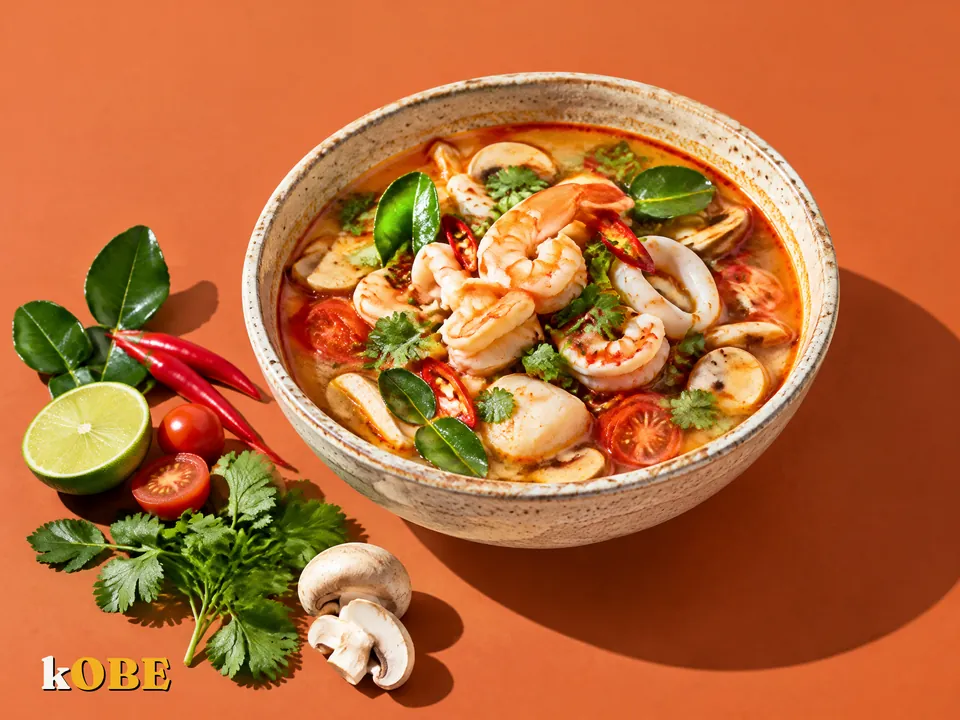
- Tomato is the heart of canh chua sour soup, bun rieu crab noodle soup and tomato sauce for fish or eggs. In the kOBE recipe library, tomato appears in 132 dishes.
Choosing and storing
Choose tomatoes that feel heavy, look glossy and evenly colored, still have green stems and smell lightly fragrant near the stem. Keep unripe tomatoes at room temperature out of direct sun until they turn fully red. The fridge dulls their aroma and makes the flesh mealy, so only chill tomatoes that are ripe and will not be used in time. If they have been in the fridge, let them sit at room temperature for a while before eating raw.
Cooking it well
Lycopene dissolves in fat and is easier to absorb when tomatoes are cooked, so a tomato sauce made with a little oil is a smart move. Vitamin C, on the other hand, drops the longer you cook, so raw tomatoes in a salad keep more of it. Mixing both styles through the week covers both bases. You can read more in cooking methods that keep vitamins.