Data source: USDA FoodData Central, SR Legacy, FDC 169761 (Wheat flour, white, all-purpose, unenriched).
Fun facts
- Knead wheat flour with water and two of its proteins link up into a stretchy, elastic gluten network. That network traps gas from the yeast, which is how bread puffs up.
- 100g of all-purpose flour has about 364 kcal, 76.3g of carbs and 10.3g of protein. That is more protein than rice flour, and it is exactly that protein that becomes gluten.
- In Vietnam, flour is often sold by number: no. 8 for soft sponge cakes, no. 11 for all-purpose, no. 13 for bread. The higher the number, the more protein and the chewier the dough.
- White flour has lost its bran and germ, so it holds only about 1.2mg of iron per 100g. Whole wheat flour keeps more of those minerals.
Choosing and storing
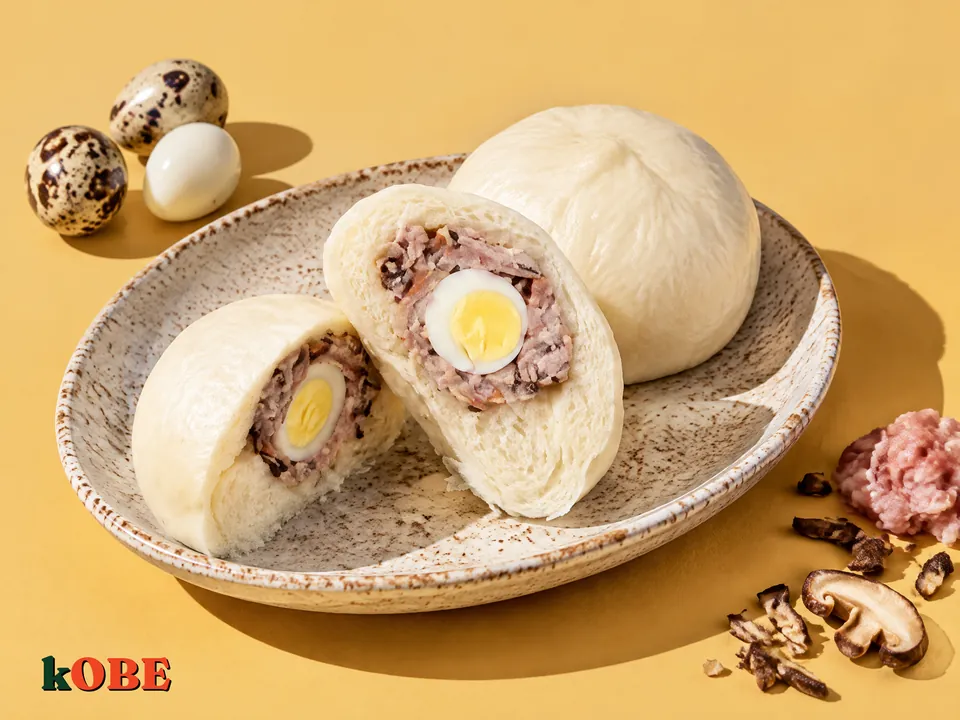
Match the flour to the dish: light, tender cakes want low-protein flour, while bread and bao buns need higher protein. Good flour is dry, fine, creamy white, with no lumps or musty smell. Once opened, move it to a sealed container somewhere cool and dry to keep out moisture and weevils. If you buy a lot, the freezer works too; just take out what you need.
Cooking it well
Sifting flour before baking makes it lighter, mixes more evenly and helps avoid lumps. Do not taste raw flour or unbaked dough, because flour is a raw farm product that has not been heat treated. For more fiber, try swapping part of it for whole wheat flour. We compare breads made from different flours in white vs whole wheat vs sourdough bread.