Data source: USDA FoodData Central, SR Legacy, FDC 168448 (Pumpkin, raw).
Fun facts
- The first Halloween lanterns in Ireland were carved from turnips. When Irish immigrants reached America, they found pumpkins bigger and easier to carve, and pumpkins became the symbol of the holiday.
- 100g of pumpkin has only about 26 kcal, nearly three times lighter than potato, even though it tastes rich and sweet.
- Pumpkin's orange color comes from beta-carotene: 426 µg of vitamin A per 100g. It also has 340mg of potassium and 9mg of vitamin C.
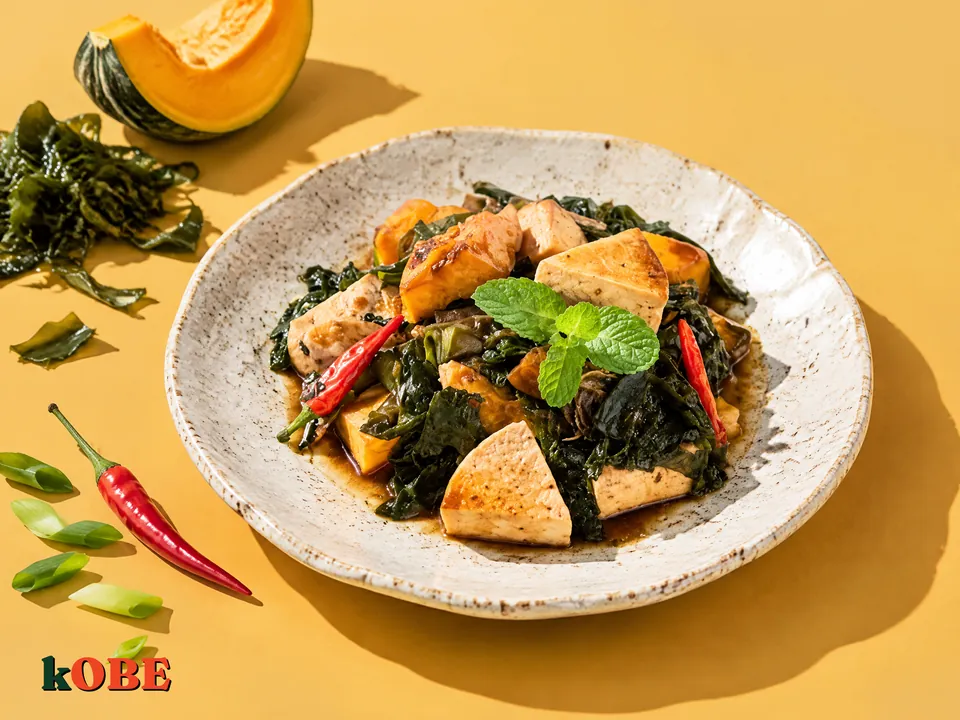
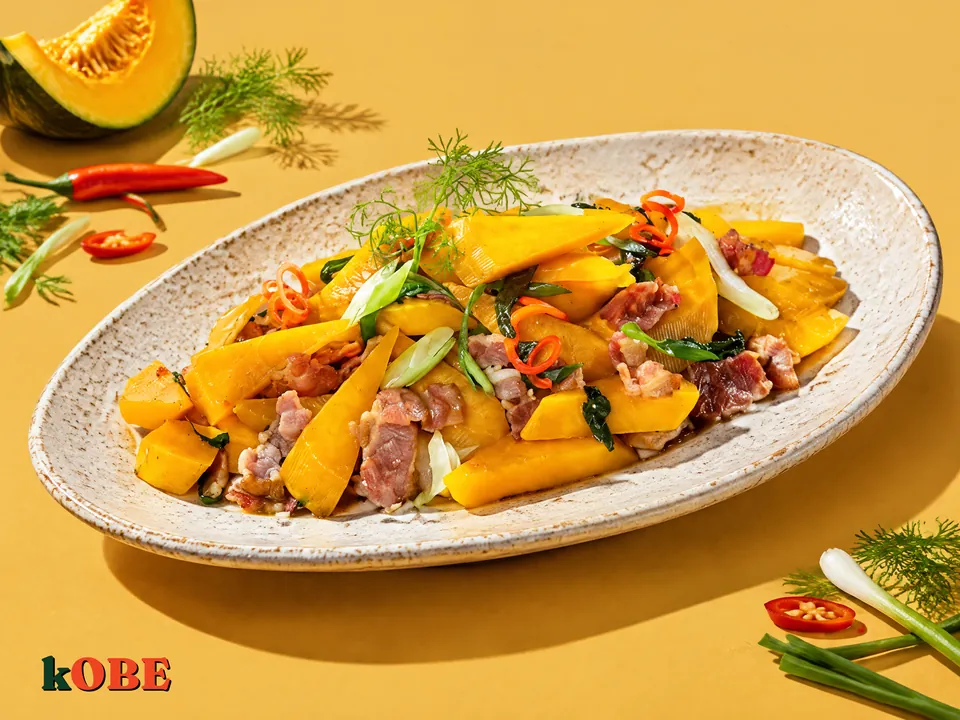
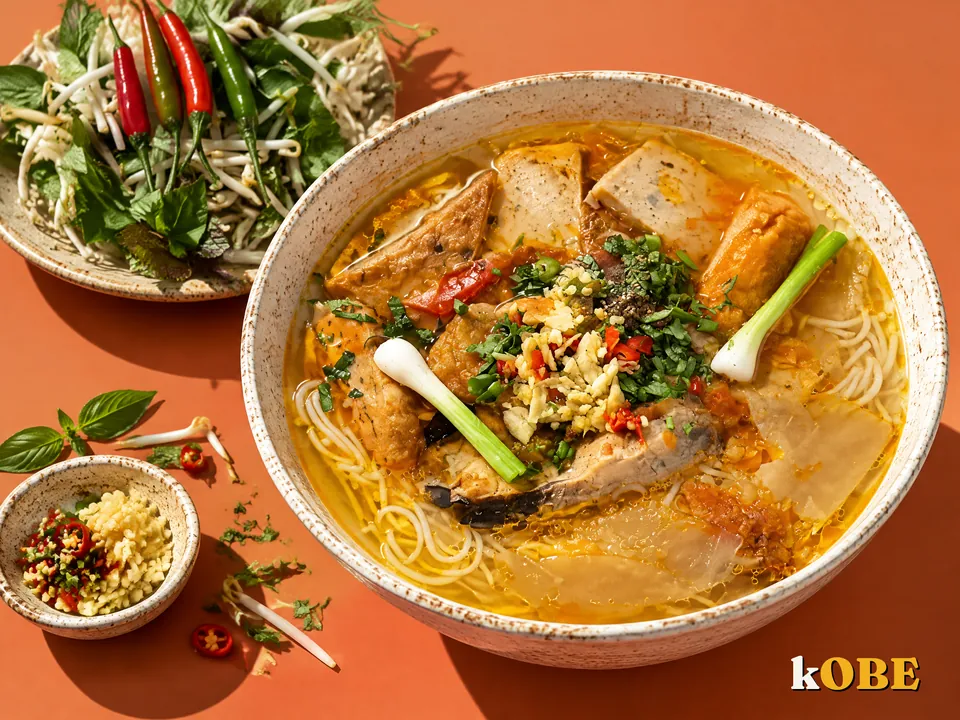
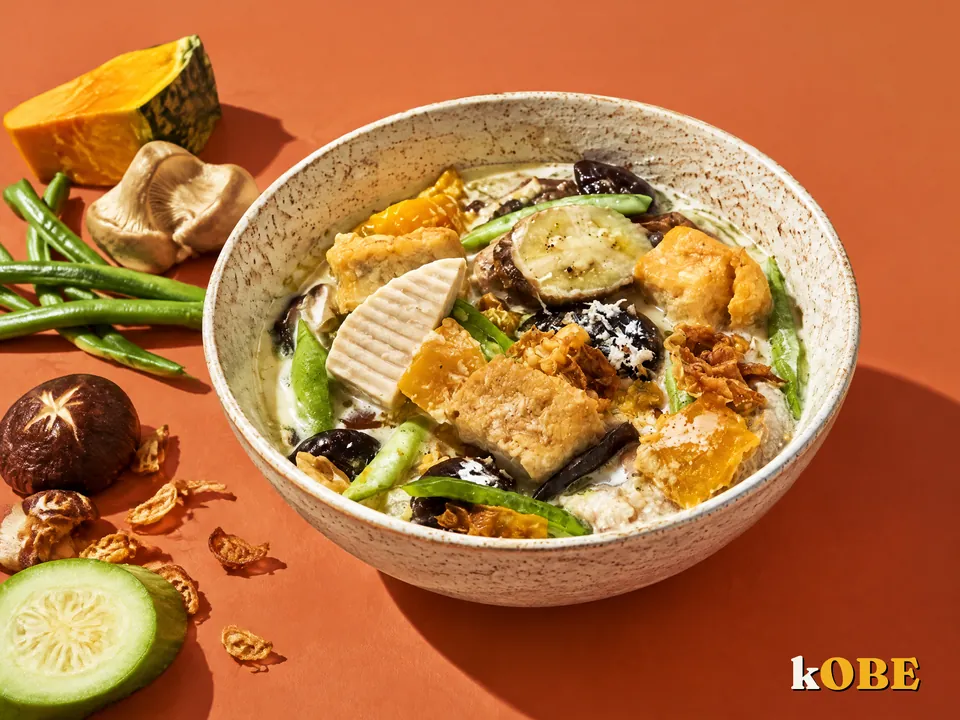
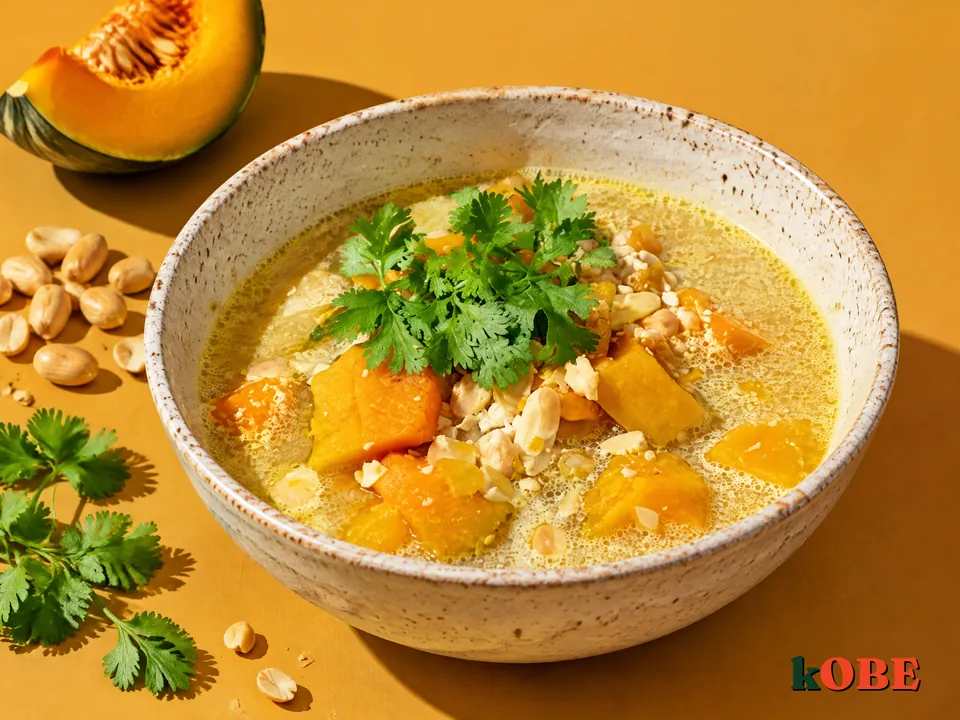
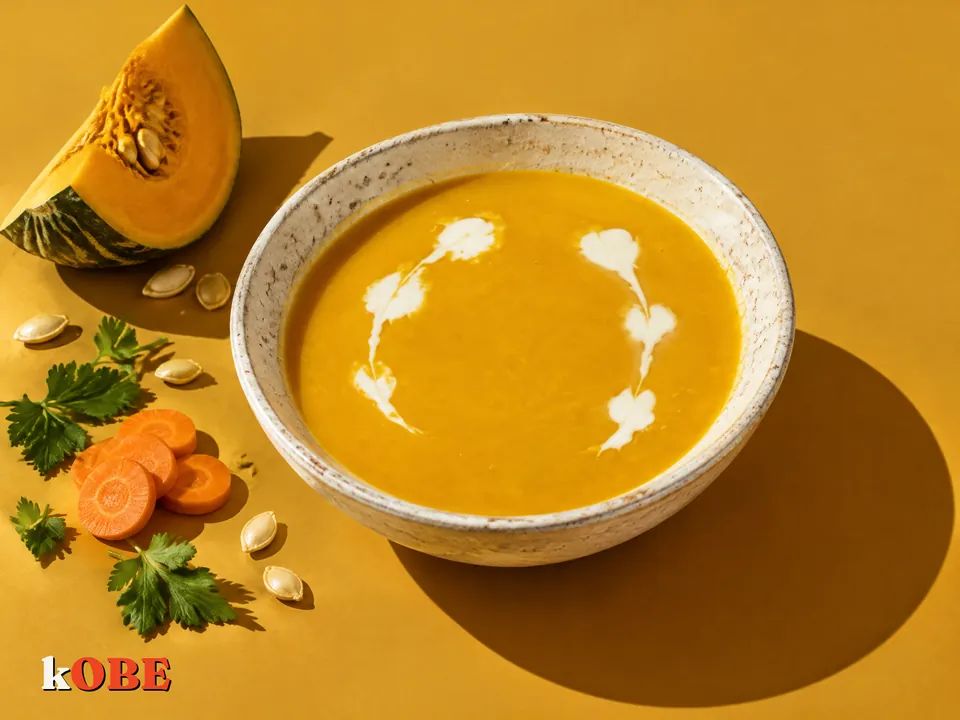
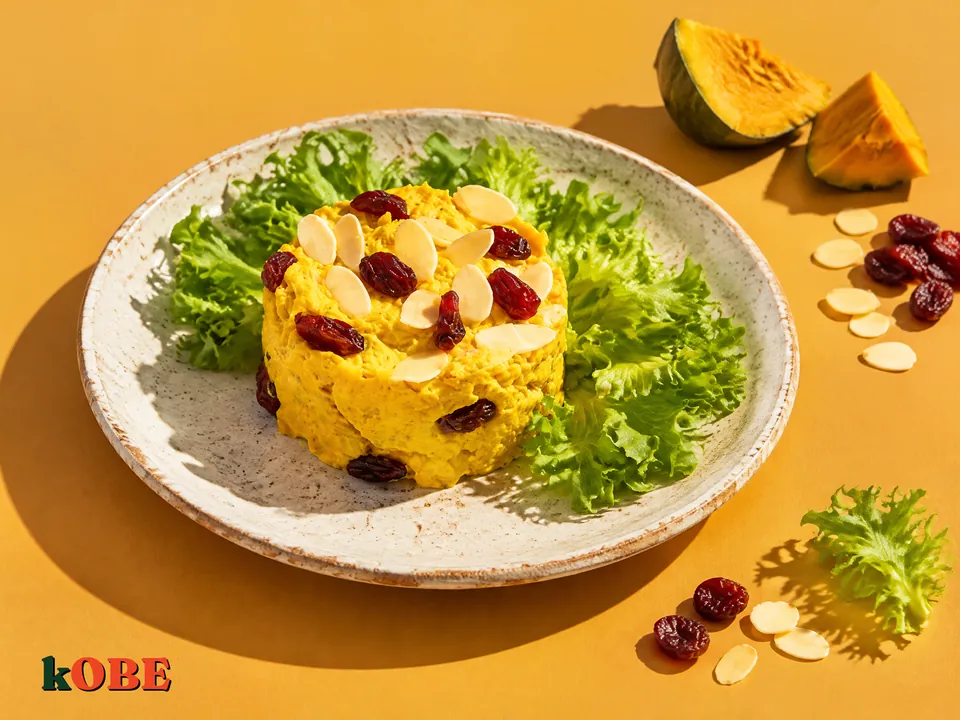
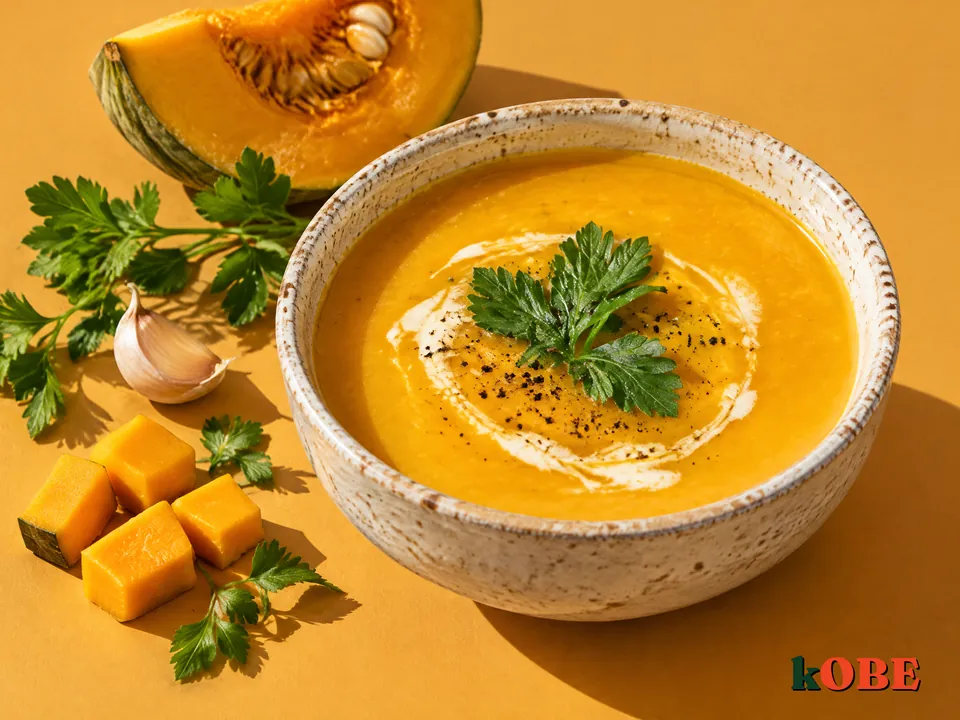
- In Vietnam, pumpkin goes into canh soup, baby porridge, creamy soup, stir-fries and bone broth. Roasted pumpkin seeds are a Tet snack. In the kOBE recipe library, pumpkin appears in 24 dishes.
Choosing and storing
Pick a pumpkin that feels heavy, with hard skin, deep even color and a dry, firm stem. A crisp hollow sound when you tap it usually means a mature pumpkin with sweet, fluffy flesh. A whole pumpkin kept in a dry, airy spot lasts from several weeks to a few months. Once cut, scoop out the seeds, wrap it tightly and refrigerate, then use within a few days.
Cooking it well
Beta-carotene dissolves in fat, so cooking pumpkin with a little oil or eating it with a dish that has some fat helps absorption. Steaming or roasting keeps the sweetness intense, and with soup, remember to drink the broth since some nutrients end up there. Mashed pumpkin also makes a creamy soup base without adding cream. Read more about the orange pigment in beta-carotene in sweet potato and carrot.