Data source: USDA FoodData Central, SR Legacy, FDC 169742 (Rice noodles, dry).
Fun facts
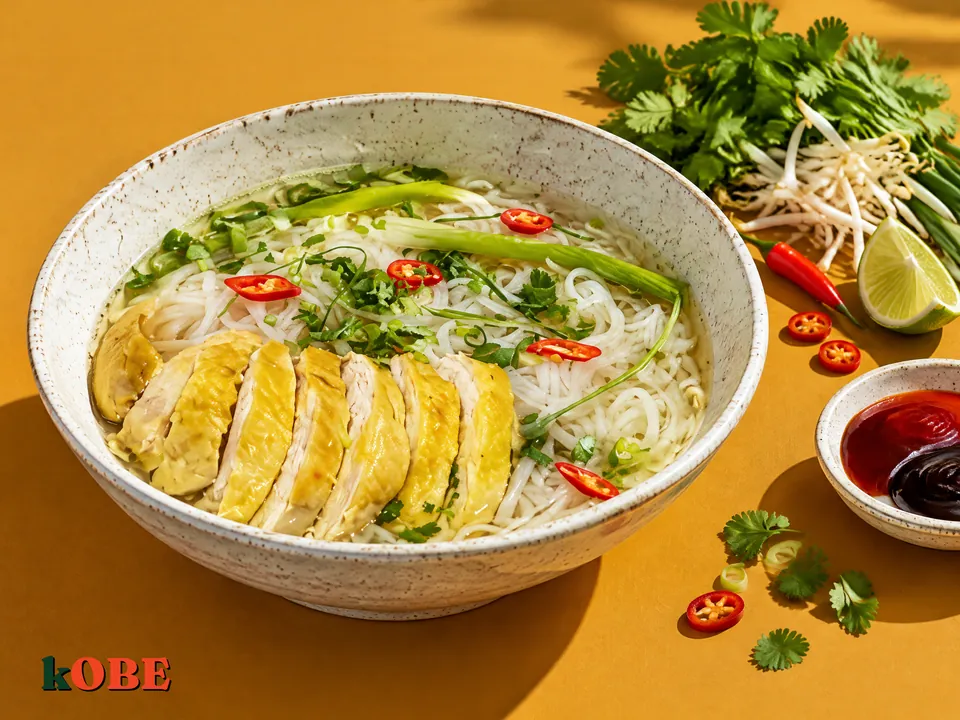
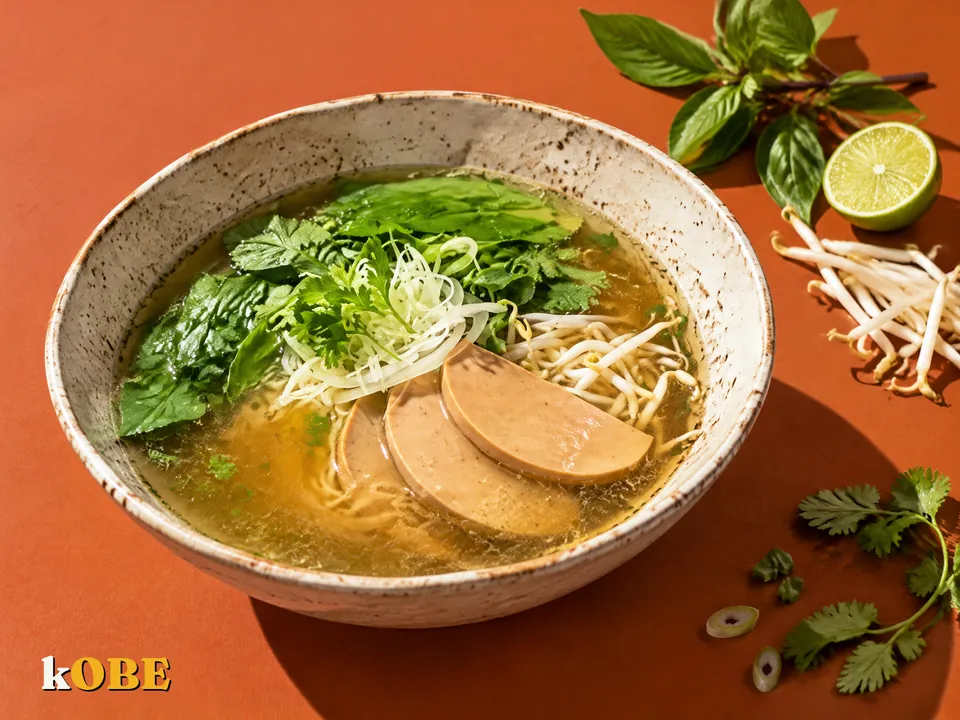
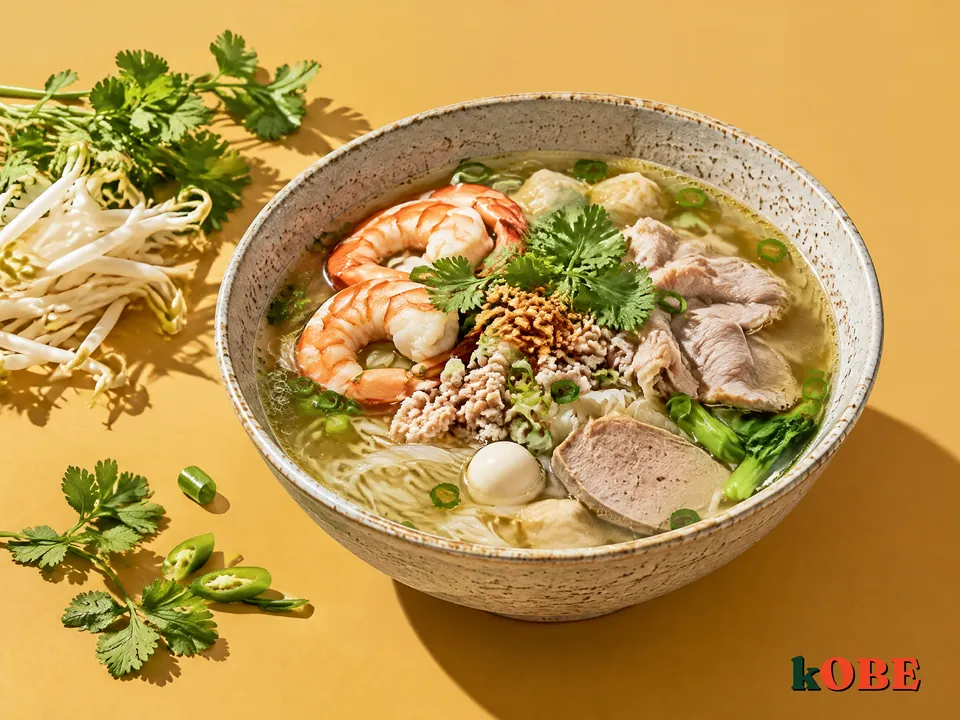
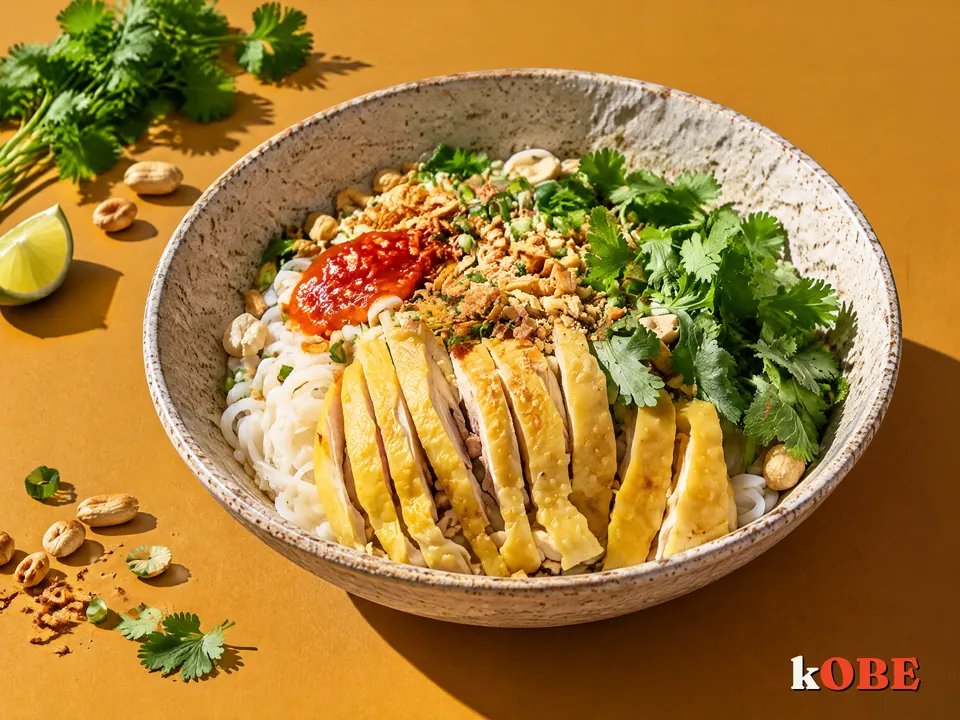
- Pho noodles and bun are both made from rice, but in different ways. Pho noodles are spread into thin sheets, steamed and then cut flat, while bun is pressed through a mold into round strands.
- The numbers here are for DRY rice noodles: about 364 kcal, 80.2g of carbs and 6g of protein per 100g, almost the same as rice. Once blanched, the noodles soak up water, so 100g of cooked noodles is much lighter.
- Dry noodles have about 182mg of sodium per 100g, far more than rice (5mg). Still, most of the salt in a bowl of pho sits in the broth.
- Pho was born in northern Vietnam in the early 20th century and is now one of the Vietnamese dishes best known around the world.
Choosing and storing
For dry noodles, choose even strands with a natural opaque white color, dry and brittle, with no mold spots. Sealed and kept cool and dry, dry noodles last a long time. Fresh pho noodles are soft and fragrant but spoil quickly, so buy just enough for the day and refrigerate any leftovers.
Cooking it well
For dry noodles, soak them in warm water until soft, then blanch quickly in boiling water and lift them out right away so they do not turn mushy. Fresh noodles need only a few seconds. A bowl of pho is more balanced with plenty of herbs and bean sprouts, and if you are watching salt, you do not have to drink all the broth. We work out the carbs in a bowl in how many carbs in pho noodles.